Best Coffee Tasting Journals Serious Tasters Always Reach For
You want a coffee tasting journal that fits in your pocket and handles daily use-like the 5.5 x 8.3-inch BookFactory Coffee Taster’s Journal. Its semi-rigid cover and spiral binding let it open flat on crowded counters. Acid-free, 100+ gsm paper resists bleed, even with fountain pens. College-ruled pages keep notes neat, while structured layouts track origin, roast, and flavor. It won’t win design awards, but it works. Other notebooks might look better but skimp on durability or lay-flat function. Pick one built for real conditions, and you’ll see why pros carry this one. There’s more to evaluate if you’re choosing the right fit.
We are supported by our audience. When you purchase through links on our site, we may earn an affiliate commission, at no extra cost for you. Learn more. Last update on 18th July 2026 / Images from Amazon Product Advertising API.
Notable Insights
- Durable semi-rigid or hardcover construction resists wear, dents, and light spills during transport.
- Wire-O or spiral binding ensures lay-flat writing for ease of use in active tasting environments.
- Acid-free, 100+ gsm college-ruled paper prevents ink bleed and ghosting with smooth writing performance.
- Pre-formatted pages include sections for origin, roast date, brew method, and flavor notes for consistency.
- Compact 5.5 x 8.3 inch size with slim profile offers portability and fits easily in bags or tight spaces.
BookFactory Coffee Taster’s Journal (100 Pages)
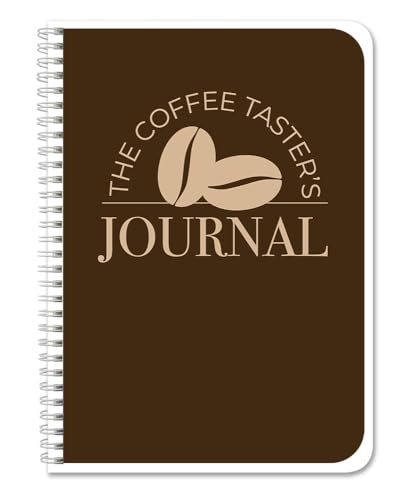
If you’re serious about improving your coffee tasting skills-whether you’re a home barista, a coffee professional, or a frequent traveler who enjoys local roasts-this journal is one of the best tools for tracking your experiences. I use it to log bean origin, roast level, brewing method, and flavor notes, which helps me spot patterns in what I like. The 5” x 7” size fits in my bag, and the durable translucent cover resists stains and wear. Wire-O binding lets it lie flat when I write. It’s lightweight (5.6 oz), made in Ohio by a Veteran-owned company, and built to last.
Best For: Coffee enthusiasts, home baristas, and professionals seeking a durable, portable journal to systematically track and refine their coffee tasting experiences.
Pros:
- Durable semi-rigid translucent cover resists stains, tearing, and travel wear
- Wire-O binding allows lay-flat writing for convenient note-taking
- Supports palate development by logging detailed coffee profiles including origin, roast, and flavor notes
Cons:
- Limited to 100 pages, which may not be sufficient for long-term, frequent users
- No built-in guidance or instructions on coffee tasting terminology or evaluation methods
- Only available in a single size and format, offering limited customization options
Coffee Themed Spiral Notebook (5.5×8.3 Inch)

I rely on the Coffee Themed Spiral Notebook (5.5×8.3 inch) when I need a durable, go-anywhere journal that keeps up with my coffee tasting sessions and daily notes. Its 164 lined, acid-free pages resist ink bleed, so my flavor notes and sketches stay crisp. The spiral binding lets it lie flat, making writing easier during busy tastings. At just over 10 ounces, it’s light but tough, with a hardcover that holds up in my bag. Measuring 5.5 x 8.3 inches, it fits easily in any workspace or pack. I use mine for meetings, brewing logs, and quick ideas-practical, no-frills, and always ready.
Best For: Coffee lovers and professionals who need a portable, durable journal for tasting notes, meetings, and daily planning.
Pros:
- Compact 5.5 x 8.3 inch size fits easily in bags and backpacks for on-the-go use
- Acid-free, college-ruled paper prevents ink bleed and ensures crisp, clean writing
- Durable hardcover and spiral binding allow lay-flat functionality and long-term durability
Cons:
- Limited page count at 164 pages may require frequent replacements for heavy users
- No pocket or pen holder, reducing functionality for those needing quick access to extras
- Basic design may not appeal to users seeking more decorative or customizable notebooks
Factors to Consider When Choosing Coffee Tasting Journals
You’ll want to pick a coffee tasting journal that’s easy to carry, so go for one around 5.5×8.3 inches-it fits in most bags but still gives enough space to write. Look for a sturdy binding like spiral or lay-flat hardcover, so the pages stay put when you’re jotting notes mid-brew. Make sure the paper isn’t too thin, since bleed-through can ruin entries, and choose a cover that can handle spills and daily use without falling apart.
Size And Portability
A well-designed coffee tasting journal typically measures between 5 and 5.5 inches wide and under 8.5 inches tall, making it compact enough to slip into a bag, jacket pocket, or side compartment without adding bulk. You’ll want one under 11 ounces so it’s easy to carry all day, whether you’re moving between cafes or visiting roasteries. A slim profile-under 0.6 inches thick-helps it fit into tight spaces in your luggage or work bag. Look for semi-rigid covers; they resist dents, bends, and light spills while holding up in humid or busy environments. Compact doesn’t mean flimsy: durable materials keep your notes protected and readable over time. If you’re constantly on the move, prioritize lightweight durability and a footprint that won’t hog space. These features make your journal practical, not just portable.
Binding Type
The right binding keeps your coffee tasting journal functional in real-world use, just as much as a compact size guarantees it stays within reach. You need a binding that holds up to daily handling, especially if you’re jotting notes at a café, roastery, or while traveling. Wire-O and spiral bindings let your journal lay flat, so you can write easily without holding the pages open. That means no shifting pages or missed notes mid-pour. A well-made lay-flat design also maximizes space near the spine, so you’re not wasting real estate. Cheaper bindings may loosen over time, especially with frequent flipping. Durable construction keeps pages aligned and intact, even when stuffed in a bag or used daily. If you’re serious about tracking flavors, acidity, and body, pick a binding that won’t fail after a few weeks.
Page Quality
Considering how often you’ll flip through pages during back-to-back tastings, opting for acid-free paper makes a clear difference in both readability and longevity. It keeps ink from bleeding and your notes sharp over time. You’ll want college-ruled pages with consistent 9/32-inch spacing-structured enough for detailed tasting notes without feeling cramped. Choose a thicker paper stock, ideally above 80 gsm, to prevent feathering, especially if you use fountain pens or bold inks. A smooth surface guarantees your pen glides quickly, so you can jot aromas and flavors without smudging or hand fatigue. Look for journals where pages lie flat when open; that small detail cuts strain during long sessions. Brands like Moleskine and Leuchtturm1917 get this right, balancing usability with durability. Pick the one that matches your writing speed and tool preference-it’ll save time and legibility in the long run.
Cover Durability
Your coffee tasting journal takes a beating-slid across counters, tossed in bags, exposed to steam and splashes-so a cover that holds up isn’t optional. You need something that resists stains, tears, and moisture, like a semi-rigid translucent cover, which defends against wrinkles and travel damage while maintaining clarity. Hardcover bindings offer solid protection, especially if you’re flipping pages in busy cafes or roasteries. Durable materials won’t absorb ink or degrade when spills happen-critical when you’re near brewing stations. Look for resilient textures that won’t fray or peel, even after weeks of heavy use. A sturdy cover also supports lay-flat functionality when paired with a good binding, making note-taking easier without sacrificing durability. Don’t underestimate this-flimsy covers fail fast. Prioritize toughness and practicality; your journal should look sharp and work reliably, day after day, no matter the environment.
Writing Surface
Smooth, reliable pages make all the difference when you’re jotting down tasting notes mid-brew. You need acid-free paper-it stops ink from bleeding and keeps writing crisp over time. Go for medium-weight pages, around 70–80 gsm; they’re durable and limit show-through from the back side. Lined layouts help you keep notes neat, especially when tracking complex flavor profiles. Pick a journal that lies flat: it reduces hand strain and makes writing easier during long sessions. If you’re working near espresso machines or pouring hot water, a stain-resistant or coated surface protects against spills and moisture. These features matter because coffee prep is messy, and you can’t afford smudged or ruined notes. Don’t assume all notebooks handle real-world use-test the pages or check trusted models like the Field Notes Coffee Series or Karst Stone Paper.
Design Aesthetic
While a sleek look shouldn’t come at the cost of function, a coffee tasting journal’s design aesthetic still plays a practical role in daily use. You want a cover made from durable, translucent semi-rigid stock-it resists stains and tearing when you’re on the move. Go for wire-O or spiral binding; it lets the journal lie flat so you can jot notes fast, right after a sip. Size matters: aim for 5 to 5.5 inches wide and 7 to 8.3 inches tall. It’s compact enough to carry, but still gives you room to write clearly. Acid-free, college-ruled pages keep your entries neat and readable over time. A minimalist or themed exterior isn’t just eye-catching-it helps your tools feel cohesive, especially if you’re using them in pro settings. You don’t need flair, but smart design? That’s functional.
Paper Bleed Resistance
Paper that resists bleed-through keeps your tasting notes clean and legible, page after page. Choose acid-free paper-it slows ink spread and protects adjacent sheets. Go for higher gsm; 100+ gsm paper blocks bleed and ghosting better than thinner stock. Smooth finishes give consistent writing, so ink won’t sink into fibers and blur. Some journals use coatings to lock ink in place-look for ones labeled “ink-resistant” or “suitable for fountain pens.” Even if the paper isn’t perfect, pair it with fast-drying gel pens or fine-tip markers to reduce smudging. Lining matters too: tightly ruled lines with sealed fibers help ink stay put. Avoid cheap notebooks with rough, porous pages if you’re using liquid ink. Brands like Leuchtturm1917 and Rhodia perform well here. Your notes stay sharp, readable, and usable over time-critical when reviewing old tastings or sharing data.
Layout And Organization
You’ve got your ink under control with bleed-resistant paper, so now set your focus on how the journal’s layout and organization shape your tasting workflow. Look for pre-formatted sections that make it easy to log bean origin, roast date, brewing method, and flavor notes-consistency matters when tracking sensory changes over time. A lay-flat binding like wire-O or spiral keeps the journal open during active tastings, so you’re not wrestling pages while jotting impressions. Choose a journal with at least 80–100 pages for long-term use without constant replacements. Lined or structured layouts improve legibility and help you build detailed records. Acid-free, thick paper supports this further by staying crisp with pens, markers, or pencils, ensuring your notes stay clean and readable without smudging or bleed-through.
Frequently Asked Questions
Can I Reuse These Journals After Finishing Them?
No, you can’t reuse these journals after finishing them because they’re bound and meant for one-time structured logging. Once you fill the pages, there’s no way to reset them. If you want reusable options, grab a wipe-clean notebook or digital app instead-things like the Foxtail Coffee Co. Journal template or Notion setups work well. These let you log tastings, erase, and start over without buying new books.
Are the Covers Waterproof or Spill-Resistant?
No, most covers aren’t fully waterproof, but many resist light spills. Brands like Field Notes and Rite in the Rain use water-resistant synthetics or coated covers that handle splashes but won’t survive dunking. If you’re brewing in damp areas or travel often, look for ripstop nylon or polypropylene covers-they dry fast and shrug off moisture. Avoid leaving any journal in standing water. Always wipe spills quickly to protect the pages underneath.
Do These Journals Include Tasting Wheel Templates?
Yes, most of these journals include tasting wheel templates you can use to map flavor notes quickly. They’re printed near the front or integrated into sensory pages. Some use simplified wheels; others follow the SCA standard. If precise flavor tracking matters to you, check whether the journal uses a detailed, full-color wheel. Generic notebooks don’t include them, so purpose-built tasting journals are better for structured analysis.
Is There a Digital Version Available?
Yes, digital versions are available. You can use apps like Flavourly or Compeat to log tastings, track profiles, and sync across devices. Some let you upload photos, set roast dates, and reference built-in tasting wheels. They’re practical when you’re mobile or prefer typing over writing. But paper journals still work better for quick sketches and no-distractions note-taking, especially in busy cafes or roasteries. Pick based on your workflow-digital for organization, analog for speed.
Can I Personalize the Journal With My Name?
You can personalize the journal with your name on the cover if you choose the premium leather-bound edition, which includes embossing. The standard softcover and digital versions don’t offer customization. Adding your name helps distinguish your notes, especially in shared workspaces. Keep in mind, personalization extends shipping time by 5–7 business days. If you want a quick, functional option, stick with the non-custom versions.