Best Honey for Coffee: 4 Types Compared (Hot & Iced)
Use raw, unfiltered honey like Nate’s Pure Raw Honey or Savannah Bee’s coffee-specific blend to sweeten your cup cleanly and effectively. These dissolve well in hot coffee, retain natural flavors, and avoid additives. For cold brew, opt for syrups or creamed honeys that mix smoothly. Organic options offer purity, while minis work for travel but aren’t cost-effective daily. You’ll find the best match based on texture, processing, and flavor-each choice shapes your coffee differently.
We are supported by our audience. When you purchase through links on our site, we may earn an affiliate commission, at no extra cost for you. Learn more. Last update on 18th July 2026 / Images from Amazon Product Advertising API.
Notable Insights
- Savannah Bee Honey for Coffee dissolves seamlessly in hot and iced coffee with a creamy texture and no clumping.
- Glorybee Premium Honey Syrup mixes smoothly in any coffee temperature, requiring no stirring thanks to its syrup form.
- Nate’s Pure Raw Honey gently warms for better pourability and blends well in warm coffee while retaining natural enzymes.
- Organic Raw Unfiltered Honey offers clean, balanced sweetness with floral notes that enhance coffee without overpowering it.
- Pasteurized, filtered honeys and syrups perform best in cold brew, avoiding graininess from crystallized or raw varieties.
Nate’s Pure Raw Honey 32oz

If you’re someone who values purity in your daily coffee ritual, Nate’s Pure Raw Honey 32oz is the best choice for you. I skip processed sugars, and this honey pours smoothly-gently warmed, never pasteurized. It’s 100% raw, unfiltered, and packed with natural pollen, so I know I’m getting real nutrients. One ingredient: honey. No additives, no stickiness, no waste. It dissolves well in warm coffee, enhancing flavor without overpowering it. Certified pure, it’s won taste awards and works in tea, oatmeal, or baking. At two pounds, the jar lasts, supporting better daily habits and sustainable practices from hive to table.
Best For: Health-conscious individuals seeking a natural, unprocessed sweetener for daily use in beverages and recipes.
Pros:
- 100% pure, raw, and unfiltered honey with no additives or pasteurization
- Gently warmed for easy pouring while retaining natural nutrients and pollen
- Versatile for use in coffee, tea, oatmeal, baking, and more; supports sustainable beekeeping
Cons:
- Higher price point compared to processed honey brands
- May crystallize over time due to lack of preservatives, requiring gentle warming
- Larger 32oz size may be impractical for light users or small households
Savannah Bee Honey for Coffee

I reach for Savannah Bee Honey for Coffee when I want a natural sweetener that enhances, not masks, my brew’s bold flavors. It blends smoothly into hot or iced coffee, thanks to its creamy texture, adding subtle sweetness without overpowering the bean’s natural notes. Unlike regular honey, it dissolves quickly, so no stirring or clumping. It’s a premium pick for daily use, ideal if you value quality and clean ingredients. While pricier than basic sweeteners, it elevates your routine consistently. If you enjoy nuanced flavor and convenience, this honey is a reliable, no-fuss upgrade.
Best For: Coffee lovers seeking a premium, natural sweetener that enhances rather than masks the bold flavors of their brew.
Pros:
- Smooth, creamy texture blends seamlessly into both hot and iced coffee
- Dissolves quickly without clumping, offering convenient, no-fuss use
- Made with clean, natural ingredients to complement high-quality coffee
Cons:
- Higher price point compared to standard sweeteners or generic honey
- Subtle sweetness may not satisfy those preferring intensely sweet coffee
- Limited flavor variation for users seeking bold or flavored additives
Nate’s Pure Raw Unfiltered Honey 16oz
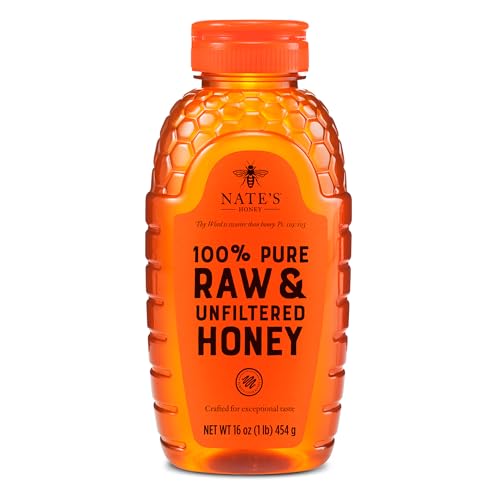
Nate’s Pure Raw Unfiltered Honey 16oz is my go-to choice when I want a natural sweetener that keeps its raw benefits while blending smoothly into hot coffee. It’s 100% pure honey-no additives, never pasteurized-and only gently warmed so it pours easily. Because it’s unfiltered, it retains pollen and enzymes many commercial honeys lose. Each batch is lab-tested under a purity guarantee, so you know exactly what you’re getting. Its balanced, award-winning flavor, recognized by ChefsBest™, works just as well in tea or oatmeal as it does in coffee. The 16oz squeeze bottle makes portioning simple, and since it’s raw, it’s a smarter swap for processed sugar.
Best For: Health-conscious individuals seeking a natural, unprocessed sweetener with raw benefits and exceptional flavor for daily use in beverages, food, or cooking.
Pros:
- 100% pure raw unfiltered honey retains natural pollen, enzymes, and beneficial nutrients
- Lab-tested for purity with no additives, preservatives, or pasteurization
- Versatile squeeze bottle design and award-winning taste ideal for coffee, tea, baking, and more
Cons:
- Gently warmed for pourability, so not completely raw by strictest definitions
- Higher price point compared to processed commercial honeys
- Limited availability in some regional or brick-and-mortar stores
Savannah Bee Honey for Coffee
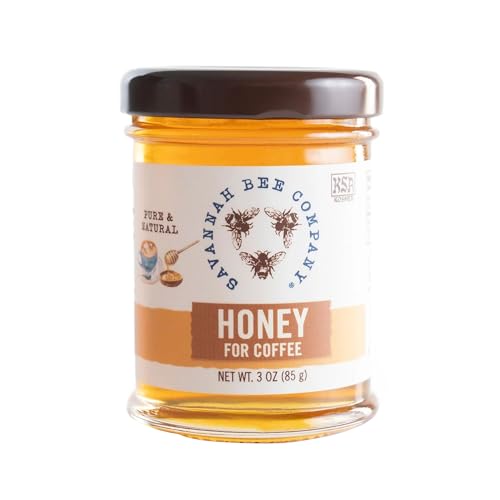
Savannah Bee Honey for Coffee stands out for coffee lovers who want a natural sweetener that enhances rather than masks their brew’s character. I find it adds balanced sweetness without overpowering the rich, bold notes in my morning cup. Its silky texture blends smoothly into both hot and iced coffee, eliminating gritty residue. Made from pure, premium honey, it’s a clean alternative to refined sugar that feels better to use daily. While it costs more than basic syrups, its quality justifies the price for those who prioritize flavor and purity. I recommend it for anyone seeking a consistent, natural boost in their coffee routine.
Best For: Coffee enthusiasts seeking a premium, natural sweetener that enhances rather than masks the rich flavors of their brew.
Pros:
- Adds balanced, clean sweetness without overpowering the coffee’s bold notes
- Smooth, creamy texture blends effortlessly into both hot and iced coffee
- Made from pure, high-quality honey, offering a guilt-free alternative to refined sugar
Cons:
- Higher price point compared to conventional sweeteners or syrups
- Subtle honey flavor may not satisfy those preferring intense sweetness
- Limited availability outside select retailers or online channels
Organic Raw Unfiltered Honey 14 oz

If you’re looking for a honey that keeps its natural benefits while blending smoothly into your morning coffee, Organic Raw Unfiltered Honey in the 14 oz squeeze bottle is a solid choice. Sourced solely from the remote Ceará region of Brazil, it’s USDA certified organic and comes from hives free of pesticides and antibiotics. Nothing’s added or removed-just pure wildflower nectar with natural enzymes and pollen intact. It’s gently warmed for easy pouring but stays unfiltered to preserve nutrients. You’ll taste a rich, balanced sweetness with subtle floral notes. Great for coffee, tea, or baking, this BPA-free squeeze bottle makes it practical for daily use.
Best For: Health-conscious individuals seeking pure, organic honey with natural enzymes and minimal processing for everyday use in beverages, cooking, and baking.
Pros:
- USDA certified organic and single-sourced from pesticide- and antibiotic-free hives in Brazil
- Raw and unfiltered, preserving natural enzymes, pollen, and nutrients
- Smooth texture and rich, floral flavor ideal for a variety of culinary uses
Cons:
- Sourced from a single region, which may limit nectar diversity compared to local multi-floral honeys
- Gently warmed processing may not meet strict raw foodists’ temperature standards
- Higher price point compared to conventional, processed honey brands
Glorybee Premium Honey Syrup (25.4 fl oz)

When you’re looking to sweeten your coffee without overpowering its natural flavor, Glorybee Premium Honey Syrup stands out as a reliable choice-especially if you value real ingredients and consistent mixing. I use it daily because it blends smoothly into both hot and iced drinks, no stirring needed. Made from real honey, it’s free of artificial colors or flavors, and its syrupy texture mixes evenly, even in cold coffee. A 0.25 oz pump gives precise portions, ideal for home or café use. The recyclable 25.4 fl oz bottle looks clean on any counter. Plus, 1% of sales supports bee research through their Save the Bee initiative, so every pour helps protect pollinators.
Best For: Coffee and tea lovers who want a natural, consistently mixed honey sweetener that supports bee conservation.
Pros:
- Made with real honey and no artificial colors or flavors, offering a clean, classic sweetness
- Specially formulated for smooth blending in both hot and cold beverages, eliminating the need for stirring
- 1% of sales supports honey bee research through the eco-conscious Save the Bee initiative
Cons:
- Pricier than basic simple syrups or plain honey, which may deter budget-conscious buyers
- Limited flavor variety compared to other specialty syrups on the market
- Plastic bottle, while recyclable, may concern environmentally conscious users seeking glass packaging
Amazon Grocery Golden Pure Honey 12 Oz

I reach for Amazon Grocery Golden Pure Honey when I want a no-frills, reliable sweetener that blends smoothly into my morning coffee without overpowering the brew’s natural flavor. It’s 100% pure honey with no additives, sodium, fat, or protein-just clean sweetness. Though it used to be branded Amazon Fresh, the quality hasn’t changed; Amazon Grocery now offers it at a better price. The 12 oz bottle is practical for daily use, whether in coffee, tea, or baking. Packaging varies during the rebrand, but the product inside stays consistent. It’s not fancy, but it’s honest, affordable, and gets the job done.
Best For: Budget-conscious shoppers seeking a simple, 100% pure honey for everyday use in beverages or cooking without added ingredients.
Pros:
- 100% pure honey with no additives, sodium, fat, or protein
- Smooth consistency ideal for mixing into coffee, tea, or recipes
- Affordable pricing under the Amazon Grocery rebrand without sacrificing quality
Cons:
- Packaging may vary during the transition from Amazon Fresh to Amazon Grocery
- Lacks specialty features like raw or organic certification
- Basic offering with no unique flavor notes or gourmet appeal
Nate’s Honey Minis 20ct Pack

Nate’s Honey Minis 20ct Pack is my go-to choice when I need a clean, no-mess way to sweeten coffee on the run. Each of the 20 mini packets holds 0.49 fl oz of 100% raw, unfiltered honey, sourced from trusted beekeepers and tested for purity. Since it’s never pasteurized or heat-treated, the natural enzymes and pollens stay intact. I appreciate that there are zero additives-just pure honey in portion-controlled, easy-tear packets. They’re perfect for tossing in my bag, glove compartment, or desk drawer. I’ve used them in tea, oatmeal, and even post-workout for a quick energy lift. If they crystallize, a quick warm-up restores the liquid form.
Best For: On-the-go individuals seeking a pure, portable, and mess-free honey option for sweetening beverages or snacks.
Pros:
- 100% raw, unfiltered honey with no additives, preservatives, or pasteurization
- Individually portioned packets are convenient for travel, work, gym, or school
- Retains natural enzymes and pollens due to gentle warming instead of high-heat processing
Cons:
- Small packet size may not be cost-effective for heavy daily use
- Limited quantity per packet requires multiple servings for larger sweetening needs
- Potential for crystallization over time, requiring warming to restore liquid form
Lavender Honey Infused Syrup 16 oz

Lavender Honey Infused Syrup 16 oz stands out if you prefer a floral twist in your coffee without relying on artificial flavors or liquid sweeteners loaded with additives. I use it daily, and it blends smoothly into both hot and iced coffee. Made with just raw honey and dried lavender buds from Arvoli Honey, it’s free of extracts or fillers. The slow infusion process pulls real floral aroma into the honey, adding a gentle, natural fragrance to drinks. It works well in tea or matcha too. Just remember: never give it to infants under 12 months due to raw honey content.
Best For: Those who enjoy naturally sweetened, aromatic beverages with a floral twist and prefer clean, additive-free ingredients.
Pros:
- Made with only two simple, high-quality ingredients: raw honey and dried lavender buds
- Infused using a slow, natural process that preserves the true floral aroma and flavor
- Versatile sweetener that enhances tea, coffee, and matcha without artificial additives
Cons:
- More expensive than conventional sweeteners due to premium, raw ingredients
- Floral taste may not appeal to those who prefer neutral or bold coffee flavors
- Not suitable for infants under 12 months due to raw honey content
Fischer’s Pure Raw Honey 40 oz

When it comes to choosing a honey that maintains its natural richness without compromising on purity, Fischer’s Pure Raw Honey 40 oz stands out as a top pick for coffee drinkers who prefer an unprocessed, authentic sweetener. I use it daily because it’s 100% raw, unfiltered, and never pasteurized-no added syrups or artificial stuff. Sourced from a family-run operation since 1935, it comes from beekeepers who care about bee health and sustainability. The 40 oz squeeze bottle is practical, and the honey naturally crystallizes over time, which is normal and reversible. It blends well into warm coffee, preserving its antioxidants and minerals.
Best For: Coffee drinkers seeking a pure, unprocessed sweetener that preserves honey’s natural vitamins, minerals, and antioxidants.
Pros:
- 100% pure raw honey that is unfiltered and unpasteurized, maintaining its natural composition
- Sourced from a family-run business with sustainable beekeeping practices since 1935
- Comes in a convenient 40 oz squeeze bottle and naturally preserves beneficial antioxidants
Cons:
- Natural crystallization may occur over time, requiring gentle warming to restore liquidity
- Higher price point compared to processed or blended honey products
- Limited availability in some regional markets due to focused distribution
Factors to Consider When Choosing Honey for Coffee
When picking honey for your coffee, you’ll want to take into account the type and flavor profile-like how wildflower adds a bold touch while clover gives a milder sweetness. Think about texture and solubility too; creamy honey blends faster than thick, crystallized kinds, especially in hot drinks. And don’t overlook how the honey’s processed, since raw versions keep more natural flavors compared to heavily filtered or pasteurized options.
Honey Type
Honey’s complexity starts with its type, and your choice can shift how your coffee tastes. Raw, unfiltered honey keeps natural enzymes and pollen, adding subtle depth when stirred into your cup. If you want easier mixing, pick honey gently warmed during processing-it stays raw but pours smoothly. Varietal honeys, like wildflower or lavender-infused, bring distinct notes that match certain roasts; try floral honey with light roasts or earthier types with dark, bold brews. Unpasteurized honey holds delicate aromas that highly processed options lose, giving a more nuanced sweetness. Consider moisture and thickness, too-thinner honeys blend faster, especially in iced coffee, while thick, crystallized kinds can be messy. For daily use, go for a fluid, raw varietal that balances ease and flavor. It’s not just sweetness-it’s integration, texture, and how well it plays with your brew. Choose based on what dissolves well and enhances your cup without overpowering it.
Flavor Profile
Think beyond sweetness-flavor matters just as much when picking honey for your coffee. You want a balanced, mild honey if you’re drinking light or medium roasts-something like clover or acacia won’t overpower the coffee’s natural notes. If your beans have floral or fruity undertones, go for raw, unfiltered honey with matching hints; it’ll enhance those delicate layers. For dark roasts, choose richer honeys with caramel or toasted flavors-buckwheat honey works well here, adding depth without clashing. Keep in mind that honey’s natural acidity and sweetness interact with coffee’s pH, affecting how smooth or bright your cup tastes. Always consider the roast and origin of your beans when matching honey. A good pairing lets both elements shine. Skip overly intense honeys unless your coffee can stand up to them.
Texture And Consistency
A smooth, creamy honey blends quickly and evenly in both hot and iced coffee, giving you consistent sweetness without grainy bits at the bottom of your cup. You’ll want to avoid raw or unfiltered types if you dislike texture-they’re thicker due to pollen and enzymes, which can slow mixing. Crystallized honey is safe but granular, making it a poor fit for cold brew unless you warm it first. If you’re using iced coffee often, opt for honey syrup-it’s blended with water for a thinner, uniform consistency that won’t settle. Gently warmed regular honey pours easier and mixes well in hot coffee, but don’t overheat it or you’ll lose delicate flavors. Creamed honey, like Savannah Bee’s, spreads smoothly and dissolves fast. For daily use, go for a pasteurized, filtered honey with a fluid texture-it’s more predictable and less messy.
Solubility In Hot Beverages
When dissolving honey in hot coffee, you’ll get the best results with varieties that have low moisture content and a fluid, processed consistency-these mix in quickly without leaving clumps or residue. Raw, unfiltered honey may cloud your cup, as bits of pollen or wax can slow dissolving. For faster blending, choose smoother, low-viscosity types: their fine texture spreads evenly. Honey’s sugar makeup-mainly fructose and glucose-also matters; higher fructose levels dissolve faster in heat. Look for processed options like clover or acacia, which stay liquid longer and integrate smoothly. Avoid crystallized or granulated forms unless you stir vigorously, since they take longer to break down. If you prefer raw honey, gently warm it first to help it blend. Ultimately, the best honey for hot coffee dissolves fast, leaves no grit, and sweetens each sip without extra effort.
Processing Method
While processing affects both taste and texture, choosing the right method matters if you want honey that blends smoothly without sacrificing quality. You should pick raw honey-it’s gently warmed just enough to pour, but not pasteurized, so it keeps natural enzymes and nutrients that boost flavor. Unfiltered kinds hold onto pollen and propolis, adding depth and authenticity you can taste. Minimal processing means more antioxidants and bioactive compounds survive, enhancing both health benefits and richness. Avoid high-heat processed honey; it changes the chemical structure, dulling flavor and lowering nutritional value. Don’t worry if your honey crystallizes-it’s normal for raw honey and doesn’t mean it’s gone bad. Just warm it gently to liquefy again. Look for labels like “raw,” “unfiltered,” or “cold-extracted” to guarantee you’re getting a truer, more natural product that works better in your coffee.
Purity And Additives
Since you’re adding honey to coffee, you want the real thing-pure honey with nothing added. Look for labels that say “100% pure honey” to avoid hidden additives like high-fructose corn syrup, sugar syrups, or artificial flavors. These fillers dilute flavor and reduce quality. Choose raw, unfiltered honey when possible-it keeps natural enzymes, pollen, and nutrients that processing often removes. While pasteurization extends shelf life, it can weaken beneficial properties; gently warmed honey offers better pourability without sacrificing composition. Check the ingredient list-ideally, it should list only “honey.” Avoid terms like “honey blend” or “honey product,” which often signal added sweeteners. Trusted brands like Wedderspoon, Really Raw Honey, or local beekeepers typically offer cleaner options. Purity affects both taste and health value, so investing a bit more for authentic honey improves your coffee experience without unnecessary extras.
Sustainability Practices
Choosing pure honey matters for taste and quality, but how that honey is produced affects more than your cup-it impacts entire ecosystems. You support healthy bee populations and biodiversity when you choose honey from sustainable beekeeping operations. These farms avoid synthetic pesticides and antibiotics, which helps keep colonies strong and reduces environmental harm. Look for producers who practice responsible land stewardship-this protects natural habitats and helps native plants thrive. Sustainable honey is often minimally processed, preserving beneficial enzymes and cutting down on energy use. Opt for certified options like USDA organic, which enforces strict rules on hive management and prohibits artificial inputs. While these honeys may cost a bit more, they offer long-term value for your health and the planet. Skip mass-produced brands that prioritize yield over ecology. Your coffee tastes better when your choices support a working planet.
Frequently Asked Questions
What Is the Best Honey for Iced Coffee?
You’ll get the best results with raw, lightly filtered honey like wildflower or orange blossom. These mix easily into iced coffee and offer balanced sweetness without overpowering the brew. Avoid thick, crystallized honey-it won’t dissolve well. Acacia honey is another solid choice since it stays liquid and blends smoothly. Start with a tablespoon, stir thoroughly, then adjust to taste. Always opt for quality, pure honey without added sugars or fillers for the cleanest flavor.
Does Honey in Coffee Cause Acidity?
You might worry honey makes coffee more acidic, but it doesn’t notably alter the coffee’s pH. Honey’s own acidity is mild and usually doesn’t trigger acid reflux in most people. If you’re sensitive, darker roasts with lower acidity pair better with honey. Avoid adding honey to cold brew if you dislike graininess-opt for raw, strained versions instead. Stir well to dissolve.
Can Diabetics Safely Use Honey in Coffee?
You can use honey in coffee if you’re diabetic, but you must monitor your blood sugar closely. Honey affects glucose levels, though slightly slower than sugar. Limit portions-stick to half a teaspoon. Opt for raw, low-GI options like acacia honey over processed blends. Consider alternatives like stevia or monk fruit for zero impact. Always consult your doctor before making dietary changes. Balance taste with health, and track how your body responds each time.
How Does Honey Affect Coffee’s Caffeine?
You’re not altering caffeine levels when you add honey to coffee-honey doesn’t reduce or enhance the caffeine. It only affects flavor and texture. Caffeine remains chemically unchanged. If you’re using honey instead of sugar, you’re swapping sweetness sources, not changing stimulation. For consistent caffeine, stick to your usual brew method and coffee dose. Honey’s impact is taste, not energy output.
Is Local Honey Better for Coffee?
Local honey isn’t inherently better for coffee, but it can offer unique regional flavors you might enjoy. Since it’s less processed, it may retain subtle floral notes from local plants. However, those same flavors can clash with bold roasts. For consistency and smooth blending, commercial varieties like clover or acacia are often more reliable. If you like experimenting and support local sourcing, try small batches first to see how the taste holds up when mixed with heat and acidity.