Best Coffee in the Philippines That Locals Can’t Live Without
You’re drinking Kopiko 3-in-1 or Barako if you want what Filipinos rely on daily-Kopiko delivers bold volcanic coffee with instant convenience, while Batangas-sourced Barako offers a strong, earthy kick best brewed dark and hot. Prefer something traditional yet modern? Try Excelsa’s tart, fruity notes or Kyoto’s blend with added wellness ingredients. Each choice fits different needs, from quick mixes to single-origin beans worth exploring further.
We are supported by our audience. When you purchase through links on our site, we may earn an affiliate commission, at no extra cost for you. Learn more. Last update on 10th July 2026 / Images from Amazon Product Advertising API.
Notable Insights
- Kopiko 3-in-1 Instant Coffee Mix is a household staple, prized for its bold flavor from Indonesian volcanic beans and unmatched convenience.
- San Mig Barako 3-in-1 delivers intense Philippine-grown Barako coffee flavor, beloved for its strong aroma and quick preparation.
- Batangas Brew’s 100% Liberica Kapeng Barako is deeply rooted in tradition, offering locals a robust, earthy coffee with cultural significance.
- Excelsa Coffee from the Philippines stands out with its rare tart, fruity notes and lower caffeine, appealing to those seeking unique local flavors.
- Artisans Philippine Barako Gold uses rare Liberica beans from local farms, supporting biodiversity and offering a distinctive, bold taste cherished by Filipinos.
Kopiko Brown Sugar Instant Coffee Mix (30 Pack)

If you’re looking for a quick, reliable coffee fix that doesn’t sacrifice flavor, Kopiko Brown Sugar Instant Coffee Mix (30 Pack) is a solid choice, especially if you value convenience without wanting to compromise on a rich, well-balanced taste. I use one sachet with 150ml of hot water, and it dissolves fast-no stirring needed. It’s made from Indonesian volcanic coffee beans, giving it a bold, full-bodied base. The brown sugar adds subtle sweetness, cutting the bitterness without extra syrup. If you’re comparing it to plain instant coffee or other 3-in-1 mixes, this one strikes a better balance between sweetness and strength. It’s portable, consistent, and requires no gear-just a cup and hot water. I keep a pack at work and travel with it. While it’s not specialty pour-over level, it delivers a satisfying cup when time or tools are limited. Compared to Kopiko Blanca or Premium 3-in-1, this version has deeper flavor and less creaminess, so it’s better if you prefer bold over milky. It’s not ideal for iced coffee unless you adjust the water, but for hot drinks on the go, it works well. If you want a no-fuss, flavorful instant coffee rooted in real coffee tradition, this is a practical pick.
Best For: Coffee lovers who want a quick, rich, and balanced instant coffee experience with authentic Indonesian coffee flavor and subtle sweetness from brown sugar.
Pros:
- Made from premium Indonesian volcanic coffee beans for a bold, full-bodied taste
- Dissolves instantly in hot water with no stirring required, ideal for on-the-go use
- Balanced sweetness from brown sugar without overpowering creaminess, offering a more refined flavor than typical 3-in-1 mixes
Cons:
- Not optimized for iced coffee without adjusting water ratio or preparation method
- Less creamy compared to other Kopiko variants like Blanca, which may disappoint those preferring a milky texture
- Flavor, while robust for instant coffee, doesn’t match the complexity of specialty brewed or pour-over coffee
Artisans Philippine Barako Gold Medium Roast Beans

I reach for Artisans Philippine Barako Gold Medium Roast Beans when I want a coffee that stands apart-not just in flavor, but in story. These 100% Liberica beans come from small farms in the Philippines’ tropical lowlands, a rare heirloom variety making up less than 3% of global supply. They’re less bitter than Arabica or Robusta, with bold sweetness and depth. I use them for espresso-it highlights their complexity. The medium roast balances clarity and body. At 1.1 pounds in polyethylene, the packaging keeps beans fresh but isn’t resealable. I transfer mine to an airtight container. It’s ideal if you want something different from mainstream coffee.
Best For: Coffee enthusiasts seeking a rare, distinctive alternative to mainstream Arabica with a rich cultural heritage and bold, complex flavor.
Pros:
- Made from rare 100% Liberica beans with a unique, heirloom story and less bitterness than Arabica or Robusta
- Supports small-scale Filipino farmers and promotes biodiversity in coffee production
- Excellent for espresso, offering bold sweetness, depth, and balanced body with a medium roast
Cons:
- Limited global availability due to the rarity of Liberica beans and low production volume
- Packaging is non-resealable polyethylene, requiring transfer to another container for optimal freshness
- May not appeal to those who prefer traditional Arabica profiles or milder coffee flavors
KOPIKO 3-in-1 Instant Coffee Mix

KOPIKO 3-in-1 Instant Coffee Mix works best for people who need a fast, consistent caffeine fix without access to a full coffee setup, especially those with busy routines or limited kitchen space. I rely on it when I’m traveling or pressed for time-just add hot water and it’s ready. It’s made from 100% Indonesian volcanic coffee beans, so the flavor is bold and smooth, never harsh. Each of the 30 single-serve sachets blends instant coffee, creamer, and sugar evenly. It’s not for purists, but if you want convenience with decent quality, it’s a solid pick.
Best For: People who need a quick, reliable caffeine boost on the go or in situations where convenience and simplicity are more important than coffee customization.
Pros:
- Made from 100% premium Indonesian volcanic coffee beans for a bold, smooth, and consistent flavor
- Pre-mixed with creamer and sugar for instant preparation-just add hot water
- Single-serve sachets make it ideal for travel, office use, or gifting
Cons:
- Pre-set sugar and creamer levels may not suit those who prefer their coffee black or with custom ratios
- Not crafted for coffee purists who prioritize freshly ground beans or specialty brewing methods
- Limited flavor variety within the 3-in-1 line compared to other premium instant coffee brands
Excelsa Coffee – Philippines Medium Roast 12 oz

You’ll want to try Excelsa Coffee – Philippines Medium Roast 12 oz if you’re looking for a distinctive, lower-caffeine option that still delivers bold, complex flavors. I prefer it in the afternoon when I need flavor without the jolt-its caffeine level is about half that of regular coffee. Grown in the Philippine highlands, this rare species isn’t Arabica or Robusta, so it brings something entirely different: tamarind, citrus, and lychee notes with a bright, tart finish. The medium roast keeps those fruity qualities sharp. Since it’s naturally resilient, no synthetic pesticides are needed. Roasted monthly in small batches, each 12 oz bag is fresh from the current harvest-no stale warehouse stock.
Best For: Those seeking a lower-caffeine, uniquely flavored coffee with bright, tropical notes and a sustainable, chemical-free growing process.
Pros:
- Rare Excelsa species offers a distinctive taste profile with vibrant tamarind, citrus, and lychee notes
- Contains half the caffeine of traditional coffee, ideal for afternoon enjoyment
- Sustainably grown without synthetic pesticides and roasted fresh monthly in small batches
Cons:
- Limited availability due to its rare and region-specific cultivation
- Unfamiliar flavor profile may not appeal to fans of traditional Arabica or Robusta coffees
- Whole bean format requires grinding equipment for brewing
Batangas Brew, Kapeng Barako 100% Philippine Coffee 300g/10.58oz, Pack of 1

Batangas Brew delivers a bold choice for those who prefer their coffee strong and unmistakably aromatic-Kapeng Barako, made from 100% Liberica beans grown in Cape de Lipa, Batangas, stands out with its pungent scent and robust flavor. I recommend it black to taste its full intensity, though you can sweeten it with sugar or honey. It brews well in a French press or drip machine, and a 300g pack lasts weeks. Barako dates back to Spanish friars in the 1700s, so you’re drinking history. It’s not for mild palates-this is loud, earthy coffee. But if you want authenticity, this is it. Blending it softens the edge. One pack gives you plenty to experiment.
Best For: Coffee lovers who appreciate bold, pungent flavors and want to experience authentic, traditionally grown Philippine Liberica coffee.
Pros:
- Made from 100% Liberica beans with a strong, distinctive aroma and robust taste
- Sourced from Batangas, Luzon, Philippines, carrying rich historical significance dating back to the 1700s
- Versatile preparation-excellent black, sweetened, or blended, and brews well in French press or drip machines
Cons:
- Intense flavor and pungent aroma may be overwhelming for those accustomed to milder coffee
- Limited availability outside the Philippines or specialty markets
- Not ideal for consumers seeking a smooth or subtle taste profile
San Mig Barako 3 in 1 Coffee Mix 17gr Pack Of 10

If you’re after a bold, no-frills coffee that delivers a strong jolt without needing a fancy brew setup, the San Mig Barako 3 in 1 Coffee Mix is built for you-especially if you value convenience and intensity. I keep a pack handy at work because all I need is hot water and 20 seconds. Each 17g sachet blends real Barako coffee from Batangas with sugar and creamer, so it’s sweet, strong, and punchy right from the start. It’s not artisanal, but it’s consistent-perfect when you’re in a rush or lack equipment. Just don’t expect nuanced notes; this is caffeine with backbone, made for real-world use.
Best For: Busy individuals who want a quick, strong, and convenient coffee fix without the need for brewing equipment.
Pros:
- Delivers a bold, intense coffee flavor with the authentic taste of Barako from Batangas
- Extremely convenient-just add hot water for a fast, consistent cup
- Pre-measured 17g sachets make it ideal for on-the-go or office use
Cons:
- Contains added sugar and creamer, limiting customization for those who prefer black coffee
- Lacks the complexity and subtlety of artisanal or freshly brewed coffee
- Smaller pack size (10 sachets) may require frequent reordering for daily users
Batangas Brew Kapeng Barako Coffee 2-Pack

Dark-roasted Arabica beans define the character of Batangas Brew Kapeng Barako Coffee 2-Pack, making it a solid choice for those who prefer a bold, full-bodied cup without venturing into bitter or overly smoky territory. I grow it in Batangas’ rich, volcanic soil, where shade-grown methods boost flavor depth. This 100% Arabica coffee comes in whole bean or pre-ground options-the first suits French press or pour-over, giving you control; the second saves time with consistent results. Small-batch roasting guarantees quality, blending traditional techniques with modern precision. You’ll notice a strong, aromatic profile with each brew-ideal if you value authenticity and strength in your daily cup.
Best For: Coffee lovers who enjoy a bold, aromatic cup with authentic Filipino character and prefer versatile brewing options with premium, small-batch roasted Arabica beans.
Pros:
- Rich, bold flavor with deep aroma thanks to dark roast and volcanic soil cultivation
- Offers both whole bean and pre-ground options for flexibility and convenience
- Small-batch roasted using a blend of traditional and modern methods for consistent quality
Cons:
- Limited to Arabica beans only, which may not appeal to those who prefer robust Robusta profiles
- Regional origin specificity might not suit palates looking for more globally diverse coffee notes
- Pre-ground option may lose some freshness compared to whole beans if not stored properly
KYOTO Premium Blend Coffee by K-Nami Philippines

You’ll get the most out of KYOTO Premium Blend Coffee by K-Nami Philippines if you’re looking for a convenience-driven coffee that also supports daily wellness and skin health. I mix one sachet daily with hot water-it’s quick, no extra cleanup. It blends Arabica and Robusta with almond milk and non-dairy creamer, so the texture is smooth and creamy. I notice it includes L-carnitine and Garcinia Cambogia for metabolism, ginseng, ginger, and capsicum for energy. For skin, it has glutathione, marine collagen, and sakura extract. It’s not just flavor-I feel like I’m supporting my health with each cup.
Best For: Individuals seeking a convenient, flavorful coffee blend that supports metabolism, energy, and skin health with added functional and beauty-enhancing ingredients.
Pros:
- Combines Arabica and Robusta coffee with almond milk and non-dairy creamer for a smooth, creamy texture
- Infused with L-carnitine, Garcinia Cambogia, and botanical extracts to support metabolism and vitality
- Enriched with glutathione, marine collagen, and sakura extract for skin health and antioxidant benefits
Cons:
- Contains non-dairy creamer, which may include additives or sugars not suitable for clean-eating diets
- Limited to one serving per sachet with no resealable packaging for partial use
- May not appeal to purists seeking black coffee without functional or supplemental ingredients
Vinacafe 20-Pack Vietnamese Instant Coffee

I grab the Vinacafe 3-in-1 Vietnamese Instant Coffee Gold Red for mornings when I need strong, reliable coffee without the hassle of brewing gear or measuring ingredients. Each of the 20 single-serve sachets mixes instant coffee, creamer, and sugar, so I just add hot water or ice-done in seconds. It brews a bold, rich, and smooth cup with a noticeable kick, ideal when I’m rushing or skipping my usual routine. I keep a pack at work and toss a few sachets into my bag when traveling. While not as nuanced as fresh-brewed, it’s consistent, portable, and dependable when convenience matters most.
Best For: Busy individuals who want a quick, strong, and satisfying cup of coffee without the need for brewing equipment.
Pros:
- Convenient 3-in-1 formula with coffee, creamer, and sugar pre-mixed for instant preparation
- Portable single-serve sachets ideal for travel, work, or on-the-go use
- Delivers a bold, rich, and smooth flavor profile suitable for both hot and iced coffee
Cons:
- Contains added sugar and creamer, limiting customization for those who prefer control over ingredients
- Less complex and nuanced than freshly brewed Vietnamese or specialty coffee
- Individual sachets may be costlier per serving compared to bulk coffee options
Batangas Brew Kapeng Barako Coffee 300g
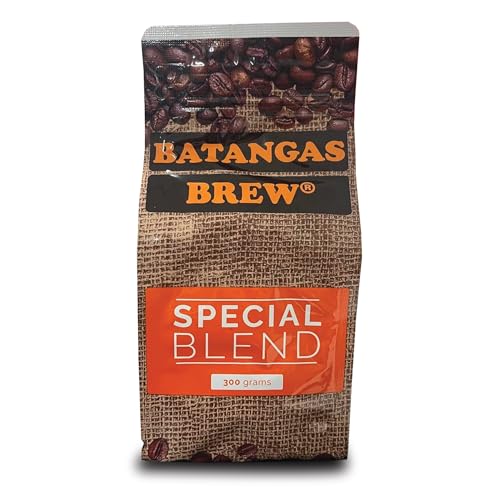
If you’re after a strong, aromatic coffee with deep Filipino roots, Batangas Brew Kapeng Barako Coffee 300g is the best choice for those who value authenticity and bold flavor. I use 100% Liberica beans grown in Batangas-rare and prized for their intense aroma and full body. The dark roast boosts richness, delivering a powerful, naturally caffeinated brew perfect for mornings. There are no additives-just pure, freshly roasted and ground coffee. The resealable foil bag keeps it fresh. I work well with espresso, drip, and French press setups. Compared to Arabica, Barako is bolder and more robust, ideal if you prefer strong coffee. It supports local farmers, too.
Best For: Coffee lovers who prefer bold, full-bodied brews with authentic Filipino heritage and support for local farmers.
Pros:
- Made from 100% Liberica beans grown in Batangas, offering a rare and distinctively aromatic flavor
- Dark roasted for intense richness and strong caffeine kick, ideal for energizing mornings
- Supports local Batangas farmers and preserves the cultural tradition of Kapeng Barako
Cons:
- Strong, robust flavor may be overpowering for those accustomed to milder coffees like Arabica
- Liberica beans are less commonly known, limiting familiarity for some consumers
- Ground format may result in faster flavor degradation compared to whole bean options
Factors to Consider When Choosing Coffee in the Philippines
You’ll want to think about where the beans are from, since origin affects flavor-Barako from Batangas, for example, has a bold, distinct taste compared to milder Sagada beans. Think about roast level, too, because lighter roasts keep more of the bean’s natural character while dark roasts bring out deeper, smokier notes. Your brewing method and caffeine needs also matter-strong espresso blends work best with pressurized machines, while drip or pour-over suits lighter roasts and lets you control strength.
Bean Origin Importance
While flavor can depend on roast and brewing method, the origin of coffee beans plays a foundational role in shaping the final taste, especially in the Philippines where diverse growing conditions create distinct regional profiles. You’ll notice beans from tropical highlands often have brighter acidity and fruity notes thanks to cooler temps and elevation. Lowland beans tend to be milder but less complex. Volcanic soil in regions like Batangas or Benguet enriches beans with minerals, giving your cup a fuller body and deeper aroma. If you want to taste the true character of a region, go for single-origin beans-they’re traceable and highlight specific farm conditions. Heirloom types like Liberica and Excelsa thrive in certain areas, where traditional farming preserves their uniqueness. Choosing by origin lets you skip guesswork and pick flavors you can count on, bean after bean.
Roast Level Impact
When choosing coffee in the Philippines, the roast level directly shapes the flavor, body, and overall experience of your brew. Dark roasts bring bold, intense flavors with more bitterness and body, reducing acidity-ideal if you prefer strong, traditional profiles like those in classic *kapeng barako* blends. The Maillard reaction during roasting adds smoky, caramelized notes, favored in many local preparations. Medium roasts offer a balance, preserving some original bean traits while keeping sweetness and moderate acidity. If you want brighter, fruitier notes with a more aromatic cup, go for light roasts-they retain more chlorogenic acids and subtle complexities. Caffeine differences are minor, though dark roasts lose a bit from longer heat exposure. Match the roast to your taste and brewing method: dark for stovetop pots or espresso, light to medium for pour-over or drip. Pick based on how bold or nuanced you want your coffee to be.
Flavor Profile Preference
Since flavor is shaped by both bean type and roast level, knowing what you prefer helps narrow down the best choice for your taste. If you like bold, rich coffee with a complex aroma, try Liberica-it’s less bitter than Arabica or Robusta and delivers a full-bodied punch locals love. For something different, Excelsa offers a lighter body with bright, tart notes like tamarind or lychee, perfect if you enjoy fruity, tropical hints. Roast matters: medium roasts keep the bean’s original traits, balancing sweetness and acidity, especially in rare varieties. Go dark if you want intense aroma and robust flavor-ideal for traditional, strong coffee. You’ll get more bitterness, but also depth. Pick based on whether you value complexity, brightness, or boldness. Match the bean and roast to your preferred profile, and you’ll find your ideal cup faster.
Caffeine Content Awareness
If you’re sensitive to caffeine or prefer a gentler pick-me-up, it’s worth paying attention to which beans you choose-some varieties naturally pack far less punch. Opt for Excelsa beans, widely grown in the Philippines; they contain about half the caffeine of Arabica or Robusta but still deliver bold, complex flavors. Dark roasts slightly reduce caffeine compared to lighter roasts of the same bean, so going darker helps if you want milder stimulation. Processing methods matter, too-certain techniques preserve more caffeine, while others reduce it slightly. Always check the species label: mixing Robusta (high caffeine) with low-caffeine types like Excelsa can balance strength and smoothness. Knowing these factors lets you control your intake without sacrificing taste. For daytime drinking or evening cups, choose lower-caffeine beans and darker roasts to avoid jitters or sleep disruption.
Brewing Method Suitability
You’ve considered caffeine levels, now turn your focus to how brewing method shapes your cup. If you like bright, complex flavors, use a drip or pour-over with medium to light roasts and a medium grind-this combo pulls out subtle notes without overdoing bitterness. For a bolder, richer cup, go French press: use coarse grounds to avoid sludge and highlight deep, full-bodied profiles. Espresso lovers need fine grounds and a machine that delivers high pressure, giving you that concentrated shot with creamy crema. Want something smooth and low in acidity? Cold brew’s your pick-steep coarse grounds in cold water for 12–24 hours. And if you’re brewing traditional kapeng barako, stick to moderately coarse dark-roast grounds, especially with cloth strainers, to balance its powerful kick and natural bitterness. Choose right, and your brew will always hit the mark.
Frequently Asked Questions
What Is the History Behind Kapeng Barako?
You trace kapeng barako’s roots to the 1800s in Batangas, where Spanish colonists introduced coffee. Filipino farmers cultivated Liberica beans, which thrived in local soil. Barako, named after the Spanish word for “gentleman,” grew popular for its bold, woody flavor and strong caffeine kick. Unlike Arabica or Robusta, it’s more bitter and aromatic. Farmers still grow it in Cavite and Laguna, though disease and lower yields challenge production today.
Why Is Barako Coffee Associated With Batangas?
You associate barako coffee with Batangas because that’s where it’s primarily grown, and the region’s climate and soil boost its bold flavor. Farmers there cultivate the Liberica beans traditional to barako, which thrive in lower elevations. While other areas grow it, Batangas remains the heartland. If you’re roasting or brewing, expect strong, woody notes-use a French press to highlight depth, but avoid over-extraction.
Are Philippine Coffee Beans Suitable for Espresso?
Yes, Philippine coffee beans can work for espresso, especially Liberica and Excelsa grown in high-altitude regions like Sagada or Benguet. You’ll need a medium to dark roast to bring out the bold, syrupy body and low acidity. Expect notes of chocolate, nuts, or earth-ideal if you like rich shots. Use a quality grinder and machine, and adjust your dose and tamping for best results. Arabica from Kape Kaburen also pulls well but is less common.
How Does Excelsa Coffee Differ From Arabica?
You’ll find excelsa has a more tart, fruity taste compared to arabica’s smooth, balanced profile. It’s often roasted darker and used in blends for complexity. Arabica, meanwhile, is naturally sweeter with higher acidity-ideal for filter or espresso. Excelsa beans are harder to source and roast evenly, but they add depth. For daily drinking, arabica’s more predictable; for bold flavor experiments, excelsa’s worth trying.
Is Kopiko Coffee Made From Local Beans?
No, Kopiko coffee isn’t made entirely from local beans-most variants use a blend that includes imported robusta and sometimes arabica. You’ll find it’s formulated for consistent flavor and convenience, especially in ready-to-drink formats. If you’re after locally sourced beans, you’d do better grinding fresh Arabica or Excelsa from Batangas or Sagada. Kopiko’s strength lies in accessibility and shelf stability, not bean origin.