Best Counter Culture Coffee Brews That Wake Up Your Taste Buds
You get the brightest wake-up call from Counter Culture’s Apollo Pack-light-roasted Ethiopian beans deliver zesty citrus and floral notes that pop in pour-over or drip brews. Whole bean keeps flavor locked in, so grind just before brewing. For bigger batches, try the Big Trouble 5LB bag, but store it in an airtight container. These light roasts shine when brewed with fresh, filtered water and a consistent medium grind. There’s more to match your method and taste.
We are supported by our audience. When you purchase through links on our site, we may earn an affiliate commission, at no extra cost for you. Learn more. Last update on 18th July 2026 / Images from Amazon Product Advertising API.
Notable Insights
- Apollo Pack’s light roast highlights bright citrus and floral notes from Ethiopian beans for a vibrant, refreshing cup.
- Double Pack’s whole beans ensure maximum freshness when ground before brewing for bold flavor clarity.
- Big Trouble’s 5LB bulk bag offers consistent, sustainable coffee ideal for high-volume brewing with rich aroma.
- Seasonal single-origin beans are slow-roasted to enhance natural sweetness and complex taste profiles.
- Whole bean format preserves freshness, unlocking lively flavors when brewed via pour-over or French press.
Counter Culture Coffee Organic Whole Bean (Apollo Pack)

If you’re after a light roast that lets the natural character of Ethiopian beans shine, the Counter Culture Coffee Organic Whole Bean (Apollo Pack) is a solid choice. I use it because it’s 100% organic Arabica, sustainably sourced, and changes slightly with the season while keeping consistent quality. You’ll taste citrus and florals-no artificial flavors here. Since it’s a whole bean, I grind it fresh before brewing, which matters for flavor and aroma. Counter Culture pays farmers fairly and traces every batch, which supports ethical growing. It’s certified organic and kosher, too. If you want transparency and quality in your cup, this is one practical pick.
Best For: Coffee lovers seeking a transparently sourced, organic light roast that highlights the bright, floral, and citrus notes of sustainably grown Ethiopian Arabica beans.
Pros:
- 100% organic, certified kosher, and sustainably sourced with a focus on ethical farming and fair pay for producers
- Light roast preserves the beans’ natural citrus and floral flavor notes without artificial additives
- Whole bean format ensures maximum freshness when ground before brewing, with seasonal updates maintaining quality and traceability
Cons:
- Whole beans require a grinder, which may be inconvenient for those without brewing equipment
- Light roast profile may not appeal to those who prefer bold, dark roast flavors
- Seasonal variations, while maintaining quality, could result in slight flavor inconsistencies between batches
Counter Culture Coffee Organic Whole Bean (Double Pack)
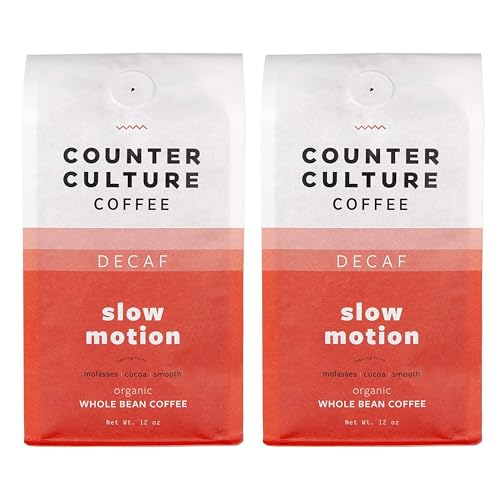
I choose Counter Culture Coffee’s Organic Whole Bean (Double Pack) when I want full control over grind size and maximum freshness, since the beans stay sealed until I’m ready to brew. I grind them just before brewing, which locks in flavor and aroma. This double pack of Slow Motion beans is certified Organic and Kosher, so it meets strict quality and dietary standards. Whole bean form guarantees peak freshness-unlike pre-ground, it doesn’t lose potency early. I recommend buying whole beans and grinding them per cup, especially if you use a pour-over or French press. It’s ideal for those who prioritize flavor precision and ethical sourcing.
Best For: Coffee enthusiasts who prioritize freshness, flavor control, and ethical sourcing with the commitment to grinding beans just before brewing.
Pros:
- Certified Organic and Kosher, meeting high standards for quality and dietary compliance
- Whole bean form preserves freshness and maximizes flavor when ground just before brewing
- Ideal for manual brewing methods like pour-over and French press, offering precision in grind size
Cons:
- Requires a grinder, adding extra equipment and effort compared to pre-ground coffee
- Higher cost per ounce compared to conventional or pre-ground options
- Not ideal for those seeking convenience or quick brew preparation
Counter Culture Coffee 5LB Bag (Big Trouble)

You’ll get the most out of Counter Culture Coffee’s 5LB Bag (Big Trouble) if you’re someone who values consistency and sustainability in your daily brew, especially when you’re serving coffee regularly-whether at home for a large household or in a small office setting. I rely on this bulk option because it supports my need for steady supply without sacrificing ethics. Their transparent supply chain means I know the beans are sourced responsibly, and their commitment to environmental and social sustainability aligns with how I want to consume. The 5-pound size cuts down packaging waste and lowers the per-ounce cost, but you’ll need proper storage-like an airtight container away from light-to keep the coffee fresh. Since this isn’t pre-ground, I use a burr grinder daily to maintain flavor quality. Big Trouble works best if you go through coffee quickly; otherwise, split the bag into smaller portions to freeze and preserve taste. It’s practical, mission-driven coffee that performs reliably in drip machines, French presses, and batch brewers-ideal for shared spaces where performance and values matter.
Best For: Coffee drinkers who prioritize ethical sourcing and sustainability and need a consistent, large-volume supply for home or office use.
Pros:
- Supports environmental and social sustainability through transparent, responsible sourcing
- Cost-effective and reduces packaging waste with a 5-pound bulk format
- Versatile for use in drip machines, French presses, and batch brewers with fresh grinding
Cons:
- Requires proper storage and airtight containers to maintain freshness
- Best suited for high coffee consumption; flavor may degrade if not used quickly
- Requires a burr grinder for optimal results, adding to equipment needs
Stumptown Holler Mountain Organic Coffee 12 oz

Stumptown Holler Mountain Organic Coffee 12 oz stands out for those who want a consistently balanced cup without sacrificing ethical sourcing or roast quality. I’ve brewed it multiple ways, and it delivers bright citrus and berry notes with a smooth base of caramel, hazelnut, and chocolate. The blend of Latin American and East African beans gives it complexity without being overwhelming. It works just as well for espresso as it does for pour over or cold brew. I recommend adjusting grind size and water quality to fine-tune the flavor. It’s Direct Trade, organic, and B Corp certified-so you’re getting quality and ethics in one bag.
Best For: Coffee lovers seeking a versatile, ethically sourced medium roast with balanced brightness and richness across multiple brewing methods.
Pros:
- Bright citrus and berry notes balanced with creamy caramel, hazelnut, and chocolate undertones for a complex yet smooth flavor
- Suitable for espresso, pour over, drip, and cold brew, offering excellent brewing versatility
- Certified organic, Direct Trade sourced, and B Corp certified, reflecting strong ethical and sustainability standards
Cons:
- Whole bean only, requiring a grinder for optimal freshness, which may be inconvenient for some users
- Flavor nuances may be lost with low-quality water or improper brewing variables
- Higher price point compared to conventional grocery-store coffee brands
Blue Bottle Organic Medium Roast Coffee 12oz

Blue Bottle Organic Medium Roast Coffee in the 12oz whole bean format delivers a clean, balanced cup best suited for coffee drinkers who value freshness, origin transparency, and a smooth flavor profile without bitterness. I grind these beans fresh each morning for a bright, nuanced brew with notes of caramel, lemon zest, and cocoa. Sourced from organic, traceable farms in East Africa, they’re roasted in small batches, so the flavor stays consistent and fresh. I find it works just as well black as it does with a splash of cream. It’s a reliable mid-morning pick-me-up, and if you like adaptable coffee, this balanced roast pairs well with a range of brewing methods.
Best For: Coffee lovers who prioritize freshness, organic certification, and a smooth, balanced flavor with subtle bright notes.
Pros:
- Made from certified organic, traceable beans sourced from high-quality producers in East Africa
- Small-batch roasted for peak freshness and consistent flavor with tasting notes of caramel, lemon zest, and cocoa
- Versatile medium roast that performs well across brewing methods and tastes great black or with cream
Cons:
- Higher price point compared to conventional coffee brands
- Flavor profile may be too mild for those who prefer bold or dark roasts
- Availability limited to certain retailers or online ordering
Stumptown Hair Bender Medium Roast Coffee
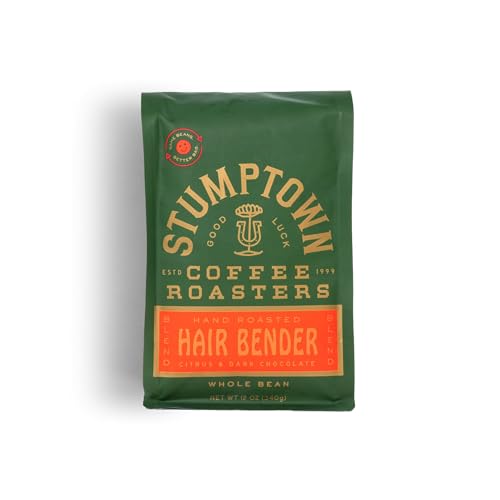
For coffee lovers who want a versatile, high-quality blend that delivers consistent flavor across multiple brewing methods-from espresso to pour over-Stumptown’s Hair Bender Medium Roast stands out as a top pick. I’ve found it balances sweet citrus, dark chocolate, caramel, and raisin notes smoothly, thanks to beans from Central and South America, East Africa, and Indonesia. It’s Direct Trade certified, meaning Stumptown pays fairly and builds lasting grower relationships. The blend’s been refined for nearly 20 years, and I appreciate how they cup and test it daily to keep flavors consistent. It works well with most grinders and brewers, but I get the best results using fresh, filtered water and a medium-fine grind for pour over or espresso.
Best For: Coffee enthusiasts seeking a balanced, complex medium roast that performs exceptionally well across various brewing methods, from espresso to pour over.
Pros:
- Rich, layered flavor profile with notes of sweet citrus, dark chocolate, caramel, and raisin
- Sourced through Direct Trade certification, ensuring fair prices and sustainable grower relationships
- Consistently roasted and rigorously tested through daily cupping for balanced, reliable quality
Cons:
- Premium price point due to ethical sourcing and Direct Trade standards
- Whole bean only, which may be inconvenient for those without a grinder
- Flavor nuances may be lost with suboptimal brewing water or equipment
Blue Bottle Organic Light Roast Coffee

If you’re searching for a light roast that delivers a clean, vibrant cup without overwhelming acidity, Blue Bottle’s Organic Light Roast stands out as a strong pick. I’ve found its notes of blueberries, lemon zest, and golden raisins add brightness without sharpness, making it ideal around mid-morning. Sourced from East Africa, these naturally processed, organic beans are traceable and certified, which matters if you value sustainability. Roasted in small batches, they guarantee freshness and quality you can taste. This is premium specialty coffee, not flashy-just honest flavor. It’s part of a larger lineup, but if you lean toward bright, uplifting profiles, this one’s worth rotating in regularly.
Best For: Coffee lovers who seek a bright, clean, and uplifting light roast with fruity flavor notes and a commitment to organic, sustainable sourcing.
Pros:
- Vibrant flavor profile with distinct notes of blueberries, lemon zest, and golden raisins
- Sustainably and traceably sourced from organic farms in East Africa
- Roasted in small batches to ensure peak freshness and premium quality
Cons:
- Limited to whole beans, which may not suit all brewing preferences
- Light roast may lack depth for those preferring bolder, richer flavors
- Single-origin profile might be less consistent across batches compared to blended coffees
GROUNDWORK Ethiopia Heirloom Organic Coffee 12oz

This one’s for the clean-conscious drinker who wants certified organic quality without sacrificing flavor depth or ethical sourcing-GROUNDWORK Ethiopia Heirloom fits the bill. I choose this 12oz light roast because it’s 100% Certified Organic, Kosher, and Non-GMO, with daily batch roasting to guarantee consistency. It’s single-origin from Ethiopia, the birthplace of coffee, sourced through Direct Trade for fair farmer pay. The mix of washed and natural processing gives it balanced notes of citrus, dark fruit, and milk chocolate. If you want clarity and sweetness in your cup with minimal environmental impact-this bean delivers. GROUNDWORK also has one of the smallest carbon footprints in coffee, so your brew supports both flavor and the planet.
Best For: Clean-conscious coffee drinkers seeking certified organic, ethically sourced, and flavorful single-origin light roast with minimal environmental impact.
Pros:
- 100% Certified Organic, Kosher, and Non-GMO with daily batch roasting for consistent quality
- Single-origin Ethiopian beans sourced through Direct Trade, ensuring fair wages and ethical practices
- Balanced, complex flavor profile with citrus, dark fruit, and milk chocolate notes due to mixed processing methods
Cons:
- Light roast may lack the boldness preferred by dark roast enthusiasts
- Single-origin profile may offer less versatility for milk-based coffee drinks
- Limited availability outside of specialty coffee retailers or direct online ordering
Verve Coffee Sermon Blend 12oz

Verve Coffee Roasters’ Sermon Blend stands out for those who want a consistently balanced medium roast with vibrant flavor notes that shine across multiple brewing methods. You’ll taste blueberry pie, cocoa, and candied pecan-flavors that hold up whether you’re pulling an espresso shot or making cold brew. I’ve used it in French press and batch brew with strong results. Roasted daily in Santa Cruz, it comes in a 12oz resealable bag with roast and best-by dates-drink it within 122 days for peak freshness. Sourced through direct trade, it supports sustainable farms and fair wages. Store it in a cool, dark place; the packaging keeps it fresh but not forever.
Best For: Coffee lovers seeking a versatile, medium-roast blend with distinct fruit and dessert-like notes that performs well across various brewing methods.
Pros:
- Distinctive flavor profile featuring blueberry pie, cocoa, and candied pecan that remains consistent across hot and cold brews
- Roasted daily with freshness guaranteed for 122 days, backed by clear roast and best-by dates on packaging
- Ethically sourced through direct trade, supporting sustainable farming and fair wages
Cons:
- Limited availability outside of specialty coffee markets or online ordering
- Whole bean format requires grinding equipment, less convenient for drip-only users
- Flavor complexity may diminish noticeably after the 122-day peak window, requiring careful storage
Kicking Horse Coffee, Three Sisters, Medium Roast, Whole Bean, 10 oz

Kicking Horse Coffee’s Three Sisters Medium Roast is the go-to pick for those who want a balanced, flavorful brew without artificial additives or environmental guilt. I prefer it because it’s 100% organic Arabica, shade-grown, and sustainably sourced from high elevations. You’ll taste stone fruit and cocoa, with a nose of dried fruit, toasted coconut, and chocolate malt. It’s roasted in the Canadian Rockies with no fillers-just pure coffee. Use a medium-fine grind for French Press or pour over. The 10 oz whole bean bag keeps freshness locked in. Named after Alberta’s Three Sisters peaks, it delivers strength and balance in every cup-no gimmicks, just quality you can taste.
Best For: Coffee lovers who value organic, sustainably sourced beans with a balanced, complex flavor and a preference for medium roast with notes of stone fruit and cocoa.
Pros:
- Made from 100% organic, shade-grown Arabica beans sustainably sourced from high elevations
- Rich, well-rounded taste with layered notes of stone fruit, cocoa, and toasted coconut-no artificial additives
- Versatile brew recommendation for French Press, pour over, drip, and cold brew methods
Cons:
- Limited 10 oz packaging may require frequent repurchasing for heavy coffee drinkers
- Whole bean format necessitates a grinder for certain brewing methods
- Flavor profile may be too nuanced for those preferring bold, dark roast intensity
Factors to Consider When Choosing Counter Culture Coffee
You’ll want to think about where your coffee comes from and how it’s sourced, since origin affects flavor and ethical practices. Roast depth and flavor balance play a big role in your cup-lighter roasts often highlight bright, fruity notes while darker ones bring out chocolate or nutty tones. Don’t overlook certifications like organic or sustainability labels, as they reflect farming methods and environmental impact that might matter to you.
Origin And Sourcing
While coffee origin plays a key role in shaping flavor, how and where beans are sourced matters just as much for quality and sustainability. You’ll notice brighter, citrusy notes in beans from high-elevation farms in East Africa, where ideal conditions boost complexity. When you choose shade-grown or high-elevation beans, you’re getting denser, more flavorful seeds. Look for organic certification-it guarantees no synthetic pesticides were used. But beyond farming, sourcing methods make a real difference. Opt for brands using direct trade or traceable supply chains; they pay farmers fairly based on quality, not just weight. That support builds long-term producer relationships and improves bean consistency. Knowing exactly where your coffee comes from isn’t just marketing-it means better taste in your cup and stronger communities where it’s grown. Prioritize transparency, and you invest in both flavor and ethics.
Roast Profile Depth
Choosing beans with transparent sourcing sets the foundation for quality, but the roast profile determines how those flavors actually taste in your cup. You’ll want to match the roast to your taste and brew method. Light roasts preserve bright, delicate notes like citrus and flowers, thanks to shorter, cooler roasting. They work well in pour-over or Chemex, where clarity matters. Medium roasts balance acidity and body, bringing out caramel, nuts, or chocolate while keeping some origin character-ideal for drip coffee or flat whites. Dark roasts mute origin traits, highlighting bold, smoky, bittersweet flavors; they suit espresso or milk drinks. The roast rate and timing-like when first crack hits-shape flavor development. While light roasts keep slightly more caffeine, the difference is negligible. Pick based on flavor preference and brewing style, not caffeine myths.
Flavor Notes Balance
When seeking a well-balanced cup, focus on how flavor notes interact rather than stand alone-coffee with harmony blends bright, citrusy tones with deeper chocolate or caramel notes so none overpowers the rest. You’ll find that light roasts highlight acidic or fruity flavors, but balance only comes when those are offset by malty or caramelized depth. A smooth body, mild sweetness, clean acidity, and clean aftertaste should all support each other. Over-roasted beans bring bitterness that ruins balance, while under-roasted ones taste sour and sharp. Counter Culture’s Direct Trade beans, like their Big Trouble or Hologram blends, are developed to preserve natural flavors without going too far. When brewing, use a consistent grind, water just under boiling, and control contact time-too fast and it’s weak; too slow and it’s harsh. Your gear matters, but technique seals the deal.
Sustainability Practices
Because you care about where your coffee comes from, it’s worth looking into how Counter Culture guarantees sustainability at every step. They maintain transparent supply chains, so you always know which farm your beans came from and how they were grown. By paying farmers premium prices based on quality, they support fair incomes and encourage responsible farming. Long-term relationships with producers guarantee stability and trust. Their operations focus on environmental stewardship, using resource-efficient methods to reduce waste and lower ecological impact. While they meet strict standards like organic and kosher, their commitment goes beyond certifications-they build business models that balance profit with social and environmental good. When you choose Counter Culture, you’re supporting a system that values people, planet, and quality equally-without sacrificing one for the other. It’s practical ethics built into every bag.
Organic Certification Value
Organic certification plays a clear role in how your coffee impacts the environment and farming communities. When you choose certified organic coffee, you’re supporting farms that avoid synthetic pesticides and fertilizers, relying instead on natural methods that protect soil health and biodiversity. These farms follow strict standards verified by third parties, ensuring compliance with national or international organic regulations. You’re also backing practices that reduce pollution and conserve water and energy during cultivation. Organic farming bans genetically modified organisms, adding another layer of environmental protection. While organic doesn’t automatically mean fair trade, it often overlaps with broader sustainability efforts. Look for the USDA Organic or EU Organic label to confirm authenticity. Choosing organic isn’t just about purity-it’s a direct vote for farming that works with nature, not against it, making your daily brew part of a more responsible system.
Whole Bean Freshness
If you want to get the most flavor out of your Counter Culture coffee, buying whole bean and grinding just before brewing makes a clear difference. Whole beans stay fresh longer because they have less surface area exposed to oxygen, light, and moisture than pre-ground coffee. Once ground, coffee loses aromatic intensity fast-up to 80% in just 15 minutes-due to rapid oxidation. By keeping beans whole until brew time, you preserve essential oils and volatile compounds that boost flavor and aroma. Ground coffee also loses moisture quicker, dulling richness and complexity. For best results, store whole beans in an airtight container away from heat and light. Use them within a few weeks of the roast date. A burr grinder helps maintain consistency. Pre-ground might be convenient, but it sacrifices freshness and depth you can actually taste.
Brewing Method Match
When choosing a brewing method for your Counter Culture coffee, matching the roast profile to the brew style makes a noticeable difference in flavor and balance. Light roasts shine in pour over or drip brewers, where their bright, acidic notes come through cleanly. You’ll taste the full range of flavors without bitterness. Medium roasts are more flexible-great for espresso, French press, or batch brewing-giving you balanced sweetness, body, and acidity. Always grind whole beans just before brewing; they stay fresh longer and deliver better flavor than pre-ground. Use a fine grind for espresso or AeroPress to extract bold, rich shots quickly. Switch to a coarse grind for French press or cold brew to avoid over-extracting bitter compounds. Water temperature and brew time matter too-hotter water pulls flavor faster, but too long a contact time can spoil clarity, especially with light roasts. Match all these elements, and you’ll get the best from every cup.
Pack Size Options
You’ve got several pack sizes to choose from, each designed to fit different brewing habits and storage setups. Single 12-ounce bags work well for solo drinkers or light users, keeping coffee fresh for a few weeks after opening. If you brew daily or share with others, go for a two-bag multi-pack-this lets you rotate stock and preserve flavor longer. For heavy use in busy homes or offices, the 5-pound bag cuts down on waste and resupplying. Just note: big bags only make sense if you go through coffee fast, or else freshness drops. All Counter Culture coffee comes whole bean, so you’ll need to grind it just before brewing-no pre-ground here. That guarantees peak taste, but means owning a grinder is a must. Smaller packs help you experiment with different beans without overcommitting. Match the size to your usage, store it airtight, and you’re set.
Frequently Asked Questions
Is Counter Culture Coffee Fair Trade Certified?
Yes, Counter Culture Coffee is fair trade certified, but they go beyond standard certification by prioritizing direct relationships with farmers. You get transparency and ethical sourcing either way. They pay above fair trade prices when possible, focusing on sustainability and quality. If you value traceability and farm partnerships as much as certification labels, their model works well. You’ll find detailed origin info on every bag, so you know exactly where your coffee comes from and how it was sourced.
Does Blue Bottle Offer Decaf Options?
Yes, Blue Bottle offers decaf options, and you can find them clearly labeled on their website. They use the Swiss Water Process for decaffeination, which removes caffeine without chemicals. If you’re sensitive to caffeine but still want flavor, these decaf coffees maintain brightness and complexity. They’re ground for common brew methods or sold whole bean. Just check roast dates and brewing recommendations to get the best results at home.
Where Is Stumptown Coffee Roasted?
You’ll find Stumptown Coffee Roasted in Portland, Oregon, where it started. They roast beans there for distribution across the U.S., focusing on consistency and quality. Their Direct Trade model means you get traceable, often single-origin beans. If you’re comparing roasters, Stumptown’s bold, rich profiles stand out-especially in cold brew or espresso. Just know their dark roasts may overshadow subtle flavors you’d catch in lighter options from smaller roasters.
Is Kicking Horse Coffee Suitable for Espresso?
Yeah, Kicking Horse coffee works well for espresso if you pick the right roast. Their Dark Horse blend is bold and full-bodied, with enough richness and crema-friendly oils to shine in a standard machine. It’s pre-ground coarse sometimes, so you’ll want to grind fresh and adjust the dose. Just know it’s quite strong-less nuance, more punch. If you like intense, straightforward shots without sour or floral notes, it’s a solid, affordable call. Try it before springing for pricier specialty espressos.
Are Verve Coffee Beans Single-Origin?
Yes, Verve offers single-origin beans, and you’ll find them labeled clearly by region and farm. You’re getting beans from specific areas like Ethiopia or Colombia, which lets you taste distinct flavor profiles. If you want variety, they also blend, but their single-origins highlight terroir. Choose those if you prefer clarity and brightness. They roast to enhance natural traits, so brew these with care using methods like pour-over or AeroPress.