Best Aeropress Filters for a Cleaner, Richer Brew
You get a cleaner cup with paper filters and a richer body with metal ones, so your choice depends on what you value. White or unbleached paper filters like the AeroPress 700-count or Laicky 800-pack trap oils and grit, giving bright, smooth results. For a fuller, oil-rich brew, try the AeroPress stainless steel reusable filter-it’s durable and eco-friendly over time. Each option has trade-offs in clarity, cleanup, and environmental impact. Your next steps depend on your taste and routine.
We are supported by our audience. When you purchase through links on our site, we may earn an affiliate commission, at no extra cost for you. Learn more. Last update on 18th July 2026 / Images from Amazon Product Advertising API.
Notable Insights
- Paper filters deliver a cleaner cup by trapping sediment and oils, enhancing clarity and brightness in light to medium roasts.
- Unbleached paper filters avoid chemical residues, preserving flavor purity while remaining compostable and environmentally friendly.
- Reusable metal filters produce a richer, fuller-bodied brew by allowing natural oils to pass through into the coffee.
- For AeroPress XL users, compostable filters are essential-standard filters won’t fit and cause leaks or bypass.
- Metal filters reduce waste and last hundreds of brews but may let fine sediment pass, slightly muddying the cup.
AeroPress White Paper Micro-Filters (700-Count)

If you want clean, grit-free coffee with bright, nuanced flavors, AeroPress White Paper Micro-Filters are your best bet-especially if you use light or medium roasts. I use them because they trap every bit of sediment and remove bitter oils, giving me a smoother cup. They’re made from chlorine-free, compostable paper, so they’re easy on the environment. These filters fit all AeroPress models, including Go and Premium, and the tight weave guarantees even brewing without clogging. Compared to metal filters, they reduce grit and oil better. Each pack of two holds 700 total filters-350 per pack-so I won’t run out anytime soon.
Best For: Coffee lovers who prefer a clean, sediment-free cup with bright, nuanced flavors-especially those using light or medium roasts.
Pros:
- Effectively traps all coffee grounds and removes bitter oils for a smoother, cleaner brew
- Made from chlorine-free, biodegradable, and compostable paper for eco-friendly disposal
- Compatible with all AeroPress models and enhances flavor clarity across multiple brewing methods
Cons:
- Disposable design means ongoing cost and environmental impact over time despite compostability
- May require pre-wetting to prevent paper taste, adding a small step to the brewing process
- Less durable than reusable metal filters, requiring a new filter for each brew
AeroPress White Paper Micro-Filters 350 Count

I rely on the AeroPress White Paper Micro-Filters 350 Count whenever I want a clean, grit-free cup without the oily residue that metal filters leave behind. These chlorine-free, compostable paper filters fit all AeroPress models perfectly, ensuring even pressure and no bypass. Their ultra-fine weave traps silt and bitter oils, giving me brighter, smoother coffee-especially with light roasts. Unlike French press or metal filters, they eliminate grit and reduce bitterness. Each pack holds 350 filters, ideal for moderate use. They’re lightweight, cheap per use, and easy to dispose of. For consistent, clean brews, I find these worth stocking up on.
Best For: Coffee lovers seeking a clean, smooth brew with minimal bitterness and no sediment, especially those using any AeroPress model.
Pros:
- Compostable, chlorine-free paper filters deliver a clean, bright cup without papery or chemical taste
- Micro-fine filtration removes coffee fines and bitter oils, enhancing flavor clarity in light and medium roasts
- Precise fit for all AeroPress models ensures no bypass and consistent extraction
Cons:
- Paper filters require ongoing replacement and add recurring cost versus reusable metal filters
- Environmental impact from single-use disposal, despite compostability
- Slight paper taste possible if not rinsed properly before brewing
Laicky 800 Count Coffee Filter Packs
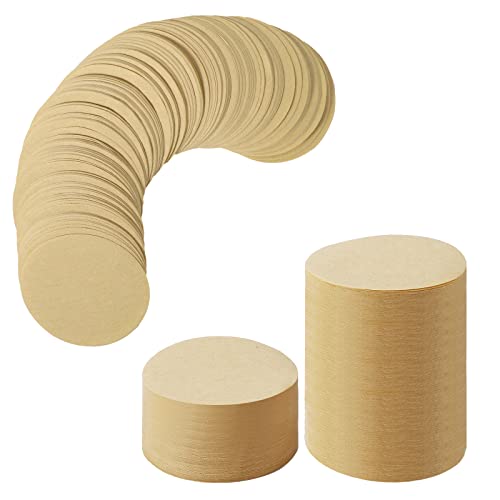
Laicky’s 800 Count Unbleached Coffee Filter Paper is a solid choice for daily Aeropress users who want consistent performance without the hassle of cleaning metal filters. These unbleached #4 round filters fit Aerobie Aeropress and most standard makers. Made without bleach or chemicals, they won’t add off-flavors and are safer for you and the environment. They remove oils and sediment effectively, giving you a clean cup that still preserves the coffee’s natural balance of sweetness, acidity, and bitterness. Each pack gives you 800 filters-enough for months of brewing at home or in the office. They’re disposable, so cleanup is fast, and the strong paper rarely tears during use.
Best For: Daily Aeropress and standard coffee maker users seeking a convenient, eco-friendly, and flavorful brewing experience without the need for filter cleaning.
Pros:
- Made from unbleached, non-chemically treated paper for a clean taste and environmental safety
- Effectively removes oils, bitterness, and sediment while preserving coffee’s natural flavor balance
- 800-count pack offers long-term supply and hassle-free disposal with durable, tear-resistant material
Cons:
- Limited to #4 size, primarily suited for Aeropress and compatible coffee makers
- Paper filters contribute to waste compared to reusable metal alternatives
- May require more frequent purchasing for heavy daily users despite high count
500-Count Unbleached Coffee Filters for Aeropress
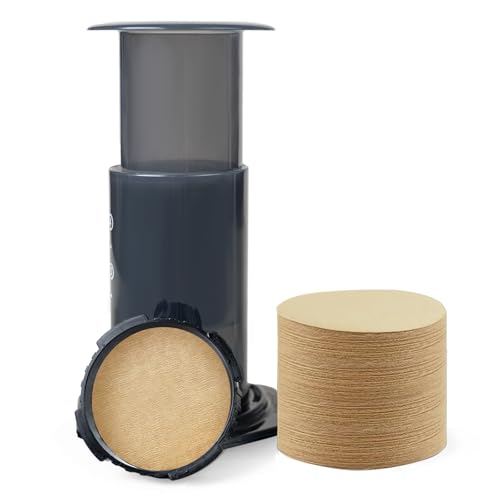
The 500-count pack of unbleached coffee filters from Bake Choice is ideal for frequent AeroPress users who prioritize sustainability and flavor clarity. I use them with my AeroPress Go, and they fit perfectly-no tearing or misalignment. Made from unbleached Canadian pulp, they’re FSC-certified, compostable, and free of chemicals, which means less environmental impact and no paper taste. They filter out grit and excess oils without dulling the coffee’s brightness, balancing sweetness and acidity well. Each filter is single-use, so cleanup takes seconds. At 500 filters per pack, I won’t need to reorder for months. These work with Original, Go, and Clear models-but not AeroPress XL.
Best For: Eco-conscious AeroPress users seeking a high-quality, compostable filter that enhances flavor clarity and reduces environmental impact.
Pros:
- Perfect fit for AeroPress Original, Go, and Clear models with no tearing or misalignment
- Made from unbleached, FSC-certified, chemical-free Canadian pulp for sustainable and clean brewing
- Effectively filters oils and sediments while preserving coffee’s natural acidity, sweetness, and brightness
Cons:
- Not compatible with AeroPress XL, limiting use for owners of the newer model
- Single-use design, which may concern those trying to minimize waste despite compostability
- Slight variation in filter thickness could affect brew time for precision-focused users
500-Count Aeropress Paper Filters

If you brew coffee daily or travel often with your AeroPress, a 500-count pack of paper filters gives you a reliable, long-lasting supply without constant restocking. These 2.5-inch round filters fit the Original, Go, and Clear models but not the AeroPress XL. Made from FSC-certified, unbleached Canadian pulp, they’re compostable and free of chemicals. They remove oils and sediments that cause bitterness, delivering a clean, balanced cup. Each pack weighs just 3.17 ounces, so it’s easy to toss in a bag. I use them for travel, at home, or work-one filter per brew, then just toss it. No mess, no hassle.
Best For: Daily coffee drinkers, frequent travelers, and eco-conscious AeroPress users with Original, Go, or Clear models seeking a long-lasting, compostable filter solution.
Pros:
- Compatible with AeroPress Original, Go, and Clear models for versatile, reliable use
- Made from FSC-certified, unbleached, compostable Canadian pulp-eco-friendly and chemical-free
- Delivers clean, balanced coffee by filtering out oils and sediments that cause bitterness
Cons:
- Not compatible with the AeroPress XL, limiting use for owners of that model
- Paper filters require ongoing replacement, increasing long-term costs
- Single-use design may generate waste for users aiming to minimize disposables
AeroPress Stainless Steel Reusable Filter (1-Pack)

I often recommend the AeroPress Stainless Steel Reusable Filter (1-Pack) to coffee lovers who want a richer, oil-forward cup without relying on paper filters. Made of durable stainless steel, it fits standard AeroPress models and lets oils through for a fuller-bodied brew. It’s easy to use-just load, brew, and press-no pre-soaking needed. Rinse or toss it in the dishwasher after. It keeps sediment out while delivering consistent, clean results across most coffee types. Unlike paper, it reduces waste and lasts for years. Just know it may let in a few fine particles compared to paper. Made in the USA, BPA-free, and built to last.
Best For: Coffee enthusiasts seeking a reusable, eco-friendly filter that enhances flavor by allowing natural oils to pass through for a richer, fuller-bodied brew.
Pros:
- Durable stainless steel construction that lasts for years with proper care
- Delivers a fuller-bodied cup by allowing coffee oils to pass through, unlike paper filters
- Easy to clean-rinse, dry, or place in the dishwasher without pre-soaking
Cons:
- May allow small amounts of sediment or fine particles into the brew compared to paper filters
- Compatible only with AeroPress coffee makers, limiting universal use
- Initial texture and taste may differ from traditional paper-filter brewing, requiring adjustment
600Pcs Unbleached Coffee Filters for Aeropress

Unbleached paper filters like the 600Pcs from Prudiut deliver a clean, oil-free brew ideal for coffee lovers who prioritize taste clarity and convenience. Made from natural plant fiber, these 64 mm round filters fit Aeropress and other brewers, with fine pores that trap grounds and oils effectively. Since they’re unbleached, there’s less chemical processing, which I appreciate for purity. They’re porous enough for steady brewing but still catch fine sediment. Each pack gives you 600 filters-enough for months, whether I’m using them daily or sharing with coworkers. I skip the cleanup metal filters need. While reusable options save waste, these offer consistency and hygiene with zero hassle.
Best For: Coffee enthusiasts who want a clean, consistent brew with minimal cleanup and prefer unbleached, naturally processed filters for purity and taste clarity.
Pros:
- Unbleached natural plant fiber construction reduces chemical exposure and supports a cleaner flavor
- Fine, uniform pores effectively trap coffee grounds and oils for a smooth, sediment-free cup
- 600-count pack offers long-lasting supply for home or commercial use, enhancing convenience and value
Cons:
- Single-use design generates more waste compared to reusable metal filters
- May impart a slight papery taste if not rinsed prior to brewing
- Limited to 64 mm compatibility, primarily suited for Aeropress and select brewers
AeroPress Natural Paper Micro-Filters (200 Count)

These 200-count AeroPress Natural Paper Micro-Filters are the best choice for anyone who wants a clean, grit-free cup without investing in reusable options. I use them with my AeroPress Original, and they fit perfectly, ensuring even pressure and no bypass. Made from unbleached, biodegradable paper, they filter out fine grounds and oils that add bitterness, giving me brighter coffee-especially with light or medium roasts. They’re compostable, so cleanup is easy and eco-friendly. Each pack gives me months of brewing, whether I’m making hot coffee, iced, or espresso-style drinks. They’re cheap, reliable, and part of what makes AeroPress so consistent.
Best For: Coffee lovers seeking a clean, grit-free brew with the convenience and eco-friendliness of disposable paper filters.
Pros:
- Deliver a bright, clean cup by filtering out fine grounds and bitter oils, especially enhancing light and medium roasts
- Compostable and biodegradable, making them an eco-friendly option for sustainable brewing
- Compatible with all standard AeroPress models and enable quick, consistent brewing across various coffee styles
Cons:
- Requires ongoing replacement, leading to recurring cost and waste over time compared to reusable filters
- Paper may occasionally impart a slight taste if not rinsed properly before use
- Limited durability if over-pressed or used with extremely coarse grind sizes, risking tear or bypass
AeroPress Natural Paper Micro-Filters (400 Count)

If you use an AeroPress and want a clean, grit-free cup every time, the AeroPress Natural Paper Micro-Filters (400 Count) are the best choice for hassle-free brewing. I use these unbleached, compostable filters with my AeroPress Original, and they fit perfectly-no leaks, no bypass. Their tight weave traps even the finest grounds, so your coffee stays smooth and sediment-free. They remove excess oils, which reduces bitterness and highlights bright, clean notes, especially in light roasts. Unlike metal filters, they don’t leave a papery taste or allow grit through. Each pack includes two 200-filter sleeves, so you’ll brew hassle-free for months.
Best For: Coffee lovers using an AeroPress who want a clean, grit-free brew with bright, nuanced flavors and an eco-conscious, compostable filtering option.
Pros:
- Perfect fit for all standard AeroPress models, ensuring no leaks or bypass during brewing
- Unbleached, compostable paper filters deliver a smooth, full-bodied cup without papery or chemical aftertaste
- Micro-filtration removes fine grounds and bitter oils, enhancing clarity and brightness in light and medium roasts
Cons:
- Filters are not reusable, requiring ongoing replacement and generating more waste compared to metal alternatives
- Requires careful seating on the chamber to avoid edge lifting during pressing
- Slight reduction in body compared to metal filters due to oil removal
AeroPress XL Compostable Coffee Filters (200 Count)

When you use an AeroPress XL, the AeroPress XL Compostable Coffee Filters (200 Count) are the best fit-literally. These white, chlorine-free paper filters are thin but strong, with micro-sized holes that block grit and oils. They deliver a clean, bright cup, especially with light or medium roasts, removing bitterness. I find they outperform metal filters in clarity and beat French press coffee in smoothness. They’re compostable, so cleanup’s easy and eco-friendly. Designed just for AeroPress XL models, they seal tightly, preventing leaks during fast brews under a minute. The 200-pack keeps me stocked without waste.
Best For: AeroPress XL users who want a clean, bright cup of coffee with eco-friendly, compostable filters that ensure optimal brew performance.
Pros:
- Compostable and chlorine-free paper filters for an environmentally friendly brewing process
- Micro-sized holes effectively block coffee grounds and bitter oils, delivering a grit-free, smooth cup
- Specifically designed for AeroPress XL models to ensure a secure fit and consistent extraction
Cons:
- Only compatible with AeroPress XL models, not suitable for original AeroPress or other brewers
- Paper filters require ongoing replacement, leading to recurring costs
- Some flavor purists may prefer metal filters for increased oil retention and body
Factors to Consider When Choosing Aeropress Filters
You’ll want to take into account the material composition of your Aeropress filter, since paper, metal, and cloth each affect cleanup and brew time differently. Think about how the filter shapes your coffee’s flavor-paper traps more oils for a cleaner cup, while metal lets them through for a bolder taste. Make sure it fits your model, especially if you’re using an AeroPress Go or AeroPress XL, and weigh whether reusability and eco-impact matter for your routine.
Material Composition
Material matters when it comes to Aeropress filters, directly shaping your coffee’s flavor, body, and environmental footprint. If you use paper filters, pick unbleached, chlorine-free ones-they cut down on chemical exposure and avoid that papery aftertaste. Many are compostable and made from natural plant fibers, so they break down easily and reduce waste. Look for FSC-certified options to guarantee the paper comes from responsibly managed forests. These tightly woven filters catch fine grounds and oils, giving you a clean, bright cup. On the other hand, stainless steel reusable filters let oils flow through, boosting body but risking silt and a heavier mouthfeel. They’re durable and eco-friendly over time but need cleaning. Your material choice affects taste, cleanup, and sustainability-pick based on your brew priorities and disposal habits.
Brew Flavor Impact
A paper filter delivers a cleaner cup by trapping fine sediment and oily compounds that can cloud flavor, giving you bright, crisp notes with minimal grit. These ultra-thin, tightly woven filters micro-strain your brew, removing bitter oils and fine particles that dull taste. You’ll notice enhanced clarity, especially with light or medium roasts, where delicate floral or fruity notes shine. Since chlorine-free, unbleached paper won’t add chemical aftertastes, the coffee’s natural balance of sweetness, acidity, and bitterness stays intact. Paper also absorbs some oils, reducing body slightly but boosting smoothness. If you prefer a richer, fuller mouthfeel with more oil presence, a stainless steel reusable filter lets those compounds through-great for bold, intense cups. But if clarity and cleanliness matter most, paper’s precision filtration gives you consistent, fuss-free results. Choose based on your flavor priorities.
Compatibility With Models
While brewing consistency starts with the right filter, matching the filter size to your AeroPress model is essential for a secure fit and even extraction. You need 2.5-inch (64 mm) round filters for the standard AeroPress-anything larger won’t seal properly. Filters made for the AeroPress Go or XL won’t work here; their wider diameter prevents a tight fit, leading to bypass and uneven brewing. Likewise, standard filters won’t sit right in the XL model’s larger chamber, risking leaks and poor pressure control. Micro-filter baskets rely on precision, so even slight mismatches cause issues. Always check the packaging to confirm compatibility-don’t assume one size fits all. Using the correct filter guarantees proper water flow, full contact with grounds, and cleaner coffee. When in doubt, stick to filters labeled specifically for your model. It’s a small detail that makes a real difference in every cup.
Environmental Sustainability
Every time you brew, your filter choice impacts the environment more than you might think. If you use paper filters, opt for unbleached, compostable ones-they break down naturally and avoid chlorine-based processing, which reduces pollution. Filters made from FSC-certified pulp support responsibly managed forests, so you’re helping protect ecosystems. These biodegradable options are ideal for composting, cutting long-term waste. On the other hand, reusable metal filters eliminate daily paper use, but don’t forget-they need regular washing, which uses water and energy. That adds up over time. While they reduce landfill trash, their overall footprint depends on how often and how you clean them. Your brewing habits matter just as much as the filter type. Choosing chlorine-free, compostable papers or sustainably sourced options gives you a clearer way to reduce harm. Think about disposal, sourcing, and production when deciding what works best for your routine and the planet.
Filter Longevity And Reuse
If you’re looking to cut down on waste and save money over time, reusable metal filters are built to last-often handling hundreds of brews with proper care. After each use, just rinse off coffee grounds and soap residue, and it’s ready for the next brew. Their durable mesh maintains consistent flow and filtration without degrading. In contrast, paper filters are single-use only. Reusing them risks tearing or clogging, which harms filtration and can let sludge into your cup. For hygiene and performance, always toss paper filters after one brew. While reusable filters cost more upfront, they pay for themselves quickly if you brew daily. Just know that metal filters may let through a bit more sediment than paper. If you like cleaner coffee, that’s something to weigh. Either way, longevity comes down to use habits and upkeep. Choose based on how often you brew and your cleanup routine.
Pack Quantity And Value
Filter count matters when stocking up, especially if you brew daily. You’ll want larger packs-700 or more-since they last longer and cut down on how often you reorder. These bigger bundles usually cost less per filter, boosting long-term value. If you only brew a few times a week, smaller packs of 200–350 are smarter; they save money upfront and let you test filters without waste. Bulk packs stay compact despite holding hundreds, so they won’t clutter your cupboard. Weight ranges from 2.4 to 4.9 ounces, depending on material and pack size, but they fit neatly in drawers or shelves. Choosing the right quantity means balancing usage, cost, and storage. Go big if you rely on daily coffee. Start small if you’re unsure. Both options have clear perks based on your routine.
Filtration Efficiency
The best Aeropress filters deliver high filtration efficiency by combining micro-fine holes with tightly woven paper to trap even the smallest coffee particles. You’ll get a grit-free brew because these filters catch fine sediments that can slip through looser materials. The ultra-thin, densely structured paper also absorbs excess oils that carry bitterness, giving you a cleaner, brighter cup without dull or muddy flavors. This is especially helpful with light and medium roasts, where clarity and subtle notes matter. Full coverage and a custom basket shape prevent channeling, so water flows evenly through the coffee for consistent extraction. You won’t deal with weak spots or uneven pressure. Most top options, like Able Fellow or Aeropress’s own unbleached filters, are compostable and avoid chemical aftertastes. They filter well without sacrificing safety or taste.
Frequently Asked Questions
Can I Reuse Paper Aeropress Filters?
No, you can’t reuse paper Aeropress filters effectively. They’re thin and break down after one use, risking tears and grounds in your cup. While some try rinsing them, they lose structural integrity and don’t filter as well. If you want reusability, switch to a metal or cloth filter-like the Able Disk or Cafec Abel. They last months, cut waste, and handle daily use. Just clean them properly after each brew.
Are Metal Aeropress Filters Better Than Paper?
Yes, metal Aeropress filters are better than paper if you prefer a fuller-bodied, oil-rich brew and want a reusable, eco-friendly option. They let more coffee oils through, enhancing flavor, but may allow fine sediment. Paper filters give a cleaner cup and remove more grit, but you can’t reuse them. Choose metal for sustainability and richness, paper for clarity and convenience. Try Both to see what suits your taste.
Do Unbleached Filters Affect Coffee Taste?
No, unbleached filters don’t noticeably affect coffee taste for most people. You might detect a faint papery smell when rinsing them, but it doesn’t transfer to your brew. They’re made from natural paper without chlorine bleach, which some prefer for environmental or health reasons. Bleached filters are safe and neutral too-both work well. If you’re sensitive to flavors, try both side by side. Your grind, water, and technique matter more.
How Do I Clean a Reusable Aeropress Filter?
You rinse the reusable Aeropress filter right after brewing to prevent coffee oils from drying. Then, scrub it gently with a soft brush and mild dish soap-metal filters like Able Original or Fellow Polygiene need this to stay clear. Rinse thoroughly. Let it air-dry before storing. If it gets clogged over time, soak it in warm water and vinegar or use a dedicated coffee equipment cleaner monthly. That keeps flow steady and avoids off-flavors.
Are Compostable Filters Truly Eco-Friendly?
You’re right to question compostable filters‘ eco-impact-they’re better than plastic, but only if you compost them properly. Most end up in landfills where they don’t break down. Brands like Able Fellow or Cafelat reuse plant-based materials, which helps, but they still require industrial composting. If your city doesn’t offer that, reusable metal or cloth filters cut waste more effectively and save money over time.