Best Coconut Milk for Coffee That Creams Up Perfectly
You want a creamy, smooth pour in your coffee without curdling or separation-go with Califia Farms Coconut Barista Blend. It’s made to steam and froth like dairy, with a neutral taste that won’t overpower your brew. Skip plain coconut milks like Vita Coco or Thai Kitchen if you’re making lattes-they’re thin and don’t foam well. So Delicious and Pacific Foods work for black coffee but lack barista performance. For the richest texture, stick with barista-formulated options. There’s more to evaluate if you’re matching milk to your brew method.
We are supported by our audience. When you purchase through links on our site, we may earn an affiliate commission, at no extra cost for you. Learn more. Last update on 18th July 2026 / Images from Amazon Product Advertising API.
Notable Insights
- Califia Farms Coconut Barista Blend is engineered to steam and froth smoothly for creamy coffee textures and latte art.
- So Delicious Coconut Milk Original blends well in hot coffee without curdling and offers a clean, neutral flavor.
- Look for barista-formulated coconut milks with higher fat content for better creaminess and foam stability in coffee.
- Shake well before use, as natural separation in unsweetened, gum-free varieties can affect texture and consistency.
- Avoid sweetened or flavored coconut milks to preserve coffee’s natural taste while achieving a smooth, creamy finish.
So Delicious Coconut Milk Original 1 Quart

If you’re looking for a clean, no-fuss coconut milk that blends smoothly into coffee without overpowering it, So Delicious Dairy Free Shelf-Stable Coconut Milk, Original, is a solid choice-especially if you prioritize organic, non-GMO, and allergen-friendly ingredients. I find it mixes well without curdling, even in hot brews. At 70 calories per serving, it’s light but still creamy. The 32 fl oz shelf-stable carton saves fridge space until opened. It’s gluten-free, soy-free, and certified vegan, making it reliable for sensitive diets. Unlike some brands, it lacks added sugars or gums. So Delicious also supports global poverty relief through the Whole Planet Foundation, which adds ethical value.
Best For: Individuals seeking a clean, organic, non-GMO, and allergen-friendly coconut milk that performs well in coffee and supports ethical causes.
Pros:
- USDA Organic, Non-GMO Project Verified, and free from common allergens like gluten and soy
- Mixes smoothly in hot beverages without curdling and contains no added sugars or gums
- Shelf-stable packaging conserves fridge space and supports sustainable, socially responsible initiatives through Whole Planet Foundation
Cons:
- Lower calorie count may mean less creaminess compared to richer, higher-calorie alternatives
- Limited flavor variety in the shelf-stable line for those seeking barista or vanilla options
- Some users may find the texture thinner than refrigerated coconut milk brands
Califia Farms Coconut Barista Blend (32 oz, Pack of 6)

Califia Farms Coconut Barista Blend is the top pick for coffee lovers who want a dairy-free milk that performs like dairy, especially in lattes and espresso drinks. I’ve tested it side by side with other brands, and it steams and froths smoothly, holding microfoam well for latte art-rare for plant-based milks. It blends into hot coffee without curdling and adds a subtle coconut flavor that doesn’t overpower. Unlike some coconut milks, it’s carrageenan-free and Non-GMO certified, with a clean label suited for vegan and gluten-free diets. The shelf-stable 32 oz cartons (sold in packs of 6) make storage easy, whether you’re stocking a home kitchen or café.
Best For: Coffee enthusiasts and baristas seeking a premium, dairy-free milk that froths well and enhances lattes with a smooth, coconutty creaminess.
Pros:
- Froths and steams beautifully, ideal for latte art and café-quality drinks at home or in professional settings
- Clean ingredient profile: carrageenan-free, Non-GMO, vegan, gluten-free, and kosher certified
- Shelf-stable packaging offers convenience and long-term storage without refrigeration until opened
Cons:
- Subtle coconut flavor may not appeal to those seeking a completely neutral milk alternative
- Higher price point compared to some other plant-based milk options
- Limited to 32 oz cartons in this pack, which may be bulky for single users or small households
Califia Farms Organic Coconut Milk 48 Oz

For coffee drinkers who prioritize a clean ingredient list without sacrificing creaminess, Califia Farms Organic Unsweetened Coconut Milk stands out as a top choice. I use it because it contains just four simple ingredients-purified water, coconut cream, coconut water, and a pinch of baking soda-no gums, oils, or additives. It’s USDA organic, non-GMO, and free from common allergens, making it a safe bet if you’re avoiding soy, gluten, or dairy. While it settles naturally-since there are no stabilizers-shaking well gives me a smooth pour every time. It creams my coffee nicely, though it doesn’t froth like barista blends. I reach for this when I want pure, minimal-ingredient coconut milk that still feels rich.
Best For: Individuals seeking a clean-label, organic, and allergen-free coconut milk with minimal ingredients for everyday use in coffee, cereal, or cooking.
Pros:
- Made with only four simple, organic ingredients and free from gums, oils, and artificial additives
- USDA certified organic, non-GMO, vegan, and free from dairy, soy, gluten, and carrageenan
- Creamy texture ideal for coffee, cereal, and cooking without compromising on purity
Cons:
- Natural settling occurs due to lack of stabilizers, requiring thorough shaking before each use
- Does not froth well, making it less suitable for specialty coffee drinks
- Less shelf-stable compared to versions with preservatives or stabilizers
Vita Coco Organic Coconut Milk (33.8 oz, Pack of 6)

One of the best choices for anyone who wants a clean, no-sugar coffee enhancer is Vita Coco Organic Coconut Milk, especially if you prefer a lighter body and natural ingredients. I use it when I want creaminess without heaviness-it blends smoothly into hot coffee without curdling. Made from organic coconut water and cream, it’s got zero added sugar and no dairy, soy, or gluten. It’s shelf-stable until opened, so storage is easy. While it’s thinner than oat or almond milk, it works well if you like a subtle coconut flavor. I find the Original flavor pairs best with black coffee.
Best For: Those seeking a clean, dairy-free, and shelf-stable coffee enhancer with a light texture and no added sugar.
Pros:
- Made with 100% organic, non-GMO ingredients and zero added sugar
- Blends smoothly into hot coffee without curdling
- Shelf-stable until opened, making storage convenient
Cons:
- Thinner consistency compared to oat or almond milk
- Subtle coconut flavor may not appeal to all taste preferences
- Less creamy than other plant-based milk alternatives
Califia Farms Organic Coconut Milk (6-Pack)

If you’re someone who values clean ingredients and a smooth pour without the clunk of artificial stabilizers, this coconut milk fits the bill. I use Califia Farms because it’s USDA organic, vegan, and made with just four ingredients: water, coconut cream, coconut water, and a touch of baking soda. It lacks gums, carrageenan, and oils, so it’s lighter but may separate-just shake well. The flavor is subtly sweet, creamy, and neutral, blending smoothly into coffee without overpowering it. While it doesn’t thicken as much as barista blends, it’s reliable for daily use, especially if you prefer minimal processing and clean sourcing over froth.
Best For: Those seeking a clean-label, plant-based milk with minimal ingredients and no artificial additives, ideal for daily use in coffee, smoothies, or light cooking.
Pros:
- Made with only four simple, organic ingredients and free from gums, carrageenan, and oils
- USDA certified organic, vegan, dairy-free, and non-GMO for trusted quality and sourcing
- Smooth, neutral taste with a subtly sweet coconut flavor that blends well in beverages
Cons:
- May separate naturally due to lack of stabilizers, requiring shaking before each use
- Lighter texture doesn’t froth or thicken as well as barista-specific blends
- Less creamy compared to coconut milks with added fats or emulsifiers
KOS Organic Coconut Milk Powder 12.6oz
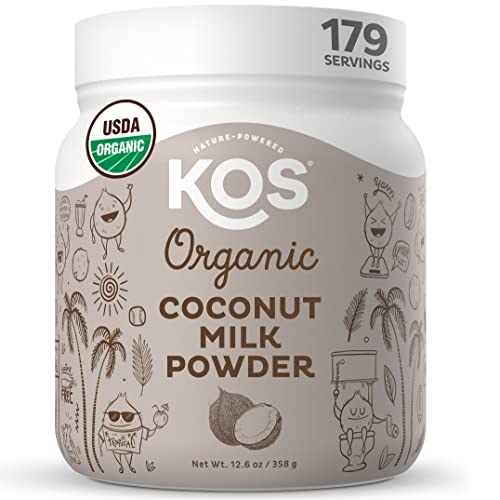
KOS Organic Coconut Milk Powder stands out as a top pick for anyone prioritizing clean ingredients and convenience in their coffee routine. I use it daily because it’s USDA Organic, non-GMO, and free from dairy, soy, gluten, and artificial junk. It blends right into hot coffee with a spoon or frother, though it may clump in cold weather. With 0g sugar and natural MCTs, it fits keto, paleo, and vegan diets. Each 12.6oz tub gives 179 servings-way cheaper and shelf-stable versus canned milk. I also use it in smoothies, baking, and soups. Just replace regular milk measure for measure.
Best For: People seeking a clean, plant-based, shelf-stable milk alternative that supports keto, paleo, and vegan lifestyles.
Pros:
- USDA Organic, non-GMO, and free from dairy, soy, gluten, and artificial additives
- Versatile for use in coffee, smoothies, baking, and soups with a long shelf life
- 0g sugar and naturally occurring MCTs ideal for health-conscious and low-carb diets
Cons:
- May clump in cold weather, requiring a frother for smooth mixing
- Powder form may not appeal to those preferring liquid milk
- Subtle coconut flavor might not suit all savory dishes
Pacific Foods Organic Coconut Milk 32 oz

You’ll want a coconut milk that steams well and doesn’t overpower your coffee, and Pacific Foods Organic Unsweetened Coconut Milk stands out for those who prioritize clean ingredients without sacrificing performance. I use it straight from the 32 oz carton because it pours smoothly and heats evenly, whether I’m making a latte or batch-brewed coffee. It’s USDA Organic, non-GMO, and free from lactose, gluten, and artificial stuff-ideal if you’re strict about labels. While it lacks the thickness of canned coconut milk, it blends right in without curdling. It’s not barista-formulated, so don’t expect ultra-froth, but for daily use, it’s reliable, sustainable, and widely available.
Best For: Those seeking a clean-label, plant-based milk alternative that performs well in coffee and everyday use without artificial ingredients.
Pros:
- USDA Organic, non-GMO, vegan, and free from gluten, lactose, and artificial ingredients
- Pours and heats evenly, making it ideal for coffee, cooking, and drinking straight
- Sustainably packaged and widely available in grocery stores
Cons:
- Not barista-formulated, so it doesn’t froth as well as specialized coffee creams
- Less creamy and thinner than canned coconut milk
- Contains less fat, which may affect richness in recipes requiring heavy coconut milk
Thai Kitchen Unsweetened Coconut Milk, 25.36 fl oz

Thai Kitchen Unsweetened Coconut Milk, 25.36 fl oz, stands out for coffee drinkers who prioritize clean ingredients and a smooth, creamy mouthfeel without additives. I use it because it’s made with just water and coconut-no guar gum, dairy, gluten, or GMOs. It’s dairy-free, gluten-free, non-GMO, and certified Kosher, so it fits many dietary needs. Sourced from Thailand, it delivers authentic flavor and consistent quality. The BPA-free, resealable carton has an easy-pour spout, making it convenient for daily use. I’ve found it blends well in coffee without curdling and works equally well in smoothies, curries, or baking. While the 25-ounce size is smaller than some, its purity and versatility make it a reliable choice.
Best For: Coffee drinkers and health-conscious individuals seeking a clean, additive-free, plant-based milk alternative that fits specialty diets.
Pros:
- Made with only two simple ingredients-water and coconut-with no guar gum, dairy, gluten, or GMOs
- Dairy-free, gluten-free, non-GMO, and certified Kosher, suitable for a wide range of dietary needs
- Versatile for use in coffee, smoothies, curries, and baking, delivering a rich, creamy texture without curdling
Cons:
- Smaller 25.36 fl oz size compared to other carton milk options, offering less volume per container
- May be priced higher than coconut milk alternatives with added stabilizers or fillers
- Limited availability in some regions, making it harder to find in certain grocery stores
Organic Unsweetened Coconut Milk 64 fl oz

If you’re looking for a clean, no-frills coconut milk that pours smoothly into coffee without added sugars or artificial ingredients, the 365 by Whole Foods Market Organic Unsweetened Coconut Milk in the 64 fl oz carton is a solid pick. I trust this one because it’s certified organic and free from banned additives like carrageenan and artificial sweeteners. The unsweetened formula won’t alter your coffee’s flavor, and the 64 oz size offers better value for daily drinkers. It blends well, though it doesn’t froth like barista-style versions. If you want simplicity and quality without paying premium pricing, this carton delivers. Just shake well before use-natural separation happens.
Best For: Individuals seeking a clean, affordable, and certified organic unsweetened coconut milk for daily use in coffee or cooking without added sugars or artificial ingredients.
Pros:
- Certified organic and free from banned additives like carrageenan, artificial sweeteners, and hydrogenated fats
- Unsweetened formula preserves the natural taste of coffee and other beverages
- Larger 64 fl oz size offers better value for frequent users
Cons:
- Natural separation requires shaking before each use
- Does not froth well, making it less ideal for specialty coffee drinks
- Thin consistency compared to barista-style or full-fat coconut milks
Califia Farms Toasted Coconut Almond Milk
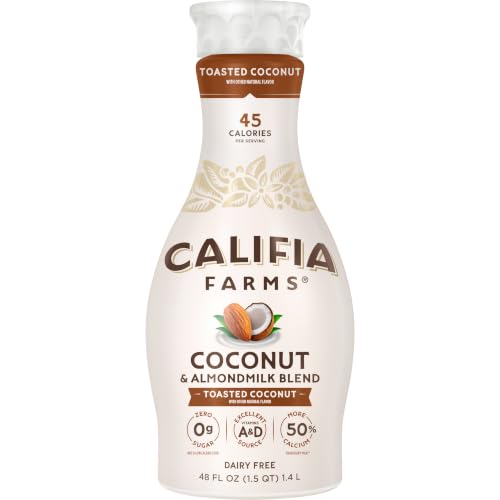
Though it’s not made from coconut milk alone, Califia Farms Toasted Coconut Almond Milk stands out for those who want a creamy, flavorful addition to coffee without dairy or added sugar. I use it when I want a rich, tropical taste that blends smoothly without curdling. It’s made with almond milk and coconut cream, giving it a creamy mouthfeel and a lightly toasted coconut flavor that feels indulgent, yet it has 0g sugar per serving. At 45 calories, it’s not the lightest option, but it’s low enough for daily use. I’ve tried it in lattes, baking, and cereal-it works well across uses. It’s non-GMO, gluten-free, and free from carrageenan, which matters if you’re avoiding additives. While not a pure coconut milk, it’s a reliable, consistent performer when you want flavor and creaminess without dairy or sweetness.
Best For: Those seeking a creamy, dairy-free, and sugar-free plant milk with a rich toasted coconut flavor for coffee, baking, and daily use.
Pros:
- Creamy texture and indulgent tropical taste from almond milk and coconut cream
- 0g added sugar and 45 calories per serving, supporting clean-label preferences
- Versatile for lattes, cereal, smoothies, and baking; free from carrageenan, GMOs, and gluten
Cons:
- Not a low-calorie option compared to some plain almond milks
- Contains almonds, making it unsuitable for nut allergies
- Flavor may be too coconut-forward for those preferring neutral-tasting milk alternatives
Factors to Consider When Choosing Coconut Milk for Coffee
You’ll want to pick a coconut milk that blends smoothly into your coffee without overwhelming it. Look for creaminess that balances richness and drinkability, a neutral flavor so it doesn’t clash with your brew, and a version that froths well if you enjoy lattes-brands like Califia Farms and Silk tend to strike that balance. Keep an eye on added sugars and long ingredient lists, since simpler formulas often mix better and taste cleaner in hot coffee.
Creaminess Level
The creaminess of coconut milk in coffee largely depends on its fat content, with richer blends typically made from coconut cream delivering a fuller mouthfeel. You’ll notice a smoother texture when natural oils are left intact, as they help create a velvety blend in hot coffee. Watch out for stabilizers like gums-while they boost consistency, they can dull the richness or leave an off-putting aftertaste. For the purest creaminess, pick unsweetened versions with just coconut and water listed. If you love lattes or cappuccinos, go for barista-specific formulas like Califia Farms or Oatly’s coconut blend-these are engineered with balanced fat ratios to froth better and layer cleanly in espresso drinks. Regular coconut milk works in a pinch, but it may separate or thin out under heat. For consistent, creamy results, match the product to how you brew.
Flavor Neutrality
What makes one coconut milk blend seamlessly into your coffee while another drowns it in coconut flavor? The key is flavor neutrality. You want a milk with a mild, subtle taste so it doesn’t overpower your brew. Pick blends made with a balanced mix of coconut cream and water-they’re less intense. Skip ones with added sugars, vanilla, or spices; those alter the flavor and clash with coffee’s natural profile. Look for minimal ingredient lists with no artificial enhancers-fewer additives mean a cleaner, more neutral taste. While coconut’s medium chain fatty acids can add a slight nutty sweetness, well-formulated brands keep this in check. Opt for plain, unflavored varieties like Native Forest Plain or Simple Truth Organic. They mix smoothly without dominating your cup, letting coffee stay the star.
Frothing Ability
A neutral flavor keeps your coffee in focus, but if you’re aiming for a creamy latte or cappuccino, frothing ability matters just as much. Choose coconut milk with higher fat content-it creates thicker, more stable foam. Barista-style versions, like Califia Farms or Oatly’s coconut blend, often include added fats or emulsifiers that boost steam performance and microfoam quality. Avoid brands with no stabilizers, as they tend to separate and produce weak froth. Shake the carton well before using, and make sure the milk is fresh-older cartons lose frothing strength. Never overheat; go for 140°F to 155°F to preserve texture. Too hot and the proteins break down, leaving you with watery results. Use a handheld frother or steam wand at a steady angle for best control. For consistent foam, fresh, full-fat, and specially formulated is the way to go.
Sweetness Content
If you want full control over your coffee’s flavor, skip coconut milk with added sugars and go straight for unsweetened versions like Native Forest or So Delicious-these typically carry just 1 to 3 grams of naturally occurring sugar per 8-ounce serving from the coconut itself. That mild sweetness comes from coconut water and cream, not additives, so your coffee won’t taste unexpectedly sweet. Avoid “original” versions, which often add sugar-sometimes 4 to 7 grams per serving-and can throw off your drink’s balance. Unsweetened kinds keep texture creamy without altering flavor, letting you decide how sweet to make your cup. If you like a sweeter coffee, just add your preferred sweetener separately. That way, you stay in charge of taste and calorie content. Brands like Aroy-D also offer clean, unsweetened options ideal for daily use. Read labels carefully-“unsweetened” is your cue to check the sugar listed.
Ingredient Simplicity
Look for coconut milk with a short ingredient list-ideally just coconut, water, and maybe a pinch of baking soda-to keep your coffee clean and additive-free. Skip versions with gums, carrageenan, or added oils, as they can curdle or leave residue in hot coffee. These additives often thicken texture artificially and may upset sensitive stomachs. Simple formulas without stabilizers might separate naturally, so give the carton a solid shake before pouring to mix contents evenly. Choosing a brand with no artificial flavors or sweeteners guarantees the coconut’s mild flavor won’t overpower your brew. Think Pacific Foods Unsweetened or Native Forest Classic-both stick to basic, plant-based ingredients. This minimal approach fits clean-label diets and cuts down on hidden chemical additives in your daily cup. You’ll get creaminess that blends smoothly and taste that stays true.
Acidity Balance
Since coconut milk can influence the overall acidity of your coffee, choosing one with a naturally neutral pH helps keep the brew balanced and smooth. If you pick a brand with coconut water as a main ingredient, watch out-its natural electrolytes can tilt the pH slightly acidic, adding unwanted sharpness. You’re better off with options that skip added acids, preservatives, or heavy processing, since those often alter flavor stability. Look for clean labels: plain organic coconut milk with minimal additives performs best. The medium-chain triglycerides in coconut fat actually help buffer coffee’s acidity, giving you a rounder, gentler cup. When you steam the milk, the heat slightly lowers its perceived acidity, blending even more seamlessly. Brands like Native Forest Simple or Aroy-D are solid, straightforward picks. They mix cleanly, resist curdling, and won’t disrupt your coffee’s natural profile.
Shelf Stability
While shelf-stable coconut milk won’t change the taste of your coffee on its own, it offers major convenience for daily use. You’ll find it packaged in aseptic cartons that stay fresh without refrigeration until opened, thanks to ultra-high temperature (UHT) pasteurization that kills microbes and extends shelf life. These multi-layered containers-often with aluminum-block light and air, keeping the milk good for 6 to 12 months in a cool, dry place. That makes it ideal for stocking up or keeping at the office. Once you open it, though, you must refrigerate it and use it within 7 to 10 days, just like refrigerated versions. Unlike fresh coconut milks that spoil faster, shelf-stable options don’t need preservatives. If you want hassle-free storage and consistent availability, go for brands like Thai Kitchen or Natural Evolution in cartons.
Frequently Asked Questions
Can Coconut Milk Curdle in Hot Coffee?
Yes, coconut milk can curdle in hot coffee, especially if you use the wrong type. The proteins and acids in coffee clash with the fats in low-fat or additive-heavy coconut milks, causing separation. Full-fat, barista-style versions like Califia Farms or Silk Almond Coconut Blend handle heat better. For best results, warm the coconut milk first, then add coffee gradually. You’ll get smoother mixing and avoid that grainy texture everyone hates.
Is Coconut Milk Safe for Nut Allergies?
You can’t assume coconut milk is safe for nut allergies, even though coconut isn’t a nut. The FDA classifies it as a tree nut due to allergen labeling rules, and some people with nut allergies react to it. Always check with your doctor or allergist first. If approved, brands like Pacific Foods or Silk offer consistent, barista-style options that mix well in hot coffee without curdling.
How Long Does Coconut Milk Last After Opening?
You should use opened coconut milk within 7–10 days if it’s refrigerated, no matter the brand. Once you crack the seal, it spoils faster than unopened cartons. Store it in the back of the fridge, not the door, to keep temps steady. Shake it well before each use-separation is normal. If it smells sour or looks clumpy, toss it. For longer life, some shelf-stable brands last months unopened but spoil quickly after opening.
Can I Froth Coconut Milk for Lattes?
Yes, you can froth coconut milk for lattes, but results vary by product. Canned coconut milk froths better than carton versions due to higher fat content. Chill the milk and use a cold pitcher for best results. A handheld frother or steam wand works well, though it won’t hold foam as long as dairy. Look for barista editions like Pacific or So Delicious-they’re formulated to froth and resist curdling in hot coffee.
Is Coconut Milk Vegan and Dairy-Free?
Yes, coconut milk is vegan and dairy-free-it’s made from coconut flesh and water, so it contains no animal products. You can use it in coffee, lattes, or baking without dairy concerns. Just check labels; some brands add stabilizers or sugars. Full-fat versions froth better, while carton milk works for pouring. Always verify packaging says “dairy-free” and “vegan” if you’re strict.