Best Coffee Beans That Elevate Any Cafe Experience
You want beans that deliver consistency, depth, and versatility. Lavazza Super Crema offers a smooth, nuty espresso with rich crema, while Starbucks Caffè Verona brings dark cocoa balance across brew methods. Mayorga’s organic dark roast gives low acidity and sweet vanilla notes, ideal for those avoiding bitterness. For café-wide use, Lavazza Espresso and Starbucks Espresso Roast provide reliable, 100% Arabica performance. Larger volumes like Cameron’s 32 oz breakfast blend save costs but need proper storage. Each choice fits different priorities-from ethics to yield. You’ll find the right match based on your machine, customer taste, and service speed. There’s more to take into account if you’re optimizing for freshness and grind precision.
We are supported by our audience. When you purchase through links on our site, we may earn an affiliate commission, at no extra cost for you. Learn more. Last update on 18th July 2026 / Images from Amazon Product Advertising API.
Notable Insights
- Lavazza Super Crema delivers a smooth, creamy espresso with hazelnut and brown sugar notes, ideal for premium café-style drinks.
- Starbucks Caffè Verona offers a balanced dark roast with dark cocoa and caramelized sugar, consistent across brewing methods.
- Mayorga Organic Dark Roast provides low-acidity flavor with sweet vanilla and smoke, appealing to discerning specialty coffee drinkers.
- Lavazza Espresso Barista Gran Crema ensures rich crema and complexity with dark chocolate and spice, perfect for professional espresso service.
- Cafe Quindio Gourmet Colombian Coffee features a high SCA score and sustainable, women-led sourcing, adding authenticity and quality to café menus.
Lavazza Super Crema Whole Bean Coffee (2.2 lb)
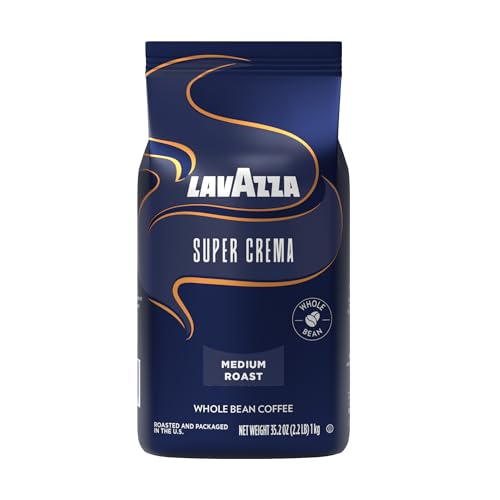
If you’re setting up a home espresso machine and want a reliable, smooth shot with a creamy finish, Lavazza Super Crema Whole Bean Coffee fits the bill. I use 0.28 oz of freshly ground beans for every 1 oz espresso shot, and the medium roast delivers consistent results. The blend of Arabica and Robusta from 15 countries gives a full body with hints of hazelnut and brown sugar-nothing overpowering, just balanced. It’s naturally caffeinated and made in dedicated facilities, so purity’s not an issue. For best results, grind right before brewing. Compared to single-origin beans, it’s more predictable, ideal for daily use.
Best For: Home espresso enthusiasts seeking a smooth, consistent, and creamy medium roast with balanced flavor for daily use.
Pros:
- Ideal for espresso with a creamy finish and balanced notes of hazelnut and brown sugar
- Consistent performance due to a well-crafted blend of Arabica and Robusta beans from 15 countries
- Naturally caffeinated and produced in dedicated coffee facilities for purity
Cons:
- Requires immediate grinding for optimal freshness, which may be inconvenient for some
- Flavor profile may be too mild for those preferring bold, intense single-origin espressos
- Packaging may vary, leading to potential inconsistencies in bag seal or storage quality
Starbucks Caffè Verona Dark Roast (18 oz)

I reach for Starbucks Caffè Verona Dark Roast when I want a dependable, rich dark blend that stands up well to chocolate pairings and after-dinner moments. It’s a balanced dark roast with notes of dark cocoa and caramelized sugar, made from 100% Arabica beans sourced ethically through a partnership with Conservation International. The same beans Starbucks cafés use, it delivers consistent quality. I brew it as drip, French press, or moka pot-each method brings out its smooth body. At 18 oz, the bag stays fresh if stored well. It’s not the most complex roast, but it’s reliable, accessible, and great for daily dessert-style coffee.
Best For: Coffee lovers seeking a reliable, smooth dark roast with dessert-like flavors that pairs exceptionally well with chocolate and suits everyday after-dinner enjoyment.
Pros:
- Rich, well-balanced dark roast with flavorful notes of dark cocoa and caramelized sugar ideal for dessert pairings
- Brews consistently well across multiple methods including drip, French press, and moka pot
- Ethically sourced 100% Arabica beans, same high-quality blend used in Starbucks cafés
Cons:
- Lacks the complexity and depth found in more artisanal or single-origin dark roasts
- May be too mild for those seeking a bold, intense dark roast experience
- 18 oz packaging requires proper storage to maintain freshness over time
Mayorga Organic Dark Roast Coffee 2lb

One solid choice for those who prefer a bold yet smooth cup with minimal acidity is the Mayorga Organic Dark Roast Coffee 2lb. I’ve found it delivers rich flavor with sweet vanilla and smoky notes, thanks to a slow-roasted, Cuban-style process. It’s made from 100% Arabica beans sourced from small farms in Peru, Honduras, and Nicaragua-USDA Organic, Non-GMO, and Kosher-certified. Roasted in small batches in Rockville, U.S., it stays fresh and supports sustainable farming. If you grind it just before brewing, you’ll get the fullest taste, especially in a French press or drip machine.
Best For: Coffee lovers who enjoy a bold, smooth dark roast with low acidity and rich, complex flavors rooted in authentic Cuban-style roasting.
Pros:
- Bold, smooth flavor with sweet vanilla and smoky notes from a slow-roasted, Latin-inspired process
- Made from 100% Arabica, USDA Organic, Non-GMO, and Kosher-certified beans sourced from small farms
- Supports sustainable farming and direct trade with Latin American farming communities
Cons:
- Larger 2lb size may lead to staleness if not consumed or stored properly
- Dark roast may lack the brightness or acidity preferred by light roast enthusiasts
- Limited origin transparency with beans sourced from multiple countries without single-origin options
Starbucks Espresso Roast Whole Bean Coffee (18 oz)
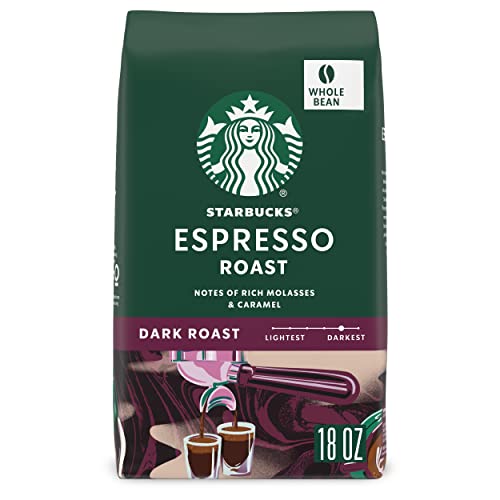
This dark roast blend is best for those who want a consistent, no-frills espresso experience at home without sacrificing quality. I use it because it’s the same beans Starbucks cafés brew with-100% Arabica, ethically sourced through Conservation International. First made in 1975, it still tastes just like the original: bold, with molasses depth and caramelly sweetness. The 18-oz resealable bag keeps freshness locked in. I’ve tried it across methods-espresso, French press, even drip-and it performs well, especially when ground fine for a machine. It’s not flashy, but if you want reliability and proven quality, this roast delivers every time.
Best For: Home espresso enthusiasts seeking a reliable, high-quality dark roast that delivers the same consistent flavor as Starbucks café beverages.
Pros:
- Made with 100% Arabica beans and ethically sourced through Starbucks’ partnership with Conservation International
- Delivers a bold, rich flavor with notes of molasses and caramelly sweetness, unchanged since its 1975 origin
- Versatile for multiple brewing methods including espresso, French press, drip, and moka pot, with excellent performance across devices
Cons:
- Dark roast profile may be too intense for those who prefer lighter, more nuanced coffee flavors
- Lacks single-origin complexity, appealing more to traditionalists than adventurous drinkers
- Pre-ground alternatives aren’t available, requiring a grinder for optimal freshness and espresso extraction
Lavazza Espresso Whole Bean Coffee, Medium Roast, 100% Arabica, 2.2 lb Bag
Lavazza’s medium roast delivers a balanced 5/10 intensity, making it a smart pick if you want espresso depth without harshness. I’ve used it in both espresso machines and moka pots, and it consistently pulls clean shots with sweet, aromatic notes of florals and fruit. Since it’s 100% Arabica, naturally caffeinated, and sourced from South America and Africa, the beans offer complexity without sharp acidity. The whole bean format in a 2.2 lb bag stays fresh longer and works well for drip, French press, or espresso. Just grind fine for espresso, medium for drip, or coarse for French press. It’s made in coffee-only facilities, so no cross-contamination. For daily use, this roast hits a sweet spot between flavor and versatility.
Best For: Coffee lovers who want a versatile, medium-roast 100% Arabica bean with balanced flavor for espresso, moka pot, drip, or French press.
Pros:
- Offers a smooth, aromatic profile with notes of florals and fruit and a sweet finish
- Suitable for multiple brewing methods including espresso, moka pot, drip, and French press
- Sourced as 100% Arabica beans and produced in dedicated coffee-only facilities to ensure purity
Cons:
- Whole bean format requires a grinder, which may be inconvenient for some users
- At 2.2 lb, the large bag may lead to staleness if not used promptly
- Medium roast may lack the bold intensity preferred by fans of dark espresso roasts
Lavazza Espresso Whole Bean Coffee (2.2 lb)
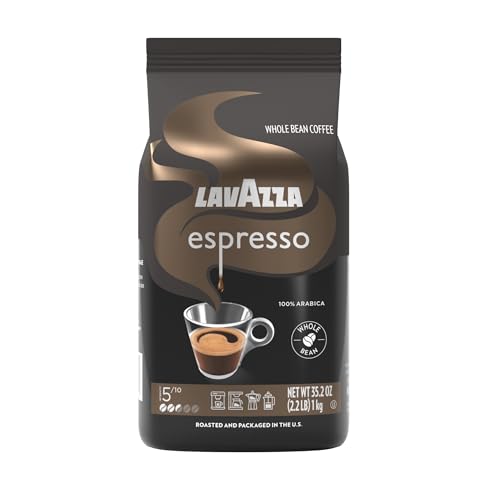
If you brew coffee daily and want a reliable, medium-roast whole bean option that works across multiple brewing methods, Lavazza Espresso Whole Bean Coffee (2.2 lb) stands out as a practical choice. I use it in my espresso machine and moka pot, but it works just as well in drip or French press. The 100% Arabica beans-sourced from South America and Africa-deliver light floral and fruity notes with a sweet, smooth finish. Roasted to a 5/10 intensity, it’s balanced, not too bold. At 2.2 pounds, the resealable bag keeps plenty of coffee fresh. Lavazza’s been roasting since 1895, so their expertise shows in consistency.
Best For: Daily coffee drinkers seeking a versatile, medium-roast 100% Arabica whole bean coffee that performs well across espresso, moka pot, drip, and French press brewing methods.
Pros:
- Versatile for multiple brewing methods including espresso, moka pot, drip, and French press
- 100% Arabica beans with pleasant floral and fruity notes for a smooth, sweet finish
- Sustainably sourced and backed by Lavazza’s over-a-century of roasting expertise
Cons:
- Larger 2.2 lb bag may be impractical for those who consume coffee slowly or prefer smaller, fresher batches
- Medium roast with 5/10 intensity may lack the boldness preferred by fans of darker roasts
- Whole beans require grinding at home, which may be less convenient for some users
Lavazza Crema E Aroma Whole Bean Coffee
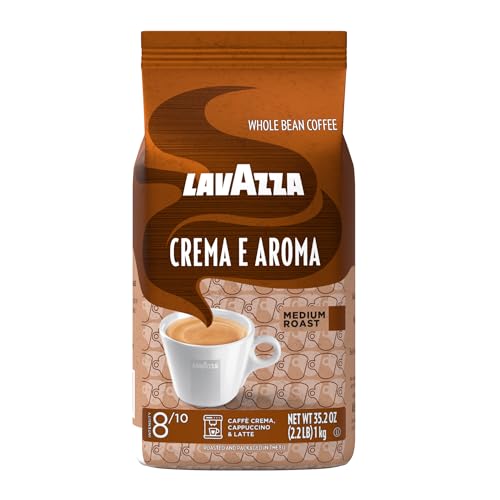
For anyone who wants a rich, full-bodied coffee without the need for single-origin complexity, the Lavazza Crema E Aroma Whole Bean Coffee stands out as a solid daily choice. I’ve used it in my espresso machine and moka pot-it delivers a balanced medium roast with an 8/10 intensity, earthy depth, and chocolate notes. The crema lasts, which I appreciate. It works in drip or French press, though finer grinds pull the best flavor. Sourced from Arabica and Robusta beans across South America, Africa, and Asia, it’s non-GMO and naturally caffeinated. Lavazza’s 125-year heritage means you’re getting consistent, no-frills quality grounded in real coffee expertise.
Best For: Coffee lovers seeking a rich, balanced medium roast with intense flavor and long-lasting crema for daily use across multiple brewing methods.
Pros:
- Delivers a smooth, full-bodied taste with earthy depth and aromatic chocolate notes
- Produces a stable, long-lasting crema ideal for espresso and moka pot enthusiasts
- Versatile grind compatibility with espresso, moka pot, drip, and French press
Cons:
- Medium roast intensity rated 8/10 may be too bold for those preferring lighter profiles
- Blend of Arabica and Robusta may introduce slight bitterness compared to pure Arabica
- Large 2.2-pound bag size may not suit those who prioritize bean freshness over convenience
Lavazza Espresso Barista Gran Crema (35.2 oz)

You’ll want this blend if you’re after a rich, full-bodied espresso with a balanced mix of sweetness and depth without leaning too bitter. I use Lavazza Espresso Barista Gran Crema because it delivers consistent results across machines. The mix of Arabica from Brazil and Honduras with African Robusta creates a 7/10 intensity roast that’s bold but smooth. I taste dark chocolate and spice, with a honeyed aroma that holds up well in milk drinks. It works in espresso machines, moka pots, drip, or French press-though I prefer it under pressure. At 35.2 oz, the bag lasts, and Lavazza’s 125-year track record assures quality.
Best For: Espresso lovers seeking a rich, balanced, and versatile blend with consistent performance across brewing methods.
Pros:
- Complex flavor profile with notes of dark chocolate, spice, and honey, ideal for nuanced espresso
- Versatile preparation-excelling in espresso machines and moka pots while also working in drip and French press
- Large 35.2 oz bag offers great value with long shelf life for frequent users
Cons:
- Medium roast with a 7/10 intensity may not satisfy those seeking a truly bold, dark roast experience
- Contains Robusta beans, which some purists may avoid for espresso authenticity
- Packaging varies and may lack freshness indicators like a resealable zipper or degassing valve
Cafe Quindio Gourmet Colombian Coffee (16oz)

Cafe Quindio Gourmet Colombian Coffee (16oz) stands out for coffee lovers who prioritize origin integrity and consistent quality in their daily brew. I source 100% Excelso Arabica beans directly from Quindío farmers, certified by the National Coffee Federation as export-grade. You’ll taste rich chocolate and raw sugarcane, with smooth texture, medium-low acidity, and an intense chocolate aroma-backed by an SCA score of 86.5. Roasted and packed at origin with a one-way valve, the resealable 16oz bag keeps flavor fresh. This women-owned brand supports sustainable farming and community growth, offering traceability and ethical sourcing you can trust.
Best For: Coffee enthusiasts who value ethically sourced, high-quality Colombian beans with rich flavor and full traceability from farm to cup.
Pros:
- 100% Colombian Excelso Arabica beans with SCA score of 86.5 for exceptional taste and quality
- Roasted and packed at origin with one-way degassing valve to ensure maximum freshness
- Women-owned, sustainable brand committed to ethical sourcing and community development in Quindío
Cons:
- Whole bean only-requires grinding equipment for brewing
- Limited to one origin and roast profile, which may not appeal to those seeking variety
- Slightly higher price point compared to generic supermarket coffee brands
Cameron’s Coffee Roasted Whole Bean Coffee, Breakfast Blend, 32 Ounce

A solid 32-ounce bag of whole bean coffee that delivers consistent flavor without overpowering your morning routine, Cameron’s Coffee Roasted Whole Bean Coffee, Breakfast Blend, works best for home brewers who want reliable, smooth coffee without the bitterness. I use it daily, and the small-batch roasting makes a difference-bright, mild, and never burnt. Sourced from top-tier Arabica beans in Central and South America, it’s slow-roasted for balance. At 32 ounces, it’s cost-effective and stays fresh if stored well. Compared to flashier single-origins, it’s simpler, but that’s the point: it’s dependable, sustainable, and easy to brew right.
Factors to Consider When Choosing Coffee Beans for a Cafe
You’ll want to pick beans based on where they’re grown, since origin affects flavor-like how Ethiopian beans often taste fruity and bright. Match the roast level and flavor profile to your customers’ tastes, whether that’s a light, acidic cup or a dark, bold one, and make sure the beans work with your brewing method, like espresso or pour-over. Don’t overlook sustainability; many cafés now choose certified fair trade or organic beans to support ethical farming and attract conscious consumers.
Bean Origin Importance
Origin shapes flavor. You’re making a choice that affects every cup when you pick beans based on where they’re grown. High-altitude farms produce denser beans with brighter acidity-think Ethiopian lots with citrusy, floral notes. Regions near the equator, like Colombia or Kenya, often have volcanic soil and steady rain, giving you sweeter, more balanced profiles. You’ll also see differences in body and complexity based on local climate and harvest cycles. Since most quality coffee grows in a narrow belt around the globe, seasonal timing matters-Central America peaks around winter, while East Africa’s best arrives in spring. Traceability isn’t just a buzzword; it helps you verify ethical practices and flavor consistency. When you source by origin, you control more of the experience-from freshness to sustainability. Know your regions, track your harvests, and you’ll build a better menu.
Roast Level Selection
While light roasts preserve the bean’s natural flavors and bright acidity, they demand more precise brewing to extract their full potential, making them best for showcasing single-origin coffees with floral or fruity notes like Ethiopian Yirgacheffe. You’ll need higher water temperatures and longer brew times since lighter beans are denser and less soluble. If you’re aiming for balanced, approachable cups with hints of caramel or nuts, go with medium roasts-they’re forgiving and work well in drip brewers or pour-overs. Dark roasts, with their bold, smoky, or chocolatey profiles, extract faster and suit espresso machines or milk-based drinks. Don’t worry about caffeine-roast level barely affects it. Pick your roast based on brew method and customer taste, not myths. Match the roast to your equipment and audience for consistent, reliable results every time.
Flavor Profile Balance
Roast level shapes the foundation of a coffee’s taste, but the true mark of a well-chosen bean for your cafe lies in its flavor profile balance. You want sweetness, acidity, and bitterness working together, not fighting. A balanced dark roast, for example, pairs caramelized sugar notes with dark cocoa for depth without harshness. Medium roasts often give you the best harmony-floral or fruity aromas meet mild roast tones, keeping complexity intact. If you’re leaning toward full-bodied options, pick beans with low acidity and a creamy mouthfeel to soften intense flavors. Blends with both Arabica and Robusta can help: Arabica brings bright notes like honey or citrus, while Robusta adds substance and subtle earthiness. Look for beans that layer light, aromatic hints with deeper spice or roasted tones. This balance keeps every cup smooth, interesting, and consistent-exactly what your customers expect.
Brew Method Compatibility
You’ll get the best results when you match your beans to the brew method your cafe uses, since each technique draws out flavors differently based on grind size and extraction time. For espresso, use a fine grind-about 0.28 oz for a 1 oz shot-to guarantee proper extraction under high pressure. French press needs a coarse grind to avoid sludge and over-extraction, with a 4-minute steep delivering full body. Pour-over works best with a medium-fine grind, allowing smooth flow and balanced clarity. Drip machines perform reliably with a medium grind, fitting most models and guaranteeing even saturation. Moka pots need a grind finer than drip but coarser than espresso, using steam pressure to produce a rich, concentrated cup. Choosing the right bean-grind combo for your equipment guarantees consistent quality and keeps customers coming back for the results you deliver.
Sustainability And Ethics
When selecting coffee beans for your cafe, considering sustainability and ethics isn’t just good for the planet-it’s a smart business move that resonates with informed customers. Look for certifications like USDA Organic, Non-GMO, and Kosher to verify environmentally sound practices. Opt for brands with direct trade relationships, as they guarantee fair pay, better traceability, and support for smallholder farmers. Many ethical sourcing programs partner with conservation groups, boosting long-term farm viability. Choose beans grown using regenerative agriculture, which improves soil health and biodiversity. These methods often include water-saving techniques and lower carbon emissions during roasting and packaging. While certified or direct-trade beans may cost more, they often deliver higher quality and customer trust. Prioritizing sustainability isn’t a trend-it’s a practical strategy that strengthens your brand, satisfies eco-conscious patrons, and supports the entire supply chain from farm to cup.
Freshness And Storage
While flavor peaks within the first three weeks after roasting, keeping coffee fresh depends heavily on how you store it. You should keep beans in an airtight container at room temperature, away from light, heat, and moisture-common kitchen cabinets work well. Whole beans stay fresh longer than pre-ground since less surface area is exposed to oxygen, preserving quality for up to 4–6 weeks. Avoid clear containers or storing near ovens, as heat and light speed up staling. If you need to store beans longer, freezing works for up to a month-but only if you vacuum-seal them. Frequent thawing and freezing cause condensation, which harms flavor. Never refrigerate beans; moisture degrades them fast. Buying smaller batches more often is better than stocking up. Freshness isn’t just about time-it’s about smart storage choices.
Frequently Asked Questions
How Long Do Coffee Beans Stay Fresh After Opening?
You’ve got about 2–4 weeks to enjoy coffee beans at their peak after opening. After that, they start losing aroma and flavor fast. Store them in an airtight container away from light, heat, and moisture. Don’t refrigerate-condensation ruins beans. For best results, buy whole bean, grind before brewing, and stick to smaller bags you’ll finish quickly. Freshness matters most with light roasts and single-origins.
Can I Use These Beans for Cold Brew?
You can use these beans for cold brew, but you’ll get better results with a coarser grind and longer steep-typically 12 to 16 hours. Medium to dark roasts work best, offering smooth, low-acid flavor. Lighter beans might taste underdeveloped. If the beans are fresh and high-quality, you’ll notice cleaner notes, less bitterness. Don’t skip grinding them just before brewing. Avoid pre-ground; it lacks clarity and goes stale fast.
Are These Beans Shade-Grown or Sun-Grown?
You’ll find these beans are primarily shade-grown, which slows maturation and often boosts flavor complexity. Shade growth also supports biodiversity and soil health, making it more sustainable than sun-grown. Sun-grown beans, while higher yielding, usually lack the nuanced profile you get here. If you value balanced taste and environmental impact, shade-growing gives you both. It’s a practical choice for quality and long-term farming viability.
Do These Coffees Contain Allergens or Additives?
You don’t need to worry about allergens or additives-pure coffee beans are naturally free of both. Just roast and grind them, and you’re safe. Some flavored beans, though, contain artificial oils or additives, so check labels if you’re sensitive. If allergies are a concern, stick to single-origin, unflavored beans from reputable roasters. They’re transparent about sourcing and processing, which helps you avoid unwanted extras. Always opt for whole beans and grind fresh to keep things clean and pure.
What’s the Best Grind Size for Espresso?
You should use a fine grind for espresso-it’s finer than table salt but not powdery. Too fine, and your shot stalls; too coarse, and it runs too fast. Aim for consistency, since uneven particles cause channeling. Grinders like the Baratza Virtuoso or 1zpresso J-Max give you control. Adjust based on your machine: higher pressure machines often need slightly coarser settings. Always dial in fresh after changing beans or adjusting humidity.