Best Decaf Coffee Roasters That Taste Like the Real Deal
You get a rich, authentic cup from decaf roasts like Kicking Horse Decaf Dark Roast, made with organic, Swiss Water Processed beans for bold flavor without chemicals. San Francisco Bay’s decaf dark roast offers smoky depth in a convenient ground format. For light roast lovers, Green Mountain’s Breakfast Blend K-Cups deliver clean, nutty notes with Keurig ease. Whole bean options like Charleston Coffee Roasters’ organic dark roast give you fresher results with more brewing control. Choose your preferred roast, grind, and brew method to match your routine-details that shape every great cup wait to be matched to your taste.
We are supported by our audience. When you purchase through links on our site, we may earn an affiliate commission, at no extra cost for you. Learn more. Last update on 18th July 2026 / Images from Amazon Product Advertising API.
Notable Insights
- Kicking Horse Decaf Dark Roast uses Swiss Water Process for chemical-free decaffeination while preserving rich, bold flavors with notes of hazelnut and chocolate.
- Charleston Coffee Roasters Organic Dark Roast delivers full-bodied, clean-tasting decaf through slow-roasting and 100% chemical-free Swiss Water decaffeination.
- San Francisco Bay Decaf Dark Roast offers a smoky, full-bodied taste using high-altitude Arabica beans and sustainable direct-trade sourcing.
- Green Mountain Decaf Breakfast Blend provides a bright, balanced cup with subtle nuttiness, ideal for those seeking a smooth light roast decaf.
- All feature certified decaf methods like Swiss Water Process, ensuring flavor integrity and minimal caffeine without chemical residues.
Green Mountain Decaf Breakfast Blend K-Cups (48-Pack)

If you’re looking for a decaf that still delivers a bright, clean taste without the caffeine, Green Mountain Decaf Breakfast Blend K-Cups are a solid choice, especially if you value convenience and consistency. I brew mine in my Keurig every morning, and it’s always fresh-no surprise flavors. It’s a light roast, 100% Arabica, with subtle nutty notes and a smooth finish, not bitter like some decafs. The 48-pack lasts me over a month. It’s Kosher certified and uses responsible sourcing, which matters if you care about ethical beans. These pods work in any Keurig machine, but they’re not reusable-so you’ll keep buying more.
Best For: Coffee lovers seeking a smooth, flavorful decaf option with the convenience of single-serve Keurig pods and a commitment to ethically sourced beans.
Pros:
- Delivers a bright, clean taste with balanced sweetness and subtle nutty notes in a light roast
- Consistently fresh and compatible with all Keurig K-Cup brewers for reliable daily use
- Certified Kosher and made with 100% responsibly sourced Arabica beans for ethical peace of mind
Cons:
- Single-use pods are not reusable or eco-friendly, contributing to plastic waste
- Requires ongoing purchases since pods aren’t refillable
- Limited to Keurig machines, reducing versatility for non-K-Cup users
San Francisco Bay Decaf Dark Roast Coffee
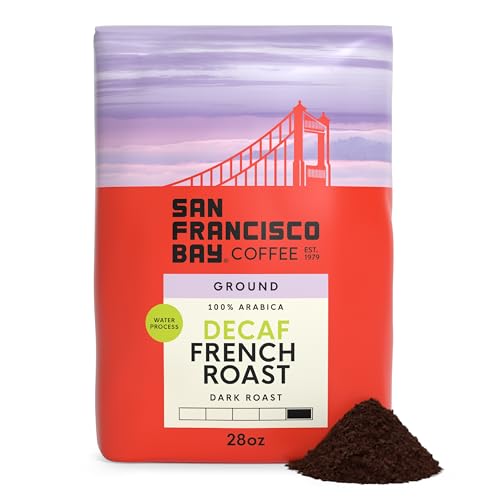
I reach for San Francisco Bay Decaf Dark Roast when I want a bold, no-nonsense decaf that doesn’t sacrifice flavor or quality. It’s made from 100% arabica beans grown at high altitudes in Central and South America, and decaf’d using the Swiss Water Process-so no chemicals are involved. The dark roast delivers a smoky, full-bodied taste that works well in drip machines, French press, or Aeropress. I use two rounded tablespoons per 6 oz of water for best results. It’s Kosher, family-owned, American-made, and part of a sustainable, direct-trade process. If you’re not satisfied, they’ll make it right-just reach out.
Best For: Coffee lovers who want a bold, flavorful decaf without chemicals, prioritizing quality, sustainability, and rich taste.
Pros:
- Made with 100% arabica beans using chemical-free Swiss Water Process decaffeination
- Bold, smoky, full-bodied flavor profile suitable for multiple brewing methods
- Kosher, family-owned, American-made, and committed to sustainable, direct-trade practices
Cons:
- Dark roast may be too intense for those preferring milder decaf flavors
- Available only in ground form, limiting freshness and grind customization
- Larger 28 oz bag may not be ideal for those who consume coffee slowly or prefer smaller batches
Kicking Horse Decaf Dark Roast 10 Oz

This Kicking Horse Decaf Dark Roast 10 oz is a solid choice for anyone who wants a rich, full-bodied decaf without the jolt of caffeine or the hassle of chemicals in the decaffeination process. I use the Swiss Water Process, so it’s 99.9% caffeine-free and keeps the flavor intact. Grown at high elevations and shade-grown, it’s certified Organic, Fairtrade, and Kosher. I roast it in the Canadian Rockies with just one ingredient-green coffee-no additives. You’ll taste roasted hazelnuts and chocolate, with a smooth, earthy finish. A medium-fine grind works best-try it with French Press, Drip, Pour Over, or Espresso.
Best For: Those seeking a high-quality, chemical-free decaf coffee with rich dark roast flavor, ethical sourcing, and versatility across brewing methods.
Pros:
- Certified Organic, Fairtrade, and Kosher with sustainably and shade-grown 100% Arabica beans
- Decaffeinated using the chemical-free Swiss Water Process, preserving bold flavor and removing 99.9% of caffeine
- Deep, complex taste profile with notes of roasted hazelnuts and chocolate, suitable for multiple brewing styles
Cons:
- Limited to a 10 oz package size, which may require frequent reordering for heavy coffee drinkers
- Dark roast may be too bold or earthy for those preferring lighter, fruitier coffee profiles
- Whole bean format requires grinding at home, which may be inconvenient for some users
Green Mountain Decaf Breakfast Blend Coffee
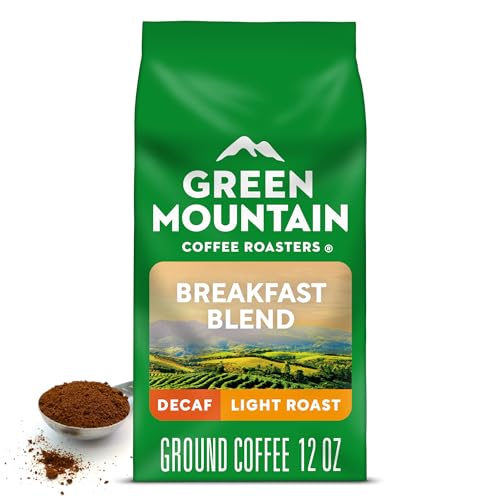
Green Mountain Decaf Breakfast Blend Coffee stands out for those who want a reliable, smooth morning cup without caffeine but don’t want to compromise on taste or quality. I find its light roast delivers a bright, crisp flavor with a clean finish, balanced sweetness, and a subtle nuttiness that’s easy to enjoy daily. The mouthfeel is smooth, almost silky, and it brews well in drip machines or single-serve pods. It’s certified Orthodox Union Kosher, and Green Mountain sources beans responsibly, aligning with sustainable practices. If you prefer a milder, approachable decaf for morning routines, this is a solid pick-no boldness, just consistency.
Best For: Those seeking a smooth, flavorful decaf coffee with a light roast profile perfect for a gentle morning start without caffeine.
Pros:
- Bright, crisp flavor with balanced sweetness and subtle nuttiness
- Smooth, silky mouthfeel that’s easy to drink daily
- Responsibly sourced, sustainably produced, and Orthodox Union Kosher certified
Cons:
- Lacks boldness or depth for those who prefer stronger coffee flavors
- Limited roast intensity may not satisfy dark roast enthusiasts
- Subtle profile can taste underwhelming in poorly calibrated brewing setups
Green Mountain Decaf Breakfast Blend K-Cups (96 Count)

For anyone needing a dependable decaf that still delivers a bright, clean taste without caffeine jolt, Green Mountain Decaf Breakfast Blend K-Cups stand out among light roast options. I find the balanced sweetness and nutty notes smooth, never flat. These 96-count Keurig K-Cups brew consistently thanks to pre-measured pods, and they’re compatible with any Keurig machine. The coffee’s Orthodox Union Kosher certified and made from 100% responsibly sourced beans. After use, you can recycle the pods-peel, dump grounds, and sort components-if your area accepts them. It’s practical, eco-conscious fuel for daily rituals, especially if you value convenience and mild flavor over boldness.
Best For: Those seeking a smooth, reliable decaf light roast with mild flavor and eco-conscious sourcing for everyday convenience.
Pros:
- Bright, clean taste with balanced sweetness and nutty notes in a caffeine-free option
- Compatible with all Keurig K-Cup brewers and consistently brewed thanks to pre-measured pods
- Made from 100% responsibly sourced beans and Orthodox Union Kosher certified
Cons:
- Light roast may lack depth for those preferring bold or rich coffee flavors
- Recycling process requires manual disassembly and is dependent on local facilities
- Packaging may vary, which could cause confusion or inconsistency in appearance
Charleston Coffee Roasters Organic Dark Roast (12 Oz)

Charleston Coffee Roasters Organic Dark Roast (12 Oz) stands out for those who want a clean, bold decaf without compromising on quality or purity. I use beans decaffeinated with the Swiss Water Process-100% chemical-free and certified USDA organic. Their slow roast brings out a full body and rich flavor without bitterness, which is rare in dark roasts. Grown sustainably, the single-origin beans support biodiversity and ethical farming. I’ve found this coffee works well in drip machines and French presses, delivering consistent results. If you want depth without burn or aftertaste, this is a reliable, responsibly sourced option worth trying.
Best For: Those seeking a high-quality, chemical-free decaf dark roast with bold flavor, organic certification, and sustainably sourced single-origin beans.
Pros:
- Uses Swiss Water Process decaffeination, ensuring a 100% chemical-free brew
- Artisan slow roasting delivers rich, full-bodied flavor without bitterness or burnt aftertaste
- USDA organic and sustainably grown, supporting environmental stewardship and ethical farming practices
Cons:
- Limited to decaf drinkers, which may not suit those seeking a caffeine boost
- Single-origin profile may lack the complexity some prefer in blended dark roasts
- Higher price point compared to conventional non-organic or mass-produced dark roasts
Green Mountain Decaf Breakfast Blend Whole Bean

If you’re looking for a reliably smooth decaf that doesn’t sacrifice flavor, this light-roast whole bean option delivers a bright, clean cup with noticeable balance. I’ve found it works well for morning pour-overs or drip machines, offering a crisp, nutty sweetness without bitterness. The silky mouthfeel and clean finish stand out, especially for a decaf. It’s Kosher certified and made from responsibly sourced beans, which matters if you prioritize sustainability. While it lacks the boldness of a dark roast, it’s ideal if you prefer something mellow yet lively. Just grind fresh for best results. Be bold. Be alive. Grab a cup and get out there.™
Best For: Those seeking a smooth, flavorful decaf coffee with a light roast profile that’s ideal for morning brewing and suits kosher and sustainability-conscious preferences.
Pros:
- Bright, balanced flavor with nutty sweetness and a clean, silky finish
- Certified Kosher and made from responsibly sourced beans
- Versatile for pour-over and drip methods, delivering consistent quality
Cons:
- Lacks the bold intensity preferred by dark roast enthusiasts
- Whole beans require grinding for most brewing methods
- Light roast may not satisfy those seeking strong, robust flavor
Green Mountain Hazelnut Decaf K-Cups (96 Count)

I reach for Green Mountain Hazelnut Decaf K-Cups when I want a smooth, flavorful decaf that doesn’t rely on sugar or artificial taste to deliver richness. The light roast carries a sweet, buttery hazelnut note that tastes like toasted nuts, not syrup. These 96 K-Cups brew consistently in any Keurig machine, thanks to their engineered design. They’re decaf, kosher certified, and made with responsibly sourced beans. While the flavor’s strong, it won’t overpower your morning routine. If you dislike nutty profiles, skip them-but for hazelnut fans, they’re a no-mess, reliable pick. No prep, no waste, just one pod per cup.
Best For: Decaf coffee lovers who enjoy a naturally sweet, nutty flavor without added sugars or artificial ingredients.
Pros:
- Smooth, light roast decaf with a rich, buttery hazelnut profile that’s not overly sweet
- Kosher certified and made with responsibly sourced beans for ethical peace of mind
- Consistently brews well in any Keurig single-serve machine with no mess or waste
Cons:
- Flavor may be too nutty for those who prefer plain or non-flavored coffee
- Limited appeal if you dislike hazelnut or flavored coffee profiles
- Packaging, while convenient, contributes to single-use waste despite sustainability efforts
Peet’s Coffee Dark Roast Decaf Pods 32 Count

You’ll want Peet’s Coffee Dark Roast Decaf Pods if you’re after a no-fuss, consistently smooth dark roast that still delivers depth without the caffeine. I find these 32-count pods work well in any single-serve brewer, delivering a rich, spiced flavor with a medium body and bright balance. They’re made from 100% Arabica beans, water-processed to remove caffeine while keeping taste intact. Peet’s roasts them in small batches by hand, so each cup stays true to their 1966 original blend. The decaf roast is fresh, deep, and reliable-ideal for daily use when you want quality without the jolt.
Best For: Those seeking a high-quality, consistently smooth decaffeinated dark roast coffee with rich flavor and no caffeine jolt.
Pros:
- Made from 100% Arabica beans with a naturally water-processed decaf method that preserves flavor
- Deeply roasted in small batches by hand, staying true to Peet’s original 1966 blend for rich, spiced notes
- Compatible with all major single-serve brewers and offers fresh, balanced cups ideal for daily use
Cons:
- Higher price point compared to conventional coffee pods
- Flavor may be too mild for those seeking a bold, intense dark roast experience
- Single-use pods contribute to environmental waste despite Peet’s sustainability efforts
Rio Grande Roasters Decaf Pinon Whole Bean Coffee 3 Pound Bag

Rio Grande Roasters Decaf Pinon Whole Bean Coffee stands out for those who want a decaf with regional character and a smooth, approachable profile. I appreciate how it blends 100% Arabica beans with roasted pinon nuts, giving a subtle nuttiness that’s unique to the Southwest. Medium roasted in small batches, it avoids bitterness while keeping flavor depth. The 3-pound bag locks in freshness, and I’ve found it works well across methods-French press, drip, even AeroPress-delivering consistent results. If you value tradition and want a decaf that doesn’t taste flat, this one’s a solid pick. Just grind fresh for best results.
Best For: Coffee lovers seeking a smooth, decaffeinated brew with a distinctive Southwestern twist and versatility across brewing methods.
Pros:
- Distinctive flavor profile infused with roasted pinon nuts, offering a unique regional character
- Medium roast preserves complexity and smoothness without bitterness, ideal for sensitive palates
- Versatile for multiple brewing methods including French press, drip, and AeroPress
Cons:
- Larger 3-pound bag may be impractical for those who prefer smaller, more frequent purchases
- Decaf flavor may lack the richness some expect from traditional caffeinated nutty blends
- Pinon nut infusion, while unique, might not appeal to those preferring classic, unflavored coffees
Factors to Consider When Choosing Decaf Coffee Roasters
You should pay attention to the decaffeination method because it affects flavor and chemical residues-look for Swiss Water or CO2-processed beans like those from Decaf Coffee Company. Think about roast level and origin too, since a medium roast from Colombia might taste brighter than a dark roast from Indonesia, and each brings different notes to your cup. Don’t overlook certifications like organic or Fair Trade if those values matter to you, and make sure the beans match your brewer-espresso needs finer grinds and different roasts than pour-over.
Decaffeination Method Matters
While flavor preservation starts with the bean, it’s the decaffeination method that ultimately determines how much of the coffee’s character remains after processing. You’ll want to look for the Swiss Water Process, a chemical-free method that uses only water, temperature, and time to remove 97% or more of the caffeine. It relies on green coffee extract to pull out caffeine while preserving the flavor compounds you taste in the cup. Other methods use solvents like methylene chloride or ethyl acetate, which bind to caffeine but require extra washing to remove residues. While effective, they can sometimes strip away more of the coffee’s natural aromas. Water-based processing typically leaves you with a cleaner, more authentic flavor profile. If you’re sensitive to chemicals or want taste fidelity, Swiss Water-processed beans are your best bet. Always check the label-reputable roasters proudly specify their method.
Roast Level Preference
Since roast level shapes the final taste and body of your decaf coffee, choosing the right one comes down to what flavors you want to highlight. Light roasts preserve the bean’s natural character, giving you brighter, crisper cups with subtle sweetness and nutty notes-ideal if you enjoy nuanced, tea-like profiles. If you prefer balance, go with medium roast; it maintains acidity while adding body and complexity without overpowering the bean’s intrinsic flavors. For boldness, dark roast delivers smoky, chocolatey, or earthy tones thanks to longer roasting that alters the bean’s structure. Though darker beans are more porous and easier to extract evenly, roast level doesn’t markedly affect caffeine content-all decaf types retain less than 3%. Pick light for clarity, medium for harmony, or dark for intensity, depending on your brewing method and taste preference.
Bean Origin Importance
Origin matters-where coffee beans are grown directly shapes their flavor, acidity, and body, even after decaffeination. You’ll taste brighter, more vibrant notes in beans from high-elevation regions, where cooler temps slow growth and boost complexity. Arabica beans from Latin America often deliver balanced profiles with nutty, chocolatey depth and crisp acidity-perfect if you prefer a clean, classic cup. African beans, especially from Ethiopia or Kenya, bring fruity, floral, or wine-like tones, thanks to unique heirloom varietals and fertile soils. Volcanic soil or humid microclimates add subtle distinctions, so beans from one farm can taste nothing like another-even within the same country. When choosing decaf, don’t overlook origin: a Colombian decaf will likely taste smoother and more consistent, while an Ethiopian decaf might surprise you with berry-like brightness. Knowing this helps you match decaf beans to your preferred flavor style.
Certifications To Consider
When evaluating decaf coffee roasters, checking for key certifications helps you make informed, values-driven choices. Look for USDA Certified Organic, which guarantees beans are grown without synthetic pesticides or GMOs. If faith-based dietary rules matter to you, choose roasters with Orthodox Union (OU) Kosher certification. For decaffeination, the Swiss Water Process is your best bet-it’s certified chemical-free and uses only water and osmosis, avoiding solvents like methylene chloride. Fairtrade certification supports fair wages, safe working conditions, and sustainable farming, though it may come with a higher price tag. Many organic and sustainable certifications require third-party audits, confirming environmental protection and social responsibility. These labels aren’t just marketing-they reflect real production standards. Prioritizing them means backing ethical labor and eco-friendly practices without sacrificing quality in your cup.
Brewing Compatibility Needs
You’ve checked the certifications-now it’s time to match your decaf coffee choice to how you actually brew. If you use a drip machine, pour over, or French press, go for ground coffee with the right grind size-too fine can over-extract, too coarse may taste weak. For espresso, you need a fine grind and machines built for pressure; most single-serve pods won’t work here unless designed for espresso systems. Whole bean gives you control-grind fresh and adjust coarseness depending on your method. Pods are convenient but only work with compatible brewers like Keurig or Nespresso machines. For AeroPress or stovetop percolators, tweak the grind and brew time to get the strength and clarity you want. Choosing the right format means better flavor and fewer surprises. Match your gear, then brew smarter.
Sustainability Practices Evaluated
While flavor and roast matter, how your decaf coffee is grown and processed has real consequences for the planet and people. You should choose roasters that source 100% of their beans through verified programs like Fair Trade or Rainforest Alliance, guaranteeing environmental and social standards. Opt for certified organic options-these avoid synthetic pesticides and support healthier soil. Look for shade-grown or high-elevation beans, which protect biodiversity and reduce deforestation. Check how the caffeine is removed: water-based methods, like Swiss Water or Mountain Water, avoid chemicals used in solvent-based processes. Support roasters with transparent supply chains and direct relationships with farmers, as these often mean fair wages and long-term sustainability. Brands like Swiss Water, Onyx, and Kicking Horse lead in these areas. You don’t have to sacrifice ethics for taste-doing a little research guarantees both.
Frequently Asked Questions
Is Decaf Coffee Completely Caffeine-Free?
No, decaf coffee isn’t completely caffeine-free. You’re still getting about 2–5 milligrams of caffeine per 8-ounce cup, compared to 80–100 in regular coffee. That’s because decaffeination removes at least 97% of caffeine, but traces remain. If you’re highly sensitive or avoiding caffeine entirely, even that small amount might affect you. Check labels-Swiss Water Process is chemical-free and reliably removes most caffeine without solvents.
How Is Coffee Decaffeinated?
You decaffeinate coffee using water, solvents, or carbon dioxide to remove caffeine from green beans before roasting. The Swiss Water Process uses only water and osmosis, avoiding chemicals. Solvent methods, like methylene chloride or ethyl acetate, are effective but raise some concerns. CO2 is clean and efficient but expensive. Each method preserves flavor differently, so taste matters when choosing. You’ll find Swiss Water Process decaf at many specialty roasters.
Does Decaf Taste Different Than Regular Coffee?
You’ll notice decaf tastes slightly different from regular coffee, but not always in a bad way. The decaf process removes caffeine but can affect flavor compounds too, leading to a milder or less vibrant cup. Swiss Water Process tends to preserve more taste without chemicals. Some roasters optimize for decaf, so you’ll find beans with balanced acidity and body. You’re better off choosing specialty-grade decaf from transparent sources.
Can I Brew Decaf Coffee in an Espresso Machine?
Yes, you can brew decaf coffee in an espresso machine-there’s no technical difference in how it runs. Just use decaf beans labeled “espresso roast” or “espresso blend” for best results. Grind fresh, dose 18–20g for a double shot, and tamp evenly. Pull a 25–30 second shot. Brands like Swiss Water and Decaf Coffee Co. work well. Taste varies by roaster, but quality decaf shouldn’t taste flat or off.
Is Decaf Coffee Safe to Drink Daily?
Yes, you can safely drink decaf coffee every day. It’s low in caffeine-usually 2–5 mg per cup-so it won’t affect sleep or anxiety like regular coffee. Most decaf is made using safe methods like the Swiss Water Process or CO2, which don’t leave harmful residues. Just check the roast date and buy from reputable roasters to guarantee freshness and quality. If you’re sensitive to acids, avoid dark roasts.