Best Espresso Beans That Deliver a Rich, Bold Shot Every Time
You’ll get a rich, bold shot every time with beans like Lavazza Super Crema or Peet’s Dark Roast, blending Arabica and Robusta for intensity and a creamy crema. Medium to dark roasts, such as Death Wish Coffee’s organic blend, offer bold flavor and high caffeine. Fresh grinding and proper storage in an airtight container keep flavors sharp. For consistent results, choose beans roasted within the last two weeks and grind just before brewing-your machine’s performance depends on it. Pick a blend that matches your taste, and you’ll find clear differences in every cup.
We are supported by our audience. When you purchase through links on our site, we may earn an affiliate commission, at no extra cost for you. Learn more. Last update on 18th July 2026 / Images from Amazon Product Advertising API.
Notable Insights
- Lavazza Super Crema delivers a rich, bold shot with a creamy crema and balanced hazelnut-brown sugar sweetness.
- Peet’s Dark Roast offers intense chocolate and hazelnut notes with a full body, ideal for consistent, bold espresso.
- Death Wish Coffee’s dark roast blend provides bold flavor, high caffeine, and deep notes of cocoa and caramelized sugar.
- Lavazza Gran Crema combines Brazilian and Honduran Arabica with African Robusta for a bold, smooth shot with dark chocolate finish.
- Starbucks Espresso Roast delivers a reliably bold, dark roasted profile with caramelly sweetness and deep molasses flavor every time.
Lavazza Espresso Whole Bean Coffee (2.2 lb)
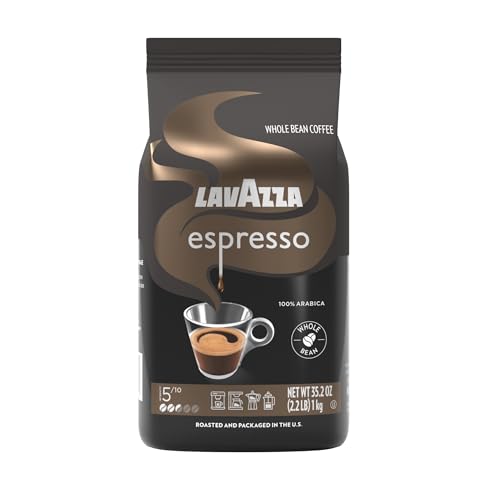
If you’re looking for a reliable, consistently brewed espresso with a smoother finish, this Lavazza Espresso Whole Bean Coffee might be your best bet-especially if you prefer 100% Arabica beans without the bitterness. I use it in my espresso machine, but it works just as well in a moka pot or French press. The medium roast (5/10 intensity) brings out sweet, aromatic notes of florals and fruit-no harsh aftertaste. Sourced from South America and Africa, the beans are naturally caffeinated and processed in coffee-only facilities. Lavazza’s been perfecting their craft since 1895, and it shows in the consistent quality.
Best For: Coffee lovers seeking a smooth, aromatic espresso with a medium roast profile from 100% Arabica beans.
Pros:
- 100% Arabica beans sourced from South America and Africa for a balanced, flavorful cup
- Medium roast (5/10 intensity) highlights sweet, floral, and fruity aroma notes without bitterness
- Versatile preparation suitable for espresso machines, moka pots, drip coffee, and French press
Cons:
- Larger 2.2 lb bag may not be ideal for those who prefer buying smaller quantities to maximize freshness
- Flavor profile may be too mild for drinkers who prefer bold, dark roast characteristics
- Limited origin transparency beyond regional sourcing (no specific country or farm details)
Lavazza Super Crema Whole Bean Coffee (22 oz)
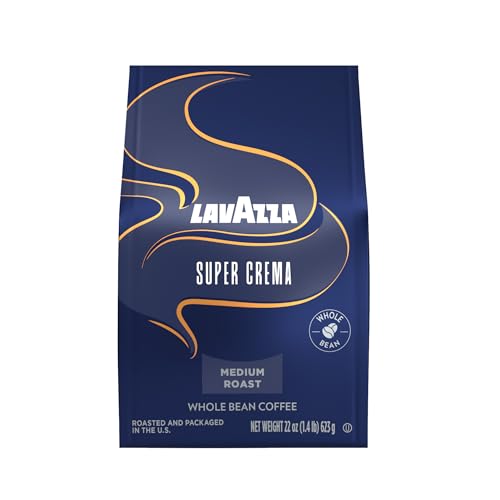
I reach for Lavazza Super Crema Whole Bean Coffee when I want a smooth, café-style espresso without spending specialty prices. This 22 oz medium roast blends Arabica and Robusta beans from 15 countries, giving a full-bodied shot with hints of hazelnut and brown sugar. It’s designed for espresso-use 0.28 oz ground for a 1 oz shot. The crema comes out creamy, with a bold but balanced taste. Since it’s pure coffee, no additives, and processed in dedicated facilities, it’s consistent and reliable. I grind it fresh for the best results, and while it’s not a single-origin standout, it’s a smart, practical choice for daily use.
Best For: Espresso lovers seeking a smooth, creamy, and affordable daily coffee with consistent quality and no additives.
Pros:
- Balanced medium roast with a full-bodied texture and aromatic notes of hazelnut and brown sugar
- Produces a rich, creamy crema ideal for café-style espresso drinks
- Sourced from 15 countries and processed in dedicated facilities, ensuring purity and consistency
Cons:
- Blend of Arabica and Robusta may lack the nuanced flavor profile of single-origin specialty beans
- Whole beans require grinding right before brewing for optimal freshness and performance
- May not satisfy those seeking a very light or very dark roast, as it’s strictly medium
Lavazza Super Crema Whole Bean Coffee (2.2 lb)
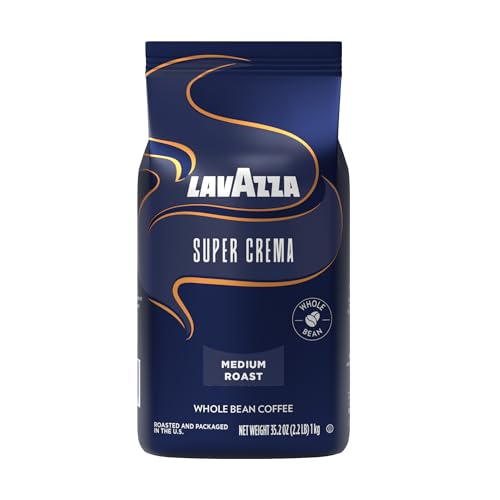
Lavazza Super Crema Whole Bean Coffee stands out for those who want a smooth, rich espresso without the complexity of sourcing single-origin beans. I rely on this blend because it’s consistent and easy to use-just 0.28 oz of ground coffee delivers a solid 1 oz shot. It’s a medium roast with Arabica and Robusta beans from 15 countries, giving it a balanced, full-bodied flavor with a creamy finish and hints of hazelnut and brown sugar. The 2.2 lb bag lasts weeks, making it practical for daily use. Since it’s pure coffee with no additives, and the production line only handles coffee, cross-contamination isn’t a concern. It’s not fancy, but it’s reliable.
Best For: Home espresso enthusiasts seeking a consistent, smooth, and creamy medium roast blend without the hassle of single-origin sourcing.
Pros:
- Balanced, full-bodied flavor with a creamy finish and aromatic notes of hazelnut and brown sugar
- Convenient 2.2 lb resealable bag ideal for frequent, daily use
- Produced in a dedicated coffee-only facility, minimizing risk of cross-contamination
Cons:
- Blend includes Robusta beans, which may be less desirable for purists preferring 100% Arabica
- Flavor profile, while smooth, lacks the complexity and nuance of specialty single-origin coffees
- Pre-ground consistency may vary if not using a high-quality grinder for optimal espresso extraction
Lavazza Espresso Barista Gran Crema (35.2 oz)

This medium roast packs a balanced punch, making it a solid pick for espresso lovers who want complexity without the bitterness. I use Lavazza Espresso Barista Gran Crema because it’s a 2.2 lb blend of Arabica from Brazil and Honduras with African Robusta, giving it body and kick. Roasted to level 7, it’s bold but smooth. I taste honey, dark chocolate, and a hint of spice-no harsh aftertaste. It works best in espresso machines or moka pots, though I’ve used it in drip or French press with decent results. The large 35.2 oz bag saves trips to the store, but I store it in an airtight container to keep it fresh.
Best For: Espresso enthusiasts seeking a balanced, full-bodied medium roast with nuanced flavors and reliable performance across brewing methods.
Pros:
- Rich, complex flavor profile with notes of honey, dark chocolate, and spice
- Versatile blend that performs well in espresso machines, moka pots, drip, and French press
- Large 35.2 oz bag offers value and reduces shopping frequency
Cons:
- Requires proper storage to maintain freshness due to large bag size
- May be too bold for those preferring lighter roast profiles
- Flavor nuances can be muted in non-espresso brewing methods
Starbucks Espresso Roast Whole Bean Coffee (18 oz)
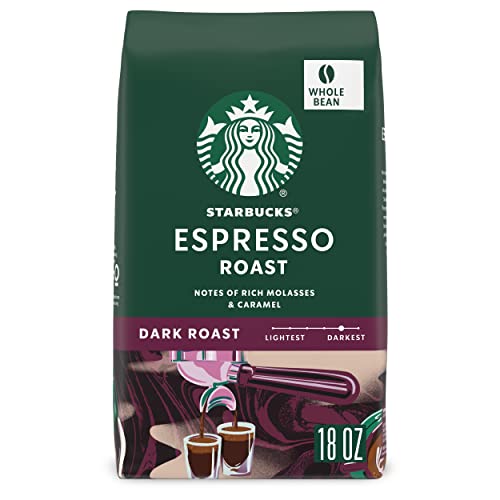
If you’re after a reliable, no-fuss dark roast that pulls double duty whether you’re making espresso or dialing in a morning pour-over, Starbucks Espresso Roast is built for daily use. I find it consistent, with rich molasses and caramelly sweetness that holds up across brewing methods. It’s a 100% Arabica blend, dark roasted and unchanged since 1975, so you know what to expect-depth without bitterness. I use it in my espresso machine or French press, and it delivers. Sourced ethically with Conservation International, it matches café quality at home. Nestlé sells it under license, but the beans meet Starbucks’ freshness standards. Great for routines, not surprises.
Best For: Coffee lovers who want a consistent, versatile dark roast for espresso and other brewing methods with rich, sweet depth and ethical sourcing.
Pros:
- Balanced dark roast with rich molasses and caramelly sweetness that performs well across brewing methods
- Made from 100% ethically sourced Arabica beans in partnership with Conservation International
- Matches Starbucks café quality with guaranteed freshness and unchanged flavor since 1975
Cons:
- Dark roast may be too bold or intense for those who prefer lighter, more nuanced profiles
- Packaged by Nestlé under license, which some consumers may perceive as affecting brand authenticity
- Limited flavor complexity for specialty coffee enthusiasts seeking origin-specific characteristics
Lavazza Espresso Whole Bean Coffee, Medium Roast, 100% Arabica, 2.2 lb Bag
For someone who wants a balanced, versatile espresso without the sharp bite of a dark roast, this medium-bodied 100% Arabica option hits the sweet spot. I grind it fresh for my espresso machine, and it delivers a smooth shot with a 5/10 intensity-bright but not acidic, with subtle floral and fruit notes. It works just as well in a moka pot or French press, giving me flexibility. The 2.2 lb bag keeps me stocked for weeks, and since it’s pure coffee with no additives, I know I’m getting a clean brew. Just store it airtight-it stays fresher longer.
Best For: Coffee lovers seeking a smooth, aromatic, and versatile medium roast espresso with balanced flavor and no additives.
Pros:
- 100% Arabica beans with a clean, naturally caffeinated profile and subtle floral and fruit notes
- Medium 5/10 roast intensity ideal for those avoiding the bitterness of dark roasts
- Works well across multiple brewing methods including espresso, moka pot, French press, and drip
Cons:
- Large 2.2 lb bag may not be ideal for those who prefer buying smaller quantities for maximum freshness
- Aromatic profile may be too mild for fans of bold, intense espresso
- Requires airtight storage to maintain freshness over time
Gaviña Old Havana Espresso (32 oz)

Gaviña Old Havana Espresso (32 oz) stands out for anyone who values a smooth, balanced shot with a distinct Latin character, especially if you’re using an espresso machine or moka pot at home. I prefer it because it’s made from 100% Arabica beans, roasted medium-dark for rich flavor without excessive bitterness. You’ll notice nutty sweetness and a hint of citrus, which sets it apart from heavier Italian roasts. For best results, grind the beans just before brewing. Gaviña supports ethical sourcing through its Direct Impact Initiative and uses a zero-waste facility in Los Angeles. It’s a reliable, quality-backed choice rooted in over 140 years of family roasting tradition.
Best For: Home espresso enthusiasts seeking a smooth, Latin-inspired medium-dark roast with nutty sweetness and ethical sourcing.
Pros:
- Made from 100% Arabica beans with a balanced, nuanced flavor profile
- Roasted in a zero-waste-to-landfill facility supporting sustainability
- Backed by over 140 years of family craftsmanship and ethical sourcing via the Direct Impact Initiative
Cons:
- Whole bean format requires grinder for espresso machines, adding extra step
- Subtle citrus notes may not appeal to fans of bold, traditional Italian roasts
- 32 oz bag may be too large for low-volume coffee drinkers, risking staleness
Starbucks Blonde Espresso Roast Whole Coffee Beans, 200g

I reach for Starbucks Blonde Espresso Roast Whole Coffee Beans, 200g, when I want a light roast with a smooth, approachable profile that still delivers on espresso intensity. The mild roasting method brings out sweet notes and a vibrant character without the bitterness some dark roasts carry. I’ve found it works well in most home espresso machines, giving me a velvety shot with consistent crema. It’s a reliable choice if you prefer balanced, bright espresso over bold, smoky flavors. Since it comes in a 200g bag, it’s just right for regular use without worrying about staleness. Whole beans mean I need to grind them fresh, but that’s standard.
Best For: Coffee lovers who prefer a smooth, light roast espresso with sweet, bright notes and a velvety texture.
Pros:
- Delivers a balanced, vibrant flavor with sweet notes and low bitterness
- Well-suited for home espresso machines, producing consistent crema
- 200g whole bean packaging preserves freshness for regular home use
Cons:
- Requires grinding fresh before brewing, adding extra step for convenience seekers
- Light roast may lack the bold, intense profile preferred by traditional espresso drinkers
- Not ideal for those who enjoy smoky, dark roast characteristics
Peet’s Dark Roast Whole Bean Coffee

Peet’s Dark Roast Whole Bean Coffee stands out as a strong choice for espresso lovers who want bold, full-bodied flavor without sacrificing balance. I’ve found it delivers intense chocolate and hazelnut notes with a smooth, rich crema-ideal for a classic shot. It’s crafted for espresso, so use a fine grind, but you can adapt it for French press (coarse) or drip (medium). Sourced from 100% Arabica beans, it blends earthy depth and bright spice, giving complexity without harshness. Peet’s ethical sourcing and small-batch roasting guarantee quality. After years of testing beans, I trust this one for consistent, no-fuss espresso at home.
Best For: Home espresso enthusiasts seeking a bold, balanced dark roast with rich crema and consistent quality.
Pros:
- Delivers intense chocolate and hazelnut notes with a smooth, rich crema ideal for espresso
- Versatile grind options for multiple brewing methods including espresso, French press, and drip
- Ethically sourced 100% Arabica beans with small-batch roasting for superior quality and flavor complexity
Cons:
- Dark roast may be too intense for those preferring milder, lighter coffee profiles
- Whole bean requires grinding separately, adding a step for convenience-focused users
- Larger 32-ounce bag may lead to staleness if not consumed promptly after opening
Death Wish Coffee Organic Espresso Roast (14 oz)

If you’re chasing a bold, high-octane espresso that doesn’t skimp on smoothness, Death Wish Coffee Organic Espresso Roast (14 oz) is built for you-think of it as the pit bull of dark roasts: intense, powerful, and unapologetically awake. I rely on this blend when I need rich, consistent shots with depth. It’s a mix of Arabica and Robusta beans from India, Peru, and Sumatra, roasted dark for bold flavor without bitterness. You’ll taste caramelized sugar, cocoa, and cherries-ideal for espresso or strong drip. It’s organic and Fair Trade Certified, so it’s ethical, too. Just grind fresh, tamp evenly, and pull. Works great in most machines, but stick to medium-fine grinds for best results. Not for mild palates, but if you want strength with balance, this delivers-no hype needed.
Best For: Coffee lovers who crave a bold, high-caffeine espresso roast with intense flavor and ethical sourcing.
Pros:
- Exceptionally strong dark roast with smooth, balanced flavor notes of caramelized sugar, cocoa, and cherries
- Organic and Fair Trade Certified, ensuring ethical sourcing and high-quality, sustainable production
- Versatile grind performance ideal for espresso and strong drip coffee in most machines
Cons:
- May be too intense or overpowering for those who prefer mild or medium roasts
- Robusta content, while adding strength, may give a slightly heavier mouthfeel some purists dislike
- Limited to 14-ounce packaging, which may require more frequent reordering for heavy users
Factors to Consider When Choosing Espresso Beans 2024
You’ll want to pick espresso beans with a roast level that matches your taste-darker roasts bring boldness, while medium roasts highlight origin character. Your choice of bean origin affects flavor too, like how Ethiopian beans add fruity notes and Brazilian ones offer nutty richness. Make sure the flavor balance, caffeine level, and grind size work with your machine and preferred drink, whether it’s a quick ristretto or a daily latte.
Roast Level Matters
While roast level plays a crucial role in shaping your espresso’s flavor and body, finding the right one depends on what you value in the cup. You’ll typically see espresso beans roasted medium to dark (roast levels 5–10), as this brings out a heavier body, rich crema, and balanced bitterness. Medium roasts preserve more of the bean’s natural aromas and subtle complexity, while dark roasts emphasize bold notes like chocolate and caramel. Don’t overlook lighter roasts-they offer higher acidity and more origin character, great if you prefer nuanced shots. But be cautious: roasts above level 9 often taste charred, masking the bean’s qualities with excessive bitterness. Check the roast scale on the bag to match the intensity to your taste. Aim for level 6–8 for reliable, full-bodied espresso with depth but still some character.
Bean Origin Influence
The origin of your espresso beans plays a decisive role in shaping the final cup, with distinct flavor profiles emerging from different coffee-growing regions. If you’re sourcing African beans, expect bright acidity and vibrant floral, citrus, or berry notes-ideal if you prefer lively, complex shots. Beans from South America, like Colombia or Brazil, deliver balanced acidity, a medium body, and subtle hints of cocoa, nuts, or sweet fruit, making them reliable for smooth, consistent espresso. Opt for Southeast Asian or Pacific beans, like Sumatran, if you want low acidity and a heavier body with earthy, woody, or spicy tones. Many roasters blend origins to combine strengths-bright African beans with fuller South American or Indonesian ones-for better shot balance. Know your origin to match the espresso style you want.
Flavor Profile Balance
A well-balanced espresso isn’t just about smooth taste-it’s the result of careful bean selection and precise brewing. You want sweetness, acidity, and bitterness working together, not one overpowering the others. Medium roasts usually deliver this best, keeping the bean’s natural brightness while adding caramelized depth. Look for beans with a flavor intensity between 5 and 7-strong enough to impress, mild enough to stay balanced. Flavors like dark chocolate with a hint of cherry or almond with floral notes often blend well. Avoid extreme profiles that lean too hard into sourness or bitterness. Keep in mind, even the best beans fail with poor extraction: under-extract and it’s sour, over-extract and it turns harsh. Use a quality grinder and dial in your dose, time, and ratio to preserve those nuanced, balanced flavors you’re after.
Caffeine Content Consideration
Don’t let flavor balance overshadow your energy needs-caffeine content matters when picking espresso beans, especially if you rely on that shot for a boost. If you need more kick, choose beans with higher caffeine: Robusta has nearly double the caffeine of Arabica, at 2.7% vs. 1.5%. But don’t expect roast level to make a big difference-light or dark, caffeine stays nearly the same. A standard 1-ounce espresso shot delivers 60–80 mg of caffeine, mostly based on dose and extraction, not roast. For a stronger punch without harsh taste, pick Arabica-Robusta blends-Robusta adds caffeine and better crema. Just remember, decaf beans aren’t the answer if you want stimulation; they’re required to have at least 97% less caffeine. Stick to regular caffeinated beans for real energy.
Grind Size Compatibility
Since espresso relies on high pressure to extract flavor quickly, you’ll need a fine grind-between 0.5 and 1.5 millimeters-to slow water flow and maximize contact with the coffee. You’re aiming for a shot that extracts in 25 to 30 seconds with a 1:2 coffee-to-water ratio. If your grind’s too fine, water struggles to pass, leading to over-extraction and a bitter, clogged shot. Too coarse, and water zips through, yielding a sour, thin result with weak crema. Grind size directly controls extraction, so precision matters. Blade grinders won’t cut it-they create uneven particles. You need a calibrated burr grinder, like the Baratza Encore or 1ZPresso Q2, to guarantee consistency. Different beans and roast levels may need small adjustments, but staying in that fine, sand-like range is non-negotiable for real espresso.
Freshness And Storage
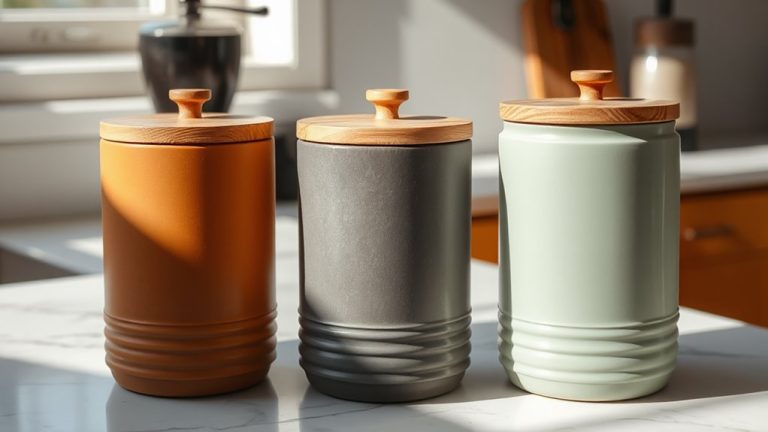
While peak flavor starts fading within days of roasting, you can maintain quality by paying close attention to how you store your beans. Always check the roast date-aim to use beans within 7–14 days for the richest shot. Buy whole beans instead of pre-ground, since they stay fresh longer-up to 2–4 weeks if stored right. Keep them in an airtight container away from light, heat, and moisture, ideally in a cool, dark cupboard. Avoid the fridge or freezer; they introduce condensation and temperature swings that hurt flavor. Let beans rest 48 hours post-roast to finish degassing, which improves extraction. Oxygen is the biggest enemy, so seal them tight after each use. A simple mason jar with a solid lid works fine, but dedicated coffee canisters with one-way valves are better. Freshness isn’t just about timing-it’s how you protect the beans every step of the way.
Certifications And Ethics
If you care about where your espresso beans come from, looking at certifications helps you make informed choices. Fair Trade means farmers get fair pay and safe working conditions, verified by independent groups. Organic certification guarantees no synthetic pesticides or fertilizers, supporting soil health and environmental sustainability. Third-party labels like Rainforest Alliance and UTZ also promote responsible farming, worker welfare, and biodiversity. These certifications often require traceability, so you know exactly where your beans originated. Many even fund community projects, improving access to education and healthcare in farming regions. While certified beans can cost a bit more, they offer transparency and ethical assurance. Choosing certified espresso doesn’t guarantee better flavor, but it does support better practices. If ethical sourcing matters to you, check for these labels-they provide real accountability in an often opaque supply chain.
Frequently Asked Questions
Can I Use These Beans in a Drip Coffee Maker?
Yes, you can use these beans in a drip coffee maker. They’ll work fine and still taste good, though you might not get the full intensity they’re designed for. Espresso beans are usually roasted darker, which can make drip coffee taste bolder or slightly bitter if over-extracted. For balanced flavor, adjust your grind size and brew time. Lighter roasts often suit drip better, but if you like rich, heavy coffee, stick with them.
Do Any of These Brands Offer Decaf Espresso Options?
Yes, several top espresso brands offer decaf options that still deliver rich, bold shots. You can find decaf versions from brands like Illy, Lavazza, and Stumptown-they use the Swiss Water Process or CO2 method to remove caffeine while preserving flavor. If you’re sensitive to caffeine but want strong espresso taste, try Lavazza’s Dek Decaf orilly’s Decaffeinato. Just know decaf beans may extract slightly differently, so tweak your grind size or brew time for best results.
Are These Beans Suitable for Cold Brew Coffee?
Yes, you can use these beans for cold brew, but you’ll get better results with coarsely ground, medium to dark roasted beans designed for longer steeping. While their bold, rich profile works, espresso beans are often too finely ground and may over-extract, creating bitterness. For cold brew, choose a bean labeled for that method-like Chameleon Cold Brew or Stumptown Niche-unless you adjust grind size and steeping time carefully.
How Long Do These Espresso Beans Stay Fresh After Opening?
They stay fresh for about 2–3 weeks after opening if you store them properly. You keep them in an airtight container, away from light, heat, and moisture-no fridge or freezer. After three weeks, you’ll notice a drop in flavor and aroma. For best results, buy smaller batches and grind right before brewing. Whole beans last longer than pre-ground, so you’re better off grinding fresh.
Can I Grind These Beans in a Blade Grinder Effectively?
You can grind espresso beans in a blade grinder, but you won’t get consistent results. Blade grinders chop beans unevenly, causing some particles to be too fine and others too coarse, which leads to sour or bitter shots. For espresso, uniformity matters-burr grinders (like the Baratza Encore or $50 hand mills) give you the control you need. If you use blade, shake in short bursts and use quickly. It’s not ideal, but it works in a pinch.