Best Paper Coffee Filters: Melitta, If You Care & More Tested
You get a clean, flavorful brew every time when you pick the right filter. Go with Melitta #4 Cone or If You Care baskets if you want chlorine-free, compostable paper that fits most 8–12 cup brewers. Unbleached filters avoid chemical residues, while microfine holes and double crimped edges improve flow and reduce tearing. Pre-wet them to cut paper taste. Thicker, FSC-certified paper from brands like PADELE or Rupert and Jeoffreys gives better filtration. Your choice affects taste, clarity, and environmental impact-know what works for your machine and routine.
We are supported by our audience. When you purchase through links on our site, we may earn an affiliate commission, at no extra cost for you. Learn more. Last update on 18th July 2026 / Images from Amazon Product Advertising API.
Notable Insights
- Choose unbleached, chlorine-free filters to avoid chemical residues and preserve the coffee’s natural flavor.
- Opt for filters with microfine perforations and uniform thickness for even water flow and optimal extraction.
- Use double crimped or heat-sealed edge filters to prevent leaks and ensure durability during brewing.
- Select FSC or SFI-certified compostable filters for sustainability and responsible sourcing.
- Pre-wet unbleached filters to eliminate paper taste and improve adhesion to the brew basket.
Amazon Basics Basket Coffee Filters (200 Count)

If you use an 8- to 12-cup basket-style coffee maker and want a reliable, no-frills filter, the Amazon Basics Basket Coffee Filters (200 Count) are one of the most practical choices. I’ve found they filter out grit effectively while letting rich flavors through. They’re made from compostable paper that meets ASTM D6868-11, and they’re SFI-certified (SFI-01675), so I know they come from responsibly managed forests. Just check your local composting rules-most places require industrial facilities. They won’t wow you with fancy branding, but they work consistently, cost little, and do exactly what they promise.
Best For: Budget-conscious coffee drinkers with an 8- to 12-cup basket-style coffee maker who want reliable, compostable filters from sustainably sourced materials.
Pros:
- Effectively filters out gritty sediment while preserving rich coffee flavor
- Made from compostable paper meeting ASTM D6868-11 and SFI-certified (SFI-01675) for sustainable forestry
- Affordable, no-frills option with consistent performance
Cons:
- Composting requires access to industrial or municipal composting facilities
- Limited to basket-style coffee makers (not cone-shaped)
- Minimal branding or premium features may feel basic to some users
Melitta #4 Cone Coffee Filters (300 Count)

I reach for the Melitta #4 Cone Coffee Filters (300 Count) when I need a reliable, no-mess option for my 8- to 12-cup cone coffee maker, and I know they’ll hold up during brewing thanks to their burst-resistant, double-crimped edges. The thicker, chlorine-free paper traps sediments and oils, giving me a clean, balanced cup every time. Microfine perforations boost flavor extraction without overdoing bitterness. They fit my pour-over and standard cone brewers perfectly. Plus, they’re FSC and BPI certified - compostable and made in the USA. The 3-pack stays fresh, and the recycled packaging aligns with my low-waste routine.
Best For: Home coffee brewers seeking a reliable, eco-friendly filter that delivers a clean, full-flavored cup from 8- to 12-cup cone coffee makers and pour-over systems.
Pros:
- Burst-resistant, double-crimped edges prevent tearing and spills during brewing
- Thicker, chlorine-free paper traps sediments and oils for a smooth, clean cup
- FSC and BPI certified, compostable, and packaged in 100% recycled paperboard
Cons:
- May be pricier than non-branded or conventional filters
- Natural brown color may be less visually appealing to some users
- Only compatible with cone-shaped brewers, not flat-bottom or basket-style machines
8-12 Cup Basket Coffee Filters (Natural Unbleached, 200)
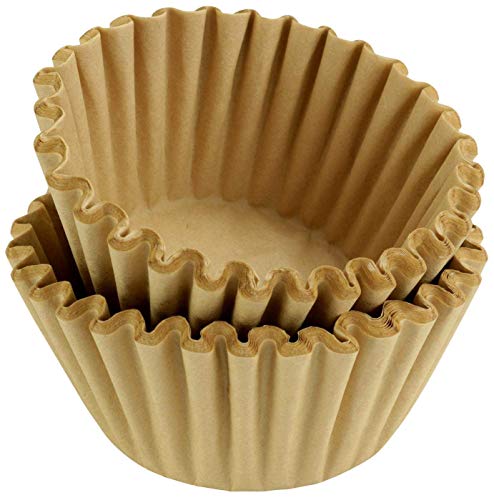
I reach for the 2 Cup Basket Coffee Filters (Natural Unbleached, 200) when I need a reliable, no-fuss option for small-batch brewing-just right for one or two cups without overflow or waste. These unbleached paper filters fit most 2-cup basket-style brewers and hold up well during brewing, thanks to their sturdy design. They trap fine grounds and oils that can add bitterness, giving you a cleaner cup than metal or cloth. Since they’re unbleached, there’s no paper taste, and they’re biodegradable, so disposal is eco-friendly. I skip the cleanup hassle of reusable filters-these make brewing fast and simple. Made in the USA by Rupert and Jeoffreys, they’re a smart, no-waste pick for smaller pots.
Best For: Those who brew small batches of coffee and prefer a clean, eco-friendly, and convenient disposable filter for 2-cup basket-style coffee makers.
Pros:
- Sturdy, unbleached paper construction prevents tearing and collapse during brewing
- Effectively filters oils and fine grounds for a smoother, less bitter cup of coffee
- Biodegradable and made in the USA, offering an eco-conscious, no-mess option
Cons:
- Designed only for 2-cup basket-style brewers, limiting compatibility with larger models
- May be less cost-effective over time compared to reusable metal or cloth filters
- Potential for slight paper residue if not rinsed prior to use, though unbleached design minimizes taste impact
200 Count Unbleached Coffee Filters #4

A 200-count pack of unbleached coffee filters in size #4 works best for daily pour-over or drip coffee drinkers who brew 8 to 12 cups regularly and prioritize eco-friendly materials without sacrificing performance. I use these POXXU filters because they’re made from natural, unbleached paper-no bleach, no chemical smell. Their cone shape fits most 8-12 cup brewers, including Ninja and standard drip machines, but you’ll need to fold the seams into a cone first. I always pre-wet them with hot water to prevent tearing and improve the seal. The built-in tab makes cleanup easy. At 200 filters, this pack lasts me over six months.
Best For: Daily pour-over or drip coffee drinkers who brew 8 to 12 cups regularly and prioritize eco-friendly, unbleached materials.
Pros:
- Made from biodegradable, unbleached natural paper with no chemical smell
- Heat-sealed edges provide leak-proof performance without added chemicals
- Includes 200 filters with a handy tab for easy, clean removal after brewing
Cons:
- Requires folding seams into a cone shape before use, which may be inconvenient
- May tear if not pre-wet with hot water prior to brewing
- Compatibility not guaranteed with all brewers-must verify size fit manually
Amazon Basics Basket Coffee Filters (200 Count)

You’ll find these Amazon Basics Basket Coffee Filters ideal if you own a 4-cup coffee maker and prefer a no-frills, reliable option that delivers consistent results without a premium price. I use them in my drip machine, and they fit perfectly-no tearing or overflow. They’re made from compostable paper and meet ASTM D6868-11, so I can toss used filters in my compost bin, though I check with my local facility first. The packaging uses 20% post-consumer recycled plastic, and they’re SFI-certified, meaning the paper comes from responsibly managed forests. Assembled in the USA, they’re a practical choice if you like Melitta-style filters but want to save money.
Best For: Budget-conscious coffee drinkers who use 4-cup basket-style coffee makers and want a reliable, compostable filter that fits most standard machines.
Pros:
- Compostable paper meets ASTM D6868-11 standard and is SFI-certified for sustainable forestry
- Fits snugly in 4-cup basket coffee makers without tearing or leaking
- Packaging contains 20% post-consumer recycled plastic and is assembled in the USA
Cons:
- Limited to 4-cup models, so not suitable for larger coffee makers
- Composting requires access to municipal or industrial facilities
- Basic design offers no premium features like reduced paper taste or extra durability
Melitta #2 Cone Coffee Filters (100 Count)

One of the most reliable choices for drip coffee enthusiasts using a 2-6 cup electric cone brewer or a single-serve pour-over setup is the Melitta #2 Cone Coffee Filter. I trust these natural brown, chlorine-free paper filters because they’re thicker and reduce sediment, giving me a cleaner cup. The microfine perforations improve extraction, while the double crimped edge resists tearing. They’re compostable, BPI and FSC certified, and the box is made from 100% recycled paperboard. Made in the USA, they’re a durable, eco-conscious pick that’s been around since 1908-simplicity done right.
Best For: Drip coffee enthusiasts using 2-6 cup electric cone brewers or single-serve pour-over makers who want a clean, sediment-free brew with eco-friendly, compostable filters.
Pros:
- Made from thicker, chlorine-free paper for reduced impurities and a smoother cup
- Features microfine perforations and a double crimped edge for optimal extraction and tear resistance
- BPI and FSC certified, compostable, and packaged in 100% recycled paperboard for sustainable use
Cons:
- Limited to cone #2 compatible brewers, not suitable for other filter sizes or types
- Natural brown paper may shed small fibers if not handled carefully
- Some users may prefer bleached filters for aesthetic preference or perceived cleanliness
200 Count #4 Cone Coffee Filters

When it comes to brewing clean, flavorful coffee without the hassle of permanent filters or paper taste, these 200 count #4 cone coffee filters are my go-to choice-especially if you use a Ninja, drip, or pour over system. Made from unbleached natural wood pulp, they’re odor-free, sturdy, and tear-resistant. They fit most 8-12 cup brewers and effectively trap grounds and excess oils, giving you a smoother, richer cup. I always rinse them first with hot water-it locks them in place and cuts any hint of paper flavor. Just check your brewer’s size; #4 is common, but not universal. At 200 per pack, they’re practical and affordable.
Best For: Coffee lovers using Ninja, drip, or pour over systems who want clean, flavorful coffee with unbleached, natural filters.
Pros:
- Made from unbleached natural wood pulp, free from artificial additives and odor
- Effectively filters out coffee grounds and excess oils for a smoother, richer brew
- Pack of 200 offers great value and is compatible with most 8-12 cup coffee makers
Cons:
- Requires pre-wetting with hot water to prevent paper taste and ensure proper fit
- Not universally compatible-some brewers may require a different size
- Paper filters are single-use, less eco-friendly than reusable options
If You Care Coffee Filter Baskets 100 CT

If You Care’s Coffee Filter Baskets suit the routine of an eco-conscious coffee drinker who prioritizes sustainability without sacrificing convenience. I use these unbleached, totally chlorine-free (TCF) paper filters because they’re compostable and avoid harmful chemicals. They’re #6 basket-style, fitting most 8–12 cup drip machines. Each pack holds 100 filters, so I’m not constantly reordering. They hold up well during brewing-no rips or leaks. Since they’re not bleached, there’s no papery taste in my coffee. I appreciate that they’re simple, functional, and planet-friendly, which fits my low-waste lifestyle.
Best For: Eco-conscious coffee drinkers seeking sustainable, compostable filters that fit standard 8–12 cup drip coffee makers.
Pros:
- Made from unbleached, totally chlorine-free (TCF) paper, reducing environmental impact
- Compostable and free of chemical residues, contributing to a low-waste lifestyle
- Durable during brewing with no rips, leaks, or unwanted papery taste
Cons:
- Limited to basket-style (#6) machines, not suitable for cone or other filter types
- May be slightly more expensive than conventional bleached paper filters
- Packaging size could be misleading-filters are compressed, may appear fewer than expected
Coffee Filters #4, 200-Pack Unbleached
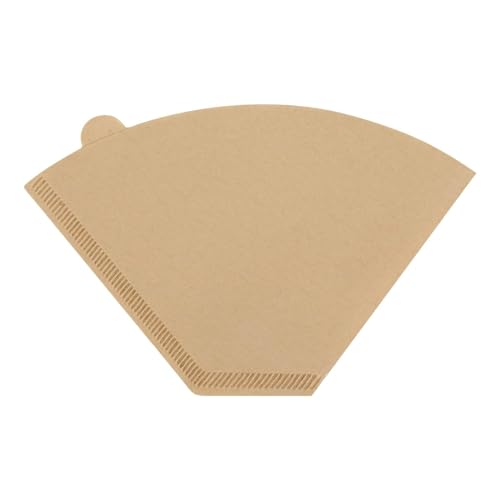
You’ll get the cleanest, most balanced brew with PADELE’s #4 Unbleached Natural coffee filters if you use a standard 8- to 12-cup drip or pour-over brewer-especially models from Cuisinart, Ninja, or Hamilton Beach. I find these cone-shaped filters hold up well during brewing, thanks to their tear-resistant design and even thickness. They let water flow smoothly, pulling out rich flavor while trapping bitter oils. Made from unbleached organic pulp, they’re compostable and eco-friendly. Each pack gives you 200 filters-enough to last a while. I also appreciate that PADELE supports tree planting with every purchase.
Best For: Home coffee brewers who use 8- to 12-cup drip or pour-over machines and prefer eco-friendly, unbleached filters for a clean, rich taste.
Pros:
- Compatible with popular brands like Cuisinart, Ninja, and Hamilton Beach for reliable fit
- Made from unbleached organic pulp, fully compostable, and supports sustainability through tree planting initiatives
- Durable, tear-resistant design with even thickness for optimal flavor extraction and reduced bitterness
Cons:
- May not fit non-conical or specialty brewers outside the #4 size specification
- Unbleached paper may impart a slight natural paper taste for sensitive drinkers
- Larger package dimensions may require dedicated storage space
Melitta #4 Cone Coffee Filters (600-Pack)

For anyone using an 8- to 12-cup cone-shaped coffee maker or pour-over setup, the Melitta #4 Cone Coffee Filters (600-Pack) are a reliable daily choice. I use them because they fit snugly and resist tearing, thanks to double crimped edges and thick, unbleached paper. They’re chlorine-free and compostable, so I feel good about waste. Microfine perforations pull out impurities while letting oils through for a clean, rich brew. They’re FSC and BPI certified, and the box is 100% recycled. Made in the USA, they work flawlessly with my Cuisinart and Hario brewer. One pack lasts me months.
Best For: Home brewers using 8- to 12-cup cone coffee makers or pour-over systems who prioritize quality, sustainability, and durability in their filters.
Pros:
- Double crimped edges and thick, chlorine-free paper prevent tearing and deliver a clean, full-flavored brew
- FSC and BPI certified, compostable, and packaged in 100% recycled paperboard for eco-conscious consumers
- Universal fit for cone brewers like Cuisinart and Hario, with microfine perforations for optimal extraction
Cons:
- Slightly higher price point compared to generic or bleached filters
- Natural brown color may appear less “clean” to some users despite being unbleached and eco-friendly
- Not ideal for small 1-4 cup brewers due to size mismatch
Factors to Consider When Choosing Paper Coffee Filters
You’ll want to match your filter size to your brewer-using the wrong fit can lead to spills or uneven brewing. Think about material and safety, too; bleached filters are common, but unbleached or oxygen-whitened ones avoid chlorine and might affect taste. Also, check for environmental certs like FSC, and weigh how much flavor clarity you’re after, since paper thickness and shape influence brewing performance.
Filter Size Compatibility
A single mismatched filter can ruin your brew, so choosing the right size matters. You need to match your filter to your coffee maker’s basket or cone design. Cone filters come in standard sizes like #2, #4, or #6-each fits specific pour-over or drip systems. For example, a #4 cone works with most 8-12 cup brewers. Basket-style filters are sized by capacity, not numbers, so grab an 8-12 cup filter for a large basket. If the filter’s too small, it won’t seal, letting grounds slip through. Too big, and it can’t sit right, causing overflow or poor water flow. Check your brewer’s manual or measure the basket’s diameter, height, and shape. Even slight differences affect performance. Getting the exact fit means even extraction, no mess, and better coffee every time.
Material And Safety
While the material of your coffee filter might seem minor, it directly affects both the safety of your brew and the flavor in your cup. Choose unbleached filters-they’re made without chlorine bleaching, so you avoid harmful residues and odd odors. High-quality options use thick, chlorine-free paper that traps fine grounds and impurities, giving you a cleaner result. Look for totally chlorine-free (TCF) labels to eliminate dioxins and other toxic byproducts entirely. Some filters use heat-sealed edges instead of glues, which means no chemicals leach into your coffee when hot water hits. That’s a small detail with real safety benefits. Opt for filters sourced from sustainable wood pulp, especially if they’re certified compostable or meet forestry standards like FSC. They’re better for the planet and reduce long-term health risks. Your filter isn’t just paper-it’s part of your brew’s safety chain. Pick wisely.
Taste Impact
Flavor starts long before the first sip-what you brew with shapes every nuance. Unbleached filters, made from natural paper, avoid chemical residues that can taint your coffee, giving you a cleaner, more authentic taste. They won’t add off-flavors, especially if you rinse them first-just a quick rinse removes any subtle paper taste. Filters with microfine perforations help water spread evenly, improving extraction and cutting down on bitter notes. Thicker paper traps fine grounds and oils, so your brew stays smooth and sediment-free. And since chlorine isn’t used, there’s no risk of harsh chemicals leaching into your cup. If you want clarity and balance, skip bleached options-they may look cleaner, but they can leave behind unwanted flavors. Choose filters that complement your beans, not compete with them.
Environmental Certification
How sustainable is your morning coffee ritual? You can make a difference by choosing coffee filters with recognized environmental certifications. Look for FSC or SFI labels to guarantee the paper comes from responsibly managed forests that protect ecosystems and biodiversity. If composting matters to you, pick filters with BPI certification or those meeting ASTM D6868-11-they’re commercially compostable and break down in industrial facilities. Avoid filters bleached with chlorine by selecting ones labeled totally chlorine-free (TCF), which reduces toxic emissions. These certifications aren’t just buzzwords-they reflect real standards for sustainable sourcing and disposal. While not all filters have these labels, checking packaging helps you make informed choices. You don’t need to sacrifice function for eco-friendliness. With certified options available, you can brew sustainably without compromising on quality or convenience.
Brewing Performance
When selecting paper coffee filters, paying attention to brewing performance guarantees your coffee comes out clean, balanced, and free of sediment. Look for filters with microfine perforations-they help water flow evenly, boosting flavor extraction for a richer, more balanced cup. Double crimped edges hold up during brewing, so they’re less likely to tear or let grounds slip through. Thicker paper traps fine particles and some oils that cause bitterness, giving you a smoother result. If you use unbleached filters, pre-wet them with hot water to ditch any paper taste and tighten the fibers for better filtration. Uniform thickness matters too-it keeps water moving steadily, so all the grounds soak evenly. This isn’t just about avoiding mess; it’s about consistent extraction. Brands like Melitta and Chemex use these features effectively, so check specs before buying.
Ease Of Use
While brewing a great cup starts with quality beans and proper grind size, how easy your filter is to use affects consistency and cleanup. Look for pre-scored or pre-folded edges-they help you shape the filter quickly and accurately every time. Choose ones with reinforced or double-crimped edges to reduce tearing when you add grounds. Filters that stay open on their own save you from holding them in place, making filling faster and neater. A pull-tab or grip point makes removing and tossing the used filter simpler, with less mess. You should also consider pre-wetting the filter with hot water before adding coffee-it helps the paper stick to the basket and prevents shifting during brewing. These features add up to faster setup, fewer spills, and a smoother routine each morning.
Brand Reliability
You’ve got the setup down-your grind is right, your filter stays open, and cleanup is simple thanks to thoughtful design features. Now, trust matters. Pick brands with a strong track record and certifications like FSC or BPI, so you know they meet quality and sustainability standards. Look for microfine perforations and double crimped edges-they boost brew consistency and reduce tearing. Choose companies that share sourcing details and verify compostability through recognized programs. It’s a sign they’re accountable. Go for filters in recycled packaging; it shows commitment beyond just the product. Reliable brands test their filters across coffee makers, so you’re not guessing about fit. Brands like Melitta or Chemex back their products with real-world performance and transparency. When you go with proven names, you’re not just buying paper-you’re investing in repeatable, mess-free brewing that holds up over time.
Frequently Asked Questions
Can Paper Coffee Filters Be Reused Safely?
You shouldn’t reuse paper coffee filters. They’re designed for one use and break down after brewing, risking tears and poor filtration. Reusing them can lead to over-extraction, bitterness, or even paper particles in your coffee. While some try rinsing and reusing to save money or reduce waste, the trade-offs in taste and safety aren’t worth it. For multiple brews, switch to reusable metal or cloth filters instead-they’re sturdier and more sanitary.
Are Unbleached Filters Better for the Environment?
Yes, unbleached filters are better for the environment because they skip the chlorine-bleaching process, reducing chemical runoff. You’re avoiding synthetic residues, and they break down more naturally. But they can impart a papery taste if you don’t rinse them first. Brands like Melitta Natural and Cafec AB-Drip are solid, compostable choices. Still, both bleached and unbleached are single-use-so if you’re serious about waste, consider reusable metal or cloth filters instead.
Do Coffee Filters Affect the Taste of Brew?
Yes, coffee filters affect your brew’s taste. Paper ones trap oils and fine grounds, giving you a cleaner cup than metal or cloth. Unbleached filters might add a papery taste if you don’t rinse them first. Bleached filters are generally neutral. Thicker filters, like Chemex’s, slow flow and reduce sediment but can over-extract if the grind’s too fine. Your grind size and pour technique still matter most, but filter choice shapes clarity and body.
How Should I Store Paper Coffee Filters at Home?
Store your paper coffee filters in a cool, dry place inside an airtight container to block moisture and odors. Avoid the fridge or damp cabinets-damp filters can tear or impart off-flavors. Keep them sealed in their original packaging if unopened, or transfer to a resealable bin. Natural paper filters absorb smells, so don’t store near spices or cleaning products. Use within a year for best performance.
Can I Compost Used Paper Coffee Filters?
Yes, you can compost used paper coffee filters. They’re made of biodegradable paper and break down well in a compost pile. Just make sure they’re the plain, unbleached kind without synthetic coatings. Tear them up to speed decomposition. Coffee grounds mixed in boost nitrogen content. Avoid composting filters with non-compostable staples or if you used flavored coffee with additives. They work best in a balanced mix of greens and browns.