Best Coffee Roasts: Mt. Zulu Gesha, Montuno Peaberry & More
You’re not fooling anyone with that stale bag from 2023-2025’s roasts are sharper. Starbucks’ Christmas Blonde Roast delivers spiced citrus and fig with traceable ethics, while Mt. Zulu’s Gesha wows with pineapple-fermented citrus and a silver award to prove it. Montuno’s peaberry brings caramel and nuts but vanishes fast if you don’t store it right. Light roasts shine in pour-overs, dark ones in espresso-match the method or waste the bean. Your gear matters just as much. There’s more where that came from.
We are supported by our audience. When you purchase through links on our site, we may earn an affiliate commission, at no extra cost for you. Learn more. Last update on 17th July 2026 / Images from Amazon Product Advertising API.
Notable Insights
- Starbucks Christmas Blonde Roast 2025: light-bodied like your excuses for not liking bold coffee, but at least it’s traceable-unlike your dignity after drinking it.
- Mt. Zulu Gesha’s 120-hour carbonic rave with cinnamon and pineapple makes your average coffee bean look like it’s never been to a party.
- Montuno 2025 Peaberry is so rare you’ll feel fancy just spelling “peaberry,” even if you store it wrong and kill the flavor.
- Light roasts dominated 2025, which means half the country is sipping citrusy notes while bitterly side-eyeing dark roast lovers.
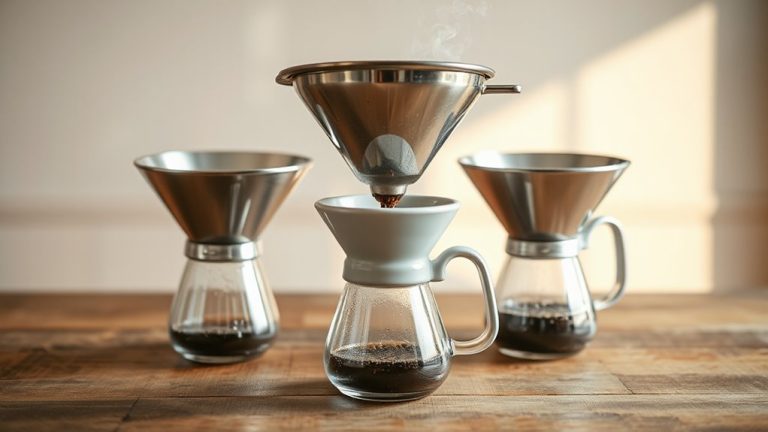
- Brewing a pour-over in 2025 is basically a personality test-your patience says more than your zodiac sign ever could.
Starbucks Christmas Blonde Roast 2025 Whole Bean

If you’re looking for a seasonal light roast that’s both approachable and layered with subtle complexity, the Starbucks Christmas Blonde Roast 2025 Whole Bean is a solid pick. I’ve brewed it several ways, and it shines best with a pour-over or drip machine-nothing too aggressive. The blend of washed Ethiopian and Asia/Pacific beans delivers woody aromas, hints of spiced citrus, and a quiet maple sweetness. Light roast means lighter body, so don’t expect bold intensity. It’s smooth, slightly herbal, with fig compote and spiced orange notes. I appreciate the traceability code for sourcing transparency. Grind it fresh, use filtered water, and you’ll get a clean, balanced cup-ideal for slow holiday mornings.
Best For: Holiday coffee lovers seeking a smooth, light-roast blend with nuanced seasonal flavors and ethical sourcing transparency.
Pros:
- Delicate flavor profile with pleasing notes of spiced citrus, fig compote, and maple-like sweetness
- Ethically sourced 100% Arabica beans with traceability code for origin transparency
- Versatile for pour-over and drip brewing, ideal for a clean, balanced morning cup
Cons:
- Light body may disappoint those seeking bold or rich coffee intensity
- Subtle flavors can be lost if brewed incorrectly or with low-quality water
- Seasonal availability limits year-round accessibility
Mt. Zulu Gesha Carbonic Maceration Coffee

One standout pick for specialty coffee enthusiasts who value innovation and layered flavor complexity is the Mt. Zulu Gesha Carbonic Maceration Coffee. Grown at 1,600–2,000 meters in Colombia’s La Cumparsita Farm, this single-origin Gesha earned an 86.75 SCA score and a 2025 Global Coffee Award silver. The 120-hour carbonic maceration, plus cinnamon and pineapple fermentation, delivers bright notes of citrus, yellow fruit, and panela. Roasted medium, it works best in pour-over or filter but handles espresso or French press well. Small-batch roasted, 8.8 oz whole bean-keep it fresh, grind fresh, and skip the capsules here; you’ll want full control to nail that balance.
Best For: Specialty coffee enthusiasts who seek innovative, complex, and bright flavor profiles from award-winning, experimental processing methods.
Pros:
- Exceptional 86.75 SCA score with award recognition for processing innovation and sensory quality
- Unique carbonic maceration and cinnamon-pineapple fermentation deliver layered, spiced-fruity notes of citrus, panela, and yellow fruit
- Versatile medium roast suitable for multiple brewing methods including pour-over, espresso, and French press
Cons:
- Whole bean only-requires a grinder and bypasses capsule-compatible convenience
- Small 8.8 oz package may not satisfy high-volume drinkers or households
- Experimental processing may yield flavors too complex or unconventional for traditional coffee palates
Montuno 2025 Peaberry Coffee (Ground)

You’ll want the Montuno 2025 Peaberry Coffee (Ground) if you value rarity shaped by precision. I use it because peaberry beans-just 5% of harvests-deliver concentrated flavor, and these are handpicked from top-tier farms. The 2025 Grand Reserve batch balances sweet caramel, bright citrus, and a toasted nut finish, making it smooth yet bold. Since it’s pre-ground, I recommend brewing it immediately to preserve freshness-use a French press or drip machine for best results. It comes in a 1-pound package, so store it airtight and dark. While convenience helps, whole bean would give more control. Still, for consistent, distinctive flavor, this grind earns its spot.
Best For: Coffee enthusiasts who value rare, high-quality beans with a balanced yet bold flavor profile and appreciate limited-edition, expertly crafted ground coffee.
Pros:
- Made from rare peaberry beans (only 5% of global harvest) for concentrated, distinctive flavor
- Handpicked from premium farms, ensuring superior quality and consistency
- Offers a complex, well-balanced taste with sweet caramel, citrus notes, and a toasted nut finish
Cons:
- Pre-ground format limits freshness and flavor control compared to whole bean
- Limited 2025 release may reduce availability and re-purchase potential
- Requires airtight, dark storage to maintain optimal freshness due to pre-ground nature
2025 Automatic Coffee Bean Roaster Machine

The 2025 Automatic Coffee Bean Roaster Machine from ErShangMao is built for home roasters and small café owners who want full control without sacrificing space or performance. I use it daily-its 150-300g capacity (200g ideal) fits my batch needs, and it’s compact enough for tight counters. With 700W electric drum heating, temps hit 100–220°C, and I choose °C/°F instantly. Three modes-Full-Auto (9 curves), Semi-Auto, or Manual-let me tweak roasts for light to dark beans, any process. The stainless drum heats evenly, dual fans cool beans fast, and the chaff system works. I keep airflow at 60% minimum, boost to 90–100% at first crack. Its smoke purifier helps indoors, but I vent dark roasts outside.
Best For: Home roasters and small café owners seeking a compact, versatile coffee bean roaster with professional-grade control and smoke management.
Pros:
- Offers three roasting modes (Full-Auto, Semi-Auto, Manual) with 9 precision curves for customized flavor profiles
- Compact design with dual smoke management (integrated purifier and exhaust pipe) enables clean indoor and outdoor roasting
- Stainless steel drum with even heating and rapid cooling preserves aroma and supports consistent roast quality
Cons:
- Maximum 300g capacity limits batch size for higher-volume users
- Smoke purifier may not fully handle heavy smoke during dark roasts without external venting
- Limited support details beyond 24-hour email response via Amazon platform
Factors to Consider When Choosing Roasts 2025
You’ll want to pick roasts based on roast level, origin, and how they’re processed, since each affects taste and brew quality. Match the flavor profile to your preferred method-like a light, fruity Ethiopian bean for pour-over or a dark, chocolatey roast for espresso. Don’t overlook freshness and storage either; beans taste best within 2–4 weeks of roasting and should be kept in an airtight container away from light.
Roast Level Selection
While flavor preference plays a key role, choosing the right roast level means understanding how heat changes coffee’s structure and taste. You want light roasts if you enjoy bright, citrusy, or floral notes - they’re heated to 180–205°C and retain more acidity and origin character. These beans crack once, around 195–205°C, and stay dense, preserving slight caffeine advantages. For a smoother balance, go medium - roasted to 210–220°C, they caramelize well, boosting sweetness without losing all brightness. Choose dark roasts for bold, smoky depth; they push past 225°C, triggering a second crack, expanding beans, and bringing out oils. This cuts acidity and adds body, but risks overpowering subtler flavors. Heat breaks down some caffeine, though differences are minimal. Match your brew style and taste: light for pour-over, dark for espresso, medium for everyday drip. Pick based on method and what your palate wants - not trends.
Bean Origin Importance
Since flavor starts long before the roast, where your beans are grown shapes the final cup just as much as heat does. You’re not just buying coffee-you’re buying altitude, soil, and climate. Beans from high-elevation farms above 1,500 meters, like those in Ethiopia or Colombia, pack more acidity and complexity because slower growth increases density. Regions dictate processing too: Kenya’s washed beans are clean and bright, while Brazil’s natural-processed ones lean sweet and nutty. Rainfall and temperature swings affect harvest times, so your favorite Peru single-origin might taste different mid-year. If you care about consistency or seasonality, check roast dates and origin details. Traceability matters-knowing the farm or cooperative helps you verify quality and ethics. Don’t ignore the label. Choosing based on origin isn’t snobbery; it’s strategy. You want control over flavor, not surprises. Pick origins like tools-each one built for a purpose.
Flavor Profile Matching
When matching a roast to your preferred flavor profile, start by understanding how roast level shapes the final cup. If you like bright, delicate notes-think citrus, floral, or herbal-choose a light roast; it preserves origin character with minimal caramelization. You’ll lose some body, but gain complexity in aroma and acidity. For a balanced cup with mild sweetness and flavors like stone fruit or chocolate, go with medium roast; it develops richness through moderate Maillard reactions without masking the bean’s core traits. Prefer bold, smoky, or bittersweet flavors? Dark roast delivers, though at the cost of most origin nuances due to prolonged heat breaking down aromatic compounds. Adjust your brew time and temp accordingly-lighter roasts often need hotter water, darker ones benefit from slightly cooler. Pick based on what your palate demands, not the label’s hype.
Processing Method Impact
If you want to understand how your coffee tastes, look beyond the roast and examine how the beans were processed. Carbonic maceration, with its 120-hour CO₂ fermentation, boosts fruity and spiced notes-great for bold, aromatic cups. When you add cinnamon or pineapple during natural fermentation, you get bright citrus or sweet spice hits that stand out in lighter roasts. Washed processing gives you clean, crisp cups with sharp acidity, ideal if you like clarity over complexity. Honey processing keeps some mucilage, balancing sweetness and body-versatile for medium roasts. Experimental methods with controlled fermentation improve sweetness, aftertaste, and SCA scores, but they’re hit or miss without proper gear. Choose washed for consistency, honey for balance, or natural/carbonic for intense flavor. Each method shapes your cup differently, so match it to your taste and brewing setup. Don’t just roast it-think through it.
Freshness And Storage
You’ve picked your beans and considered the processing method, but how you store them decides whether that carefully crafted flavor profile holds or fades. Drink your coffee within 2–4 weeks of roasting-after that, aromas degrade fast. Keep beans whole; they stay fresh up to 30% longer than ground because less surface area means slower oxidation. Use an airtight container and keep it away from heat, light, and moisture. Store somewhere cool and dry, ideally between 20–25°C with humidity below 60% to prevent mold. Don’t fridge or freeze unless necessary-condensation ruins everything. Bags with degassing valves help during shipping by releasing carbon dioxide without letting oxygen in, so grab roasts packed that way when possible. Treat storage like the final step of quality control-because it is. Your brew’s brightness, sweetness, and depth depend on it.
Brewing Method Compatibility
Though flavor nuance matters, matching your roast to the brewing method guarantees the best results. You’ll want light roasts for pour-over or drip-they keep the bright acidity and delicate notes that shine in fast, clean extractions. If you’re using a French press or Moka pot, go medium; these roasts balance sweetness, body, and aroma across broader methods. Dark roasts? They dominate in espresso machines, where high pressure pulls out bold richness without harsh acidity. Their intensity also cuts smoothly through milk. For cold brew, choose medium-dark to dark roasts ground coarse-long steeping extracts smoothness while avoiding bitterness. French press benefits from medium to dark roasts too, as extended contact builds deeper flavor and heavier body. Don’t just pick a roast by taste-consider how your gear extracts. Match them right, and you skip the guesswork every morning.
Frequently Asked Questions
Can These Roasts Be Used for Cold Brew?
You can’t use roasts as coffee grounds, so they won’t work for cold brew. You need coarsely ground beans. Roasts refer to the level of browning-like medium or dark-not a usable product. For cold brew, choose a dark roast coffee, grind it coarse, and steep it in cold water for 12–18 hours. Brands like Death Wish or Chock full o’Nuts work well. Pre-ground is fine, but freshness matters.
Are Any of These Roasts Organic Certified?
You’ll need to check individual roast labels, as not all are organic certified. Some brands use certified beans, like Equal Exchange or Java Planet, but others don’t. Certification affects price and sourcing, so if it matters to you, look for the USDA Organic or EU Organic seal right on the bag. Don’t assume-marketing terms like “natural” or “sustainably sourced” don’t mean it’s certified organic.
Do These Coffees Come in Decaf Versions?
You can find decaf versions of these coffees, but not all offer them. Check brands like Stumptown and Intelligentsia-they release decaf options seasonally. Decaf means less caffeine, not zero, and often uses Swiss Water Process for a cleaner taste. Expect slightly muted flavors compared to regular roasts. If you’re sensitive to caffeine, go for these decaf picks, but know you might sacrifice some complexity in the cup. Always verify roast dates for freshness.
What’s the Shelf Life of These Beans?
These beans stay fresh for about 2 to 4 weeks after roasting if stored properly. You’ll want to keep them in an airtight container away from light, heat, and moisture. Avoid the fridge-it causes condensation. For best flavor, grind just before brewing. While freezing can extend life, it’s risky if not sealed well. You’re better off buying smaller batches more often to guarantee peak freshness and quality in every cup.
Are There Vegan-Friendly Packaging Options?
Yeah, plenty of brands now use vegan-friendly packaging - it’s usually plant-based or compostable film without hidden animal glues. Check labels for certifications like OK Compost or TUV. Companies like Ethical Bean and Higher Grounds roast great coffee and use fully recyclable, plastic-free bags. Just don’t assume all “eco” bags are vegan; some still contain petroleum-based layers. Always verify with the brand if you’re unsure. Reusable canisters at home help too.