Best-Tasting Decaf K-Cups That Taste Anything But Decaf
You want decaf K-cups that taste rich and full, not flat or watery. Try Peet’s Dark Roast or Green Mountain’s Dark Magic - both use Swiss Water Process and deliver bold, smooth flavor. Donut Shop and McCafe offer consistent, balanced cups at good value. For organic, choose Newman’s Own. If you like variety, Crazy Cups adds flavored options. All work in Keurig machines, brew up to 12 oz, and stay fresh thanks to sealed pods - there’s more to explore based on your taste and priorities.
We are supported by our audience. When you purchase through links on our site, we may earn an affiliate commission, at no extra cost for you. Learn more. Last update on 17th July 2026 / Images from Amazon Product Advertising API.
Notable Insights
- Peet’s Dark Roast Decaf uses water-processed 100% Arabica beans for a rich, full-bodied flavor that rivals regular coffee.
- Green Mountain Dark Magic employs Swiss Water Process to preserve bold, smooth taste with low acidity in every cup.
- Starbucks Decaf House Blend offers toffee and cocoa notes with a smooth finish, closely matching its caffeinated counterparts.
- Donut Shop Decaf packs extra ground coffee per pod, delivering a consistently bold and balanced brew without harshness.
- AmazonFresh Decaf Colombia provides a balanced, full-bodied profile with cocoa and citrus notes, tasting complex and fresh like regular roast.
Peet’s Dark Roast Decaf Coffee Pods (32 Count)

If you’re looking for a decaf K-Cup that doesn’t sacrifice flavor, Peet’s Dark Roast Decaf Coffee Pods are a strong pick-especially if you prefer a smooth, full-bodied dark roast without the caffeine. I’ve found these 32-count pods deliver a rich, complex cup with a touch of spiciness and balanced brightness. They use 100% Arabica beans, sourced mainly from Latin America, and decaffeinated with a natural water process that keeps the taste intact. Each batch is hand-roasted for quality, and the pods work in all major single-serve brewers. If you want a no-fuss, reliably flavorful decaf dark roast, these are a solid, practical choice.
Best For: Coffee lovers who want a flavorful, full-bodied decaf dark roast without compromising on quality or taste.
Pros:
- Smooth, rich flavor with complexity and a hint of spiciness thanks to expert hand-roasting
- Naturally decaffeinated using a water process that preserves the coffee’s original taste
- Compatible with all major single-serve brewers and made from 100% high-quality Arabica beans
Cons:
- Higher price point compared to some other decaf pod options
- Flavor may be too bold or intense for those who prefer lighter roasts
- Limited origin variety, with beans primarily sourced from Latin America
Donut Shop Decaf K-Cup Pods (48 Count)
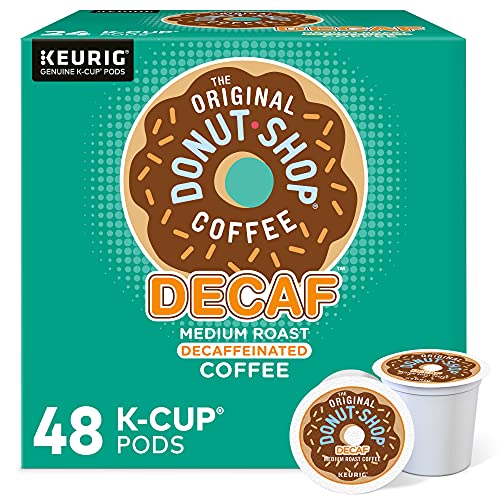
I choose the Original Donut Shop Decaf K-Cup Pods (48 Count) when I want a reliable, smooth decaf coffee without sacrificing flavor or strength, especially since they pack more ground coffee per pod than standard varieties. These medium roast pods use 100% Arabica beans and deliver a bold, balanced cup with no caffeine. They’re kosher-certified, have no artificial ingredients, and work in all Keurig brewers. Each pod brews up to 12 oz and is recyclable with proper disposal. The extra coffee in each pod gives a richer taste compared to basic brands, making them practical for daily use.
Best For: Those seeking a smooth, full-flavored decaf coffee with extra strength and consistency from a trusted brand, ideal for daily use in Keurig brewers.
Pros:
- Extra bold pods contain more 100% Arabica coffee per pod for a richer, more satisfying brew
- Decaffeinated without sacrificing bold, balanced flavor and smoothness
- Kosher-certified, made with no artificial ingredients, and pods are recyclable with proper disposal
Cons:
- Slightly more expensive than standard decaf K-Cup options
- Flavor may be too mild for those who prefer darker roasts
- Recycling requires manual separation, which may not be convenient for all users
Starbucks Decaf House Blend K-Cups (22 Pods)

You’ll find the Starbucks Decaf House Blend K-Cups especially suited if you want a reliable, café-quality decaf without sacrificing flavor. I brew these 22-count pods in my Keurig and get a medium-bodied cup with notes of toffee, cocoa, and a hint of roast-driven sweetness. It’s a balanced, smooth decaf made from 100% Arabica beans-same as in Starbucks cafés. The medium roast delivers depth without bitterness. I’ve tried it hot or iced, and both work well. Pods are consistent and easy to use, though the cost per cup is higher than bulk coffee. You’re paying for brand quality and convenience.
Best For: Coffee lovers seeking a smooth, flavorful decaf option with the convenience of Keurig brewing and the trusted quality of Starbucks.
Pros:
- Delivers a balanced, medium-bodied decaf with rich flavor notes of toffee and cocoa
- Made from 100% Arabica beans, matching the quality of Starbucks café coffee
- Convenient single-serve pods brew consistently in any Keurig machine for hot or iced coffee
Cons:
- Higher cost per cup compared to ground coffee or bulk brewing methods
- Limited to Keurig users, reducing flexibility for non-K-Cup consumers
- Environmental concerns due to single-use plastic pods
Crazy Cups Decaf Coffee Pods (40-Count)
Crazy Cups Decaf Coffee Pods (40-Count) deliver variety and convenience, making them a solid choice for decaf drinkers who enjoy flavored coffee and want multiple options in one pack. I’ve found these pods work seamlessly with all Keurig K-Cup brewers, including 2.0 models. The mix includes French Vanilla, Hazelnut, Peppermint Chocolate Mocha, and seasonal picks like Pumpkin Spice-great for mornings or after-dinner cups. While flavors may vary by batch, each pod is checked for freshness. They’re not affiliated with Keurig, but brew consistently. I’d recommend them for gifting or stocking your pantry if you prefer sweet, aromatic decaf without caffeine.
Best For: Decaf coffee lovers who enjoy a variety of sweet, flavored brews and want convenience and compatibility with Keurig K-Cup brewers.
Pros:
- Wide assortment of decaf flavored pods offers variety and caters to different taste preferences
- Compatible with all Keurig K-Cup systems, including 2.0, for reliable brewing performance
- Individually inspected for freshness and quality, making them ideal for gifting or daily use
Cons:
- Flavor selection may vary by batch, leading to inconsistency in preferred flavors
- Not affiliated with Keurig, which may concern some brand-conscious buyers
- Sweet, dessert-like profiles may not appeal to those who prefer traditional or bold coffee flavors
Happy Belly Decaf Light Roast Pods (100 Count)

Happy Belly Decaf Light Roast Pods are an excellent pick for budget-conscious coffee drinkers who still want a smooth, flavorful cup without the caffeine. I use these 100-count pods with my Keurig 1.0, and they work flawlessly. Made from 100% decaffeinated Arabica beans sourced from Latin America and Africa, they deliver a light roast with a nutty aroma, medium body, and balanced acidity. The flavor is smooth, not flat-rare for decaf. They’re single-serve, so cleanup is easy. While packaging varies, the quality stays consistent. If you want a solid, no-frills decaf that tastes fresh and doesn’t break the bank, these beat pricier brands.
Best For: Budget-conscious coffee lovers who want a smooth, flavorful decaf option without sacrificing quality or convenience.
Pros:
- Smooth, well-balanced flavor with a nutty aroma and medium body, uncommon for decaf coffee
- Fully compatible with Keurig 1.0 and 2.0 brewers for quick, single-serve convenience
- Made from 100% decaffeinated Arabica beans sourced from Latin America and Africa
Cons:
- Packaging may vary, which could lead to inconsistency in pod appearance or storage
- Light roast may lack the boldness preferred by fans of darker roasts
- Limited flavor variety within the Happy Belly decaf line for those seeking diversity
Peet’s Coffee Dark Roast Decaf K-Cups

If you’re after a decaf that doesn’t sacrifice depth or character, Peet’s Coffee Dark Roast Decaf K-Cups deliver a full-flavored experience without the caffeine. I’ve tried them, and they’re made from 100% Arabica beans, naturally decaffeinated using the water process-so flavor stays intact. Each box holds 10 pods, with 6 boxes total, fitting all Keurig brewers. The dark roast is deep and smooth, with a medium body, subtle spice, and a sweet finish. Peet’s roasts these small batches by hand, using high-grown beans, so you get freshness and consistency. They also support sustainable sourcing, which matters if you care about ethical coffee. It’s a reliable, rich cup-no caffeine, no compromise.
Best For: Coffee lovers who want a rich, full-flavored dark roast without caffeine and appreciate ethically sourced, sustainably produced decaf coffee.
Pros:
- 100% Arabica beans decaffeinated using the natural water process, preserving flavor while removing caffeine
- Deep, smooth dark roast with a balanced profile, medium body, and sweet, slightly spicy finish
- Sustainably sourced and roasted in small batches for freshness, supporting ethical farming practices
Cons:
- Higher price point compared to non-specialty or non-organic decaf K-Cup brands
- Flavor may be too mild for those expecting a bold, intense kick typical of regular dark roast
- Limited availability outside select retailers or online channels
Keurig Decaf Coffee Variety Pack, Keurig Single Serve K-Cup Pods, 24 Count

The Keurig Decaf Coffee Variety Pack is best for someone who wants to explore a range of decaffeinated flavors without committing to a single blend. It includes 24 pods-six each of four medium roasts: Green Mountain Breakfast Blend (nutty, sweet), McCafe Premium Roast (smooth, aromatic), Original Donut Shop (mild, familiar), and Newman’s Own Organics (rich, full-bodied). These work in all Keurig machines and brew up to 12 oz per cup. They’re Orthodox Union Kosher certified, with no artificial ingredients. I find this pack practical for mornings or evenings when I want flavor variety without caffeine. It’s ideal if you like experimenting or share a brewer with others.
Best For: Someone who enjoys exploring a variety of smooth, decaffeinated medium roast coffees without committing to a single blend.
Pros:
- Offers four distinct decaf coffee profiles for diverse taste preferences
- Compatible with all Keurig K-Cup brewers and brews up to 12 oz per pod
- Certified Orthodox Union Kosher with no artificial ingredients
Cons:
- Limited to only four varieties, which may not satisfy those seeking more flavor options
- Decaf coffee may have a milder taste compared to regular roast enthusiasts’ expectations
- Individual pod cost can be higher than buying coffee in bulk
McCafe Decaf Premium Roast K-Cups (96 Count)

I’d say McDonald’s McCafe Decaf Premium Roast K-Cups (96 Count) work best for someone who wants a consistent, no-fuss decaf that still delivers a genuinely drinkable cup without surprises. I’ve tried them daily, and they offer a smooth, medium roast flavor with a clean finish-nothing flashy, just reliable. Made from 100% Arabica beans, they’re Kosher certified and brew evenly in any Keurig. The pods are recyclable, but you’ll need to separate the lid, filter, and cup first-check your local rules. Sourcing supports sustainable farming, which matters if you care about environmental impact. These won’t wow a coffee snob, but they’re solid for quick mornings.
Best For: Someone seeking a dependable, smooth decaf coffee experience with minimal effort and consistent results.
Pros:
- Smooth medium roast flavor made from 100% premium Arabica beans
- Kosher certified and compatible with all Keurig brewers for reliable brewing
- Responsibly sourced and made with recyclable materials to support sustainability
Cons:
- Requires disassembly for recycling, which may not be convenient for all users
- Flavor is pleasant but unremarkable, unlikely to impress specialty coffee enthusiasts
- Recycling availability depends on local facilities, limiting eco-impact in some areas
Newman’s Own Organics Decaf K-Cups (24 Count)

You’ll want Newman’s Own Organics Special Blend Decaf if you’re after a medium roast that’s smooth but still delivers depth without caffeine. I find it bold yet refined, with a rich body from a blend of Central American and Indonesian beans, decaffeinated using the clean water process. It’s USDA Organic, Fair Trade, and Kosher certified-important if you value ethical sourcing. I appreciate that 100% of profits fund charity, supporting farmers globally. The K-Cups are recyclable, but you’ll need to peel, dump, and rinse them first-check your local recycling rules. They work in any Keurig, though packaging may vary.
Best For: Coffee lovers who want a smooth, flavorful decaf medium roast with ethical certifications and a charitable mission.
Pros:
- Rich, balanced flavor with a full body from a thoughtfully blended mix of Central American and Indonesian beans
- USDA Organic, Fair Trade Certified, and Kosher, appealing to those who prioritize ethical and sustainable sourcing
- 100% of profits donated to charity, supporting global causes and coffee farming communities
Cons:
- Requires extra steps to recycle K-Cup pods-peeling, emptying, and rinsing-adding inconvenience
- Compatibility limited to Keurig K-Cup brewers, which may not suit users of other single-serve systems
- Packaging may vary, potentially leading to inconsistencies in appearance or labeling
AmazonFresh Decaf Colombia K-Cups (80 Ct)
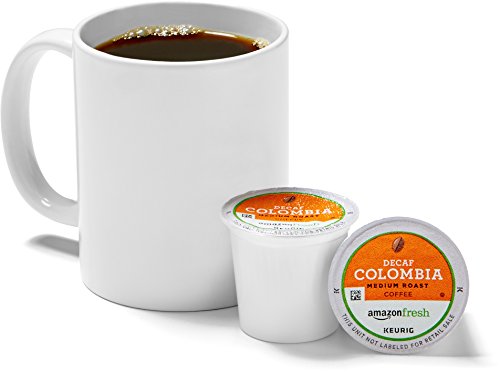
If you’re looking for a budget-friendly decaf K-Cup that doesn’t sacrifice flavor, AmazonFresh Decaf Colombia K-Cups are worth considering. I use them regularly and find the medium roast delivers a balanced, full-bodied cup with a smooth finish. Made from 100% Arabica beans roasted in the U.S.A., they have subtle citrus aroma notes along with hints of cocoa and brown sugar. The 80-count box offers good value, especially since the pods are Keurig-compatible and consistently brew well. As an Amazon-owned brand, freshness and supply are reliable. While not organic like Newman’s, they’re a practical choice for everyday decaf drinkers who want quality without paying premium prices.
Best For: Budget-conscious decaf coffee drinkers who want a reliable, flavorful medium roast without paying premium prices.
Pros:
- Balanced, full-bodied flavor with pleasant notes of cocoa, brown sugar, and a subtle citrus aroma
- Made from 100% Arabica beans and consistently brews well in Keurig machines
- Cost-effective 80-count pack with reliable freshness from Amazon’s supply chain
Cons:
- Not certified organic or specialty-grade like some premium decaf brands
- Flavor profile may be too mild for those who prefer bold, intense coffee
- Limited appeal for non-Keurig users due to single-serve pod format
Factors to Consider When Choosing Tasting Decaf K Cups
You’ll want to take into account roast level, because it shapes the boldness and bitterness-light roasts highlight brightness, while dark roasts bring smokiness. Bean origin matters too, with Ethiopian beans offering floral notes and Colombian ones leaning toward chocolate and nutty tones. And don’t overlook the decaf process-Swiss Water Method keeps flavor clean, but CO2 processing can preserve more body, while all K-Cups must fit your brewer to work right.
Roast Level Impact
Roast level plays a defining role in shaping the flavor, body, and overall experience of decaf K-Cups. If you like bold, full-bodied coffee, go for dark roast decaf-think smoky, sweet notes with a punchy depth, like Donut Shop Decaf or Green Mountain Dark Magic. The long roast masks subtle flaws but reduces nuance. Medium roast strikes a balance, delivering rounded flavors like cocoa or toffee with moderate acidity-ideal if you want flavor clarity and smoothness, like Caribou Blend Decaf. Light roast preserves delicate citrusy or nutty notes and higher acidity, offering a clean, complex cup, such as Peet’s Colombia Decaf. Though darker roasts seem stronger, caffeine levels are similar across roast types. Pick based on your taste: bold intensity, balanced profile, or bright, nuanced character. Match roast to your morning style-no guesswork needed.
Bean Origin Importance
Origin shapes flavor. Where your decaf coffee beans come from directly affects taste, acidity, and aroma. Beans grown at high altitudes develop denser structures and brighter, more complex acids-think crisp notes in every sip. If you’re after balance with hints of cocoa or nuts, pick beans from Latin America; volcanic soils and steady climates there produce smoother, more predictable decaf cups. For something livelier, African-sourced beans bring fruity or floral tones, thanks to heirloom varietals and unique growing conditions. Rain, temperature, and soil all shape how the bean matures, which means even decaf can deliver depth and character when origin is right. You don’t need rare beans, but knowing where they’re grown helps you match flavor to preference. Choose wisely-origin isn’t everything, but it’s a solid place to start.
Decaf Process Methods
Decaf process methods play a key role in shaping the flavor of your final cup, just as much as where the beans were grown. If you want clean taste and no chemicals, go for water process decaf-especially the Swiss Water Process, a patented method using green coffee extract to pull out caffeine while keeping flavor intact. The beans soak in hot water, and activated carbon filters remove caffeine without solvents. That means no residue and a smoother cup. On the other hand, solvent-based methods use methylene chloride or ethyl acetate to dissolve caffeine, then steam off the chemical. They’re precise, removing about 97% of caffeine, but some tasters notice a slight aftertaste. While generally recognized as safe, these methods might not suit those avoiding all chemicals. For the best-tasting decaf K-Cups, check the packaging: Swiss Water Process is often labeled and worth seeking out.
Flavor Profile Balance
While no single factor guarantees a perfect cup, achieving a balanced flavor profile in decaf K-Cups starts with understanding how sweetness, acidity, and body work together. You want sweetness that doesn’t tip into syrupy, acidity that’s bright but not sharp, and a body that feels substantial without being heavy. Medium roast decafs, like those from Swiss Water or Bru Coffee, often hit this sweet spot with smooth finishes and well-rounded taste. Look for notes of cocoa, nuts, or mild citrus-they add depth without throwing things off balance. Full-bodied options can still work if they keep acidity low and bitterness in check. The water decaf process helps preserve natural flavors, giving you a more authentic, balanced cup. Avoid overly dark roasts if balance is your goal-they often mask flaws with char instead of clarity. Choose blends crafted for harmony, not just intensity.
Pod Compatibility Check
You’ve got a good handle on flavor balance-now make sure your brewer can deliver it. Check that your decaf K-Cups match your machine’s system, especially if you’re using Keurig 2.0 or later models, which scan pod lids before brewing. Older machines might not recognize newer pods, leading to stoppages or errors. Make sure the pod size fits your brewer’s chamber and won’t jam the puncture needles. Pods with thicker lids or odd seals can leak or cause malfunctions. The internal filter and coffee pack must work with your machine’s water pressure and flow rate for proper extraction. Using incompatible pods can mean weak coffee or even damage over time. Always look for packaging that clearly says “Keurig-compatible” or lists your specific model. Third-party pods often offer compatibility notes-read them. Skipping this step might save money upfront but cost you in messes or machine issues down the line.
Freshness And Packaging
Since freshness直接影响 flavor, choosing decaf K-Cups with proper packaging matters just as much as the bean quality. Look for foil-lined, airtight pods that shield coffee from light, moisture, and oxygen-these keep flavors crisp and prevent staleness. Many brands use nitrogen flushing to remove oxygen, locking in freshness and extending shelf life without preservatives. Single-serve design helps too, since each pod stays sealed until brewed, avoiding the gradual degradation that ground coffee in open bags faces. Always check the expiration date: peak flavor typically lasts 6 to 12 months after packaging, so fresher stock tastes better. While recyclable pods are eco-friendly, they often require you to peel, empty, and separate components, which exposes the used coffee to air and moisture quickly-handle them right after brewing. Don’t overlook packaging integrity; dented or swollen pods can mean compromised seals.
Certifications And Ethics
When choosing decaf K-Cups that taste great and align with your values, certifications offer clear, verified insight into how the coffee was grown, processed, and sourced. Look for USDA Organic certification to guarantee no synthetic pesticides or GMOs were used, supporting both your health and sustainable farming. If religious dietary laws matter to you, Orthodox Union Kosher certification guarantees ingredient purity and strict processing standards. For fair labor practices, choose Fair Trade Certified coffees-they confirm farmers received fair wages and worked under safe conditions. Opt for water process decaf when possible, as it removes caffeine without chemical solvents, preserving flavor and safety. Many responsibly sourced programs combine these certifications, verifying environmental protection and community support. These labels aren’t just marketing-they’re third-party proof of ethical choices. Your morning cup can taste rich and do good, if you know what to look for.
Frequently Asked Questions
Can Decaf K-Cups Be Reused for a Second Brew?
You shouldn’t reuse decaf K-Cups for a second brew-once used, the coffee grounds are spent and lose most flavor, aroma, and strength. Reusing leads to weak, flat coffee with little body or taste. Some people try it to save money or reduce waste, but the result rarely justifies it. For better taste and value, use a fresh pod or switch to reusable K-Cup filters with your preferred ground coffee.
Are Decaf K-Cups Safe for Pregnant Women to Drink Daily?
Yes, decaf K-Cups are generally safe for you to drink daily while pregnant, since they contain minimal caffeine-usually under 5 mg per cup. That said, always check labels; some decaf blends vary in processing methods. The FDA and ACOG consider moderate caffeine intake (<200 mg/day) safe, and decaf K-Cups fall well below that. Just avoid overconsumption and confirm with your doctor if you have concerns about additives or brands.
Do Decaf K-Cups Contain Any Artificial Chemicals or Additives?
You’ll find most decaf K-cups use water process or CO2 methods, so they don’t contain artificial chemicals or additives. Some cheaper brands might use methylene chloride, but reputable ones like Swiss Water or Purity Coffee avoid it. Always check labels-look for “no synthetic solvents” or “naturally decaffeinated.” If you’re sensitive or pregnant, stick with clearly labeled chemical-free options. Your best bet is certified organic or transparently sourced pods to guarantee cleanliness and safety with every brew.
How Long Do Decaf K-Cups Stay Fresh After Purchase?
Decaf K-Cups stay fresh for about 8–12 months after purchase if unopened and stored properly. You’ll get the best flavor within that window, especially if you keep them in a cool, dry place away from light and moisture. Once opened, use them quickly-exposure to air degrades quality. Don’t refrigerate; condensation harms the grounds. Check the roast date when possible-fresher roast = better taste. Some brands, like Swiss Miss or Green Mountain, print clear expiration dates-stick to those for peak quality.
Are Decaf K-Cups Compatible With Non-Keurig Single-Serve Brewers?
Yes, you can use decaf K-Cups in non-Keurig single-serve brewers if the machine accepts pods from third-party brands. Many universal brewers like the Hamilton Beach FlexBrew or Mr. Coffee Café Barista work with standard K-Cup pods. Check your brewer’s compatibility-some only handle specific sizes or brands. If it supports K-Cup format, you’re good. If not, reusable K-Cup-style filters let you brew your own decaf grounds instead.