Best Coffee Brewing Water That Elevates Your Morning Cup
You get better-tasting coffee by using purified water with the right mineral balance. Try Third Wave Water or COFFEE WATER Mineral Packs-just add to distilled or reverse osmosis water for consistent, SCA-recommended results. These boost extraction, enhance sweetness, and prevent scale in your machine. Avoid tap water; it harms flavor and equipment. For convenience, pre-measured sticks make it simple. Your brew method and roast level matter when choosing a blend-pick one that matches your setup to get the most out of every cup.
We are supported by our audience. When you purchase through links on our site, we may earn an affiliate commission, at no extra cost for you. Learn more. Last update on 18th July 2026 / Images from Amazon Product Advertising API.
Notable Insights
- Use Third Wave Water or similar mineral packs to create SCA-compliant water for optimal coffee extraction and flavor clarity.
- Start with distilled or reverse osmosis water to ensure a pure base free from contaminants and variable minerals.
- Choose formulations with balanced magnesium and calcium to enhance sweetness, body, and overall taste in your morning brew.
- Avoid tap or hard water, which can cause off-flavors, over-extraction, or scale buildup in coffee equipment.
- Pre-measured mineral sticks offer convenience and consistency, making it easy to elevate coffee quality at home or on the go.
Third Wave Water Classic Light Roast (12 Sticks)

If you brew light roast coffee and want to bring out its natural sweetness and bright acidity, Third Wave Water Classic Light Roast is one of the most effective and consistent options available. Each stick treats a gallon of distilled or reverse osmosis water, and the 12-pack gives you up to 12 gallons. It uses magnesium to boost sweetness and calcium for body, while low alkalinity preserves your beans’ natural acidity. I’ve tested it across drip, French press, and pour-over-flavor is cleaner than with tap water. It’s even the pick the Sharks chose on *Shark Tank*. Just don’t use it with hard tap water; it’s designed for use with purified water only.
Best For: Light roast coffee lovers seeking enhanced sweetness, bright acidity, and cleaner flavor through scientifically optimized brewing water.
Pros:
- Enhances coffee’s natural sweetness and acidity with magnesium and calcium-balanced formulation
- Compatible with all brewing methods including drip, French press, pour-over, and Keurig
- Recognized on *Shark Tank* and preferred by all five Sharks over tap water
Cons:
- Requires distilled or reverse osmosis water-won’t work effectively with hard or tap water
- Ongoing cost per gallon may add up for frequent coffee drinkers
- Limited to one-time use per stick, offering no reusability or bulk option
Third Wave Water Medium Roast (12 Sticks)

Third Wave Water Medium Roast (12 Sticks) is the best choice for coffee lovers who want barista-level results at home without investing in complex water filtration systems. I use one stick per gallon, and it consistently improves extraction. Made in the USA, it was even endorsed by all five Sharks on *Shark Tank*-they preferred it over tap water. The blend includes magnesium to boost sweetness and calcium for better body, specifically tuned for medium roast profiles. Each pack treats 12 gallons, works with any coffee maker, and dissolves quickly. Just note: it contains magnesium sulfate, so skip it if you have sensitivities or experience stomach discomfort.
Best For: Coffee enthusiasts seeking consistently better extraction and flavor from their home brew without investing in advanced filtration systems.
Pros:
- Enhances coffee flavor by optimizing mineral balance for improved sweetness and body
- Convenient single-use sticks that dissolve quickly in water
- Trusted and endorsed by all five Sharks on *Shark Tank* for superior taste over tap water
Cons:
- Contains magnesium sulfate, which may cause stomach discomfort in sensitive individuals
- Limited to 12 gallons per pack, requiring frequent repurchases for heavy users
- Designed specifically for medium roasts, so may not optimize flavor for light or dark roast profiles as effectively
COFFEE WATER Mineral Packs for Making Water for Coffee (Makes 25 Gallons)

I rely on COFFEE WATER Mineral Packs when I want precise, repeatable results in my brewing, especially if I’m using reverse osmosis or distilled water that lacks the minerals needed for proper coffee extraction. Each pack set-just add one of each to a gallon-balances magnesium, calcium, and bicarbonates to meet SCA standards. I’ve found it works consistently across pour-over, drip, and espresso. The formula includes magnesium sulfate, calcium citrate, sodium bicarbonate, and salt, all safe for equipment. One 25-pack box covers 25 gallons, so it’s cost-effective for regular use. No guesswork, no scaling issues-just reliable, clean flavor enhancement.
Best For: Coffee enthusiasts and professionals seeking consistent, SCA-compliant water quality for optimal flavor extraction when using reverse osmosis or distilled water.
Pros:
- Ensures precise, repeatable water composition that meets SCA and Water for Coffee standards
- Enhances coffee flavor across all brewing methods-pour-over, drip, and espresso-without guesswork
- Safe for coffee equipment and includes all necessary minerals in easy-to-use packet sets
Cons:
- Only effective when used with pure water sources like RO or distilled, limiting use with tap water
- Requires accurate measurement and mixing, which may be inconvenient for some users
- Additional cost and storage consideration for those without existing RO or distilled water setup
Perfect Coffee Water Minerals (10 Pack)

One pack of Perfect Coffee Water Minerals treats a full gallon of water, making it a smart choice for pour-over and drip brewers who want consistently balanced, clean-tasting coffee without bitterness. I use these 10 individually packed sticks when I batch brew or pre-mix water, each delivering a precise mineral blend developed by coffee experts and proven in 2022 and 2023 AeroPress Championship-winning recipes. They dissolve fast and are made with high-purity ingredients sourced and packaged in the USA. While ideal for manual brewing, I avoid using them in my espresso machine unless the manufacturer confirms compatibility.
Best For: Coffee enthusiasts who use manual brewing methods like pour-over or drip and seek consistently balanced, flavorful coffee with reduced bitterness.
Pros:
- Each stick treats a full gallon of water, offering convenience and precise dosing for batch brewing
- Developed by coffee professionals and proven in award-winning AeroPress Championship recipes
- Made with high-purity minerals sourced and packaged in the USA for quality and freshness
Cons:
- Not universally compatible with espresso machines; manufacturer approval required
- Primarily optimized for manual brewing, limiting versatility for other methods
- Single-use packets may generate more waste compared to bulk powder options
Third Wave Water Coffee Brewing Sticks
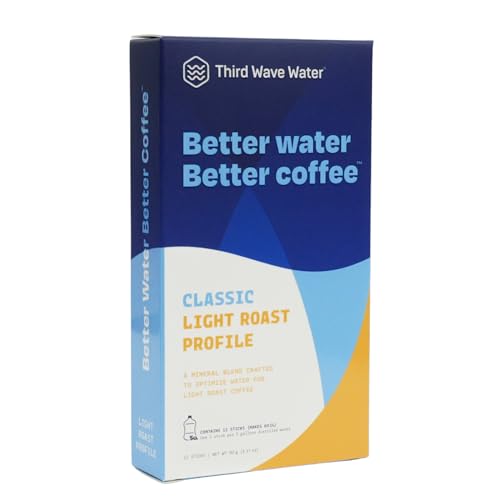
If you’re serious about improving your coffee without overcomplicating things, these mineral-enhancing sticks offer a simple, effective way to upgrade your brewing water. Each packet treats up to 60 gallons, so they last months and save money over bottled or specialty water. I use them with my French press and drip brewer, but they work with Keurig, Moka Pot, and more. They add magnesium for sweetness and calcium for body, while keeping alkalinity low to let the coffee’s natural acidity shine. Unlike tap water, which varies by location, these sticks deliver consistent, science-backed results. They even won over all five Sharks on Shark Tank.
Best For: Coffee enthusiasts who want to elevate their brew quality with consistent, mineral-optimized water without investing in complex equipment.
Pros:
- Enhances coffee flavor with scientifically balanced minerals (magnesium for sweetness, calcium for body)
- Cost-effective and long-lasting, with each packet treating up to 60 gallons of water
- Universally compatible with all major brewing methods, from French press to Keurig
Cons:
- Requires advance preparation to dissolve minerals fully in water
- Noticeable improvement may be subtle for those accustomed to tap water
- Limited benefit if starting with already high-quality filtered or specialty water
Third Wave Water Dark Roast (12-Pack)

When brewing dark roast coffee, using water that balances mineral content to reduce bitterness and smooth out harsh notes makes a noticeable difference, and Third Wave Water’s Dark Roast (12-Pack) is tailored for exactly that. I use it because its patented mineral blend enhances bold, smooth flavors while lowering acidity for a cleaner cup. It eliminates temporary hardness, so it also protects my gear from scale, extending its life. Each 12-pack covers 12 gallons, making it ideal for frequent brewers. Unlike generic bottled water, it’s consistent and purpose-built for dark roasts. If you regularly brew French press or espresso, this is a practical upgrade you’ll taste.
Best For: Home and professional coffee brewers who regularly make dark roast coffee and want enhanced flavor, reduced acidity, and equipment protection.
Pros:
- Specifically formulated mineral blend enhances bold, smooth flavors in dark roast coffee
- Reduces acidity and bitterness for a cleaner, more balanced cup
- Eliminates temporary hardness to prevent scale buildup and extend espresso machine or brewer life
Cons:
- Limited to optimal performance with dark roasts, less effective for light or medium roasts
- Ongoing cost for frequent brewers needing consistent use
- Requires additional step of mixing with distilled water, adding slight preparation time
Ninja 12-Cup Programmable Coffee Brewer
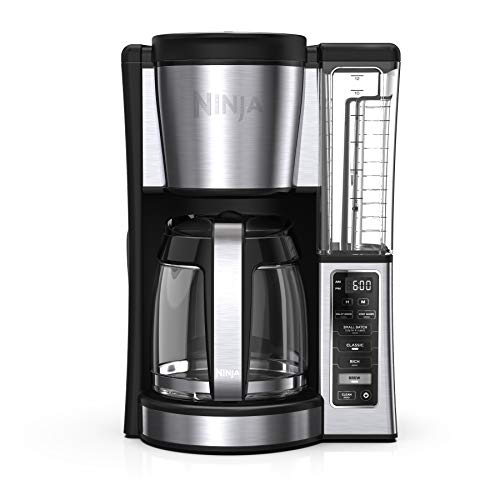
The Ninja 12-Cup Programmable Coffee Brewer suits anyone who wants consistent, full-flavored coffee without the hassle of manual brewing. I use its Rich and Classic brew settings depending on my mood, and the Hotter Brewing Technology guarantees even extraction without bitterness. The small batch function works perfectly for 1–4 cups-no watered-down coffee. I set the 24-hour delay brew before bed, and my kitchen smells like fresh coffee by morning. The 60-oz reservoir is easy to refill, and the 12-cup carafe fits my busy household. I leave it on the warming plate for up to four hours-coffee stays hot.
Best For: Busy households and coffee lovers who want customizable, full-flavored coffee with programmable convenience.
Pros:
- Two brew styles (Classic and Rich) and small batch function for 1–4 cups without dilution
- 24-hour delay brew and adjustable warming plate keeps coffee hot for up to 4 hours
- Hotter Brewing Technology ensures even saturation and full flavor without bitterness
Cons:
- Stainless steel design may show fingerprints and require frequent cleaning
- Permanent filter may not suit users who prefer disposable paper filters
- Larger footprint (8D x 10W x 14H) may not fit in compact kitchens
12 Pack Water Filters for Cuisinart
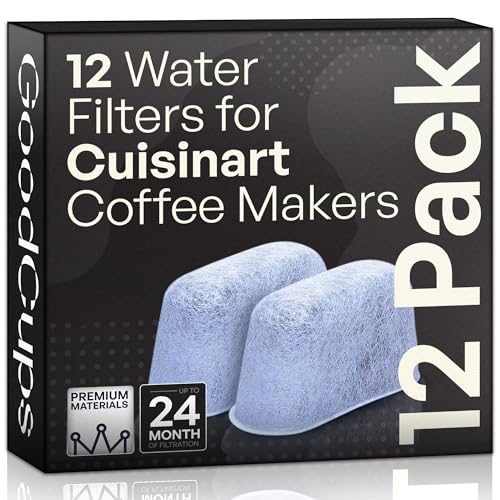
You’ll want these 12-pack water filters if you own any Cuisinart coffee maker and care about consistent brew quality. I’ve used them in both older and newer models, including 12-cup and Grind and Brew units, and they fit perfectly. The charcoal filters remove chlorine, calcium, and odors, which clearly improves taste. I noticed cleaner water flow and less buildup over time, meaning the machine runs better and lasts longer. They install easily-no tools needed-and each filter stays effective for months. Made by GoodCups, they’re recyclable, which I appreciate. At just under 3 ounces, the pack is light and compact. These aren’t flashy, but they work exactly as promised.
Best For: Cuisinart coffee maker owners who want improved taste, machine longevity, and hassle-free filtration across all models, including 12-cup and Grind and Brew units.
Pros:
- Effectively removes chlorine, calcium, and odors to enhance coffee flavor and protect the machine
- Easy, tool-free installation with reliable water flow and long filter life
- Made from recyclable materials, supporting environmental responsibility
Cons:
- Only compatible with Cuisinart models, limiting use for other brands
- Filter effectiveness may diminish slightly over extended use beyond recommended replacement window
- Packaging may arrive damaged due to small size and lightweight design
Hamilton Beach FlexBrew 4-in-1 Coffee Maker (49925)

I skip the wait and avoid cluttered countertops with the Hamilton Beach FlexBrew 4-in-1 Coffee Maker (49925), a compact single-serve machine that fits small kitchens and delivers both hot and iced coffee from K-Cup® pods or ground beans. I get four brew options-hot or iced, with pods or grounds-and choose cup sizes from 8 to 14 oz. The bold setting intensifies flavor, and the 45 oz. reservoir lets me brew multiple cups without refilling. Its 5.5-inch width saves space, and the removable cup rest fits my travel mug. I use the touchscreen to pick settings fast, though I clean it by hand since it’s not dishwasher safe.
Best For: Compact kitchens and coffee lovers who want versatile brewing options with both pods and ground coffee for hot or iced drinks.
Pros:
- Offers 4 brewing options (hot/iced with pods or grounds) for maximum versatility
- Compact 5.5-inch width fits in small spaces and accommodates travel mugs up to 7.5 inches
- Large 45 oz. removable water reservoir allows brewing multiple cups without frequent refills
Cons:
- Not dishwasher safe, requiring hand cleaning for maintenance
- Limited to 120V power, making it unsuitable for international use
- Touchscreen, while modern, may be less durable than physical buttons over time
Ninja Fresh Brew 14-Cup Coffee Maker
For those who want consistent flavor without fuss, Ninja’s Fresh Brew 14-Cup Coffee Maker stands out with its Thermal Flavor Extraction Technology, which maintains ideal brewing temperature to pull balanced, full-bodied coffee without bitterness. I use the Classic and Rich brew settings daily-it handles both small batches and full pots well. The 70-oz reservoir and removable basket make refills easy, and the mid-brew pause is handy. I set the 24-hour delay brew each night, and the warming plate keeps coffee hot for hours. It’s not dishwasher safe, but cleanup’s still simple. At nearly 7 pounds, it’s sturdy but compact enough for most counters.
Best For: Coffee lovers who want customizable brew strength, consistent flavor, and programmable convenience in a durable, compact design.
Pros:
- Thermal Flavor Extraction Technology delivers balanced, full-bodied coffee without bitterness
- Flexible brewing options include small batch, Classic/Rich settings, and 24-hour delay brew
- Removable parts and permanent filter make cleanup easy despite not being dishwasher safe
Cons:
- Not dishwasher safe, requiring manual cleaning of components
- Stainless steel finish may show fingerprints and require extra maintenance
- Released in November 2025, so long-term reliability data is not yet available
Factors to Consider When Choosing Coffee Brewing Water
You want water that balances mineral content just right-too little and your coffee tastes flat, too much and it can over-extract or strain your brewer. Check alkalinity levels to avoid dull or sour results, and make sure the water works well with your machine, like a Ninja or Keurig, without requiring extra filters or maintenance. Finally, pick an option that’s easy to store and use, whether it’s bottled specialty water or a DIY mix, so you actually stick with it and enjoy better flavor every time.
Mineral Content Balance
A balanced mineral profile in your brewing water makes a noticeable difference in how flavors extract from coffee grounds. You need calcium and magnesium to pull out the full range of solubles, but not so much that it backfires. Magnesium boosts sweetness, while calcium adds body-both matter for a well-rounded cup. Too little mineral content leads to flat, under-extracted coffee; too much causes over-extraction and bitterness. Hard water can also leave scale in your gear, hurting performance over time. For reliable results, use water that follows Specialty Coffee Association standards-like Third Wave Water or DIY recipes calibrated to 150 ppm total hardness. These strike the right balance without relying on your tap’s unpredictable chemistry. You’re not just brewing coffee-you’re controlling extraction at the molecular level. Skip the guesswork: consistent minerals mean consistent flavor, cup after cup.
Alkalinity Levels Impact
Water with low to moderate alkalinity gives you better control over the final taste of your coffee by preserving the beans’ natural acidity. If the water’s alkalinity is too high, it’ll neutralize bright, vibrant flavor notes, leaving your cup tasting flat or dull. Alkalinity acts as a pH buffer during brewing, but excessive levels-above 75 ppm as calcium carbonate-can hinder extraction, making it harder to pull out desirable solubles. For best results, aim for 40–75 ppm alkalinity; that range supports balanced flavor without muting acidity. But don’t go too low-water with nearly zero alkalinity may lead to sour, under-extracted coffee unless other minerals are properly adjusted. You’re not just brewing coffee-you’re managing a delicate balance. Tap water often skews high, so consider filtered or specialty brewing water to get it right. Precision matters, and small changes make a noticeable difference in the cup.
Compatibility With Brewers
While brewing performance depends heavily on water quality, not all water solutions work well with every coffee maker. You need to match your water treatment to your machine type. Espresso machines, for example, often require balanced mineral levels-too hard and you risk scale; too soft and extraction suffers. Avoid additives with corrosive ingredients that can harm sensitive parts. Some brewers, like super-automatics or those with built-in filters, run best on reverse osmosis or distilled water. Others, especially heat-exchange or commercial machines, need a minimum mineral content to function safely. Always check your device’s water specs-many manufacturers set limits on hardness and TDS. Using incompatible water can void your warranty or shorten the machine’s life. When in doubt, stick to filtered tap water unless your brewer’s manual says otherwise. Your machine’s longevity depends on it.
Flavor Profile Enhancement
What if the secret to better-tasting coffee isn’t your beans or brewer, but the water you’re using? You’re not alone-balanced water minerals like magnesium and calcium actually boost extraction, bringing out sweetness and body. If your water’s too soft or stripped (like distilled), it under-extracts, leaving coffee sour and thin. Hard tap water, on the other hand, over-extracts, creating bitterness. Low alkalinity preserves the bright, fruity acids in light roasts, while proper mineral balance guarantees clarity and aroma. Water that follows science-backed profiles-like the Specialty Coffee Association’s standard-gives consistent, fuller flavors. You’ll taste more complexity and fewer off-notes. Skip extreme purification or unfiltered hard water. Instead, use mineral-enhanced brewing water or add precise salts to your tap. It’s not magic-it’s chemistry. And it makes every cup taste how it should.
Ease Of Use And Storage
Getting the most out of your coffee’s flavor isn’t just about precise water minerals-it’s also about how simple and practical those solutions are in daily use. You’ll want options that fit smoothly into your routine without extra steps or clutter. Pre-measured mineral packets save time and eliminate guesswork-just dump and dissolve. Mineral sticks come in compact packaging, so they store easily in small coffee stations or drawers. Their single-use format dissolves fast in water, leaving no residue and requiring no extra tools. Lightweight and portable, they’re ideal if you brew at home, work, or travel. Clear labeling guarantees you always know the dosage and steps without confusion. Unlike bulkier systems or loose powders, these formats streamline the process while maintaining consistency. You get reliable water composition without the hassle. For daily convenience and easy storage, these ready-to-use solutions are hard to beat.
Water Source Requirements
If you’re aiming for the best coffee flavor, start with the right water source-because even the most precise mineral additives can’t fix a poor base. Use reverse osmosis or distilled water if you’re adding minerals, since they’re free of contaminants and provide a consistent starting point. Tap water often contains chlorine and uneven mineral levels that hurt taste and promote scale in your gear. You’ll want low alkalinity to avoid muting bright, acidic notes in your coffee. Magnesium and calcium should be balanced-enough to aid extraction, but not so much that they cause scaling. The Specialty Coffee Association’s standards recommend 75–250 ppm total dissolved solids, moderate hardness, and a neutral pH. Stick to these ranges for repeatable, clean results. Always test your water’s TDS with a meter if you’re building your own blend. Pure water plus controlled additives gives you full control-something tap water alone can’t offer.
Frequently Asked Questions
Can I Use These Minerals With Tea?
Yes, you can use these minerals with tea. Adding controlled amounts of calcium, magnesium, and bicarbonate improves water quality and enhances tea flavor, just like with coffee. Hard water may overpower delicate teas, so adjust mineral levels based on tea type-use softer water for green or white tea, slightly harder for black or herbal. Avoid over-mineralizing; balance matters. Pre-mixed solutions like Third Wave Water work, but dilute appropriately. Always rinse gear after.
Are Coffee Mineral Packs Safe for Daily Use?
Yes, you can use coffee mineral packs daily-they’re designed for regular use with safe, precise mineral blends like magnesium and calcium. You’re adding only trace amounts, similar to good tap water. Just follow the instructions; overuse won’t improve flavor and could harm your machine. They’re stable and shelf-safe, but store them dry and sealed. If you have sensitive health conditions, check with your doctor, though typical use poses no known risks.
Do I Need Filtered Water Before Adding Minerals?
You don’t need filtered water before adding minerals if your tap water is clean and safe to drink. Just make sure it’s free from strong odors, chlorine taste, or contaminants. If your tap water’s poor quality, using filtered water as a base helps. Reverse osmosis (RO) water works best with mineral packs since it starts neutral. Tap water with high hardness or impurities can clash with added minerals, leading to off-flavors or scale.
How Long Do Mineral Packs Take to Dissolve?
Mineral packs usually dissolve in 30 to 60 seconds if you’re using warm water and shaking the bottle. You’ll see them break down faster if you pre-rinse the packet or crush it slightly before adding. Cold water slows things down-might take 2–3 minutes. Stirring helps. Not all brands dissolve the same; Third Wave Water dissolves quicker than some DIY alternatives. Undissolved bits mean poor extraction, so shake well.
Can I Mix Different Roast Mineral Sticks?
You can mix different roast mineral sticks, but it’s not ideal. Each blend targets specific brew profiles-light roasts need higher mineral content for brightness, while dark roasts perform better with softer water to avoid bitterness. Combining them dilutes their intended effects. For consistent results, stick to one type per brew. If experimenting, test taste and pH to avoid flat or harsh coffee. Brands like Third Wave Water formulate precisely-you’re better off using them as directed.