Best Low Acid Coffee That Won’t Irritate Your Stomach
You’ll find relief with low acid coffees like Lucy Jo’s Organic or Subtle Earth, both using dark-roasted, high-altitude Arabica beans to reduce stomach irritation without sacrificing flavor. These beans are roasted above 400°F, lowering acidity and eliminating mycotoxins. Opt for medium-dark or dark roasts, which average pH 5.2–5.5, for a smoother cup. Whole bean stays fresher longer-grind just before brewing. Vacuum-sealed or roasted-to-order options boost freshness. Choices with third-party testing guarantee safety and quality. Your next pick depends on roast preference, grind, and certification priorities.
We are supported by our audience. When you purchase through links on our site, we may earn an affiliate commission, at no extra cost for you. Learn more. Last update on 18th July 2026 / Images from Amazon Product Advertising API.
Notable Insights
- Dark roasts like Wow & Flutter and VitaCup reduce acidity and stomach irritation while delivering smooth, chocolaty flavors.
- Look for coffees with pH levels around 5.3, such as Low Acid Coffee Medium Roast, to minimize gastrointestinal discomfort.
- Choose certified organic and third-party tested options like VitaCup or Subtle Earth to ensure purity and lower mycotoxin risk.
- Coffees from high-altitude, single-origin beans like those from Guatemala or Honduras offer cleaner, low-acid profiles.
- Opt for small-batch, slow-roasted coffees such as Lucy Jo’s or Subtle Earth for consistent quality and reduced acid content.
Lucy Jo’s Organic Low Acid Coffee (11 oz)
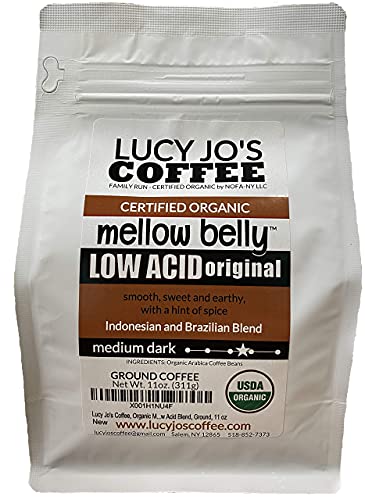
If you’ve struggled with acid reflux or stomach sensitivity but still want a smooth, flavorful cup of coffee, Lucy Jo’s Organic Low Acid Coffee is one of the better options to try. I use 100% organic Arabica beans from Indonesia and Brazil-no fillers, just quality. The blend has a smooth, sweet, earthy taste with a hint of spice, roasted in small batches at a family-run facility in Upstate New York. This hands-on process keeps the flavor consistent and fresh. Certified organic, it’s designed to be gentle on your stomach. Many sensitive drinkers notice improvement. If low acid matters to you, this is a reliable, no-frills choice worth testing.
Best For: Those with acid reflux or stomach sensitivity seeking a smooth, flavorful, low acid coffee made from 100% organic Arabica beans.
Pros:
- Made from certified organic, high-quality Arabica beans sourced from Indonesia and Brazil with no fillers
- Small batch, hand-roasted in Upstate New York for optimal freshness and consistent flavor
- Gentle on the stomach with a smooth, earthy taste and minimal acidity, favored by sensitive drinkers
Cons:
- Limited origin variety with only two sourcing regions, which may lack complexity for some palates
- Available in a single 11 oz size, offering less flexibility for bulk buyers
- Regional roasting may result in longer shipping times for customers outside the Northeast
Folgers Simply Smooth Ground Coffee, Mild Roast, 27 Ounces

Folgers Simply Smooth Ground Coffee, Mild Roast, works best for coffee drinkers who want a smoother cup without the burn-especially if stomach sensitivity has kept you from enjoying regular brews. I find it’s a light roast with a mellow, balanced flavor that doesn’t skimp on taste. It’s specially roasted to reduce certain irritants linked to digestive discomfort, which makes it a practical pick for daily use. The 27-ounce canister gives me good value, and the grounds work with any brewer-drip, French press, you name it. Roasted in New Orleans, it’s consistent and straightforward, though not organic like some premium options. If you need mild but don’t want to overthink it, this does the job.
Best For: Coffee drinkers seeking a smooth, mild roast that’s easier on the stomach without sacrificing flavor or versatility in brewing.
Pros:
- Specially roasted to reduce irritants that may cause digestive discomfort
- Mellow, balanced flavor suitable for a wide range of palates
- Compatible with all standard brewing methods, including drip and French press
Cons:
- Not organic, which may matter to health- or environmentally-conscious buyers
- Mild roast may lack depth for those who prefer bold or rich coffee profiles
- Larger 27-ounce size may not be ideal for those who prefer buying smaller, fresher batches
Low Acid Coffee, Medium Roast, 16-Ounce

I reach for this low acid coffee when my stomach can’t handle the bite of regular brews-its pH of 5.3 makes it a solid choice for anyone prone to acid reflux, heartburn, or digestive upset from high-acid foods. It’s a medium roast, so it keeps flavor without the harshness, with notes of chocolate, nuts, and tangerine. The beans are washed and roasted above 400°F, which helps remove mold and mycotoxins-tested both before export and on arrival. This 16-ounce bag gives you a solid supply, and since it’s ground, it’s ready to brew right away. Perfect for drip machines or French press.
Best For: Individuals with acid reflux, heartburn, or sensitive stomachs seeking a smooth, low-acid coffee that’s gentle on digestion.
Pros:
- Low acidity (pH 5.3) makes it easier to digest and ideal for those with gastrointestinal sensitivities
- Medium roast offers a balanced flavor with notes of chocolate, nuts, and tangerine without bitter aftertaste
- Undergoes rigorous safety testing for mycotoxins and mold, with roasting above 400°F for added purity
Cons:
- Ground format may result in faster flavor degradation compared to whole beans
- Limited roast options-only available as medium roast
- May lack the bold intensity preferred by fans of darker roasts
Lucy Jo’s Organic Low Acid Coffee (11 oz)

Lucy Jo’s Organic Low Acid Coffee is my go-to pick for anyone with a sensitive stomach who still wants a flavorful, everyday brew. I choose it because it’s made from 100% organic Arabica beans sourced from Indonesia and South America, with no filler beans. The medium roast delivers a smooth, sweet, earthy taste with nutty notes, and its low acid formula reduces stomach irritation. It’s small batch, hand-roasted in Upstate New York, so freshness and quality are consistent. You’ll find it on Amazon now, which makes ordering easy compared to regional-only brands.
Best For: Individuals with sensitive stomachs or acid reflux who want a smooth, flavorful coffee without compromising on quality or organic ingredients.
Pros:
- Made from 100% certified organic Arabica beans with no filler beans for clean, pure taste
- Low acid formulation is gentle on the stomach, ideal for those with digestive sensitivities
- Small batch, hand-roasted in Upstate New York, ensuring freshness and artisanal quality
Cons:
- Limited roast availability, currently only offered in medium roast
- Sourced from specific regions, which may affect flavor consistency over time
- Higher price point compared to conventional coffee brands due to organic and small-batch production
VitaCup Organic Low Acid Coffee Ground

If you’re sensitive to acid but still want a rich, full-bodied coffee, VitaCup Organic Low Acid Coffee Ground is a strong contender. I use it regularly because it’s USDA Organic, Fair Trade certified, and third-party tested-no mycotoxins, no surprises. Sourced from high-altitude Guatemala, it’s 100% Arabica, giving a smooth, dark roast with chocolate notes. It’s low acid by design, so it’s easier on the stomach. I’ve brewed it in drip machines, French press, and even cold brew-works every time. Plus, it’s got chlorogenic acid, which supports cellular health. Ground format stays fresh sealed, but you can use it in K-cups too.
Best For: Coffee drinkers who are sensitive to acid but still want a rich, full-bodied dark roast with clean, smooth flavor and high-quality organic, ethically sourced beans.
Pros:
- USDA Organic and Fair Trade certified, ensuring ethical sourcing and premium quality
- Low acid formula is gentle on the stomach while delivering a robust, chocolaty dark roast flavor
- Versatile brewing compatibility with drip machines, French press, cold brew, and reusable K-cups
Cons:
- Ground format may not appeal to those who prefer whole beans for maximum freshness
- Single-origin variety limits flavor experimentation compared to blends
- Premium certifications and quality may come at a higher price point than conventional coffee
Cafe Don Pedro Low Acid Coffee 34.5oz

Cafe Don Pedro Low Acid Coffee 34.5oz is an ideal choice for anyone with a sensitive stomach or acid reflux who still wants a flavorful, everyday coffee. I’ve found it smooth and easy to drink, thanks to its naturally low acidity and medium roast from mountain-grown Arabica beans. The stone-ground texture pulls flavor evenly, so your brew tastes rich without bitterness. At 34.5 ounces, the can lasts weeks and stays fresh. This family-owned brand keeps quality consistent across batches. Unlike some low-acid coffees that taste flat, this one balances taste and comfort. It works well in drip machines and French presses-no special gear needed. A practical option when you want reliable, stomach-friendly coffee daily.
Best For: Individuals with sensitive stomachs or acid reflux who want a smooth, flavorful coffee without irritation.
Pros:
- Naturally low acid formula is gentle on the stomach while maintaining rich flavor
- Made from premium stone-ground Arabica beans for consistent, full-bodied taste
- Large 34.5-ounce can offers long-lasting supply and stays fresh throughout use
Cons:
- May be less acidic than some palates prefer for a traditional bold coffee experience
- Not suitable for those seeking a dark roast, as it is a medium roast
- Availability may be limited compared to mainstream coffee brands
Wow & Flutter Dark Roast Coffee (10 oz)

For anyone whose stomach rebels against traditional coffee, Wow & Flutter Dark Roast is a steady ally-specifically engineered with a low-acid profile to minimize irritation while delivering a smooth, balanced cup. I appreciate its rich, chocolaty notes without the usual burnt or bitter aftertaste common in dark roasts. Each small batch is roasted for consistency and vacuum-sealed in a 10 oz resealable pouch, locking in freshness. It’s independently tested for mold and yeast at Eurofins, so I trust its purity. I can use it in any brew method-drip, pour-over, French press, or espresso-just adjust the grind. Two tablespoons per 6–8 oz water works well.
Best For: Coffee lovers with sensitive stomachs who want a smooth, rich dark roast without bitterness or acid irritation.
Pros:
- Low-acid formula is gentle on the stomach and reduces digestive discomfort
- Independently lab-tested for mold and yeast, ensuring purity and safety
- Versatile brewing compatibility with drip, pour-over, French press, and espresso methods
Cons:
- 10 oz size may require frequent reordering for heavy coffee drinkers
- Whole bean format requires grinding equipment for certain brew methods
- Premium testing and small-batch roasting may result in higher price point
Subtle Earth Organic Coffee (2lb, Medium-Dark Roast)
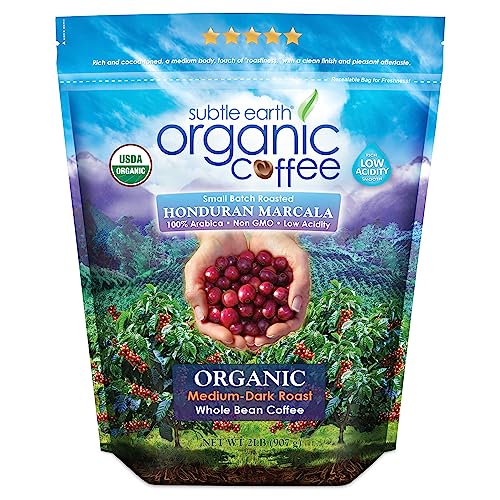
I choose Subtle Earth Organic Coffee when I need a reliable low-acid option that doesn’t sacrifice flavor, especially if I’m sensitive to bright or sharp notes common in lighter roasts. Roasted fresh to order in Miami, this 2lb medium-dark beans batch delivers a full-bodied cup with smooth milk chocolate, honey, and caramel notes. Grown organically in Honduras’ Marcala region, it’s 100% Arabica, non-GMO, and free from chemical inputs. The high-altitude farms use composting and natural pest controls, like pepper plants, to maintain sustainability. Its dense beans handle darker roasting well, enhancing natural sweetness without bitterness. A practical, consistent choice for daily brewing.
Best For: Coffee drinkers seeking a low-acid, flavorful medium-dark roast with organic certification and sustainable sourcing, especially those sensitive to bright or sharp notes in lighter roasts.
Pros:
- Full-bodied with rich, naturally sweet flavor notes of milk chocolate, honey, and caramel
- Grown organically in Honduras using sustainable practices like composting and natural pest control
- Roasted fresh to order in small batches for consistent quality and optimal freshness
Cons:
- Limited origin variety-only sourced from one region (Marcala, Honduras)
- Whole bean only, which may not suit those preferring pre-ground coffee
- Larger 2lb bag size may not be ideal for those who prefer to rotate beans frequently or have limited storage
Lucy Jo’s Organic Low Acid Coffee 26 Oz

My morning routine hinges on coffee that won’t upset my stomach, and Lucy Jo’s Organic Low Acid Coffee is built for people like me-those who need a gentler brew without sacrificing flavor. I use their 26 oz medium dark roast because it’s 100% organic Arabica from Brazil and Indonesia, with no filler beans. It tastes smooth, slightly sweet, earthy, and carries a subtle hint of spice. Small batches are hand-roasted in Upstate New York, which helps maintain freshness and flavor control. The low acid formula works well for sensitive stomachs, and since it’s ground, it’s ready for standard drip machines. I find it’s a reliable choice if you want quality organic coffee that’s easy to digest and doesn’t require specialty gear.
Best For: People seeking a smooth, low acid, organic coffee that’s gentle on the stomach without compromising flavor.
Pros:
- Made from 100% organic Arabica beans with no filler, sourced from Brazil and Indonesia
- Low acid formula ideal for sensitive stomachs and acid reflux sufferers
- Small batch, hand-roasted in Upstate New York for superior freshness and flavor control
Cons:
- Only available in ground form, limiting use for those who prefer whole bean
- Medium dark roast may not suit those looking for lighter or darker roast profiles
- Larger 26 oz size may be impractical for individuals or those who prefer frequent fresh purchases
VitaCup Organic Low Acid Dark Roast Coffee

VitaCup Organic Low Acid Dark Roast Coffee stands out for anyone sensitive to acidity but unwilling to sacrifice flavor. I’ve tried it, and it delivers a smooth, chocolaty taste without the harshness many dark roasts bring. Grown at high altitude in Guatemala, these USDA Organic and Fair Trade beans are third-party tested to be low in acid and free of mycotoxins. They’re pre-ground, so they work with drip machines, French presses, or even cold brew-just seal the bag after use to keep them fresh. Each 10-ounce bag locks in aroma and quality. Plus, they contain chlorogenic acid, a natural antioxidant that supports cellular health. It’s clean, simple, and practical-especially if you want coffee that’s easy on your stomach but still bold in flavor.
Best For: Coffee drinkers with sensitive stomachs who want a smooth, low-acid brew without sacrificing bold, rich flavor.
Pros:
- USDA Organic and Fair Trade certified, ethically sourced from single-origin Guatemalan Arabica beans
- Low acid formula ideal for digestive comfort, third-party tested and free of mycotoxins
- Versatile pre-ground format works with multiple brewing methods and contains chlorogenic acid for added health benefits
Cons:
- Pre-ground format may not appeal to those who prefer whole beans for maximum freshness
- Single-origin sourcing, while high quality, offers less flavor variety compared to blends
- Limited package size at 10 ounces may require frequent repurchasing for heavy coffee drinkers
Factors to Consider When Choosing Low Acid Coffee
You’ll want to check the bean’s origin since regions like Sumatra or Guatemala tend to produce naturally lower acid beans. Go for a dark roast-those oils break down acids during roasting, giving you a smoother cup without the sharp tang. Don’t skip certifications like USDA Organic or Rainforest Alliance, and match your beans to your brew method; French press works well with low acid roasts, while pour-over might still highlight unwanted brightness.
Bean Origin Quality
Origin matters when you’re after a genuinely low acid coffee. You’ll want beans from high-altitude regions-places like the Andes or Ethiopian highlands-where slower bean development creates denser, less acidic coffee with smoother flavor. If the beans grow in volcanic soil, like in Central America or Sumatra, you’re more likely to get a mellow cup thanks to mineral-rich earth reducing harsh notes. Single-origin beans from equatorial microclimates-think Colombia or Kenya-offer stable, low acid profiles because of consistent rainfall and temps. Shade-grown beans, common in sustainable farms, mature slowly, boosting sweetness and cutting acidity. And if you pick washed-process coffee, you’re choosing cleaner, balanced flavor since the fruit is removed early, reducing acid compared to natural or honey methods. These factors combined give you a cup that’s easier on your stomach.
Roast Level Impact
While lighter roasts preserve more of coffee’s natural acids, leading to a brighter but potentially harsher cup, darker roasts break down chlorogenic acids through longer exposure to high heat, resulting in a noticeably smoother and less acidic brew. You’ll find that dark roasts often sit closer to a pH of 5.2–5.5, making them easier on your stomach. Medium roasts strike a middle ground-retaining some complexity while reducing acid levels, typically around 5.3-ideal if you want flavor without the bite. Light roasts, with pH levels near 4.7, keep more organic acids intact, increasing the chance of irritation if you’re sensitive. If acid reflux or stomach discomfort is a concern, go darker. Coffees like Sumatra or French roast aren’t just bold in taste-they’re practical choices for lowering acid intake. Adjusting roast level is one of the simplest, most effective ways to make coffee more digestible without losing quality.
Acidity And Flavor
Though lower acidity can dull some bright, fruity notes found in light roasts, it often brings out deeper, more rounded flavors that appeal to those seeking a gentler cup. You’ll notice low acid coffee typically has a pH around 5.3, making it less harsh than standard coffee, which can dip to pH 4.7. This reduction cuts bitterness and highlights smooth, mellow profiles. Darker roasts help lower acidity by breaking down chlorogenic acids, so choosing a medium to dark roast boosts flavor while easing stomach irritation. You’ll often taste rich notes of chocolate, nuts, and caramel-especially with slow, controlled roasting. The process preserves natural sweetness without losing complexity. While you might lose some citrusy brightness, you gain a balanced, approachable cup. If you’re sensitive but still want depth, focus on roasting method and flavor goals when picking your beans.
Certifications Matter
You’ve considered how roasting affects acidity and flavor, but what’s on the label matters just as much. Look for USDA Organic certification-it means no synthetic pesticides or fertilizers were used. Fair Trade certification guarantees farmers get fair pay and work under ethical conditions, supporting sustainable farming. If you’re sensitive or cautious, choose brands with third-party lab testing for mycotoxins and mold; it’s verified proof your coffee is free from harmful contaminants. Non-GMO certification confirms beans aren’t genetically modified, aligning with natural growing practices. Together, these certifications offer clear, evidence-based assurances about safety, quality, and ethics. They’re not just buzzwords-they’re standards you can check. While not every brand carries all labels, those that do give you more transparency. When shopping for low acid coffee, don’t skip this step. It’s a practical way to verify what you’re drinking and support responsible production without guess-work.
Brewing Method Match
The right grind size and roast level can make or break your low acid coffee, depending on your brew method. If you use a drip coffee maker, choose a medium or dark roast ground to a medium consistency-this prevents over-extraction and keeps bitterness low. For French press, go coarse; it reduces sediment and stops the mesh filter from clogging, giving you a smooth, rich cup. Espresso demands a fine grind so the puck resists water pressure, boosting flavor and crema. With cold brew, use coarse to medium-coarse grounds to safely steep 12–24 hours without turning harsh. Pour-over fans using Chemex or V60 should stick to medium-fine grinds-this balances flow rate and extraction for a clean, flavorful result. Matching your grind to your brewer isn’t optional-it’s how you protect flavor and stomach alike.
Freshness And Storage
Freshness hinges on timing and storage-two factors that directly impact the flavor and quality of your low acid coffee. You’ll want to brew within 14 to 21 days after roasting, as flavor and aroma decline after that. Buy whole beans instead of pre-ground; they stay fresh up to 30 days versus just 14 for ground. Store your coffee in an airtight, opaque container away from light, heat, and moisture to slow degradation. If you need to extend freshness, freeze your beans-but only if vacuum-sealed or in moisture-proof packaging to avoid condensation and off-flavors. Higher-temperature roasts, common in some low acid blends, may last slightly longer due to reduced moisture and more stable compounds. Always keep the bag closed, avoid the fridge, and never leave coffee in an open container. Prioritize small batches and proper storage to maintain peak quality.
Digestive Tolerance Focus
Now that you’ve stored your beans properly to preserve freshness, it’s time to focus on how specific coffee choices affect your digestive system. Look for low acid coffees with a pH of 5.3 or higher-they’re less likely to cause reflux than standard coffee, which can drop to pH 4.7. Choose beans roasted to reduce volatile irritants that boost stomach acid. Opt for lab-tested options free of mycotoxins and mold, since contamination can worsen GI sensitivity. Pick medium to dark roasts; longer roasting lowers chlorogenic acids, which contribute to stomach upset. These roasts often taste smoother and less sharp. Go for flavor notes like nutty, chocolaty, or sweet-they usually mean lower acidity and fewer harsh compounds. These traits matter most if you’ve had discomfort with regular coffee. Not all “low acid” labels are equal, so check for both pH levels and roasting methods to make a smart, stomach-friendly pick.
Sustainable Farming Practices
Look beyond the roast and consider how your low acid coffee is grown-sustainable farming practices play a key role in both environmental health and coffee quality. You’ll find many low acid coffees come from farms using natural pest control, like companion planting, so they avoid synthetic insecticides. High-altitude growing reduces pests, cutting the need for artificial sprays. Farmers compost coffee cherries to enrich soil, reducing chemical fertilizer use. Vermiculture-using earthworms-boosts soil health and plant strength without synthetics. Shade-grown methods preserve tree cover, protecting biodiversity and preventing erosion. These practices support cleaner beans and more stable crops over time. When choosing coffee, look for certifications like Rainforest Alliance or Organic, which verify sustainable standards. While not all low acid brands highlight farming methods, doing a quick check on sourcing helps you pick options that are easier on your stomach and the planet. Support systems that protect both health and ecosystems.
Frequently Asked Questions
Is Low Acid Coffee Completely Acid-Free?
No, low acid coffee isn’t completely acid-free. You’re still drinking a coffee product, and all coffee has some natural acidity. What “low acid” means is that producers have used methods like steam treatment, water processing, or special roasting to reduce the acids that bother your stomach. Brands like Puroast and Tyler’s No Acid use these techniques. It’s not zero, but it’s markedly lower-and often easier on digestion.
Does Low Acid Coffee Taste Different?
Yes, low acid coffee often tastes different. You’ll notice it’s smoother and less sharp, with fewer bitter or sour notes. Some brands, like Puroast or Sweet Coffee, use roasting methods that bring out deeper, caramel-like flavors. But because acidity affects brightness, you might find these coffees flatter compared to regular ones. If you prefer bold, lively taste, it may feel toned down. Still, many enjoy the mellow profile, especially if acid triggers discomfort. Try a medium-dark roast for better balance.
Can I Drink Low Acid Coffee With Milk?
You can drink low acid coffee with milk-most people do, and it won’t undo the benefits. Milk adds creaminess and may further reduce acidity’s effect on your stomach. Whole, oat, or almond milk work well, depending on your taste and dietary needs. Just avoid overheating, which can amplify bitterness. If you’re sensitive, try barista-style plant milks-they blend smoothly. The combo won’t alter the coffee’s pH, but it can improve mouthfeel and make sipping more comfortable, especially if you’re prone to reflux or heartburn.
How Should I Store Low Acid Coffee?
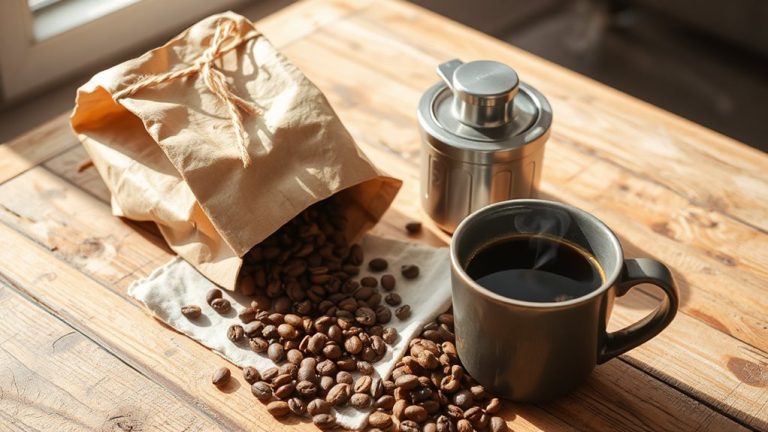
You should store low acid coffee in an airtight container away from light, heat, and moisture-like any quality coffee. Keep it in a cool, dark cabinet, not the fridge or freezer, since humidity damages beans fast. Use glass or opaque plastic with a tight seal. Grind only what you need right before brewing to preserve flavor and freshness. Avoid clear jars on countertops; sunlight degrades taste quickly.
Is Low Acid Coffee More Expensive?
Yes, low acid coffee usually costs more. You’re paying for specialty beans, specific roasting methods, or added processing like steam treatment or water infusion to reduce acidity. Brands like Puroast or Healthwise use these techniques, which raise production costs. Regular coffee doesn’t have these extra steps, so it’s cheaper. If you’re on a budget, consider medium roasts-they’re naturally lower in acid and often cost less than specially treated options.