Best Philippine Coffee Beans Worth Waking Up For
You’ll want Liberica beans from Batangas for their bold, earthy punch and low acidity-try Batangas Brew Kapeng Barako 500g for a dark roast that stands up in French press or espresso. If you prefer something brighter, go for Excelsa Coffee’s 5 lb medium roast with its tamarind and lychee notes, better for pour-over. Whole beans stay fresher longer, especially when stored in resealable foil bags away from light. Choose single-origin for authenticity, and consider caffeine sensitivity-Excelsa has about half the kick. Your next brew choice depends on flavor preference and method, and there’s more to match your taste.
We are supported by our audience. When you purchase through links on our site, we may earn an affiliate commission, at no extra cost for you. Learn more. Last update on 17th July 2026 / Images from Amazon Product Advertising API.
Notable Insights
- Liberica beans from Batangas offer a bold, earthy flavor with low acidity, making 100% pure Kapeng Barako a must-try heritage coffee.
- Excelsa beans deliver bright, tropical notes like tamarind and lychee, ideal for those seeking a complex, evolving taste experience.
- San Mig Coffee Delight uses shade-grown Batangas Arabica, dark-roasted in small batches for a rich, authentic Filipino coffee profile.
- Batangas Brew’s dark roast Liberica beans provide intense aroma and full body, best savored via French press or espresso.
- Excelsa’s medium roast preserves fruit-forward flavors and is naturally pesticide-free, offering a clean, vibrant cup with less caffeine.
Artisans Philippine Barako Gold Coffee Beans

If you’re after a coffee that stands apart from the usual Arabica or Robusta you find on shelves, Artisans Philippine Barako Gold Coffee Beans are your best choice-especially if you value rarity and origin. I grow rare Liberica beans, less than 3% of global supply, nurtured by small farmers in Philippine lowland forests. My medium roast offers bold flavor with farm and forest notes-sweeter, less bitter than Arabica or Robusta-ideal for espresso. I pack 17.6 ounces in simple polyethylene; no frills. Liberica takes more time to grow, so big producers often skip it, but I deliver what they miss: complexity, tradition, and a taste you won’t find in mass-market beans.
Best For: Coffee lovers seeking a rare, heirloom variety with distinct farm-to-cup heritage and bold, complex flavors beyond mainstream Arabica or Robusta.
Pros:
- Made from rare 100% Liberica beans, representing less than 3% of global coffee production for a truly unique experience
- Grown by small-scale Filipino farmers, supporting traditional farming and cultural preservation
- Medium roast with superior sweetness, less bitterness, and rich forest-inspired notes-excellent for espresso
Cons:
- Liberica beans require more labor-intensive cultivation, potentially limiting availability and scalability
- Unfamiliar flavor profile may not appeal to those accustomed to conventional Arabica or Robusta
- Simple polyethylene packaging offers minimal environmental protection or resealability
Excelsa Coffee 12 oz Whole Bean

I reach for the Excelsa Coffee 12 oz Whole Bean when I want a light, vibrant cup with bright tropical notes and less caffeine-perfect for afternoon brewing without the jitters. This rare species isn’t Arabica or Robusta; it’s distinct, with a flavor profile marked by tamarind, citrus, and lychee. Grown in the Philippines’ tropical highlands, it’s naturally pesticide-free thanks to its resilient trees. Roasted monthly in small batches, it guarantees freshness-no stale, warehouse-stored beans. Light-bodied and clean, it works well hot or iced. With half the caffeine of regular coffee, it’s ideal if you’re cutting back but still want depth and complexity in your cup.
Best For: Coffee lovers seeking a unique, low-caffeine option with bright, tropical flavors and a smooth, clean finish-ideal for afternoon drinking or those reducing caffeine without sacrificing complexity.
Pros:
- Rare Excelsa species offers a distinctive flavor profile with notes of tamarind, citrus, and lychee
- Naturally pesticide-free and sustainably grown due to the plant’s resilience
- Roasted monthly in small batches for peak freshness and vibrant taste
Cons:
- Limited availability due to its rare and region-specific cultivation
- Light body and subtle flavor may not satisfy those preferring bold, rich coffee
- Not widely known, so may require an acquired taste or education for new drinkers
Batangas Brew, Kapeng Barako 100% Philippine Coffee 300g/10.58oz, Pack of 1

This robust 100% Philippine coffee made from Liberica beans is the best choice for those seeking a bold, traditional cup with deep regional roots. I recommend Kapeng Barako from Batangas, grown in Cape de Lipa since Spanish friars first planted it in the 1700s. It delivers a strong flavor and pungent aroma few beans match. The 300g pack gives you enough for regular use, whether you brew it black or sweeten it with sugar or honey. It works well on its own or blended with milder beans to balance intensity. Grind it fresh and use a drip brewer or French press for best results.
Best For: Coffee lovers seeking a bold, traditional brew with rich cultural heritage and a strong, distinctive flavor profile from 100% Philippine-grown Liberica beans.
Pros:
- Made from authentic Kapeng Barako Liberica beans with deep historical roots in Batangas, Philippines
- Delivers a robust taste and pungent aroma ideal for those who prefer intense, full-bodied coffee
- Versatile for black consumption or blending, and suitable for various brewing methods like drip or French press
Cons:
- Strong, pungent flavor may be overpowering for those who prefer milder or more balanced coffee profiles
- Liberica beans are less commonly available, which may affect consistency of supply
- No grinding instructions or brew guide included with packaging for first-time users
KYOTO Premium Blend Coffee by K-Nami Philippines

KYOTO Premium Blend Coffee by K-Nami Philippines stands out for those seeking a functional coffee that balances taste with wellness support, especially if you want more than just a caffeine boost. I like that each box has 10 sachets, so it’s easy to use daily-just one per cup. It blends Arabica and Robusta with almond milk and non-dairy creamer for a smooth, creamy feel. It also includes L-Carnitine and Garcinia Cambogia to help metabolism, while ginseng, ginger, and capsicum boost energy. For skin, it has glutathione, marine collagen, and sakura extract. It’s not just coffee-it’s a daily wellness habit in a cup.
Best For: Individuals seeking a delicious, ready-to-drink coffee that supports metabolism, energy, and skin health through functional ingredients.
Pros:
- Combines premium Arabica and Robusta coffee with almond milk and non-dairy creamer for a smooth, creamy texture
- Infused with wellness-boosting ingredients like L-Carnitine, Garcinia Cambogia, ginseng, ginger, and capsicum
- Enhanced with skin-nourishing components such as glutathione, marine collagen, and antioxidant-rich sakura extract
Cons:
- Contains non-dairy creamer, which may include additives or ingredients some consumers prefer to avoid
- Functional benefits depend on consistent daily use, with results varying by individual
- May be priced higher than standard coffee blends due to added wellness ingredients
Batangas Brew Kapeng Barako Coffee 300g
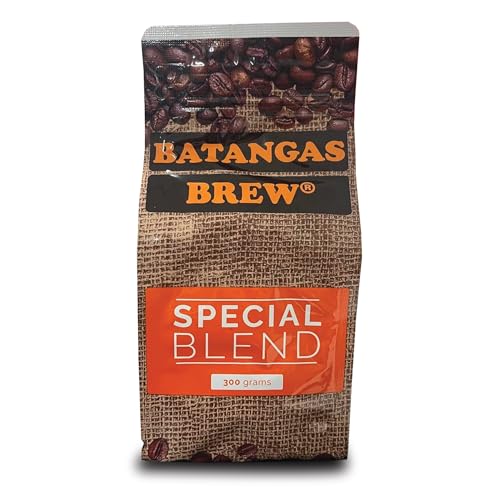
You’ll want 100% pure Liberica beans if you’re after a bold, authentic taste that stands out from the more common Arabica or Robusta varieties, and Batangas Brew Kapeng Barako Coffee delivers exactly that. Grown in Batangas, these rare Liberica beans offer a full-bodied, smooth flavor with a dark roast that’s strong but not bitter. It works well in drip machines, French press, or espresso setups-no fuss. The resealable foil bag keeps it fresh, and the no-additives formula means you get pure, consistent quality. It’s a practical choice for daily brewing while supporting Filipino farmers and sustainable farming.
Best For: Coffee lovers seeking a bold, authentic Filipino brew made from rare 100% pure Liberica beans with a rich, dark roast profile.
Pros:
- Made from 100% pure Liberica beans grown in Batangas, offering a rare and distinctive flavor
- Versatile for multiple brewing methods including drip, French press, and espresso
- Supports local Filipino farmers and promotes sustainable agriculture
Cons:
- Limited availability outside the Philippines may affect accessibility
- Strong, bold flavor may not appeal to those who prefer mild or acidic coffee profiles
- Dark roast may reduce caffeine content compared to lighter roasts or Robusta varieties
Batangas Brew Kapeng Barako Coffee (600g)

If you’re after a bold, aromatic brew that stays true to Filipino coffee traditions, Batangas Brew Kapeng Barako Coffee (600g) is a solid choice, especially if you value origin-specific Arabica beans grown under ideal conditions. Grown in Batangas’ highlands, the beans benefit from cool air and volcanic soil, while shade-growing guarantees slow maturation for deeper flavor. Small-batch dark roasting gives each bean a glossy finish and robust taste you can count on. You’ll get two grind options: whole beans (ideal for French press or pour-over) or special pre-ground for quick brewing. The larger 600g pack suits daily drinkers who want freshness without frequent restocking. It’s reliable, authentic, and built for consistency-no guesswork, just strong, traditional coffee done right.
Best For: Coffee lovers who seek a bold, authentic Filipino brew made from high-quality, shade-grown Arabica beans with a rich cultural heritage.
Pros:
- Made from 100% Arabica beans grown in Batangas’ volcanic highlands for superior flavor
- Small-batch dark roasting preserves freshness, aroma, and delivers a bold, consistent taste
- Offers two grind options (whole bean and special pre-ground) for versatility and convenience
Cons:
- Dark roast may be too intense for those who prefer mild or medium-bodied coffee
- Limited to a single origin and roast profile, reducing variety for experimental drinkers
- 600g size may be too large for occasional coffee drinkers or those testing the product for the first time
San Mig Barako 3 in 1 Coffee Mix 17gr Pack Of 10

One of the strongest 3-in-1 options among Philippine coffee brands, San Mig Barako delivers a bold flavor that’s best suited for those who prefer a powerful, no-frills cup without the need for brewing equipment. I rely on this 17g single-serve mix when I’m in a rush or traveling-it dissolves instantly in hot water. Made from Barako beans grown in Batangas, it’s noticeably bitter and intense, so don’t expect sweetness. Each strip holds 10 packs, making it portable and practical. It’s not gourmet, but it’s consistent, shelf-stable, and requires zero gear.
Best For: Those who want a strong, no-fuss coffee experience on the go without brewing equipment.
Pros:
- Delivers a bold, intense flavor ideal for fans of strong coffee
- Convenient single-serve packets perfect for travel or busy lifestyles
- Made from authentic Barako beans grown in Batangas, Philippines
Cons:
- Very bitter and lacks sweetness, which may not suit all palates
- Basic 3-in-1 formulation without gourmet or premium qualities
- Limited flavor customization due to its strong, dominant taste
Batangas Brew Kapeng Barako 500g

When it comes to choosing Batangas Brew Kapeng Barako 500g, this bold dark roast is best suited for those who value strong, full-bodied coffee with deep cultural roots, especially if they appreciate rare Liberica beans over the more common Arabica or Robusta. I use it in my French press or drip machine-both bring out its rich, earthy flavor. The regular grind saves time, and since it’s freshly roasted with no additives, I trust the quality. The resealable foil bag keeps it fresh for weeks, even on my counter. It’s not as acidic as Arabica, but its intensity might overwhelm new drinkers. If you want authenticity and strength, this is it-just make sure your brewer can handle bold beans.
Best For: Coffee enthusiasts who prefer bold, full-bodied flavors and appreciate rare, heritage-grade Liberica beans with authentic Philippine roots.
Pros:
- Bold, rich flavor with a distinct earthy aroma, ideal for those who enjoy strong, dark roast coffee
- Versatile for multiple brewing methods including French press, drip, and espresso
- Freshly roasted and ground with no additives, preserved in a resealable foil bag for lasting freshness
Cons:
- Strong intensity may be overwhelming for those new to dark or robust coffees
- Limited availability outside the Philippines due to its regional sourcing
- Less acidity compared to Arabica, which may not suit palates preferring bright, fruity notes
Excelsa Coffee 5 lb Medium Roast

You’ll want the Excelsa Coffee 5 lb Medium Roast if you’re after a rare, fruit-forward profile with lower caffeine-perfect for all-day sipping without the crash. I use it for pour-over and iced coffee, where its tamarind, lychee, and citrus notes shine. Grown pesticide-free in the Philippine highlands, this resilient bean thrives naturally, supporting small farms sustainably. Roasted monthly in small batches, the 5 lb whole bean pack stays fresh and suits high-use settings like offices or cafés. It’s not for espresso lovers chasing boldness-it’s brighter, lighter, more nuanced. If you’re caffeine-sensitive or need steady focus, this is a practical, flavorful pick.
Best For: Caffeine-sensitive individuals and coffee lovers seeking a rare, fruit-forward, low-caffeine brew ideal for all-day consumption and sustainable choices.
Pros:
- Distinctive flavor profile with vibrant notes of tamarind, lychee, and citrus peel, perfect for pour-over and iced coffee
- Grown pesticide-free in the Philippines, supporting small family farms and sustainable agriculture
- Lower caffeine content (about 50% less than standard coffee) for sustained focus without jitters
Cons:
- Not suitable for those who prefer bold, heavy-bodied espresso or dark roast profiles
- Limited availability due to the rarity of the Excelsa species
- 5 lb bulk size may be impractical for low-consumption households
Batangas Brew Regular Blend Whole Beans 300g, Pack of 1

If you’re after a bold, no-frills coffee rooted in Philippine tradition, Batangas Brew Regular Blend Whole Beans is the best choice for those who value authenticity and origin. I use it because it’s pure Liberica-rare globally and deeply tied to local farms in Batangas. The dark roast delivers a strong, full-bodied punch with that classic Kapeng Barako intensity. It works well in a French press or drip machine, though its boldness shines in espresso. There are no additives, just freshly roasted beans packed in a resealable foil bag that keeps them fresh. If you want real, unfiltered Filipino coffee with backbone, this is it.
Best For: Coffee lovers who seek a bold, authentic Filipino brew made from rare pure Liberica beans with deep cultural roots and a strong, full-bodied flavor.
Pros:
- Made from 100% pure Liberica coffee beans, one of the rarest species globally, sourced sustainably from Batangas farmers
- Dark roast with intense aroma and rich, full-bodied taste characteristic of traditional Kapeng Barako
- Packaged in a resealable foil bag to preserve freshness and flavor over time
Cons:
- Bold, intense flavor may be too strong for those who prefer mild or balanced coffee profiles
- Limited brewing versatility-may overpower in methods that require subtle notes, like pour-over
- Single-origin Liberica beans may have limited availability and higher cost compared to commercial blends
Factors to Consider When Choosing Philippine Coffee
You’ll want to check where your beans come from-authentic regions like Sagada, Kape Toraja, or Mount Apo often guarantee better quality and traceability. Look at the variety too, since rare types like Liberica or Excelsa offer distinct flavors but can be hit or miss depending on roast level. A medium roast usually preserves the bean’s natural complexity, especially if the farm uses sustainable methods that support both flavor and the environment.
Bean Origin Authenticity
While many coffees claim Philippine origin, true authenticity hinges on the presence of rare native species like Liberica and Excelsa, which together make up less than 3% of global production and are central to the country’s coffee identity. You’ll find Liberica beans mainly in lowland areas like Batangas and Cavite, where their large size, bold taste, and smoky aroma reflect generations of local farming. Excelsa thrives in high-altitude zones such as Sagada, delivering tart, fruity notes thanks to cool tropical climates. These species aren’t just regional quirks-they’re tied to heirloom practices dating back to the 1700s. To verify authenticity, check if the beans are grown in documented ecological zones and labeled with varietal names like “Barako” (a Liberica type). Blends or beans grown outside these conditions often lack the distinct traits you’re looking for. Prioritize single-origin, traceable sources to guarantee you’re getting the real thing.
Coffee Variety Rarity
Because Liberica and Excelsa make up such a small fraction of global production-less than 3% combined-their rarity directly impacts what you’ll find in the Philippine coffee market. You’ll rarely see Liberica outside local farms since it demands more care and yields less than Arabica or Robusta. Excelsa, though technically a separate species, grows in similar conditions and offers complex, tart, fruity notes you won’t get elsewhere. These rare types thrive only in specific microclimates, mostly in the Philippines’ highlands, limiting supply. When choosing beans, expect higher prices and smaller batches. If you want bold, unusual flavors-think jackfruit, smoke, or dark chocolate-prioritize Liberica or Excelsa from trusted local roasters like Sagada Coffee or Bote Central. Just know: they’re harder to find, so check roast dates and storage. Freshness matters more with rare beans, and proper gear-like a good burr grinder-helps you taste their full profile.
Roast Level Impact
Dark roast amps up the boldness of Philippine coffee, especially with robust varieties like Liberica or high-grown Robusta, deepening their natural smokiness and body. You’ll get intense flavor and rich aroma, ideal for espresso or French press. But don’t overlook medium roasts-they preserve more of the bean’s original character, boosting sweetness and complexity while cutting bitterness. They work well in drip machines or Aeropress. Light roasts maintain bright acidity and delicate fruity or floral notes, perfect for pour-over methods that highlight terroir. Caffeine differences are minimal, though darker roasts lose a bit from longer heating. Match your roast to your brewer: go dark for bold, full-bodied results; choose lighter for clarity and nuance. Pick based on your taste and method, not trends.
Flavor Profile Complexity
If you’re after a coffee with depth and character, Philippine beans like Liberica and Excelsa deliver complexity that stands apart from the typical Arabica or Robusta profiles. Liberica offers bold, rustic notes-think farm and forest-with a full body and lingering finish. Excelsa, in contrast, brings bright acidity and tropical flair, with distinct hints of tamarind, citrus, and lychee in a lighter body. You’ll notice layered flavors shifting from tart to fruity to juicy, especially when medium roasts highlight natural sweetness and minimize bitterness. These heirloom varieties thrive in unique terroirs, which sharpen their clean, vibrant profiles. While their tastes are less predictable than mainstream beans, that variation is part of their appeal. If you want a dynamic cup that evolves sip by sip, choose Liberica or Excelsa. They’re not just different-they’re distinctively complex, offering a tasting journey few commercial blends match.
Cultivation Sustainability
While some coffee farms rely heavily on chemical inputs, Philippine growers increasingly adopt sustainable practices that align with the land’s natural strengths. You’ll find farmers using shade-growing methods, where coffee thrives under tree canopies that boost biodiversity and protect soil health. This reduces erosion and supports ecosystems without extra effort. Many Philippine coffee varieties are hardy, needing fewer pesticides because they’re naturally pest-resistant, especially in tropical highlands. When you choose beans from small-batch farms, you’re backing lower waste and better quality control. Family-run farms often grow rare types like Liberica or Excelsa, maintaining traditional techniques that preserve the environment long-term. These methods mean fewer chemicals, less damage to surrounding forests, and smarter land use. If sustainability matters to you, look for shade-grown, highland-produced beans with transparent sourcing. It’s a practical choice that supports both quality and the planet without sacrificing one for the other.
Brewing Method Match
You’ll get the best results from your Philippine coffee by matching the roast profile and bean type to your brewing method. If you’re using a pour-over or drip system, go for medium roast beans with bright, fruity notes-they bring out clean, complex flavors. For espresso, French press, or Moka pot, choose dark roast beans; their bold, full-bodied character stands up well to intense extraction. When making iced coffee, pick lighter-bodied, low-caffeine beans to keep the taste smooth and revitalizing without bitterness. Use whole beans for manual methods like pour-over or French press-grinding right before brewing preserves freshness and lets you control extraction. Pre-ground coffee with a regular grind works fine for automatic drip machines, ensuring even extraction and consistent flavor. Match your bean and grind to the brewer, and you’ll get the most from every cup.
Caffeine Sensitivity Needs
Because some rare coffee species native to the Philippines produce beans with about half the caffeine of standard varieties, they’re a smart choice if you’re sensitive to stimulants or looking to cut back. These low-caffeine beans give you steady focus without jitters or crashes, making them ideal for afternoons or reducing daily intake. You’ll still get rich flavor-think bright, fruity, tropical notes-without the strong kick. Unlike decaf processed with chemicals, these beans are naturally low in caffeine and often grown without synthetic inputs, thanks to their resilient plants. That means a cleaner cup and a more sustainable choice. If you’re prone to anxiety, insomnia, or stomach upset from coffee, trying a native Philippine low-caffeine variety could solve the problem without switching to herbal alternatives. You keep the taste and ritual, just with less caffeine. It’s a practical fix for real sensitivities.
Freshness Preservation Methods
When you’re choosing Philippine coffee, how it’s roasted and packaged makes a big difference in freshness and flavor. Look for brands that roast in small batches monthly-this guarantees beans are fresh and used quickly, reducing lag time. Always pick whole bean over pre-ground; it slows oxidation and keeps flavors intact longer. Check that the coffee comes in resealable foil bags or oxygen-barrier packaging-these block light, moisture, and air, which degrade quality. Once opened, store your coffee in an airtight container away from heat and humidity to preserve its aroma and complexity. Avoid clear containers or frequent fridge use, as condensation and temperature swings hurt stability. Immediate packaging post-roast locks in essential oils and volatile compounds, so check roast dates and aim to use within 4–6 weeks for best results. Prioritize freshness-focused practices for a brighter, truer cup.
Frequently Asked Questions
Can Philippine Coffee Beans Be Used for Espresso?
Yes, you can use Philippine coffee beans for espresso if they’re roasted appropriately. Lighter roasts may lack body, while medium to dark roasts work better, offering balanced acidity and sweetness. Arabica beans like those from Benguet or Kalinga pull clean shots with floral notes, but for crema and strength, blend in robusta from Sagada or Batangas. Grind fine, tamp evenly, and dial in fresh. Filipino beans aren’t traditional espresso choices, but with the right prep, they perform well.
Are These Coffee Brands Organic or Pesticide-Free?
You’ll find some Philippine coffee brands are organic or pesticide-free, but not all. Check labels for Certifications like USDA Organic or PHILOrganic. Brands such as Seguidor Estate and Kalinga Coffee Co. state sustainable, chemical-free practices. Others may use minimal pesticides, so ask producers directly. If purity’s a priority, go for third-party verified beans. For espresso or pour-over, organic beans work fine-just store them properly to keep freshness. Always verify claims; “natural” doesn’t mean certified.
What’s the Shelf Life of Roasted Philippine Coffee Beans?
You’ll get the best flavor from roasted Philippine coffee beans within 2 to 4 weeks after roasting. After that, they gradually lose aroma and freshness. If stored in an airtight container away from light, heat, and moisture, they can still taste decent up to 6–8 weeks. Avoid the fridge; it damages the beans. For peak quality, grind and brew just before drinking..freeze portions you won’t use quickly.
Do These Brands Support Local Filipino Farmers?
Yes, many of these brands support local Filipino farmers by sourcing beans directly from smallholder growers in regions like Sagada, Kalinga, and Bukidnon. You’ll find companies like SG Coffee and Artisan Roast building long-term partnerships with cooperatives, paying fair prices. Others, like Cafe Faura, work with local suppliers but don’t always disclose farm details. If direct trade and farmer equity matter to you, look for transparency in sourcing-check labels or websites for origin specifics and certifications.
Is Barako Coffee Suitable for People With Sensitive Stomachs?
No, barako coffee isn’t ideal for people with sensitive stomachs. It’s high in caffeine and has a bold, intense flavor that can trigger acid reflux or discomfort. If you’re prone to stomach issues, you’re better off choosing a low-acid, medium-roast Arabica blend. Lighter roasts and beans like Sagada or Benguet might suit you better. Always brew with a paper filter-methods like drip or pour-over reduce oils linked to irritation.