Best Japanese Coffee Makers Every Brew Enthusiast Needs
You get precision and reliability with Japanese coffee makers like the Zojirushi EC-YTC100XB, which uses a thermal carafe to keep coffee hot without burning. Models like the EC-DAC50RA ZUTTO are compact, PFAS-free, and ideal for small spaces. For full control, try the Hario Technica siphon-manual, visually engaging, and rich in flavor. Most require hand cleaning, but deliver consistent results. Your pick depends on size, automation, and how involved you want to be in the brew process-choices open up from here.
We are supported by our audience. When you purchase through links on our site, we may earn an affiliate commission, at no extra cost for you. Learn more. Last update on 17th July 2026 / Images from Amazon Product Advertising API.
Notable Insights
- Zojirushi EC-YTC100XB offers a 10-cup thermal carafe that keeps coffee hot without a warming plate.
- Hario V60 Ceramic Pour Over Set provides precise heat control and even extraction for clean, flavorful coffee.
- Zojirushi Dome Brew Classic uses shower dome dispersion and brews at 200°F for optimal flavor clarity.
- Siphon coffee makers like Hario “Technica” deliver rich, full-immersion brewing with visually elegant performance.
- Compact Zojirushi EC-DAC50RA ZUTTO is PFAS-free, BPA-free, and ideal for small spaces and single servings.
Zojirushi EC-YTC100XB 10-Cup Coffee Maker (Stainless Steel/Black)

If you want consistently hot coffee without relying on a heated plate, the Zojirushi EC-YTC100XB is one of the few drip makers that uses a vacuum-insulated thermal carafe to keep coffee hot for hours-perfect for small households or offices that value temperature stability over mass production. I brew mine at 200°F, which extracts flavor well without scalding. The concentrated iced coffee setting adjusts the ratio so it’s not watery over ice. Its tapered carafe pours cleanly, and the lid’s thumb-activated-I clean the filter and tank by hand since it’s not dishwasher safe-but that’s a small trade-off for consistent heat and build quality you can rely on daily.
Best For: Small households or offices that prioritize consistently hot coffee without a heated plate and appreciate precise brewing for both hot and iced coffee.
Pros:
- Vacuum-insulated thermal carafe keeps coffee hot for hours without a heating element
- Concentrated brew setting optimizes flavor for iced coffee without dilution
- Tapered carafe design with thumb-activated lid enables drip-free, easy pouring
Cons:
- Not dishwasher safe, requiring hand washing of the filter and water tank
- Limited 10-cup capacity may be insufficient for larger gatherings
- Higher price point compared to standard drip coffee makers with glass carafes
Zojirushi EC-DAC50 Zutto 5-Cup Drip Coffeemaker,Silver

The Zojirushi EC-DAC50 Zutto 5-Cup Drip Coffeemaker suits small households or office setups where space is tight but reliable coffee quality matters. I use it daily, and its compact 8D x 5W x 10H size fits neatly on cramped counters. It brews up to five cups with ground coffee, using a cone-shaped basket for even extraction. The charcoal water filter improves taste, and the removable tank makes filling and cleaning simple. I wish it were dishwasher safe, but handwashing keeps it in good shape. With a keep-warm plate, my coffee stays hot, though I turn it off after two hours to save energy. It’s reliable, BPA-free, and still available after years on the market.
Best For: Small households or compact office spaces where space-saving design and consistent coffee quality are priorities.
Pros:
- Compact footprint fits easily in tight spaces without sacrificing brewing performance
- Includes a charcoal water filter for improved taste and a removable water tank for easy filling and cleaning
- BPA-free construction and keep-warm plate ensure safe, hot coffee with every brew
Cons:
- Not dishwasher safe, requiring hand washing for maintenance
- Manual operation lacks programmable features for automatic brewing
- Keep-warm plate consumes energy if left on, requiring user diligence to turn off
Hario “Technica” Coffee Syphon, 600ml
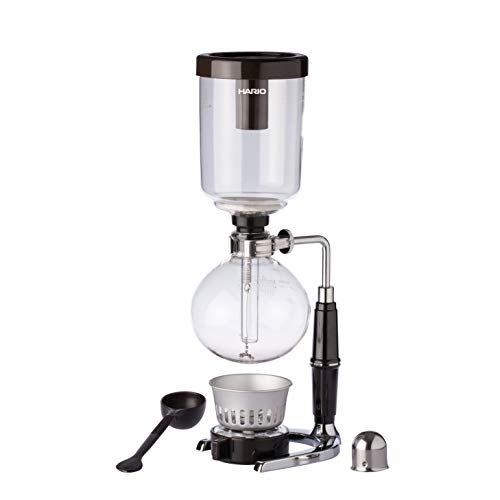
I choose the Hario “Technica” Coffee Syphon, 600ml, when I want full control over my brew with a method that’s both precise and theatrical. Made in Japan, it uses heat-resistant borosilicate glass and stainless steel parts for durability and clarity. The 600ml capacity suits up to five cups, ideal for small batches. I light the alcohol burner myself, so it’s manual but rewarding. The brass fittings and aluminum windbreak help maintain stable heat. I skip the dishwasher-hand washing keeps it safe. It’s not quick, but I get clean, vibrant coffee that rivals café quality. If you value ritual and flavor, this is worth the effort.
Best For: Coffee enthusiasts who appreciate a hands-on, ritualistic brewing experience and prioritize precise control and exceptional flavor.
Pros:
- Delivers clean, vibrant coffee with professional-grade flavor through precise vacuum brewing
- High-quality, durable construction using heat-resistant borosilicate glass and stainless steel
- Visually striking, manual brewing process enhances the sensory and ceremonial aspects of coffee making
Cons:
- Time-consuming brewing process not ideal for quick or daily use
- Requires careful hand washing; not dishwasher safe
- Manual operation with an open flame demands attention and skill for consistent results
Zojirushi EC-DAC50BA ZUTTO Coffee Maker 5 Cups, Black, PFAS-free
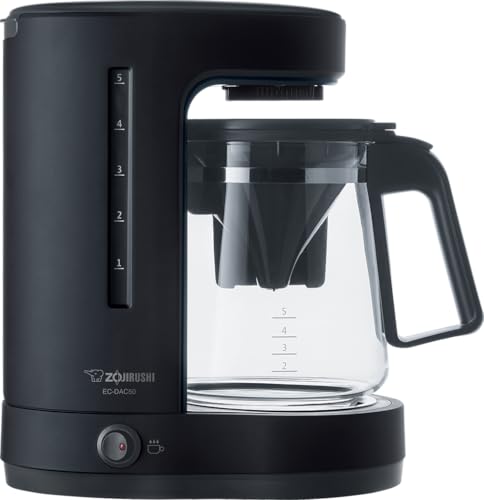
You’ll want this Zojirushi EC-DAC50BA ZUTTO Coffee Maker if you’re after a compact, no-fuss brewer that still delivers clean, consistent coffee without harmful chemicals-ideal for small kitchens or minimalist setups where space and safety matter. I use it daily, and the 5-cup capacity suits my needs just right. It’s free of PFAS and BPA, so I don’t worry about chemicals leaching into my coffee. The charcoal water filter lasts up to two years, cutting down on replacements. I like the cone-shaped basket for even extraction and the iced coffee setting for stronger brews. The glass carafe has a comfortable handle, though I hand-wash it since it’s not dishwasher safe.
Best For: Small-space dwellers or minimalist coffee drinkers who want a safe, compact, and reliable coffee maker free of harmful chemicals like PFAS and BPA.
Pros:
- Compact design ideal for small kitchens or minimalist setups
- PFAS-free and BPA-free construction ensures safe brewing
- Charcoal water filter lasts up to two years, reducing maintenance
Cons:
- Not dishwasher safe, requiring hand washing of carafe and components
- 5-cup capacity may be too small for larger households or entertaining
- Limited automation features compared to higher-end models
5-Cup Siphon Coffee Maker with Filters

Peoxo’s 5-Cup Siphon Coffee Maker with Filters stands out for coffee lovers who want full control over their brew without relying on electric machines. I use its manual vacuum siphon method with an alcohol lamp or gas stove, and it works cleanly across heat sources. Made of high-temperature glass and a stainless steel base, it’s durable if handled right-I avoid thermal shock by warming it gradually. The wooden handle stays cool, and the 10 reusable cloth filters give clarity and rich flavor. I clean each part by hand after brewing. It’s not dishwasher-safe, but the ritual’s worth it for precise, aromatic coffee.
Best For: Coffee enthusiasts who value precision, aroma, and a hands-on brewing experience using manual vacuum siphon technology.
Pros:
- Durable construction with high-temperature resistant, lead-free glass and a stable stainless steel base
- Includes 10 reusable cloth filters for rich flavor and clarity in every brew
- Compatible with multiple heat sources including alcohol lamp, gas stove, and halogen heater
Cons:
- Not dishwasher safe, requiring careful hand cleaning after each use
- Vulnerable to thermal shock if not pre-warmed or handled improperly
- Manual operation may be complex for beginners or those seeking convenience
Hario V60 Ceramic Pour Over Coffee Set, Size 02, White

The Hario V60 Ceramic Pour Over Coffee Set, Size 02, strikes a balance between precision and simplicity, making it a top pick for coffee lovers who value control and consistency in their daily brew. I use the ceramic dripper daily-it retains heat well and the spiral grooves guide water evenly through the grounds. The set includes a heatproof borosilicate glass carafe, lid, scoop, and 100 paper filters, so I’m ready to brew right away. It’s dishwasher safe, and the BPA-free parts feel durable. At 1–4 cups, it’s perfect for one or two people. I’ve found it brings out clearer flavors than metal filters or automatic machines.
Best For: Coffee enthusiasts who want precise control over their pour-over brewing process and appreciate a clean, heat-retaining ceramic dripper for consistent, flavorful results.
Pros:
- Includes all essential components: ceramic dripper, borosilicate glass server, filters, scoop, and lid for immediate use
- Ceramic construction offers excellent heat retention and even extraction thanks to spiral grooves
- Dishwasher safe and made with BPA-free, durable materials for easy maintenance and safety
Cons:
- Glass carafe can be fragile despite being heatproof and resistant to thermal shock
- Requires practice to master pouring technique for optimal flavor
- Paper filters need regular replacement, adding ongoing cost versus metal alternatives
YUCHENGTECH Siphon Coffee Maker (5 Cups)

A siphon coffee maker like the YUCHENGTECH 5-cup model suits hands-on brewers who value precision and enjoy the ritual of manual brewing. I use it for its 600ml capacity and borosilicate glass chambers, which handle temps from -30℃ to 180℃ without cracking. The buffer clamp boosts stability, and the stainless steel base works on gas, halogen, or alcohol heat sources. I always dry the lower pot before use and secure the handle when removing the upper chamber. It’s not dishwasher safe, so I clean it by hand. This isn’t automatic-good for those who want control, not convenience.
Best For: Hands-on coffee enthusiasts who value precision and enjoy the ritual of manual brewing with full control over the process.
Pros:
- Made with high-temperature resistant borosilicate glass that withstands extreme temperatures from -30℃ to 180℃
- Features a buffer clamp and stainless steel base for enhanced stability and compatibility with multiple heat sources
- Offers an engaging, visual brewing experience that highlights the craftsmanship of coffee making
Cons:
- Requires manual operation and close attention, making it less convenient for quick coffee preparation
- Not dishwasher safe, necessitating careful hand cleaning after each use
- Glass construction, while durable, requires cautious handling to avoid breakage
Zojirushi EC-DAC50RA ZUTTO Coffee Maker 5 Cups, Red, PFAS-free

If you’re tight on counter space but still want a reliable drip coffee maker, the Zojirushi EC-DAC50RA ZUTTO fits neatly on small kitchens or office desks without sacrificing function. I use it daily, and it brews up to 5 cups with ground coffee, thanks to its cone-shaped basket and included measuring spoon. It’s PFAS-free and BPA-free where it matters-on all beverage-contact parts. The glass carafe has a comfortable handle and knuckle guard, and the charcoal water filter lasts up to two years. I adjust water levels for iced coffee, and the keep-warm function runs automatically. Just note: it’s not dishwasher safe.
Best For: Small-space dwellers and office users who want a compact, reliable, PFAS-free drip coffee maker for brewing up to 5 cups daily.
Pros:
- Compact, space-saving design with a modern matte finish
- PFAS-free and BPA-free on all beverage-contact surfaces
- Includes a long-lasting charcoal water filter and iced coffee water measure lines
Cons:
- Not dishwasher safe, requiring hand washing for maintenance
- Limited capacity at only 5 cups, not ideal for larger households
- AC power cord is attached, which may limit placement options
Siphon Coffee Maker Japanese Style 1-3 Cups

You’ll want precision and ritual in your morning routine if the Japanese-style siphon coffee maker speaks to you, and this 1–3 cup model delivers both with its clear, scientific brewing process. I use the heat-resistant borosilicate glass and stainless steel build daily-it’s durable but needs gentle handling. The vacuum system moves water with vapor pressure, then filters coffee downward after I kill the alcohol flame. I stir every 30 seconds, twice, for even extraction. It’s not dishwasher safe, so I clean it by hand. I brew with ground coffee, no electricity needed, just an open flame. Works great at home or in my office.
Best For: Coffee enthusiasts who appreciate a precise, ritualistic brewing process and enjoy the visual appeal of a manual, vacuum-based system.
Pros:
- Elegant design with durable borosilicate glass and stainless steel construction
- Full immersion brewing delivers rich, clean flavor with visible extraction process
- Portable and electric-free operation using an alcohol burner, ideal for home or office
Cons:
- Fragile glass components require careful handling and manual cleaning
- Brewing process is time-consuming and requires attention to timing and heat
- Alcohol burner needs fuel monitoring and proper safety precautions during use
Zojirushi Dome Brew Classic Coffee Maker (Stainless Black)

The Zojirushi Dome Brew Classic Coffee Maker (Stainless Black) stands out for those who value precision in brewing without sacrificing simplicity, thanks to its shower dome dispersion system that evenly wets coffee grounds for consistent extraction. I use it daily for both hot and iced coffee-its 12-cup capacity handles mornings well, while the 8-cup iced setting cools brew fast without dilution. It hits 200°F, pulling rich flavor without bitterness, and lets me adjust strength from light to bold. The drip-pause feature’s handy when I pour mid-brew. Stainless steel looks sharp, but shows smudges. It’s not dishwasher safe, so I clean it by hand.
Best For: Coffee lovers who want precise, flavorful brewing with the convenience of both hot and iced coffee options in a sleek, durable design.
Pros:
- Even extraction thanks to shower dome dispersion system for consistently great flavor
- Adjustable brew strength and dual functionality for hot or iced coffee
- Drip-pause feature and temperature optimization enhance usability and taste
Cons:
- Stainless steel finish shows smudges and requires frequent wiping
- Not dishwasher safe, necessitating hand cleaning
- Brushed finish may scratch over time with improper cleaning
Factors to Consider When Choosing a Japanese Coffee Maker
You’ll want to contemplate brewing capacity first-choose a size that matches your household or office use, like the 10-cup Zojirushi or compact 4-cup models for smaller spaces. Look for ease of use, material safety, and design that fits your kitchen, since Japanese makers often combine sleek aesthetics with BPA-free, durable materials. And don’t overlook the power source-some models are 110V for North America, while others need converters if imported directly from Japan.
Brewing Capacity
A 1- to 12-cup brewing capacity gives you flexibility depending on your daily needs, with each cup measured as 5 fluid ounces for consistent serving sizes. If you’re brewing for one or have limited counter space, models with 1–5 cup capacity-like the Hario V60 or smaller siphon brewers-are compact and efficient. For households or regular guests, choose a 6–12 cup machine, such as the Techbrew 12-Cup Dripper. Some machines offer concentrated brew modes, so your coffee stays strong even at smaller volumes. Iced coffee settings tweak the water-to-coffee ratio to avoid weak, diluted results when serving over ice. Manual brewers like siphon or pour-over systems often max out at 6 cups, with chambers-like a 600ml flask-limiting total output. Match the size to your routine to avoid waste or overflow.
Ease Of Use
When choosing a Japanese coffee maker, how much effort you want to put into brewing makes a big difference in which type fits your routine. If you value convenience, pick a fully automatic model with programmable timers-just set it and wake up to fresh coffee. Drip coffee makers with removable water tanks make refilling easy and minimize spills, adding to daily usability. Thermal carafes keep coffee hot without a warming plate, so your brew won’t burn. For eco-conscious users, models with permanent filters cut down on waste and long-term costs. On the other hand, manual pour-over or siphon brewers demand attention: you’ll need to manage water flow, timing, and heat carefully. These methods offer control but require practice. Automatic options save time and reduce errors, ideal for consistent, hands-off brewing. Choose based on how much attention you’re willing to give each morning.
Material Safety
Your health hinges on what your coffee touches. Choose Japanese coffee makers labeled PFAS-free, avoiding PTFE and PFOA, which can release harmful chemicals when heated. Always check that parts touching coffee or water are BPA-free-plastics without this label may leach toxins over time, especially with hot liquids. Opt for 304 food-grade stainless steel in brewing chambers or filters; it resists corrosion and won’t leach metals, even at high temps. If your carafe or kettle uses glass, confirm it’s borosilicate-it handles heat better and resists cracking or leaching. Skip plastic components in favor of stainless steel or glass whenever possible, particularly in areas exposed to boiling water. While some plastics are labeled safe, long-term exposure risks remain unclear. Prioritize models from reputable brands that disclose material specs, like Hario, Kalita, or Technivorm. Safe materials don’t guarantee flavor, but they do guarantee your daily brew won’t compromise your well-being.
Design And Style
While performance matters, you shouldn’t overlook how design and style impact both function and fit in your kitchen. Japanese coffee makers often feature sleek, minimalist designs with metallic or matte finishes that emphasize clean lines and practical elegance. You’ll find compact models perfect for small spaces, with space-saving profiles that blend into modern countertops. High-quality materials like borosilicate glass and stainless steel give them durability while enhancing their refined look. Many include transparent brewing chambers, letting you watch the coffee drip-this isn’t just functional, it’s part of the appeal. Look for tapered handles, drip-free spouts, and intuitive controls; they improve usability and keep the aesthetic smooth. A well-designed maker doesn’t just brew well-it looks natural in your space and feels effortless to use every day. Design isn’t just decoration-it’s daily practicality.
Power Source
A coffee maker’s design might catch your eye, but how it powers up affects your daily routine just as much. Most electric Japanese models need a standard 120-volt outlet, so plug compatibility isn’t an issue in U.S. homes. If you’re using a drip machine, it relies on internal electric heating to reach brewing temps around 200°F-convenient but power-dependent. For off-grid or minimalist setups, manual options like siphon or pour-over brewers work without electricity, using stoves or alcohol burners instead. Some thermal carafe models only use power during brewing, cutting electricity use afterward. But if yours has a keep-warm plate, it stays plugged in and running until you turn it off, using more energy over time. Consider where and how you’ll brew-kitchen access, outlet availability, and energy use-then match the power source to your habits. Not every brew method needs a cord.
Temperature Control
Getting the temperature right makes or breaks your brew, and Japanese coffee makers often excel at hitting the sweet spot between 195°F and 205°F. You’ll want a model with precise heating-like those from Technivorm or Toyo-that maintains a steady temperature throughout brewing to avoid under-extracted sourness or bitter over-extraction. Some machines let you adjust the brew temperature, which is useful if you’re using lighter roasts that need hotter water. Thermal carafes, common in Japanese designs, keep coffee warm without scorching it, unlike heated plates. If you’re going manual with a pour-over or siphon, your kettle matters-go for one with temperature control, like the Fello or Brewista, so you’re not guessing. Consistent heat means repeatable results, and that’s what you need for better coffee day after day.
Cleaning Maintenance
Since you’ll use your coffee maker daily, it’s smart to pick one that’s easy to clean and maintain. Most Japanese models need hand washing-dishwashers can damage glass, stainless steel, or sensitive parts. Go for designs with removable water tanks and filter assemblies; they make rinsing and descaling simple, helping you avoid mineral buildup. Vacuum brewers with glass chambers are fragile, so you’ve got to clean them carefully. Always avoid sudden temperature shifts to prevent cracking. Stainless steel carafes with tapered builds stay cooler outside, which cuts down residue and makes post-brew cleanup safer. Manual devices, like pour-overs or siphons, have fewer parts, so disassembling is quick, but you’ve got to dry them fully. Leaving moisture invites mold or weird smells. Prioritize builds that balance simplicity with durability, so your routine stays smooth and hygienic without extra hassle.
Special Features
What if your coffee maker could do more than just brew? Some Japanese models include a concentrated brew setting that adjusts the water-to-coffee ratio, perfect for iced coffee without watery results. You’ll also find built-in charcoal water filters that last up to two years, reducing impurities for cleaner taste. If convenience matters, go for a model with a programmable timer-you can set it overnight and wake up to fresh coffee. Vacuum-insulated thermal carafes keep your drink hot for hours without a heating plate, avoiding the burnt flavor electric warmers can cause. Plus, drip-pause functionality lets you grab a cup mid-brew without making a mess. These aren’t just extras-they’re practical upgrades that save time, improve flavor, and fit real-world use. Look for them if you want performance that goes beyond the basics.
Frequently Asked Questions
Can I Use Regular Paper Filters in a Hario Syphon?
You can’t use regular paper filters in a Hario syphon-those won’t fit or work. The syphon needs its specific cloth or proprietary paper filter, usually shaped like a disk with a metal spring. Cloth filters give fuller body but demand cleaning; paper ones offer cleaner cups but are pricier over time. Pick the right replacement, or you’ll get grounds in your brew or clog the system. Always match the filter to your model.
Are Zojirushi Coffee Makers Compatible With Soft Water?
Yes, you can use soft water in Zojirushi coffee makers, but you should monitor it. Soft water lacks minerals that help regulate heating and can lead to over-extraction or flat taste. These machines work best with medium-hard water. If your water’s too soft, consider blending it with a small amount of mineral water or using filtered tap water. Always descale regularly-soft water may reduce scale, but it doesn’t eliminate the need for maintenance.
How Often Should I Descale My Siphon Coffee Maker?
You should descale your siphon coffee maker every 1 to 3 months, depending on how often you use it and your water hardness. If you brew daily with soft water, aim for every 3 months. Hard water needs more frequent cleaning-about every 4 to 6 weeks. Use a food-safe descaler or vinegar solution, rinse thoroughly, and never use abrasive tools. Regular descaling keeps your brew tasting clean and prevents clogs or damage.
Is the Ceramic Hario V60 Safe for Boiling Water?
Yes, the ceramic Hario V60 can handle boiling water just fine. You’re safe pouring 212°F water directly into it, as ceramic resists thermal shock well when heated gradually. But don’t pour boiling water into a cold V60 right after rinsing with ice water-that sudden change risks cracking it. Always pre-wet the filter with warm water first. Compared to plastic or glass, ceramic retains heat better, giving you more stable brew temps. Just avoid extreme temperature jumps, and it’ll last.
Do Japanese Coffee Makers Work at High Altitudes?
Yes, Japanese coffee makers work at high altitudes, but you’ll need to adjust your technique. Boiling happens at lower temperatures up high, so water won’t be as hot-this can under-extract your coffee. You’ll want to grind finer, extend brew time, or preheat more. Devices like the Hario V60 or Kalita Wave give you control to adapt. Just don’t rely on boiling water straight off; tweak based on elevation to keep flavor balanced and avoid weak, sour results.