Top-Rated Commercial Cold Brew Coffee Makers Worth Every Ounce
You get consistent, smooth cold brew faster with top systems like the Snap! 5-Gallon Brewer or Toddy Commercial System, both handling 5 lbs of coffee per batch and cutting waste with reusable filters. The Snap! system’s dual-filtration and drip-free spigot simplify cleanup, while ice drip models like the 2500ml Commercial Ice Coffee Machine brew in 4–6 hours for higher turnover. Match capacity to your demand-5-gallon batches often last 7–10 days in busy cafes. There’s a right system for every workflow, and the best choice depends on your volume, space, and brew speed needs.
We are supported by our audience. When you purchase through links on our site, we may earn an affiliate commission, at no extra cost for you. Learn more. Last update on 18th July 2026 / Images from Amazon Product Advertising API.
Notable Insights
- 5-gallon systems like Snap! and Toddy deliver high-capacity batches ideal for busy cafes and commercial use.
- Dual-filtration systems with reusable PLA or cotton filters ensure smooth, clean concentrate while reducing waste.
- Durable, NSF-listed materials such as stainless steel and BPA-free HDPE support long-term commercial durability.
- Ice drip and Kyoto-style systems brew in 4–6 hours, enabling multiple batches daily versus 12–24 hour immersion.
- Dishwasher-safe parts, drip-free spigots, and tool-free assembly simplify cleaning and maintenance in high-volume settings.
Snap! 5-Gallon Cold Brew System

If you’re running a small café or managing office coffee needs, the Snap! 5-Gallon Cold Brew System is built for efficiency-its large capacity lets me brew enough cold brew to last 7 to 10 days, cutting down prep time and keeping drinks flowing without daily batches. I use the dual-filtration system with its replaceable PLA filter bag and spigot filter cotton for smooth, consistent results. The food-grade materials-PP bucket, PE lid, and drip-free spigot-make cleanup easy and safe. At 13.54 inches wide, it fits most spaces, and the included recipe guide helps me tweak flavors fast. It’s not automatic, so I manage steep time myself, but that gives me better control than many pricier models.
Best For: Small café owners, office managers, and home users who want a large-capacity, manual cold brew system for efficient, consistent brewing with minimal cleanup.
Pros:
- Brews up to 5 gallons, providing 7–10 days of cold brew for reduced prep frequency
- Dual-filtration system with replaceable PLA filter and spigot filter cotton delivers smooth, clean coffee
- Made with food-grade materials and includes a drip-free spigot for easy dispensing and cleaning
Cons:
- Manual operation requires monitoring steep time without automated features
- Large footprint may be bulky for small kitchens or crowded spaces
- PLA filters, while eco-friendly, may require periodic replacement and availability checks
Service Ideas CBNS3SS Cold Brew System

Who wouldn’t want a cold brew system that fits right into an existing beverage dispenser without needing extra equipment or complicated steps? I use the Service Ideas CBNS3SS daily, and it’s a no-fuss 3-gallon system built for real commercial use. Its stainless steel brew basket slips right in, and the drainage system directs coffee cleanly-no mess, no fuss. It’s NSF listed, so I know it’s safe for foodservice, and the parts are dishwasher-safe, which makes cleanup fast. At 13 pounds, it’s sturdy but manageable, and it handles up to 3 lbs of grounds per batch. It won’t replace high-volume systems for huge cafes, but for simplicity and reliability, it’s solid.
Best For: Small to mid-sized cafes, restaurants, or offices needing a simple, sanitary, and NSF-listed cold brew solution that integrates with existing beverage dispensers.
Pros:
- Converts existing beverage dispensers into a cold brew system with no extra equipment
- NSF listed and constructed from durable, easy-to-clean stainless steel for commercial use
- Dishwasher-safe parts and efficient drainage minimize mess and streamline cleanup
Cons:
- Limited to 3-gallon batches, making it less ideal for high-volume operations
- Requires an existing dispenser for use, which is not included
- Heavier at 13.42 pounds, which may affect portability
5 Gallon Cold-Brew Coffee Brewer with Filter

I rely on the 5-gallon Cold-Brew Coffee Brewer with Filter when I need consistent, high-volume batches without the hassle of disposable parts or weak extraction. Its reusable double-lined filter keeps grounds contained so water accesses them evenly-no weak spots. I use up to 5 pounds of coffee per batch, steeping it 16+ hours with no stirring. The BPA-free HDPE build is tough and safe for long-term use. I skip paper filters entirely, saving money and waste. It’s ideal for cafés or big-family setups. Chefs even use the concentrate in sauces or desserts. Cleanup’s easy, and the included recipe guide helps fine-tune results.
Best For: Cafés, large families, or culinary professionals needing high-volume, smooth cold brew concentrate without disposable filters or extraction issues.
Pros:
- Reusable, double-lined filter ensures even extraction and eliminates ongoing filter costs
- BPA-free HDPE construction is durable and safe for long-term food storage
- Enables large 5-gallon batches with up to 5 pounds of coffee, ideal for commercial or heavy household use
Cons:
- Large 12 x 12 x 15 inch size may require significant storage space
- Steeping time of 16+ hours requires advanced planning
- Higher initial cost compared to smaller or disposable-filter systems
5 Gallon Toddy Cold Brew System With Lift, Commercial Brewing System

The 5 Gallon Toddy Cold Brew System With Lift stands out for coffee shops and cafes that need a reliable, semi-automatic setup for high-volume concentrate production. I use it to brew up to 2.5 gallons of smooth, low-acid concentrate per batch-enough for about 108 sixteen-ounce drinks. It includes a 5-gallon dispenser, a patented lift, two tree-free filters, and two paper filters. The cold-water extraction preserves flavor while removing bitterness. Concentrate stays fresh in the fridge for up to two weeks. At 12″ x 12″ x 17″, it’s compact for commercial use. Model T5GCBSWL weighs only 4 pounds.
Best For: Coffee shops, cafes, and restaurants needing a compact, efficient system to produce large batches of smooth, low-acid cold brew concentrate.
Pros:
- Produces up to 2.5 gallons of concentrate per batch, yielding approximately 108 servings
- Includes patented lift and tree-free filters for easy, low-effort brewing and cleanup
- Concentrate stays fresh for up to 2 weeks when refrigerated, reducing waste
Cons:
- Requires additional equipment and space for refrigeration of large batches
- Paper filters may need frequent replacement, increasing ongoing costs
- Brand is listed as Generic, which may raise concerns about support or durability
100-Pack Cold Brew Coffee Filters 20″x20
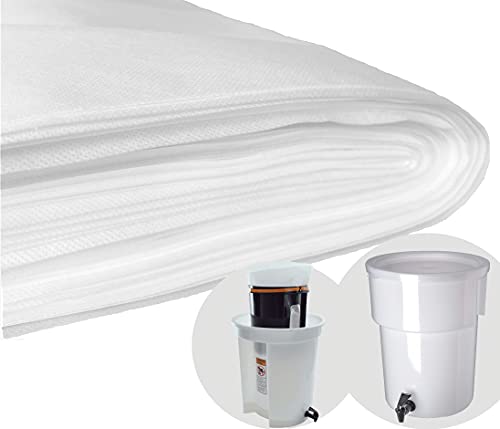
You’ll get the most out of these 100-pack 20″x20 cold brew coffee filters if you’re running a busy café or using a 5-gallon commercial cold brew system that demands reliable, high-capacity filtration. I use TezPak’s thick, high-GSM paper filters because they don’t tear when wet, thanks to their seamless design. Each one handles up to 5 pounds of grounds, making them ideal for large batches. They fit most 5-gallon systems, including Toddy and other leading brands. At 20″x20″, they offer extra surface area for cleaner, smoother coffee by catching oils and sediment. I’ve found they reduce bitterness better than thinner filters. The pack of 100 lasts a while, even with daily brewing.
Best For: Busy cafés and commercial operations using 5-gallon cold brew systems that require durable, high-capacity filtration.
Pros:
- Thick, high-GSM paper construction prevents tearing and ensures durability when wet
- Seamlessly designed to handle up to 5 pounds of coffee grounds per filter
- Effectively reduces bitterness by trapping oils, sediment, and impurities for smoother cold brew
Cons:
- May be oversized and inefficient for small-scale or home brewing setups
- Premium pricing compared to standard filter sizes due to commercial-grade materials
- Limited compatibility with non-5-gallon or non-basked-style brewing systems
Commercial Ice Coffee Machine 2500ml Brown

While it’s built for commercial settings, the 2500ml capacity and durable construction make this brown ice coffee machine ideal for anyone needing consistent cold brew in offices, cafés, or busy households. I use it daily, and the handmade borosilicate glass handles temperature swings without cracking. The stainless steel valve gives me precise control over the drip rate, which speeds up brewing to just 4–6 hours-much faster than overnight steeping. It’s not electric, so you’ll need to monitor it, but the vintage design and wood accents add charm. Perfect for serving 25 people at gatherings or keeping a steady supply fresh in high-traffic spots.
Best For: Those seeking a stylish, manually operated cold brew coffee maker with high capacity and durable materials for use in offices, cafes, or large households.
Pros:
- Large 2500ml capacity ideal for serving up to 25 people, perfect for gatherings and commercial settings
- Handmade borosilicate glass and stainless steel components ensure durability and precise drip control
- Brews in 4–6 hours, significantly faster than traditional overnight cold brew methods
Cons:
- Manual operation requires monitoring and setup effort, not automated or electric
- Bulky design may not suit small kitchens or limited countertop spaces
- Brown vintage style may not match modern or minimalist decor preferences
Café 2 Cold Brew Coffee Maker

A commercial cold brew coffee maker like the Café 2 Cold Brew Coffee Maker suits cafés and restaurants that need consistent, high-strength cold brew concentrate without relying on automated systems. I use it because it’s manual, reliable, and built for daily heavy use. Made by ColdPerk, it’s constructed with food-safe materials and measures 9D x 15W x 26H, weighing 21.8 pounds. It’s dishwasher safe, needs no paper filters, and comes with a guide and recipe cards. I appreciate its flexibility for both concentrate and ready-to-drink batches. Model CP-CAFE2 (ASIN: B0GHT67NDS) ranks well among commercial units and works best where control and durability matter most.
Best For: Cafés, restaurants, and professional beverage programs seeking a durable, manual cold brew coffee maker for consistent, high-volume production of cold brew concentrate.
Pros:
- Produces high-strength, consistent cold brew concentrate ideal for commercial use
- Durable, commercial-grade construction with food-safe materials and dishwasher-safe components
- No paper filters required, reducing ongoing costs and environmental waste
Cons:
- Manual operation may require more labor compared to automated systems
- Large footprint and 21.8-pound weight make it less portable or space-efficient
- Higher initial cost typical of professional-grade equipment, not ideal for casual home use
Factors to Consider When Choosing a Commercial Cold Brew Coffee Maker
You’ll want to take into account capacity and volume first-small cafes might only need a 5-gallon system, while busy shops often rely on 10-gallon or larger brewers. Brew time efficiency matters just as much, since some machines extract in 12 hours while others take up to 24, affecting daily output and scheduling. Don’t overlook filter quality, material durability, and ease of cleaning-stainless steel units with removable filters and wide lids save time and reduce waste over the long run.
Capacity And Volume
Most commercial cold brew systems hold between 3 and 5 gallons, with 5-gallon models being a common choice for busy cafes and restaurants. You’ll get up to 2.5 gallons of concentrate per batch from a 5-gallon unit, enough for about 108 sixteen-ounce drinks using a standard 1:1 dilution. Larger systems handle up to 5 pounds of ground coffee, making them ideal if you serve high volumes. Pick a size that matches your daily demand-some units can supply 7 to 10 days’ worth per batch, helping you maintain steady output without over-brewing. These systems use durable, food-grade materials and built-in filtration to keep large volumes clean and consistent. Don’t oversize just in case; too much capacity can lead to waste if you don’t sell through it. Match the batch yield to your customer flow for best results.
Brew Time Efficiency
Brew time plays a key role in how well a cold brew system fits your operation, especially if you’re working with the 5-gallon capacity common in busy cafes. Immersion systems typically need 12 to 24 hours, limiting you to one batch per day and requiring careful scheduling. If you need faster turnover, ice drip systems cut brew time to just 4–6 hours by slowly dripping ice-cold water through grounds, letting you run multiple batches daily. These faster methods rely on precise temperature control, fine-tuned flow rates, or increased coffee surface area to extract cleanly without bitterness. But they often demand exact grind sizes and close monitoring to avoid under- or over-extraction. Machines like the Kyoto-style towers offer speed and clarity but need more oversight. For high-volume spots, shorter brew times boost output, but you’ll trade in some simplicity. Pick based on your workflow-speed helps, but only if you can manage the details.
Filter Quality
While extraction time matters, the quality of the filter system directly shapes the clarity and flavor of your cold brew concentrate. You’ll want high GSM paper or durable plant-based filters-they trap fine sediments and bitter oils effectively. Dual-filtration setups, like a filter bag plus a spigot-integrated screen, give you noticeably cleaner results. Reusable options made from natural cotton or PLA cut down on waste and perform well, though they need regular cleaning. Look for wide, seamless designs that won’t tear when wet and let coffee expand fully for even saturation. Filters that maintain consistent contact within 3 inches of the grounds prevent under-extraction in large batches. A poorly designed filter means sludge or weak spots in your brew-don’t risk it. Choose systems where the filter supports both flavor purity and practical daily use. Your concentrate’s smoothness depends on it.
Material Durability
Choosing a cold brew coffee maker that stands up to daily use means paying close attention to what it’s made of. Stainless steel is your best bet for long-term durability-it resists corrosion and handles heavy daily use without weakening. If you’re using glass, go for borosilicate; it withstands temperature swings and won’t cloud or crack easily. High-density polyethylene (HDPE #2) is solid for plastic builds, staying tough in cold and room-temperature settings. Avoid standard polypropylene (PP) or polyethylene (PE) parts in wet areas-they can degrade faster with constant cleaning and moisture exposure. Reusable filters made from natural fibers or plant-based polymers last longer than flimsy high GSM paper, which often tears when wet. Durability isn’t just about toughness-it’s about materials holding up under real commercial conditions. Pick builds that rely on stainless steel, HDPE, or borosilicate to guarantee your machine lasts years, not months.
Ease Of Cleaning
A commercial cold brew maker that’s easy to clean saves you time and keeps operations hygienic under daily pressure. Look for removable parts that are dishwasher-safe-they cut cleaning time in busy cafes. A drip-free spigot keeps counters tidy and reduces sticky residue. Units with smooth interiors resist coffee oil buildup and prevent bacteria from hiding in cracks. Reusable, unbleached filters mean less waste and faster cleanup than paper ones. Make sure the filter basket and drain tray come apart quickly so you can scrub every part thoroughly. Models like the OXO 12L or Filtron Commercial offer these features, making maintenance simple. Avoid units with tight seams or odd-shaped parts that trap grounds. The easier it is to take apart and wash, the more consistently sanitary your setup stays. Prioritize smart design-because less cleanup means more time serving customers.
Frequently Asked Questions
Can I Use Regular Coffee Grounds in These Systems?
Yes, you can use regular coffee grounds, but it’s not ideal. They’re too fine and may slip through filters, making the brew cloudy or gritty. Cold brew systems work best with coarse grounds, which slow extraction and reduce sediment. If you do use regular grounds, expect some texture issues and adjust steep time-shorter might help. For clean, smooth results, stick to coarsely ground beans made for cold brew. It’s worth it.
Are Replacement Parts Easily Available for These Brewers?
Yes, you can usually get replacement parts easily for most commercial cold brew makers. Brands like Toddy, Filtron, and OXO offer accessible filters, lids, and brewers online or through retailers. Some systems use standard sizes, so generic filters might work. Check manufacturer support first-reputable brands stock parts longer. Cheaper or generic models may lack available replacements, so buy from trusted sources. Always confirm part compatibility before ordering to avoid delays in your brewing.
How Long Does Cold Brew Last in the Fridge?
Cold brew lasts 7 to 10 days in the fridge if stored in a sealed container, though it starts losing flavor quality after day 5. You’ll keep it fresher longer by avoiding contamination-don’t drink from the batch directly. Diluted cold brew spoils faster, so mix servings with water or milk as needed. For best taste, make smaller batches every week.
Do These Machines Require Special Cleaning Products?
No, you don’t need special cleaning products. Most commercial cold brew makers, like the Toddy or Filtron, clean fine with warm water and mild dish soap. For deep cleaning, a mix of water and white vinegar works well to remove oils and residue. Just rinse thoroughly. Avoid abrasive pads that can scratch surfaces. Regular cleaning keeps your brew tasting clean and extends the machine’s life. Always check the manufacturer’s guide-some stainless steel models may recommend specific sanitizers for commercial use.
Can I Cold Brew Tea in These Systems Too?
Yes, you can cold brew tea in these systems. Just swap coffee grounds for loose-leaf tea or tea bags and follow the same steeping process. Most units handle tea fine, though delicate flavors might need shorter times to avoid bitterness. Stainless steel models like the Cold Brew Ole or Toddy Pro Cleaner won’t absorb flavors, making swaps easy. Rinse well between uses. It’s efficient for large batches, but monitor strength since tea extracts differently than coffee.