Defining Pulped Natural Coffee and Its Place Between Washed and Honey Methods
You get a balanced cup with pulped natural coffee-cleaner than natural, richer than washed. It sits between washed and honey methods, removing the skin but leaving some mucilage on the bean during drying. This boosts body and sweetness without the fermentation risk of full honey. Common in Brazil, it uses less water than washed and needs less monitoring than honey. You’ll taste notes like nuts, chocolate, and stone fruit, especially with a medium roast. Try it in pour-over or espresso to see how it fits your brew style.
Notable Insights
- Pulped natural is a coffee processing method that removes the skin and pulp but retains some mucilage during drying.
- It sits between washed and honey processes, offering a balance of cleanliness, body, and flavor complexity.
- Less mucilage is left on the bean than in honey processing, reducing fermentation risks and requiring less monitoring.
- It uses less water than washed processing and dries faster than natural or honey methods, especially in sunny climates.
- Pulped natural coffees often exhibit medium acidity, full body, and flavor notes like chocolate, nuts, and stone fruit.
What Is Pulped Natural Coffee?
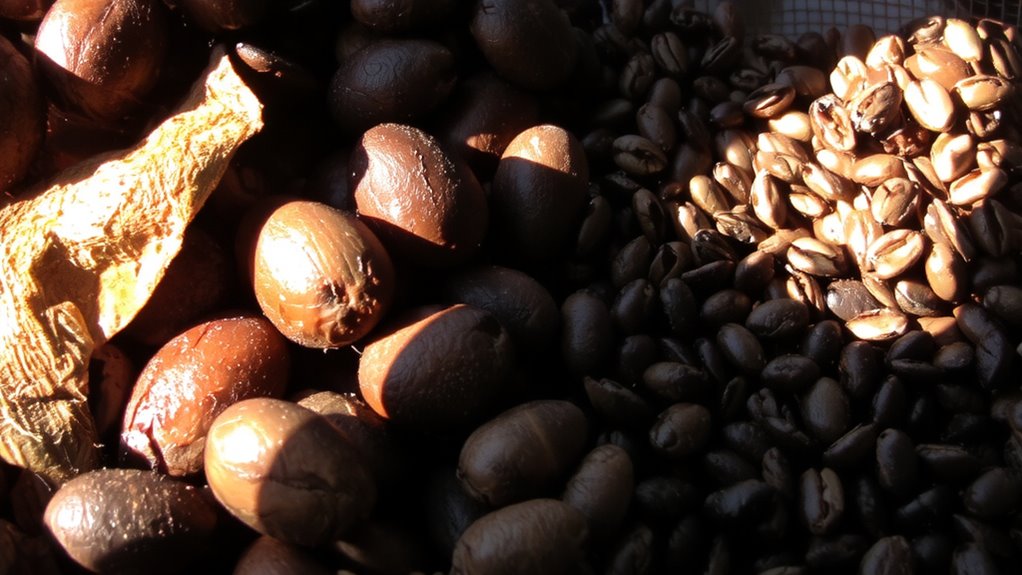
A pulped natural coffee sits between washed and natural processing methods, giving you a cup that balances brightness and body. You’ll find this method originated in Brazil, where producers sought faster drying times and more consistency than natural processing allowed-this origin history ties closely to large-scale farms needing efficient results. After harvesting, workers remove the coffee cherry’s skin and pulp, skipping full fermentation and washing. Then, the beans are laid out to dry with some mucilage still attached-a key part of the drying techniques. You’ll see beans dried on patios or raised beds, sometimes under shelter to control moisture. This partial drying method cuts risk of over-fermentation while adding more sweetness than washed lots. It demands careful monitoring; uneven drying can create defects. You’re best using this when you want clarity with added richness, especially on automatic drip or pour-over setups.
Pulped Natural vs. Washed and Honey
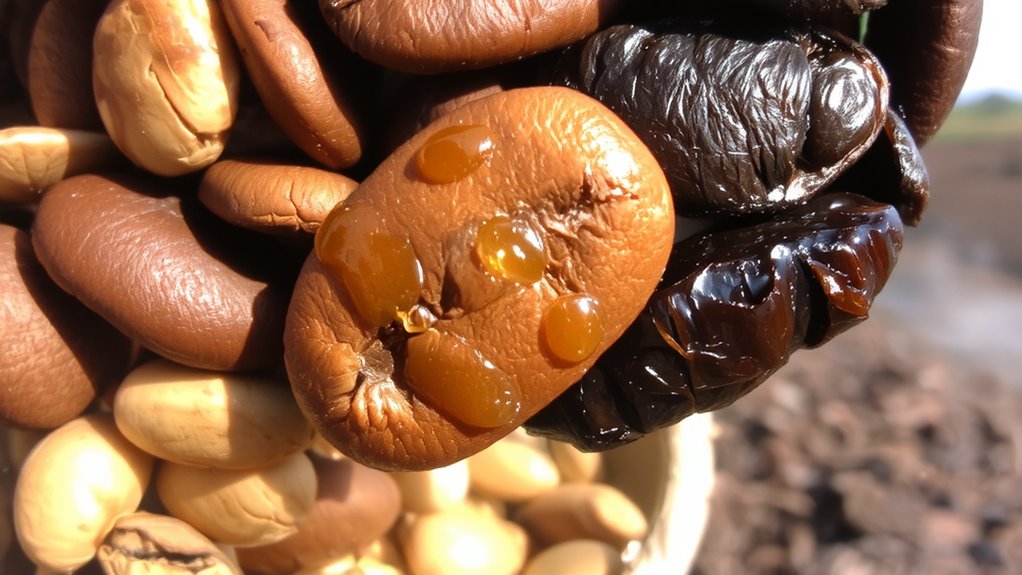
While washed coffees deliver clean, bright flavors and honey-processed beans offer layered sweetness with more mucilage retention, pulped natural sits in a practical middle ground that’s worth considering for everyday brewing. You remove the skin and some mucilage mechanically, then dry the beans with the remainder still clinging on. This gives you more fermentation control than honey processes, since less mucilage means less risk of over-fermentation, especially in humid conditions. Compared to washed, it uses less water, lowering its environmental impact. Unlike honey, it doesn’t demand constant monitoring on drying beds. You can use standard drying patios or beds, making it easier to scale. For home roasters or small cafes, pulped natural offers consistent results without the fuss. Brands like Daterra Brazil often use this method, showing balanced sweetness and body. It’s not flashy, but it’s reliable, efficient, and a smart middle path when quality, control, and practicality matter.
Why Mucilage Matters in This Process
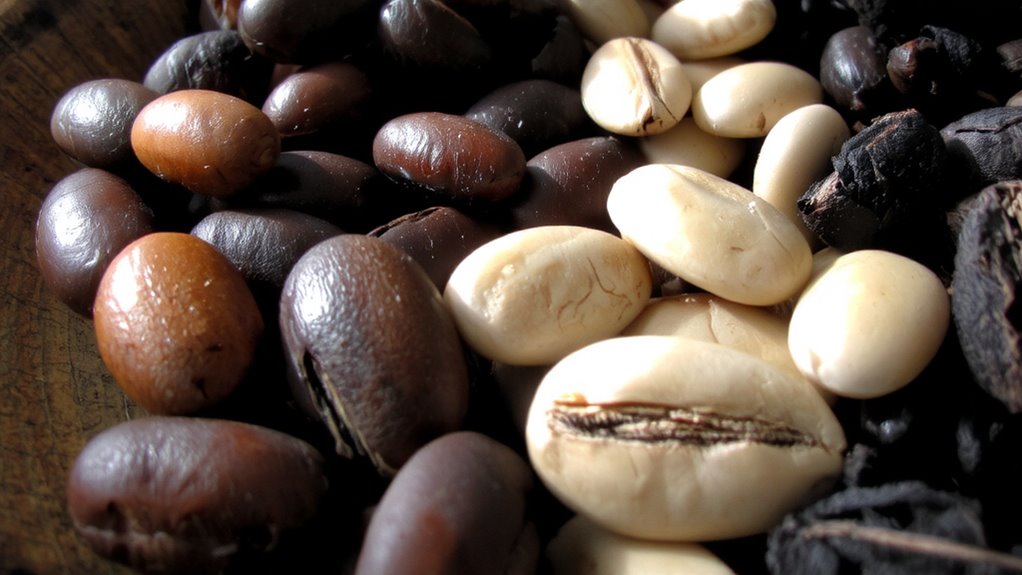
Mucilage is the game-changer in pulped natural processing-it’s where flavor development hits full stride. You leave a layer of sticky fruit pulp on the bean after pulping, unlike washed coffees where mucilage gets removed. This mucilage retention means sugars and compounds stay in contact with the seed during drying, shaping the final cup. Fermentation control becomes critical here-since mucilage is still present, microbes start working right away, so you’ve got to monitor temperature and humidity closely. Too fast, and you risk off-flavors; too slow, and fermentation stalls. Many farms use raised beds or patios with frequent turning to manage this phase. Compared to honey or washed methods, pulped natural offers a balanced middle ground-more control than honey, more complexity than washed-making it a practical choice for producers aiming for quality with manageable risk.
What Does Pulped Natural Coffee Taste Like?
That sticky layer left on the bean? It shapes your cup. Pulped natural coffee dries with some mucilage attached, giving you deeper sweetness than washed, yet cleaner than most honey-processed coffees. You’ll notice rounded flavor notes-think stone fruit, chocolate, or mild citrus-balanced by a smoother, heavier body. This process delivers consistent mouthfeel balance, often preferred for espresso or milk-based drinks.
| Characteristic | Typical Result |
|---|---|
| Acidity | Moderate |
| Body | Medium to full |
| Flavor Notes | Stone fruit, nuts, chocolate |
| Mouthfeel Balance | Smooth, rounded |
| Processing Time | 4–6 days (sun-dried) |
You get predictability without extreme fermentation risks. It’s a middle-ground profile, ideal when you want more character than washed but less funk than honey. Use medium roasts to preserve nuance.
Is Pulped Natural Right for Specialty Coffee?
Pulped natural coffee delivers a balanced cup that often meets the high standards of specialty markets. You’ll find it cleaner than honey process but richer than washed, making it a solid choice when consistency and clarity matter. If you’re evaluating processing methods for specialty production, consider both sustainability concerns and market demand. Pulped natural uses less water than washed, which helps in regions with limited resources, yet it requires careful drying to avoid defects. Buyers increasingly seek this method for its sweet, nuanced profile, driving market demand in Europe and North America. However, it’s not ideal everywhere-high humidity can increase spoilage risk. You’ll need good infrastructure and monitoring. For roasters and producers focused on quality and efficiency, pulped natural can be a practical, market-responsive option when conditions allow.
Pros and Cons of Pulped Natural Processing
A growing number of producers choose this method because it strikes a practical balance between flavor, efficiency, and environmental impact. You get better flavor consistency than honey processing and more drying control than washed methods, especially in humid climates. It uses less water than washed processing but avoids the labor-intensive turning of honey methods. However, inconsistent pulping can lead to fermentation issues if not monitored closely.
| Factor | Advantage | Drawback |
|---|---|---|
| Flavor Consistency | More predictable than honey | Less clean than washed |
| Drying Control | Easier than honey | Requires space and monitoring |
| Resource Use | Lower water use than washed | Higher than natural |
You’ll need good airflow and frequent checks to prevent mold. It’s a smart middle ground-if you manage the drying well.
Best Brewing Methods for Pulped Natural Coffee
Sweetness and body take center stage with pulped natural coffees, and your brewing method can either highlight or mute those traits. For best results, use a medium to medium-coarse grind consistency to avoid over-extraction and preserve balanced flavor. A gooseneck kettle with pour-over setups like the Hario V60 or Chemex gives you control, but a French press can enhance mouthfeel if you prefer heavier body. Aim for a brew temperature between 195°F and 205°F-too hot, and you’ll burn the sugars; too cool, and the cup falls flat. Espresso works too, especially with a finer grind and shorter pull, pulling out syrupy textures. Avoid inconsistent grinds-use a burr grinder. Whether you’re using a drip machine or AeroPress, stable brew temperature and even extraction matter most. Adjust in small steps to fine-tune sweetness without sacrificing clarity.
On a final note
You’ll find pulped natural coffee offers a balanced middle ground between washed and honey processes. It keeps some mucilage, giving you more body and mild sweetness than washed, but without the sticky residue of honey. Expect cleaner cups than naturals, with subtle fruit notes. It works well for specialty coffee when consistency matters. Try it with a pour-over or batch brewer for reliable results.