Best Coffee Brands in France That French Baristas Love
French baristas lean toward Carte Noire and Belleville Brûlerie for their 100% Arabica beans, medium-dark roasts, and smooth, low-acidity profiles. These roasters prioritize origin transparency and small-batch quality over mass production. While Café du Monde and French Market offer chicory blends with bold, sweet depth, they’re less common in specialty cafes. For consistent, no-fuss brewing, whole beans and proper grind size matter most. You’ll find the real standard in local roasteries, not supermarket cans. There’s more to uncover about what shapes a true French cup.
We are supported by our audience. When you purchase through links on our site, we may earn an affiliate commission, at no extra cost for you. Learn more. Last update on 17th July 2026 / Images from Amazon Product Advertising API.
Notable Insights
- Carte Noire is favored by French baristas for its smooth, full-bodied 100% Arabica beans roasted using traditional French methods.
- Lavazza Crema e Aroma is popular in France for its balanced flavor and medium roast, ideal for French press and drip brewing.
- Café du Monde’s dark roast with chicory is cherished for its bold, earthy profile, though it reflects New Orleans tradition over French origin.
- French Market Coffee & Chicory Blend is appreciated for its low-acid, caramelized sweetness and commitment to sustainable farming practices.
- McCafé French Roast is widely used for its intense dark cocoa notes and Kosher certification, despite being a mass-market choice.
Maxwell House Instant Cafe Francais (7.6 oz)
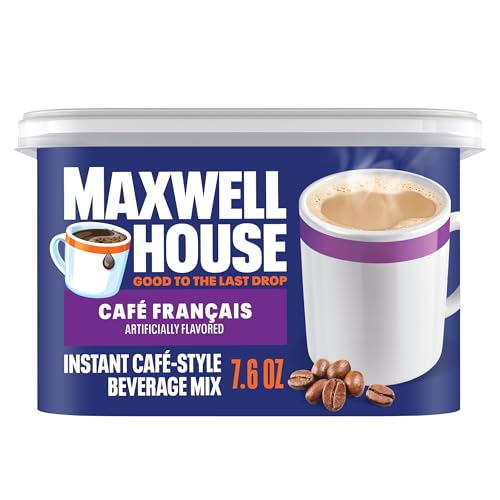
If you’re after a fast, no-fuss coffee fix that still feels a little indulgent, Maxwell House Instant Cafe Francais (7.6 oz) makes one solid choice-especially if you’re comparing instant options in France. I mix two tablespoons with 12 oz of hot water or milk for a creamy, smooth drink that’s consistent every time. It’s not artisanal, but it’s reliable-Kosher Dairy certified, resealable to stay fresh, and ready in seconds. Nine servings fit neatly into mornings or afternoons when I need a quick boost. The flavor’s artificial, yes, but pleasantly sweet and rich, closer to French café coffee than most instant blends. I skip it if I want depth, but for speed and ease, it delivers.
Best For: Those seeking a quick, convenient, and consistently creamy coffee experience with a touch of indulgence without the need for brewing equipment.
Pros:
- Delivers a smooth, rich, and sweet café-style coffee in seconds with minimal effort
- Kosher Dairy certified and made with a resealable container to maintain freshness
- Versatile preparation with hot water, milk, or over ice for iced coffee variations
Cons:
- Artificial flavoring may disappoint those seeking authentic, nuanced coffee taste
- Lacks depth and complexity compared to freshly brewed or specialty coffee
- Smaller serving size (9 servings per canister) may not offer long-term value
Cafe Du Monde Coffee Chicory, 15 Ounce Ground

Cafe Du Monde Coffee Chicory, 15 Ounce Ground stands out for those who appreciate a bold, traditional flavor rooted in New Orleans culture-distinct from French coffee but often mistaken as part of France’s coffee legacy due to its French-sounding name and historic ties to French colonial influence. I use this blend when I want depth and a slightly earthy sweetness, thanks to the chicory. It’s finely ground, works best in drip machines or percolators, and brews a strong, dark cup. The 15-ounce can preserves freshness, and the mix is identical to what’s served at the original 24-hour stand. Just don’t expect French light roasts-this is robust, affordable, and built for café au lait.
Best For: Coffee lovers seeking a bold, earthy brew with New Orleans heritage, ideal for making café au lait or enjoying a strong, traditional cup.
Pros:
- Rich, robust flavor enhanced by chicory for a unique earthy sweetness
- Authentic blend used at the historic 24-hour Café Du Monde stand in New Orleans
- Versatile grind suitable for drip coffee makers and percolators
Cons:
- May be too strong or intense for those who prefer mild or light roast coffee
- Contains chicory, which may not appeal to traditional coffee purists
- Limited availability outside of specialty or online retailers
French Market Coffee & Chicory Blend (12oz)

French Market Coffee & Chicory Blend (12oz) stands out for those who prefer a smoother, less acidic cup without sacrificing bold flavor, especially if you’re sensitive to the sharp bite of traditional dark roasts. I’ve found it delivers rich, caramelized sweetness with zero bitter aftertaste, thanks to its medium-dark roast and 100% Arabica-chicory blend. Master roasters craft it in small batches, ensuring consistent quality. It works well in drip machines and French presses. For ethical buyers, their Sustainable Cup Project supports farming communities. You’ll also find it in pods and flavored versions, but the 12oz ground blend is my go-to for daily use.
Best For: Coffee lovers who want a smooth, less acidic cup with rich flavor and no bitter aftertaste, especially those sensitive to traditional dark roasts.
Pros:
- Smooth, bold flavor with caramelized sweetness and zero bitter aftertaste
- Ethically sourced with community impact through the Sustainable Cup Project
- Versatile grind suitable for drip machines and French presses
Cons:
- Contains chicory, which may not appeal to purists or those with allergies
- Limited roast availability if you prefer lighter options
- May be milder than expected for fans of very dark, intense roasts
Cafe Du Monde French Roast Dark Coffee, 13 Ounce

For coffee lovers who value a rich, no-frills brew with deep historical roots, Cafe Du Monde’s French Roast Dark Coffee, 13 Ounce, is a solid pick-especially if you’re drawn to traditional dark roasts without added chicory. I’ve found it delivers a smooth, chocolaty flavor that works well any time of day. Made in New Orleans since the 1860s, it uses 100% arabica beans and comes in both regular and decaf versions. The 13-ounce package (10.8 x 4.2 x 3.8 inches) is shelf-stable and easy to store. I recommend pairing it with pastries for a classic, balanced experience. It lacks the bitterness some dark roasts have, making it a reliable choice for drip or French press.
Best For: Coffee enthusiasts who appreciate a smooth, traditional dark roast with a chocolaty flavor and a rich New Orleans heritage.
Pros:
- Made with 100% arabica beans for a pure, high-quality dark roast
- Smooth, chocolaty taste without the bitterness common in dark roasts
- Available in both regular and decaffeinated versions for flexible enjoyment
Cons:
- Does not include chicory, which may disappoint those seeking the classic Cafe Du Monde café au lait flavor
- Packaging is non-resealable, requiring transfer to another container after opening
- Limited roast availability outside of French roast style
Carte Noire – Whole beans coffee from France 2pack 2×8.8oz

If you’re someone who values a no-fuss, premium coffee experience that doesn’t rely on flashy branding or exotic origins, Carte Noire’s Whole Beans Coffee from France fits the bill. I use it because it’s 100% Arabica, expertly roasted for a smooth, full-bodied flavor with an intense, velvety aroma. The two 8.8-ounce packs stay fresh and grind evenly for drip machines, French presses, or espresso. It’s Kosher certified and embodies traditional French roasting methods. If you want consistency and authenticity without overcomplication, this is a solid go-to-no flair needed, just great results.
Best For: Coffee lovers who appreciate a smooth, full-bodied 100% Arabica bean with authentic French roasting tradition and prefer simplicity and consistency over exotic flavors or flashy branding.
Pros:
- Made from 100% Arabica beans for a rich, velvety flavor and intense aroma
- Expertly roasted using traditional French methods; Kosher certified
- Comes in two resealable 8.8-oz packs ideal for fresh grinding and multiple brewing methods
Cons:
- Limited flavor variety for those who enjoy lighter or flavored roasts
- Packaging, while functional, offers minimal protection against light and air over time
- May be less appealing to consumers seeking single-origin or sustainably certified beans
Fine Ground Coffee (franck) 250g

A solid choice for those who appreciate traditional coffee preparation with a reliable, no-frills brand, Fine Ground Coffee (franck) 250g stands out despite its Croatian origin rather than French. I use one demi-tasse cup of cold water per serving, adding one teaspoon of coffee-plus sugar, if I want it sweet-and stir well before heating. I heat the mix in a briki or narrow-necked pot over medium heat until it starts to rise. I pull it off right before it boils over. Pouring slowly into demi-tasse cups, I make sure the foam spreads evenly. I never stir after pouring-it ruins the layering. It’s simple, fast, and consistent.
Best For: Coffee lovers who prefer a simple, traditional preparation method with a reliable, no-frills brand.
Pros:
- Offers a rich, authentic coffee experience using traditional preparation methods
- Consistent grind and quality suitable for use in a briki or narrow-necked coffee pot
- Easy to measure and prepare with clear serving guidelines
Cons:
- May not appeal to those who prefer modern brewing methods like drip or espresso machines
- Limited availability outside of certain regions due to its Croatian origin
- Requires careful monitoring during heating to avoid boiling over
Carte Noire Ground Coffee, 8.8-Ounce Packages (Pack of 2)

Carte Noire Ground Coffee stands as a practical pick for those who want consistent, high-quality coffee without venturing into specialty brew territory. I’ve tried it, and it delivers smooth, reliable flavor using 100% Arabica beans-gourmet-grade but not finicky. Made in France, it’s a market leader there, and you can tell they’ve fine-tuned it for everyday drinkers. The pack of two 8.8-ounce bags comes with a special freshness valve, so your coffee stays flavorful longer. Since it’s imported from France, availability might vary, but it’s worth seeking out if you prefer balanced, no-bitterness coffee that works well in drip machines or French presses.
Best For: Everyday coffee drinkers seeking a smooth, balanced, and reliably fresh-tasting gourmet coffee without bitterness.
Pros:
- Made with 100% Arabica beans for a premium, smooth flavor
- Features a freshness valve to preserve aroma and taste over time
- Versatile grind suitable for drip machines and French presses
Cons:
- Imported from France, which may limit availability or increase cost
- Pack of two might be excessive for occasional coffee drinkers
- Not ideal for those seeking bold or dark roast intensity
Café Du Monde Single Serve French Roast Coffee

Café Du Monde Single Serve French Roast Coffee stands out for anyone prioritizing convenience without sacrificing bold flavor. I’ve found it delivers a smooth, robust taste thanks to high-quality beans and expert roasting. Each of the 12 individually sealed cups locks in freshness, so you get consistent results every time. The single-serve format works perfectly with most standard brewers, making it easy to use at home or in the office. It’s ideal for quick mornings or a mid-day boost, though it lacks the nuance of freshly ground whole beans. If you value speed and boldness over artisanal complexity, this is a solid, no-fuss option that performs reliably day after day.
Best For: Busy individuals who want a bold, convenient coffee experience without compromising on flavor.
Pros:
- Smooth, bold, and robust flavor crafted from high-quality beans
- Single-serve format ensures freshness and easy on-the-go preparation
- Compatible with most standard single-serve brewers for versatile use
Cons:
- Lacks the depth and nuance of freshly ground whole bean coffee
- Limited to 12 cups per package, which may require frequent reordering
- Not ideal for those seeking a light or mild roast profile
McCafe French Roast, Dark Roast Ground Coffee, 29 oz Canister

If you’re after a bold, full-flavored coffee that delivers without the high price tag, McCafe French Roast fits the bill. I use 100% premium Arabica beans sourced from high-altitude regions, roasted dark for a robust taste with hints of dark cocoa. The 29 oz canister locks in freshness, protecting against air and moisture. I’m certified Orthodox Union Kosher and made with responsibly sourced beans, so quality and ethics aren’t compromised. For best results, use 1–2 tablespoons per 6 oz water-ideal for drip machines or French presses. I deliver consistent, strong coffee daily without needing fancy gear or extra effort.
Best For: Coffee lovers seeking a bold, full-bodied dark roast with rich flavor and ethical sourcing at an affordable price.
Pros:
- Made from 100% premium Arabica beans with a rich, intense flavor and notes of dark cocoa
- Sourced responsibly and certified Orthodox Union Kosher for quality and ethical standards
- Large 29 oz airtight canister preserves freshness and offers great value for daily use
Cons:
- Dark roast may be too intense for those who prefer milder coffee flavors
- Pre-ground format limits freshness compared to whole bean options
- May require precise measuring to avoid over-extraction in certain brewing methods
French Market Coffee & Chicory Blend (6-Pack)

I’ve found the French Market Coffee & Chicory Blend (6-Pack) works best for those who enjoy a rich, smooth cup with a touch of historical flair, especially if you’re exploring traditional brew methods without wanting high acidity. The 100% Arabica beans mixed with French chicory create a medium-dark roast with caramelized sweetness and zero bitter aftertaste. It’s ideal for drip brewing, offering consistency and depth. Handcrafted in small batches, it draws from a New Orleans tradition dating to 1890. Each 12oz can comes in a pack of six, also available in pods or whole bean. The brand supports farmers through its Sustainable Cup Project, adding ethical value to your brew.
Best For: Coffee lovers who appreciate a smooth, low-acidity brew with rich flavor and historical charm, ideal for traditional drip brewing methods.
Pros:
- Unique blend of 100% Arabica beans and French chicory delivers a rich, caramelized sweetness with no bitter aftertaste
- Medium-dark roast offers consistent, smooth results especially in drip brewing
- Supports sustainable farming and community development through the Sustainable Cup Project
Cons:
- Limited to ground coffee in this pack, which may not suit those preferring whole beans
- Niche flavor profile may not appeal to fans of bright, acidic coffee
- Only available in 12oz cans, which may require frequent repurchasing for heavy drinkers
Factors to Consider When Choosing Coffee in France
You’ll want to check where the beans come from, since origin affects flavor-French roasts often blend African and South American beans for balance. Make sure the roast level matches your taste: dark roasts are bold and common in France, while medium lets more origin character show. Pair the coffee with your brew method, like using a fine grind for espresso or a coarser one for filter, and look for certifications like UTZ or Rainforest Alliance if authenticity matters to you.
Bean Origin Importance
Many factors shape the taste of your coffee, but where the beans come from plays a central role. You’ll find that soil, altitude, and climate directly impact flavor, acidity, and body. Beans grown at high elevations, like those from Ethiopia’s highlands or Colombian Andes, develop more complex notes due to slower maturation in cooler air. Volcanic soils, common in regions like Guatemala’s Antigua, add mineral richness that enhances depth. If you want consistent flavor, choose brands that specify exact origins-single estates or microlots-since microclimates can create big differences even within one farm. Traceability matters: knowing the farm or co-op lets you predict what’s in your cup. French roasters like Belleville Brûlerie or Coutume source with precision, highlighting origin transparency. When buying, check the label for region, altitude, and farm details. You’re not just tasting coffee-you’re tasting place.
Roast Level Impact
While origin shapes the foundation of flavor, the roast level determines how those qualities come through in your cup, so choosing wisely matters. If you like bold, rich tastes, go for a dark roast-expect dark cocoa notes and low acidity, but watch out for bitterness if it’s over-roasted. You’ll find brands like Toupin or Coutume using this style for intensity, though caffeine drops slightly with longer roasting. Medium-dark hits a sweet spot: it’s robust but smoother, with caramelized depth and balanced body, ideal for espresso lovers. Try Belleville Brûlerie for this. Light roasts keep the bean’s natural traits intact-higher acidity, floral or fruity hints-perfect if you want to taste the origin clearly. They’re less common in classic French cafes but rising in specialty spots. Pick the roast based on your preferred flavor strength and brewing method, not myths about caffeine. Match it to your gear and taste-simple as that.
Flavor Profile Balance
Since balance defines the hallmark of a well-crafted French cup, focus on how flavor elements interact rather than stand out in isolation. You want a smooth, full-bodied taste without sharp acidity or harsh bitterness. French-style coffee typically leans on medium-dark roasts-dark enough to bring out caramelized sugar notes, but not so dark that they overpower the bean’s natural character. Opt for 100% Arabica beans; they deliver a cleaner, more refined profile with less bitterness. Chicory is another key player-it adds earthy depth and a hint of natural sweetness, rounding out the flavor. Proper roasting guarantees the aroma, body, and acidity work together, not against each other. A well-balanced roast means you get richness without burn, smoothness without flatness. Look for brands that emphasize harmony in every sip, not just boldness. That’s how you achieve authenticity.
Certification And Authenticity
When choosing coffee in France, don’t overlook certification labels-they’re a quick way to verify quality and authenticity. Look for Orthodox Union Kosher certification; it means the coffee meets strict purity and production standards, often signaling a clean, controlled process. Kosher certification doesn’t just matter for dietary reasons-it can indicate better overall quality control. If you’re after authentic flavor, check for labels confirming 100% Arabica beans, which are typically associated with premium coffee. Some brands highlight traditional European or regional roasting practices, adding to their credibility. Resealable packaging with freshness valves isn’t just convenient-it preserves the roast’s intended profile, supporting the brand’s authenticity claims. These details won’t guarantee great taste, but they do give you reliable benchmarks. In a market full of choices, certifications help separate marketing from real quality.
Brewing Method Match
If you’re after the best flavor from your French coffee, matching the grind size and brew time to your method makes all the difference. Use a fine grind with slow methods like drip pots or percolators to extract rich, full-bodied flavor. For French press, go coarse-this slows extraction and keeps your coffee smooth, not bitter. With pod systems like Nespresso, choose pre-ground coffee that’s precisely milled for even saturation and quick, consistent brewing. When using boiling water in traditional prep, a medium grind balances extraction and reduces sediment. Remember to adjust based on roast: darker beans need shorter brew times to avoid harsh notes, while lighter roasts can handle longer contact. Always grind fresh if possible, and dial in your setup based on taste. Small tweaks make a real difference in your cup.
Packaging For Freshness
While you can’t control how long coffee sat on the shelf before you bought it, you can choose packaging that locks in freshness from the moment you open it. Look for resealable canisters-they keep air and moisture out, which helps preserve flavor. One-way valves on bags are a smart feature; they let carbon dioxide escape without letting oxygen in, slowing oxidation. If you buy ground coffee, use airtight containers with sealed lids to block light, heat, and humidity, all of which degrade quality. Opaque materials are better than clear ones since they reduce light exposure. For single servings, individually packaged portions offer consistent freshness by isolating coffee until use. These options aren’t foolproof, but they’re practical upgrades over flimsy, open bags. Prioritize sealed, functional packaging-it’s one of the most effective ways to protect your coffee’s taste between brews.
Sustainability Practices
Good packaging protects your coffee’s freshness, but what happens before it reaches that package matters just as much. You should choose beans grown under shade canopies, since this method supports biodiversity and protects ecosystems. Look for brands using organic practices-these avoid synthetic chemicals that harm soil and water. Fair Trade and Rainforest Alliance certifications aren’t perfect, but they set baseline standards for ethical labor and land use. Direct trade is often better, letting roasters pay farmers fairly and build long-term partnerships. Some brands offer traceability, so you can see exactly where your beans come from and how they were grown. This transparency helps verify real sustainability, not just marketing. While certifications help, they can be costly for small farms-even if they follow ethical practices. Support roasters who are open about sourcing, whether certified or not. Your choice influences farming practices, so ask questions and check labels. It’s practical ethics with every cup.
Heritage And Tradition
You’ll often find that French coffee reflects decades of craftsmanship rooted in a preference for deep, rounded flavors developed through slow roasting and expert blending. You’ll notice dark roasts dominate, prized for their intense aroma and velvety texture, shaped by a café culture built on slow, deliberate enjoyment. If you’re roasting at home, opt for whole beans and small batches to preserve authenticity. Chicory is another hallmark-originally a wartime substitute, now valued in regional blends like those from Réunion Island for smoothing acidity. Brands like Bellegous and Le Bistrot d’Alsace use traditional techniques, balancing bitterness with a clean, lingering finish. While dark roasts sacrifice some origin clarity, they deliver consistency and depth ideal for espresso or café au lait. You’re better off avoiding pre-ground if you want true flavor integrity. Heritage here isn’t just nostalgia-it’s a functional approach prioritizing sensory balance, achieved through time-tested methods still practiced by artisans today.
Frequently Asked Questions
What Is the Caffeine Content of Café Du Monde?
You’ll find Café du Monde’s coffee has about 60–70 mg of caffeine per 8 oz cup, less than a standard brewed coffee. That’s because it’s primarily chicory-based, and chicory root contains no caffeine. If you’re sensitive to stimulants or want a smoother morning pick-me-up, this blend works well. Just remember, it’s not pure coffee-so don’t expect the same kick as Starbucks or French Roast. Great for lattes, but rely on it for energy, and you might come up short.
Is Maxwell House Popular in French Households?
You won’t find Maxwell House in most French households-it’s not popular there. French consumers typically prefer locally roasted beans or European brands like Lavazza or Nescafé. Maxwell House is more common in American-style markets or tourist areas. If you’re buying coffee in France, you’ll get better quality and fresher roasts choosing regional brands or specialty roasters. Stick to what’s local and fresh for the best results at home.
Does Carte Noire Offer Decaffeinated Options?
Yes, Carte Noire offers decaffeinated options, and you’ll find them in both ground and capsule forms. If you’re sensitive to caffeine but still want a rich, balanced cup, their decaf blend uses water-processed beans to retain flavor. It’s widely available in French supermarkets and online. While not specialty-grade, it’s reliable for everyday use. Compare it to brands like Nescafé Gold Decaf if you want a smoother alternative.
Where Is French Market Coffee & Chicory Sourced?
You’ll find French Market coffee & chicory sourced primarily from Vietnam and India, where robusta beans and high-quality chicory root are grown. The blend’s base comes from dark-roasted beans, often traded through French import channels. You get earthy depth from the chicory, which grows well in cooler climates. If you’re watching origin transparency, check packaging-some batches include African or Southeast Asian beans. Always store it airtight; humidity affects the blend’s bold flavor fast.
Can Franck Coffee Be Used in Espresso Machines?
Yes, you can use Franck coffee in espresso machines, but it’s not ideal. Franck is usually pre-ground for filter or drip, so the grind size is too coarse for proper espresso extraction. You’ll likely get weak, under-extracted shots with little crema. If you’re set on using it, tamp hard and pack the portafilter tightly-but results will still fall short. For better espresso, grab a fine-ground blend made for machines, like Intenso or Lavazza. Those give real pressure and flavor.