How Water Temperature Affects the Viscosity of Brewed Coffee
Water temperature directly affects your coffee’s viscosity by controlling extraction. Too hot-above 205°F-and you pull bitter compounds, making the brew harsh and astringent. Too cool-below 195°F-and the result is thin, sour, with weak body. For balanced, full-bodied coffee, stick to 195–205°F. A gooseneck kettle like the Fellow Stagg EKG helps you stay in range. Your roast and brew method matter too-there’s more to get right.
Notable Insights
- Higher water temperature increases molecular motion, enhancing extraction and resulting in fuller viscosity.
- Water between 195°F and 205°F optimizes extraction, producing a rich, well-balanced coffee body.
- Temperatures above 205°F cause over-extraction, increasing bitterness and creating a harsh
Why Water Temperature Matters for Coffee Viscosity
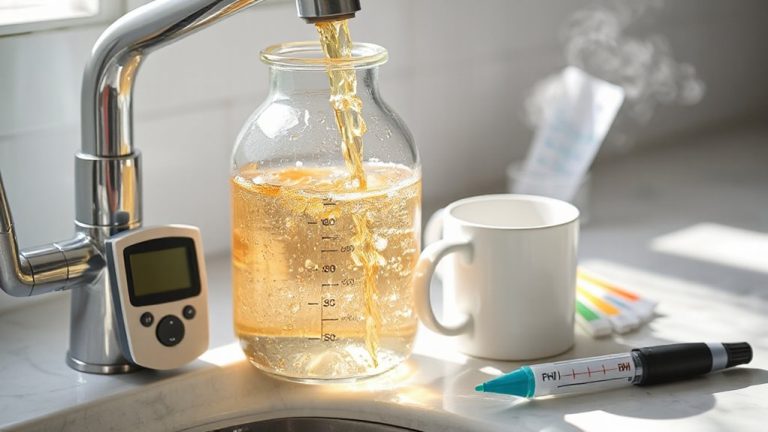
While it might seem small, water temperature plays a key role in how your coffee feels in the cup, directly affecting viscosity-the thickness or body of the brew. When you use hotter water, molecular motion increases, helping compounds dissolve faster and raising the solubility rate. This often gives a fuller body, especially with medium-roast beans in a French press. But if the water’s too hot-above 205°F-you risk over-extracting bitter compounds, making the coffee harsh. Too cool, below 195°F, and molecular motion slows, reducing extraction and leaving the brew thin and weak. For consistent viscosity, use a gooseneck kettle with temperature control, like the Fellow Stagg EKG. It lets you fine-tune heat between 195°F and 205°F, balancing solubility rate and body. Preheating your brewer also helps maintain stability. For precision brewing, consider models highlighted in the best coffee brewing kettles roundup to match your method and heat preferences.
How Water Temperature Shapes Extraction and Body
Since extraction directly influences mouthfeel, getting the water temperature right is key to shaping your coffee’s body. Too cool, and you under-extract-your brew tastes sour, thin, and lacks depth. Too hot, and you risk over-extraction, bringing out harsh, bitter notes that muddy the cup. Proper heat pulls balanced compounds, enhancing coffee density for a fuller, richer feel on your palate. Lighter roasts often need slightly higher temperatures to dissolve denser solids, while darker roasts extract easily and can turn sharp if brewed too hot. Ideal extraction also improves brew clarity, giving you a cleaner, more defined flavor profile without off-tastes or sludgy textures. You’ll notice the difference in every sip-well-structured, smooth, and consistent. Your gear matters: gooseneck kettles with temperature control make it easier to stay precise, especially with pour-over methods like V60 or Chemex. For consistent results, consider using one of the best gooseneck kettles for precision pouring.
The Ideal Range: 195°F to 205°F Explained
Most experts agree the sweet spot for brewing coffee sits between 195°F and 205°F, and hitting that range consistently makes a real difference in your cup. Within this window, you optimize extraction without scalding the grounds, balancing acidity and body. Proper water temperature enhances flavor viscosity, giving your coffee a smoother, richer mouthfeel. Too cool, and you under-extract-thin and sour. Too hot, and bitterness creeps in-more on that later. Coffee density also matters; denser beans (like high-altitude Arabicas) hold up better here, releasing flavors evenly.
| Temp (°F) | Extraction Speed | Body & Flavor Viscosity |
|---|---|---|
| 195 | Moderate | Smooth, balanced |
| 200 | Ideal | Full, rich |
| 205 | Slightly faster | Bold, structured |
| 206+ | Risky | Harsh, drying |
| 190–194 | Slow | Thin, weak |
Too Hot? Bitter, Over-Extracted Coffee Results
What happens when your brew water climbs above 205°F? You run into serious over extraction risks. The high heat pulls too many compounds from the coffee grounds, especially bitter ones. This leads to a harsh, astringent cup that lacks balance. Bitterness factors increase sharply when water’s too hot, as aggressive extraction releases undesirable oils and tannins. You’ll notice dryness on your tongue and a lingering unpleasant aftertaste. This is common with cheap drip machines that boil water or kettles without temperature control. Even pour-over setups can suffer if you don’t let the water cool slightly. To avoid this, use a gooseneck kettle with a built-in thermometer or a temperature-controlled brewer like the Fellow Stagg EKG. Keep your water below 205°F to stay in the sweet zone-smooth, rich flavor without the burn.
Too Cool? Thin, Under-Extracted Brew Follows
Ever wonder why your coffee tastes weak or flat? If your water’s too cool, you’re likely under-extracting the grounds. That means fewer dissolved solids, leading to a thin, watery cup with a weak body. Ideal brewing usually requires water between 195°F and 205°F. Below that, extraction slows, and you miss out on the sugars and oils that give coffee richness. You might end up with sour, grassy notes and little mouthfeel. This is especially common with pour-over or drip methods when using water that hasn’t fully heated. Even pressurized methods like espresso suffer with low temps, producing underdeveloped shots. A chilled brew isn’t the same-cold brew is designed to steep for hours, balancing low temps with time. But for hot methods, skipping the heat means sacrificing flavor and texture. Make sure your kettle or machine reaches proper temps. Use a thermometer if needed-consistency matters.
Match Temperature to Your Brew Method
While some brewing methods are forgiving, others demand precise water temperatures to extract the best flavor, so matching your heat level to your brew style is key. For pour-over, like a Hario V60, use water around 195–205°F-it’s fast, with a short brew time and medium-fine grind size, so adequate heat guarantees full extraction without sourness. Espresso, with its fine grind size and high pressure, needs stable 200–205°F water to avoid under-extraction and thin body. French press, with coarse grind size and longer brew time of 4–5 minutes, works best at 195°F to prevent over-extraction and bitterness. Cold brew skips heat entirely, relying on time and coarse grind size over 12–24 hours. Aeropress is flexible, but temperature affects viscosity-lower heat, like 175°F, with a fine grind size can reduce bitterness in shorter brews. Always adjust heat based on your method-it directly shapes mouthfeel and thickness.
Tools for Precise Temperature Control at Home
A growing number of home brewers rely on gooseneck kettles with built-in temperature control to hit the right water temperature for their brewing method. These kettles offer both heating precision and temperature stability, which are essential for methods like pour-over or Chemex. You’ll want to maintain water between 195°F and 205°F for ideal extraction and consistent viscosity. Models like the Fellow Stagg EKG or gothic Oxo Brew allow you to set exact temps and hold them within a degree or two. That kind of control helps reduce under-extraction or bitterness. Basic kettles without indicators force you to guess, leading to uneven results. While gooseneck kettles cost more, their accuracy improves brew quality over time. If you’re serious about coffee, the investment makes sense. Just remember to descale regularly-mineral buildup can hurt heating precision.
On a final note
You’ll get the best balance of flavor and viscosity between 195°F and 205°F. Water too hot burns the coffee, making it bitter; too cool leaves it thin and weak. Match the temp to your method-pour-over likes 200–205°F, French press works well at 195–200°F. Use a gooseneck kettle with a thermometer or electric temperature-controlled kettle for accuracy. It’s a small step that makes a real difference in your cup.