Coffee TDS Explained: Ideal % for Espresso vs Filter Brew
Your coffee’s strength depends on TDS-how much dissolved coffee is in your brew. A refractometer or handheld meter like the Hanna TDS-4 measures this as a percentage. Espresso runs strong at 8–12%, while pour-over sits around 1.3–1.5%. Grind, water (aim for 50–100 ppm hardness), and brew method all affect TDS. If your coffee tastes weak or bitter, your TDS is likely off-adjust grind size or water quality. Keep your tools clean and calibrated. You’ll see how small tweaks improve results.
Notable Insights
- TDS measures dissolved coffee solids in brew, indicating extraction efficiency and expressed as a percentage.
- Brew strength is directly determined by TDS, with higher TDS yielding a more intense flavor.
- Espresso typically has 8–12% TDS, while filter coffee ranges from 1.15–1.4%.
- Grind size, water hardness, and brew method significantly influence TDS and extraction consistency.
- Accurate TDS measurement requires a calibrated refractometer or meter and proper coffee preparation.
What Is Coffee TDS (And Why Strength Matters)?
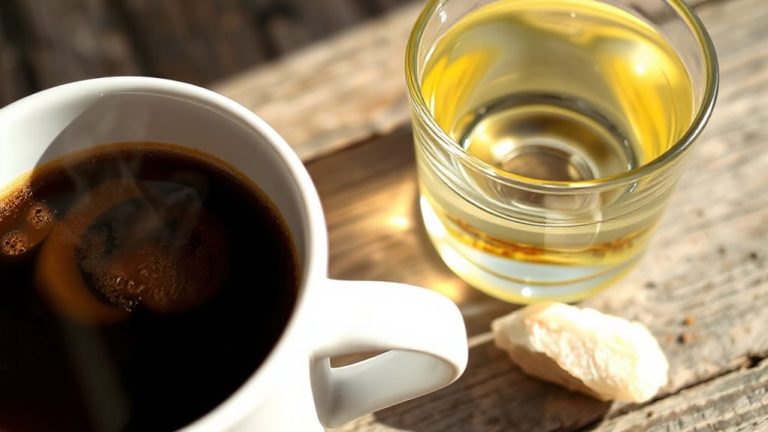
Taste starts with numbers, and when it comes to your coffee, Total Dissolved Solids (TDS) is the metric that tells you how much coffee has actually made it into your cup. You measure TDS with a refractometer-like the VST LAB or more affordable options like the URTEXT-all giving precise readings in percentages. A typical espresso might read 8–12% TDS, while filter coffee sits around 1.15–1.4%. This number reflects your coffee extraction, showing how effectively water pulled soluble compounds from the grounds. Too low, and your brew tastes sour; too high, and it turns bitter. Getting TDS right helps you achieve flavor balance, where sweetness, acidity, and bitterness align. It’s not just about strength-it’s about quality. Tracking TDS lets you tweak grind size, water temperature, or brew time with real data, not guesses.
How TDS Shapes Your Coffee’s Strength
While you might think brew strength is just about how bold your coffee tastes, it’s actually shaped directly by the TDS-how much dissolved coffee is in your cup. The higher the TDS, the stronger your brew feels, but that depends on factors like bean density and water hardness. Denser beans, like those from high-altitude farms, dissolve more slowly, often requiring finer grinds or longer brew times to reach ideal TDS. Water hardness also plays a role-too soft, and extraction suffers; too hard, and you risk over-extraction or scale buildup in gear like grinders or espresso machines. Balanced mineral content, around 50–100 ppm, typically gives the most consistent results. If you’re using a pour-over or French press, adjusting your grind to match these variables helps control strength without guesswork. TDS isn’t just a number-it’s the measurable core of how intense your coffee really is.
How to Measure TDS at Home
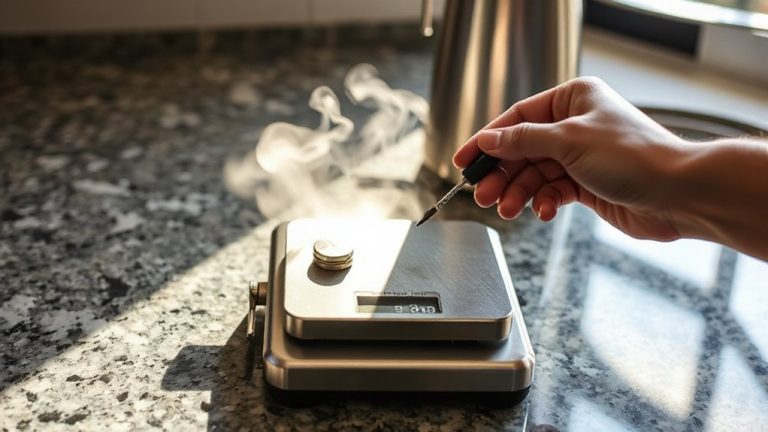
Ever wonder how to know if your coffee is actually as strong as it tastes? You can measure it at home using DIY tools like a TDS meter. These handheld devices read dissolved solids in your brew, giving you a precise number instead of guessing by flavor. The most common is the Hanna Instruments TDS-4, a reliable option under $50. Just stir your coffee well, let it cool slightly, and dip in the meter. Make sure to calibrate it weekly with the recommended solution. There are even cheaper budget options, like generic digital meters on online marketplaces, though they may lack accuracy over time. Keep in mind that temperature matters-some meters compensate automatically, others don’t. While not lab-grade, these tools offer a solid baseline for home use, helping you track consistency across brews.
Ideal Coffee TDS Ranges by Brew Method
Depending on how you brew, the ideal TDS range can vary considerably, so knowing your method’s target helps nail consistency. For espresso, aim between 8–12% TDS-its short contact time and high pressure extract quickly, especially with fine grind consistency and stable brew temperature. Pour-over methods like V60 or Chemex perform best around 1.3–1.5% TDS, relying on medium-fine grounds and even water flow. French press, with its coarse grind and long steep, typically lands between 1.1–1.3% TDS, as too fine a grind or high brew temperature can over-extract and muddy flavors. AeroPress is flexible, often hitting 1.2–1.5% TDS depending on recipe tweaks. Each method responds differently to grind consistency and brew temperature, so matching your setup to these ranges guarantees repeatable, balanced results. Know your gear’s sweet spot-it makes all the difference.
How to Adjust Your Brew for Perfect TDS
What if your coffee tasted flat or too sharp-could your TDS be off? You can fix that by adjusting key variables. Start with brew temperature-too low (below 195°F) under-extracts, yielding flat coffee; too high (above 205°F) over-extracts, making it bitter. Aim for 195–205°F for balanced extraction. Next, check your grind consistency. Uneven particles extract unevenly, skewing TDS. A burr grinder gives uniform grounds; blade grinders don’t. For pour-over, go finer to increase extraction; coarser for French press. Small tweaks matter: adjusting by 5–10 microns can shift TDS noticeably. If you’re using an Aeropress or espresso machine, dial in grind size and temperature together. Use a scale and timer to stay consistent. These adjustments put you in control-no guesswork, just better, more accurate brews every time.
Why Your TDS Is Off (And How to Fix It)
Why does your coffee sometimes fall flat or taste harsh, even when you follow the same recipe? Your TDS readings might be off due to inconsistent grinder calibration or poor water quality. Small grind size changes impact extraction more than you think. If your grinder isn’t calibrated regularly, particles vary, leading to uneven brews. Water with too many minerals over-extracts, while soft water under-extracts.
| Issue | Fix |
|---|---|
| Dull taste | Check grinder calibration weekly |
| Bitter brew | Adjust grind finer, check water quality |
| Sour coffee | Use filtered water with balanced minerals |
| Inconsistent TDS | Clean grinder burrs monthly |
| Weak strength | Recalibrate for uniform particle size |
Fixing these common issues stabilizes TDS. Use a reliable water source-like Third Wave Water or a filter-and dial in grinder settings consistently.
What Actually Dissolves in Your Coffee?
Solubles are the key players in your cup, and not all of them extract the same way. The chemical composition of coffee beans-made up of acids, sugars, lipids, and aromatic compounds-determines what dissolves in your brew. Some compounds dissolve quickly, like fruity acids, while others, such as bitter woody notes, need more time or finer grinds. Solubility factors like water temperature, grind size, and brew time influence which solubles make it into your cup. Too hot, and you risk over-extracting harsh flavors; too cool, and your coffee tastes sour or weak. A gooseneck kettle helps control water flow, while a burr grinder delivers consistent particle size for even extraction. You’re not just pulling flavor-you’re managing solubility. Knowing this helps you tweak your method, whether you’re using a V60, French press, or espresso machine. Adjust smartly, not randomly. The design of your V60 drippers can significantly influence flow rate and contact time, affecting overall extraction.
On a final note
You now know TDS affects strength, not flavor-that’s extraction’s job. Use a refractometer like the VST Lab to measure it, or trust proven recipes if you’re starting out. Aim for 1.2–1.4% in drip, 1.1–1.3% in pour-over, and 1.25–1.35% in espresso. Grind size, water temperature, and brew time all shift TDS. If it’s off, tweak one variable at a time. Consistent doses and clean gear keep results reliable.