Decoding Decaf Processes: a Deep Dive Into Flavor Preservation
You’re drinking decaf, and the method used matters. The Swiss Water Process removes caffeine with just water and osmosis, preserving flavor without chemicals-great for single-origin beans. CO2 processing uses pressurized gas to target caffeine, leaving most flavors intact, a favorite at roasters like Stumptown. Solvent methods are effective but can alter taste or leave traces if not well-regulated. Roast level also impacts the final cup, with medium often balancing body and clarity best. Your choice changes the experience-and knowing how each step shapes flavor gives you better control over every brew.
Notable Insights
- Decaf processing removes most caffeine but preserves 1–3%, with methods varying in flavor compound retention.
- Solvent-based methods may degrade taste, while water and CO2 processes better maintain aromatic integrity.
- The Swiss Water Process uses saturated green coffee extract to remove caffeine without chemicals, preserving origin flavors.
- CO2 decaffeination selectively extracts caffeine under pressure, ideal for specialty beans with minimal flavor loss.
- Roast profiles must adapt to decaf beans’ fragility, with medium roasts often balancing body and preserved characteristics.
What Is Decaf Coffee and How Is It Made?
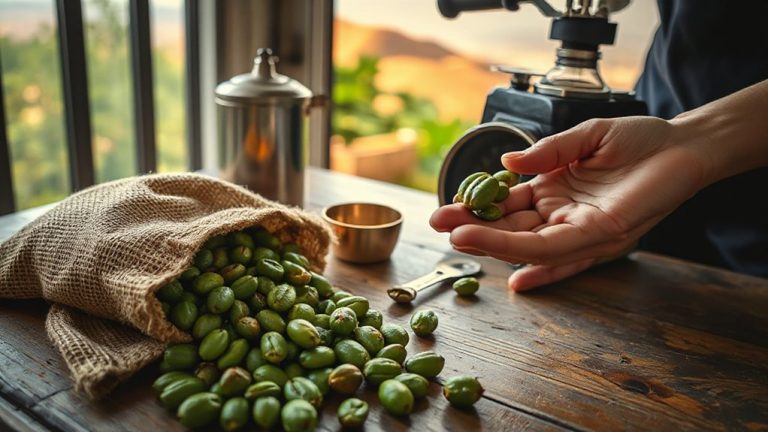
Decaf coffee isn’t just regular coffee with the caffeine scraped out-it’s a carefully engineered product that starts with green beans and uses specific methods to remove most of the caffeine before roasting. You’ll find that caffeine extraction usually happens using water, solvents, or carbon dioxide, each affecting how well the bean’s natural compounds are preserved. The Swiss Water Process, for example, relies on solubility and osmosis without chemicals, helping maintain bean integrity. Other methods, like direct or indirect solvent-based extraction, can be efficient but may alter the bean’s structure if not controlled. Roasters often prefer methods that protect bean integrity to guarantee consistent quality. You should know that decaf isn’t 100% caffeine-free-most still contain 1–3% of the original caffeine. Understanding how caffeine extraction works helps you choose beans processed in ways that align with your flavor and health priorities. For those seeking chemical-free decaffeination, Best Swiss Water Decaf Coffee Picks offer top-tier options that preserve both flavor and purity.
How Decaf Processing Affects Coffee Taste
You won’t taste caffeine, but how it’s removed from coffee beans makes a real difference in what does end up in your cup. Most decaf methods use solvents or water to extract caffeine, but they also pull out other compounds, leading to flavor degradation. The process often increases bean porosity, making the coffee more absorbent and prone to losing aromatic oils during roasting. This can result in a flatter, less vibrant taste. Methods using direct solvents like methylene chloride are efficient but may leave traces if not regulated. Indirect methods, such as water-only soaking, preserve more original notes but risk over-extraction. Roasters must adjust time and temperature when handling decaf because of structural changes. Choosing high-quality beans and transparent processing helps maintain flavor integrity. You’re better off selecting small-batch roasts that specify their decaf method to avoid dull or papery outcomes. For those seeking both purity and taste, exploring best organic decaf coffee options can lead to a more satisfying, chemical-free experience.
Swiss Water Process: Chemical-Free Decaf Coffee
If you’re after decaf that keeps its flavor without using solvents, the Swiss Water Process is one of the few methods that delivers on both counts. It relies solely on water, temperature, and time to remove caffeine, preserving flavor integrity by avoiding harsh chemicals. First, green coffee extract (GCE) is made from a batch of coffee, then used to wash caffeine from new beans through osmosis. Since GCE already holds the soluble compounds, only caffeine diffuses out-your coffee keeps its taste. This method is especially kind to sensitive single-origin beans. It’s also better for the environment-no chemical byproducts means a lower environmental impact. The downside? It’s more expensive and water-intensive than some alternatives. Even so, if clean processing and consistent flavor matter to you, Swiss Water Decaf, like that from reputable brands such as Swiss Water Decaffeinated Coffee Inc., is a solid, trustworthy choice.
CO2 Decaffeination for Specialty Coffee Beans
Carbon dioxide steps in as an unlikely hero in the decaf world-natural, abundant, and surprisingly effective. You’ll find CO2 decaffeination uses pressurized gas to remove caffeine while protecting flavor integrity. This method targets caffeine molecules without stripping the bean’s core compounds, making it ideal for specialty-grade coffee. It works best with high-quality bean selection since the process preserves subtle notes you’d want in a premium cup. The beans soak in water first, then enter a pressurized chamber where liquid CO2 pulls out caffeine. It’s clean, leaving no chemical residue. While costlier than some methods, it’s more precise than indirect solvent approaches. If you value taste and clarity in decaf, and don’t mind paying a little extra, CO2-processed beans from trusted roasters like Stumptown or Onyx are solid choices.
Direct Solvent Method: Traditional Decaf Coffee
While it’s less common in specialty circles today, the direct solvent method remains a longstanding approach to decaf coffee production. You start with green beans, steaming them to open their pores before applying a solvent-usually methylene chloride or ethyl acetate-for chemical extraction of caffeine. The beans absorb the solvent, which binds to caffeine and removes it during rinsing. Afterward, they’re steamed again to minimize solvent residue. Though regulatory standards limit leftover traces to safe levels, some consumers remain cautious. This method is cost-effective and efficient, commonly used for large-scale decaf, like many supermarket brands. It can affect flavor more than other methods, sometimes leaving a subtle aftertaste. If you’re sensitive to processing or prioritize purity, check labels for certified processes. Still, for everyday decaf that’s reliable and affordable, direct solvent decaf gets the job done without fuss.
How Roasting Shapes Decaf Coffee Flavor
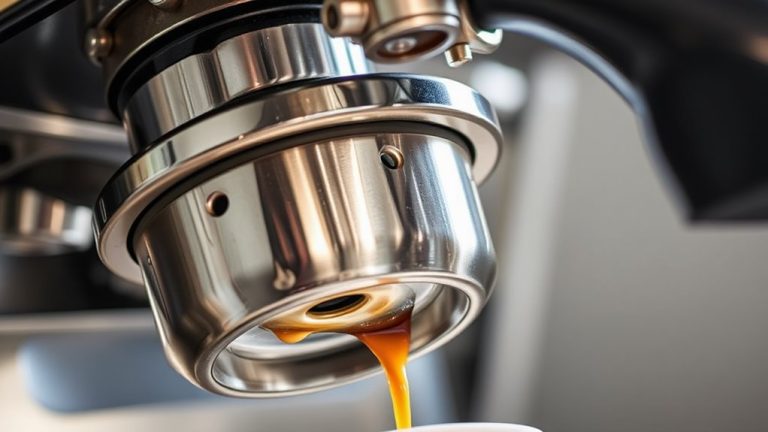
What makes your decaf taste smooth, sharp, or flat-roast after roast? It’s all about roast profiles and how they guide flavor development. Since decaf beans are more fragile after processing, they react differently under heat. Light roasts preserve more origin character but can highlight solvent residues if not done well. Medium roasts are safest-balanced, with rounded acidity and body, ideal for most home brewers. Dark roasts add boldness but risk masking subtle notes with char. You’ll want a roaster that delivers even heat, like a Behmor 1600+ or a Popcorn Air Popper with watchful timing. Roasting too fast or hot burns delicate sugars, muting sweetness. Go slower, especially in the first crack, to coax out clarity. Flavor development hinges on time and temperature control. Match your roast style to your brew method-espresso loves a fuller roast; pour-over shines with medium. Know your beans, adjust accordingly. For beginners, starting with a beginner-friendly appliance like the Best Coffee Roasters can simplify mastering these nuances.
Choosing the Best Decaf Coffee by Taste
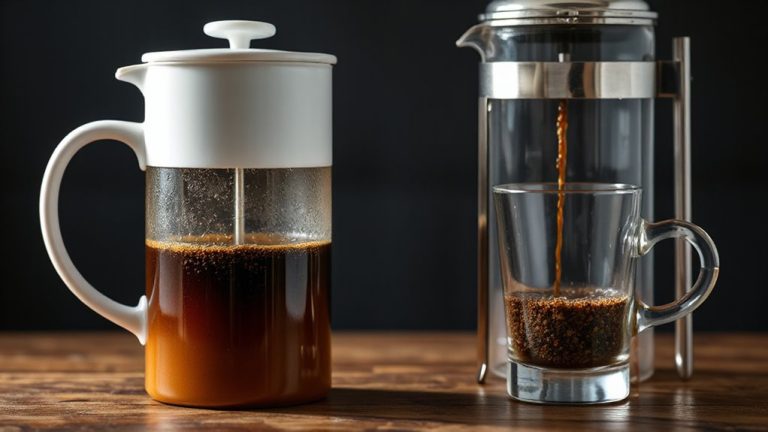
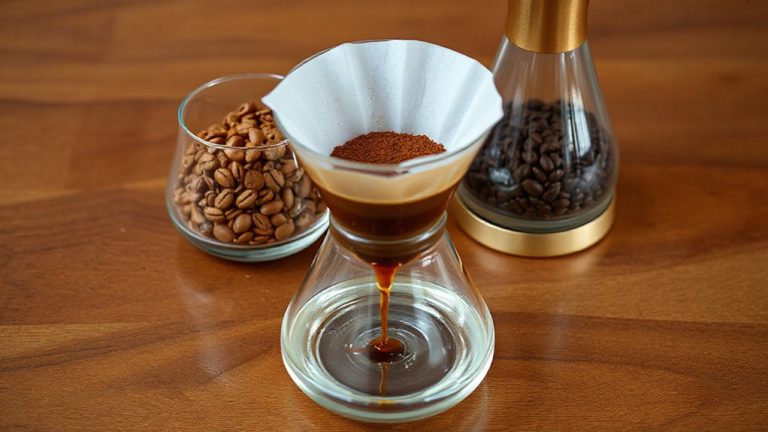
You’ve roasted your decaf beans right-now it’s time to pick the ones that actually taste good. Start by checking flavor profiles: Swiss Water Process decaf often has clean, balanced notes, while CO2-processed beans might retain more sweetness and body. Look for labels that list origin and tasting notes-Ethiopian decafs can offer floral or citrus hints, while Sumatran ones lean earthy. These profiles matter most when matching beans to your brewing methods. If you use a pour-over, lighter roasts highlight acidity and clarity. For French press, go darker-richer bodies stand up to full immersion. Don’t assume all decaf lacks depth; newer methods preserve far more nuance. Always grind fresh, and store beans in an airtight container away from light. Taste matters, but technique amplifies it-choose based on both bean origin and how you brew.
On a final note
You now know the key decaf methods and how they shape flavor. Swiss Water and CO2 processes preserve taste well without chemicals, ideal for specialty beans. Direct solvent works but may leave traces. Roasting matters-lighter roasts often keep more nuance. For best results, choose freshly roasted, traceable decaf from reputable brands like Swiss Water or Decadent Grind. Match the method to your taste: clean, chemical-free notes or deeper, traditional profiles.