Best Coffee Beans for Crafting the Perfect Spanish Latte
Use a medium roast with sweet, nutty notes and low acidity to balance the richness of condensed milk in a Spanish latte. Lavazza Super Crema delivers creamy hazelnut and brown sugar flavors that blend smoothly with milk. Gaviña Old Havana offers a nutty, citrus-kissed profile ideal for traditional balance. Starbucks Espresso Roast provides bold caramel sweetness, while illy Classico adds floral and caramel notes with consistent quality. Choose fresh whole beans and grind just before brewing for the best results-your next-level brew starts with the right blend.
We are supported by our audience. When you purchase through links on our site, we may earn an affiliate commission, at no extra cost for you. Learn more. Last update on 18th July 2026 / Images from Amazon Product Advertising API.
Notable Insights
- Choose medium-roast beans with nutty or sweet flavor notes for balance in a Spanish latte.
- Opt for espresso-friendly blends like Lavazza Super Crema for smooth extraction and creamy texture.
- Select 100% Arabica or Arabica-Robusta blends to enhance richness and crema in milk-based drinks.
- Beans with honey, caramel, or hazelnut notes-such as Starbucks Espresso Roast-complement condensed milk.
- Use freshly ground whole beans for optimal flavor when brewing with espresso machines or moka pots.
Gaviña Old Havana Espresso 32 oz

If you’re looking for a coffee that brings authenticity to your Spanish latte, why not start with a bean rooted in the very tradition you’re trying to capture? I use Gaviña Old Havana Espresso because it’s made from 100% Arabica beans and roasted medium-dark for a nutty, sweet flavor with a hint of citrus. It’s balanced, smooth, and ideal for espresso machines or moka pots. Gaviña’s family has roasted coffee for over 140 years, starting in Cuba, so the heritage is real. The beans are packed fresh in LA at a zero-waste facility, part of their Direct Impact sourcing. For best results, grind them right before brewing.
Best For: Coffee lovers seeking an authentic, smooth espresso with rich heritage and sustainable sourcing, ideal for Spanish lattes and other espresso-based drinks.
Pros:
- Crafted from 100% Arabica beans with a medium-dark roast for a nutty, sweet flavor and subtle citrus notes
- Rooted in over 140 years of family roasting tradition with authentic Latin espresso character
- Sustainably sourced through the Direct Impact Initiative and roasted in a zero-waste-to-landfill facility
Cons:
- Whole beans require grinding before brewing, which may be inconvenient for some users
- Flavor profile may be too nuanced for those preferring bold, intense roast characteristics
- Limited to espresso-focused brewing methods for optimal taste, less ideal for drip coffee
Lavazza Super Crema Whole Bean Coffee (22 oz)
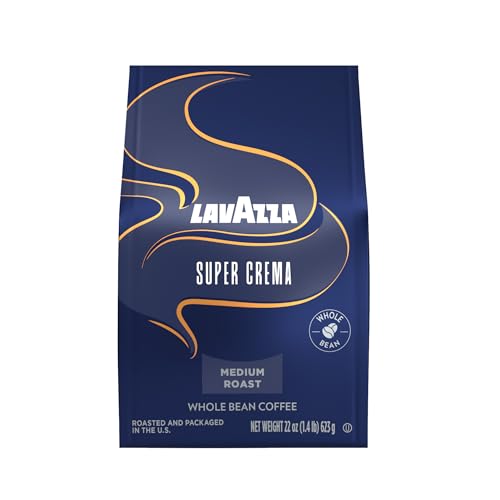
Lavazza Super Crema Whole Bean Coffee shines when you want a smooth, balanced base for a Spanish latte that doesn’t overpower the sweetened condensed milk. I’ve found its medium roast offers a creamy finish and subtle notes of hazelnut and brown sugar, which blend well without clashing. The mix of Arabica and Robusta beans from 15 countries gives it structure and a mild boldness, ideal for espresso. I grind 0.28 oz for a solid 1 oz shot-consistent and rich. Since it’s whole bean, I always grind fresh, which helps maintain flavor. Just remember it’s a 22 oz bag, so if you don’t drink daily, store it airtight to preserve freshness.
Best For: Coffee lovers who want a smooth, medium-roast espresso blend with a creamy finish and subtle sweet notes for daily espresso or milk-based drinks.
Pros:
- Balanced, full-bodied flavor with aromatic hints of hazelnut and brown sugar
- Versatile blend of Arabica and Robusta beans ideal for espresso and specialty drinks like Spanish lattes
- Whole bean format ensures freshness when ground just before brewing
Cons:
- Large 22 oz bag may not be ideal for infrequent coffee drinkers without proper storage
- Flavor profile may be too mild for those who prefer dark, intense roasts
- Requires consistent grind size for optimal espresso extraction
Lavazza Super Crema Whole Bean Coffee (2.2 lb)
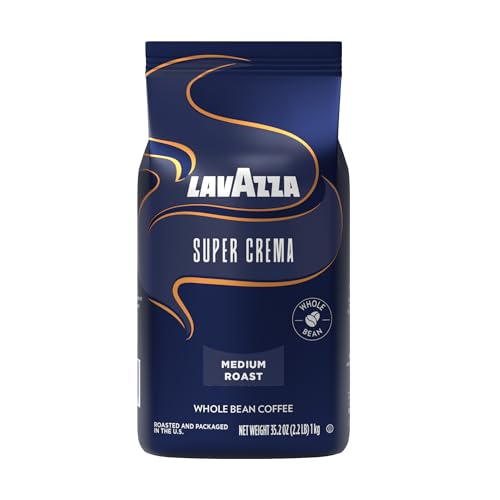
A 2.2-pound bag of whole bean coffee suits serious home baristas who pull multiple espresso shots daily, and the Lavazza Super Crema fits that role with consistent performance and a blend built for milk-based drinks. I use it for my Spanish lattes because the medium roast balances sweetness and body, with notes of hazelnut and brown sugar that shine when mixed with condensed milk. The Arabica-Robusta blend gives a bold, creamy finish, ideal for espresso. I grind fresh before each shot-0.28 oz per 1 oz serving-and get reliable results. It’s not fancy, but it’s dependable, especially if you drink espresso daily.
Best For: Home baristas who pull multiple espresso shots daily and prefer a creamy, balanced blend for milk-based drinks.
Pros:
- Consistent performance with a bold, creamy finish ideal for espresso
- Balanced medium roast with sweet aromatic notes of hazelnut and brown sugar
- Versatile blend that shines in milk-based drinks like Spanish lattes
Cons:
- Large 2.2 lb bag may not suit casual coffee drinkers
- Not a specialty or single-origin option for those seeking complexity
- Requires fresh grinding for optimal results, adding prep time
Lavazza Espresso Barista Gran Crema (35.2 oz)

You’ll want a balanced, full-bodied espresso that holds up to sweetened condensed milk when making a Spanish latte, and this 35.2-ounce bag of Lavazza Espresso Barista Gran Crema delivers just that. I use it with my espresso machine, and it pulls consistently rich shots with a dark chocolate and spice flavor that cuts through the sweetness. The blend of Arabica from Brazil and Honduras plus African Robusta gives it a bold 7/10 intensity and a creamy mouthfeel. It works in moka pots too, though it’s less ideal for French press. Lavazza’s 125-year reputation means quality is steady, and the large bag saves me trips to the store.
Best For: Espresso lovers who want a rich, full-bodied coffee with balanced sweetness and bold intensity, ideal for milk-based drinks like Spanish lattes.
Pros:
- Delivers consistent, rich espresso shots with a creamy mouthfeel and dark chocolate-spice notes
- Versatile blend optimized for espresso machines and moka pots, with good performance in drip and French press
- Large 35.2-ounce bag offers value and fewer reorders, backed by Lavazza’s 125-year quality heritage
Cons:
- Less ideal for French press brewing due to fine grind and heavy body
- Robusta content may impart bitterness unsuitable for those preferring smooth, pure Arabica flavors
- Packaging may vary, offering less consistency in storage and freshness protection
Lavazza Crema E Aroma Whole Bean Coffee
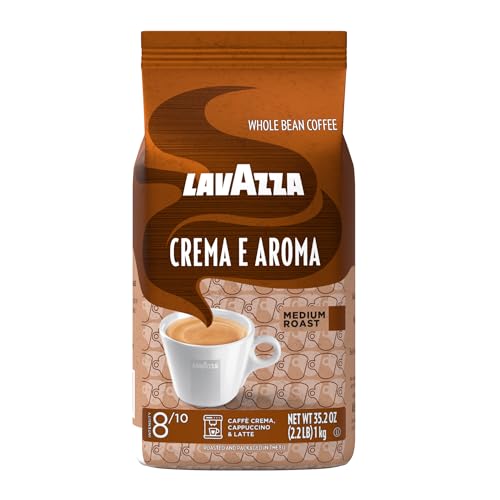
If you’re after a rich, balanced espresso base that holds up well when mixed with milk and condensed sugar-the foundation of a Spanish latte-this Lavazza Crema E Aroma blend delivers consistent intensity and deep flavor without needing specialty equipment. I use it in my moka pot, and it pulls bold, chocolate-tinged shots with a creamy finish every time. The medium roast (level 8/10) blends Arabica and Robusta beans from South America, Africa, and Asia for an earthy, aromatic profile that cuts through sweetened milk. It works in drip machines or French press too, though crema’s best with espresso-style methods. Lavazza’s 125-year heritage and non-GMO, pure coffee formula mean reliable quality-I trust it daily.
Best For: Espresso and moka pot lovers who want a consistently bold, aromatic coffee with rich crema and deep flavor for drinks like Spanish lattes.
Pros:
- Delivers intense, earthy flavor with chocolate notes and long-lasting crema, ideal for milk-based coffee drinks
- Versatile across brewing methods including espresso, moka pot, drip, and French press
- Made with non-GMO, 100% pure coffee beans sustainably sourced from a trusted 125-year heritage brand
Cons:
- Medium roast with 8/10 intensity may be too bold for those preferring lighter, more delicate profiles
- Whole beans require grinding, which may be inconvenient for users without grinders
- Robusta content may introduce bitterness disliked by purists seeking purely Arabica smoothness
Lavazza Espresso Whole Bean Coffee, Medium Roast, 100% Arabica, 2.2 lb Bag
Lavazza’s medium roast hits the sweet spot for anyone building a balanced Spanish latte with depth without bitterness. I use this 100% Arabica blend because it’s smooth, with a 5/10 intensity that won’t overpower the condensed milk. You’ll notice subtle floral and fruit notes, especially when brewed fresh. It works perfectly in my espresso machine but also pulls well in a moka pot or drip brewer. Since it’s whole bean, I grind it fine for espresso or medium for French press-flexible for different gear. The 2.2 lb bag lasts a while and stays fresh thanks to solid packaging. Just keep it in a cool, dark spot.
Best For: Coffee lovers seeking a smooth, aromatic medium roast that balances well in milk-based drinks like Spanish lattes without overpowering sweetness.
Pros:
- 100% Arabica beans sourced from South America and Africa deliver a premium, naturally caffeinated brew
- Versatile grind compatibility-performs well in espresso machines, moka pots, drip brewers, and French press
- Aromatic profile with floral and fruity notes enhances the sensory experience, especially when freshly ground
Cons:
- Whole bean format requires a grinder, which may be inconvenient for those without one
- Medium roast intensity (5/10) may lack boldness for fans of dark, smoky espresso profiles
- Large 2.2 lb bag may challenge freshness retention if not consumed quickly or stored properly
Lavazza Espresso Whole Bean Coffee (2.2 lb)
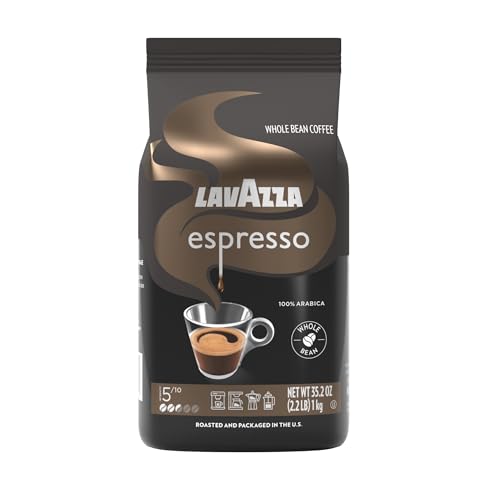
Since it uses a 100% Arabica blend from South America and Africa, Lavazza Espresso Whole Bean Coffee delivers a balanced profile with floral and fruity notes that work well for a Spanish latte when you prefer a smoother, sweeter finish over bold bitterness. I find the medium roast (intensity 5/10) ideal for pulling espresso shots or using in a moka pot, both great for milk-based drinks. It’s naturally caffeinated and works across most brewers-drip, French press, you name it. The 2.2 lb bag keeps beans fresh if stored right, and since it’s made in coffee-only facilities, cross-contamination isn’t an issue. Lavazza’s been roasting since 1895, so their sourcing and consistency are reliable. Not the cheapest bulk option, but you get proven quality and versatility-especially if you tweak your brew method often.
Best For: Coffee lovers who prefer a smooth, aromatic, and versatile medium-roast 100% Arabica blend ideal for espresso-based drinks like Spanish lattes and other milk-forward brews.
Pros:
- Balanced floral and fruity notes with a sweet finish, perfect for those who enjoy a smoother, less bitter coffee
- Versatile brewing compatibility-excellent for espresso, moka pot, drip, and French press
- Sustainably sourced, single-origin blend from dedicated coffee-only facilities ensuring purity and consistency
Cons:
- Higher price point compared to generic or blended bulk coffees
- Medium roast may lack the bold intensity preferred by dark roast enthusiasts
- Large 2.2 lb bag requires proper storage to maintain freshness over time
Café Lareño Whole Bean Coffee – Lares, Puerto Rico – 14 Ounce (Pack of 1)

I reach for Café Lareño Whole Bean Coffee when I want a Spanish latte with a smooth, authentic base rooted in tradition. Grown by a fourth-generation family farm in Lares, Puerto Rico since 1989, this 100% pure coffee is grown, harvested, and roasted using time-tested methods. The 14-ounce pack preserves freshness, and because it’s whole bean, I know the flavor stays intact until I grind it. Traditional pulping, drying, and roasting guarantee a clean, balanced cup that holds up well with steamed milk and condensed sugar. If you value origin, craftsmanship, and consistency, this is a solid choice for authentic Spanish lattes.
Best For: Coffee lovers who seek an authentic, heritage-rich brew with a smooth profile perfect for Spanish lattes and traditional preparation.
Pros:
- Sourced and produced entirely by a fourth-generation family farm in Lares, Puerto Rico, ensuring deep-rooted tradition and quality craftsmanship
- 100% pure whole bean coffee that preserves freshness and flavor until grinding
- Traditional processing methods result in a clean, balanced cup ideal for specialty drinks
Cons:
- Limited availability outside of Puerto Rico may affect accessibility
- Single origin and small-batch production might result in inconsistent stock
- Higher price point compared to mass-produced coffee brands
Starbucks Espresso Roast Whole Bean Coffee
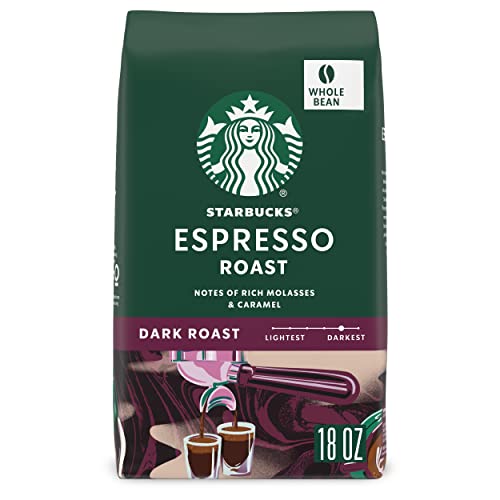
If you want the same bold, consistent espresso base that powers Spanish lattes in Starbucks cafes worldwide, the Starbucks Espresso Roast Whole Bean Coffee is your go-to option. I rely on this 100% Arabica blend for its rich molasses and caramelly sweetness, unchanged since 1975. The dark roast delivers depth whether pulled as espresso or brewed strong. It’s ethically sourced with Conservation International, packed in an 18-ounce resealable bag that keeps beans fresh. I use it in my espresso machine, moka pot, or French press-grinding fresh each time. While it’s designed for consistency, home grinders help you tweak the coarseness. You won’t get rare single-origin notes, but you will get reliable, balanced performance, cup after cup.
Best For: Espresso lovers seeking a bold, consistent dark roast with rich sweetness and ethical sourcing, ideal for daily use across multiple brewing methods.
Pros:
- Bold, balanced flavor with notes of molasses and caramelly sweetness that remains consistent cup after cup
- Ethically sourced through a partnership with Conservation International, supporting sustainable coffee farming
- Versatile whole bean format suitable for espresso, French press, moka pot, pour-over, and drip brewing
Cons:
- Lacks the nuanced, origin-specific flavors sought by specialty coffee enthusiasts
- Dark roast may be too intense for those preferring lighter, more acidic profiles
- Consistency-focused blend may feel less adventurous compared to single-origin or seasonal offerings
illy Whole Bean Coffee Classico 17.6 Ounce

The illy Whole Bean Coffee Classico 17.6 Ounce is a solid choice for anyone who wants a consistently smooth, medium-roast coffee that enhances a Spanish latte without overpowering it. I use it because it balances richness and sweetness, with notes of caramel, orange blossom, and jasmine. It’s 100% Arabica, sourced from over 30 countries through long-term farmer partnerships focused on sustainability. Only the top 1% of beans make the cut, ensuring quality. Their pressurized canning locks in freshness, which helps me brew flavorful coffee weeks after opening. While pricier than some, it’s reliable for daily use-especially if you value consistency and don’t want harsh, bitter notes muddying your milk and condensed sugar.
Best For: Coffee lovers who seek a consistently smooth, medium-roast Arabica bean with refined flavor notes and premium freshness for daily espresso or milk-based drinks like Spanish lattes.
Pros:
- Balanced, aromatic profile with notes of caramel, orange blossom, and jasmine
- Sourced from top 1% of sustainably grown Arabica beans across 30+ countries
- Patented pressurized canning preserves freshness and flavor long after opening
Cons:
- Higher price point compared to mass-market coffee brands
- Flavor profile may be too subtle for those who prefer bold or dark roasts
- Whole beans require a grinder, adding extra step and equipment need
Factors to Consider When Choosing Coffee Beans for a Spanish Latte
You’ll want to take into account roast level first-darker roasts bring the boldness a Spanish latte needs, while lighter ones highlight origin characteristics but may lack body. Reflect on where the beans come from, since Latin American or Brazilian beans often offer the nutty, chocolatey notes that pair well with condensed milk. And don’t overlook how the beans perform in your brew method, as espresso machines pull out crema and intensity better than drip, affecting flavor balance and richness.
Roast Level Preference
While you might be tempted to go for a dark, bold roast, aiming for a medium to medium-dark roast often delivers the best balance for a Spanish latte. It gives you enough body and flavor to stand up to sweetened condensed milk without overwhelming it. Dark roasts can add pleasant chocolate or caramel notes that pair well with the creamy sweetness, but they may sometimes mute the espresso’s complexity. Light roasts, with their bright acidity and delicate tones, usually get lost in the mix. You want a full-bodied shot with a smooth mouthfeel that holds up when diluted with milk. Medium-dark roasts also tend to produce a rich, stable crema-key for that luxurious texture. For consistent results, try beans labeled as espresso blends, which are often roasted to this sweet spot.
Bean Origin Importance
What makes one coffee bean better than another for a Spanish latte? You’ll want beans from high elevations-above 3,000 feet-because they’re denser and sweeter, boosting flavor depth. Look for beans grown in the “Coffee Belt,” between the Tropics of Cancer and Capricorn, where steady temperatures and sunlight help produce specialty Arabica beans. Regions with clear wet and dry seasons give more consistent harvests, helping you get reliable flavor every time. Volcanic soil, rich in potassium and phosphorus, enhances acidity and complexity-think Guatemalan or Sumatran beans for a bold base. Humidity and drying conditions matter too; too much moisture during drying can over-ferment beans, altering taste. Choose origins with controlled processing to avoid off-flavors. Knowing where your beans come from isn’t just trivia-it directly shapes your latte’s quality.
Flavor Profile Balance
When choosing beans for a Spanish latte, aim for a flavor profile that balances sweetness and body without overshadowing the condensed milk. Pick medium to medium-dark roasts-they give enough body to blend well with milk while keeping a touch of brightness. You’ll want notes like caramel, toasted nuts, or dark chocolate; they match the drink’s sweetness and add depth without clashing. Subtle floral or citrus hints can lift the flavor subtly, but avoid sharp or fruity tones that fight the creamy texture. Low acidity is key: it lets the coffee mix smoothly with dairy and sweeteners for a round, even finish. Beans from Central America or Brazil often deliver this profile reliably. Skip very light or smoky dark roasts-they either taste too sharp or mute the condensed milk’s richness. Focus on balance, and your latte will taste creamy, sweet, and fully blended in every sip.
Crema Quality Impact
A rich crema starts with the right beans. You want medium to dark roasts-they boost caramelization and bring oils to the surface, which helps build a thick, stable crema. Espresso-specific roasts are your best bet; their slow roast process breaks down starches and sugars just right for dense crema. Freshness matters too: use whole beans shortly after roasting to keep carbon dioxide levels high, which helps emulsify oils during extraction. If you’re after extra body and longer-lasting crema, consider blends with Robusta-its higher lipid and sucrose content outperforms Arabica in crema thickness. Grind beans just before brewing. A consistent, fine grind guarantees even extraction and full gas release, both critical for that golden, creamy layer. Skip pre-ground; it goes stale fast and ruins crema potential.
Brew Method Compatibility
Since your brew method shapes the coffee’s strength and texture, matching it to the right beans guarantees your Spanish latte hits the mark. If you’re using an espresso machine, go for finely ground, dense beans-these handle high pressure well and produce a rich shot with crema that cuts through condensed milk. Moka pots need medium-fine grind and work best with beans that brew a bold, low-acid coffee, giving you that espresso-like punch without the machine. With drip coffee, you’ll likely need to increase the coffee-to-water ratio since the lighter body can get lost in milk and sweetness. French press delivers full-bodied coffee with more oils, which adds depth but might make your latte heavier than traditional. Just remember: fine grind for espresso, medium-fine for moka, coarse for French press-matching grind to method keeps flavors balanced and extraction clean.
Freshness And Storage
Freshness直接影响咖啡的风味强度和平衡,尤其是在制作西班牙拿铁这种依赖浓缩咖啡与甜奶融合的饮品时。你买的咖啡豆最好在烘焙后4周内用完,因为之后风味会明显下降。买带单向阀的包装,能排出烘焙气体却不让氧气进入,这样豆子更稳定。收到豆子后,立刻存进密封罐,放在阴凉、避光的地方--橱柜比冰箱好,因为温度波动会产生冷凝水。室温保持在60°F到70°F(15°C到21°C)最理想。一定买整豆,现磨现冲,因为预磨咖啡接触空气面积大,氧化快。虽然磨豆麻烦一点,但风味保留更久。别被大包装诱惑,除非你喝得快,否则小份更保鲜。这样处理,你的浓缩基底才够浓够香,和炼乳、牛奶融合时才不出错。
Ethical Sourcing Considerations
Many coffee lovers overlook ethical sourcing, but it directly impacts the quality and integrity of your Spanish latte. You should look for certifications like Fair Trade, Rainforest Alliance, or Organic-they verify fair wages, safe labor conditions, and eco-friendly farming. These standards support long-term bean quality and farm health. Opting for brands with direct trade practices gives farmers better pay and greater transparency. Some roasters use traceability programs, so you can track beans to their origin and confirm ethical procurement. Sustainable initiatives often protect biodiversity, cut water waste, and prevent deforestation in coffee regions. Ethical sourcing also includes community investments-some companies fund schools, clinics, or clean water projects in farming areas. While these beans may cost slightly more, you’re supporting better farming systems and, ultimately, better coffee. Choosing ethically isn’t just moral-it’s practical for consistent, high-quality lattes.
Frequently Asked Questions
What Milk Alternatives Work Best in a Spanish Latte?
You’ll get the creamiest results with oat or soy milk since they steam well and mimic whole dairy milk’s texture. Oat milk, like Oatly Full Fat, froths smoothly and adds natural sweetness. Soy, such as Silk Extra Creamy, holds heat and blends evenly. Almond milk works if you use the barista blend-it’s less prone to separating. Avoid low-fat versions; they thin out the drink. Coconut milk can clash with espresso’s boldness, so use sparingly.
Can I Use Decaf Beans for a Spanish Latte?
Yes, you can absolutely use decaf beans for a Spanish latte if you want less caffeine. Decaf still gives you rich flavor and body, especially if you pick a medium to dark roast. Just know the taste might be slightly milder than regular beans. For best results, go with a reputable brand like Swiss Water Decaf or Decaf City to avoid chemical processing. Pair it with sweetened condensed milk, and you’ll get the same creamy, smooth drink-just without the buzz.
How Long Do Whole Beans Stay Fresh After Opening?
You’ve got about 2–3 weeks of peak freshness after opening a bag of whole beans, assuming you store them properly. Keep them in an airtight container away from light, heat, and moisture-don’t refrigerate. After a month, flavor noticeably fades. Light roasts degrade faster than dark. Valhalla Java or Café La Llave hold up decently longer due to oils, but freshness matters most for balanced extraction.
Should I Grind Beans Before or After Brewing?
You should grind beans right before brewing. Doing so preserves freshness and flavor, since ground coffee loses aroma and complexity fast. Pre-ground beans expose more surface area to air, speeding up staling. A burr grinder gives you consistent particle size, which improves extraction. Blade grinders work but are less even. If you’re using a French press or espresso machine, timing and grind precision matter even more-so always grind just before you brew.
Is a Spanish Latte Served Hot or Cold Only?
You can serve a Spanish latte either hot or cold-it’s up to your preference. If you want warmth and comfort, brew it hot with steamed milk and espresso. For a revitalizing take, especially in summer, cool the espresso and pour it over ice with cold milk. Both versions work well, so choose based on the weather or mood. Just make sure to adjust sweetness and milk ratios to taste.