Best Coffee Ethiopia Brews That Captivate Every Palate
You’ll love Ethiopian Yirgacheffe or Sidamo beans for their bright citrus, floral jasmine, and wine-like fruit notes, best in light roasts that preserve delicate, tea-like complexity. Opt for whole bean, USDA Organic, and Fair Trade options like Groundwork or illy for quality and ethics. Washed-process coffees deliver clean, crisp acidity; natural process adds bold fruit sweetness. Brew via pour-over or drip to highlight clarity. You’ll discover even more ways to refine your brew with the right bean and method.
We are supported by our audience. When you purchase through links on our site, we may earn an affiliate commission, at no extra cost for you. Learn more. Last update on 10th July 2026 / Images from Amazon Product Advertising API.
Notable Insights
- Ethiopian coffees offer bright, complex flavors like lemon, blueberry, and jasmine, captivating diverse palates with vibrant acidity and floral notes.
- Light to medium roasts preserve delicate, tea-like characteristics and citrusy brightness unique to high-elevation Yirgacheffe and Sidamo beans.
- USDA Organic, Fair Trade, and Rainforest Alliance certifications ensure ethical sourcing and premium quality without synthetic additives.
- Washed, natural, and honey processing methods deliver clean, fruity, or balanced profiles, appealing to a wide range of taste preferences.
- Freshly roasted whole beans in resealable, degassing packaging maintain peak flavor for optimal pour-over, drip, or espresso brewing.
Ethiopian Yirgacheffe Organic Coffee Beans 16oz
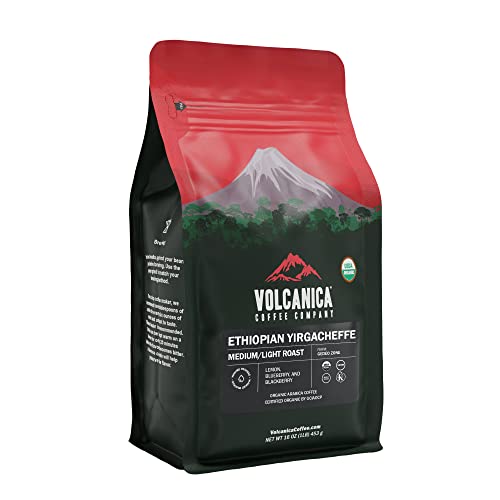
If you’re after a coffee that delivers bright, zesty flavors with a clean finish, Ethiopian Yirgacheffe Organic Coffee Beans are your best bet-especially if you prefer light to medium roasts that highlight complexity over boldness. I source these 100% pure beans from the Yirgacheffe region, and they’re USDA and Kosher certified. You’ll taste lemon, blueberry, and blackberry notes, backed by a medium body and earthy aroma. Mycotoxins and mold are checked twice-before export and on arrival-and every batch is roasted above 400°F to guarantee safety. I pack them whole bean, right after roasting, so you get maximum freshness. You’ll notice the difference in your cup.
Best For: Coffee lovers who enjoy bright, fruity, and complex flavors in a clean, medium-light roast with organic and ethically sourced beans.
Pros:
- Exceptionally vibrant flavor profile with notes of lemon, blueberry, and blackberry
- USDA Organic and Kosher certified, appealing to health-conscious and specialty diets
- Rigorous safety testing for mycotoxins and mold, plus high-temperature roasting for purity
Cons:
- Light roast may lack the boldness preferred by dark roast enthusiasts
- Whole bean format requires grinding equipment for brewing
- Distinctive fruity and acidic notes might not appeal to those who prefer traditional, mellow coffees
GROUNDWORK Ethiopia Organic Light Roast Coffee

I reach for GROUNDWORK Ethiopia Organic Light Roast when I want a coffee that’s true to its roots-clean, bright, and built for clarity. Sourced from Ethiopia, coffee’s birthplace, it’s certified organic, kosher, and non-GMO, with daily batch roasting that guarantees freshness. The beans use both washed and natural processing, giving you citrus and dark fruit notes, plus a touch of milk chocolate. This light roast works well with pour-over or drip methods, highlighting its smooth, complex profile. GROUNDWORK keeps sustainability serious-one of the smallest carbon footprints in the industry-plus Direct Trade practices. It’s reliable, ethical, and consistently good, especially if you value origin integrity and clean taste.
Best For: Coffee lovers who value organic, ethically sourced beans with a clean, bright flavor profile and a connection to coffee’s origins.
Pros:
- Certified organic, kosher, and non-GMO with daily batch roasting for peak freshness
- Complex flavor notes of citrus, dark fruit, and milk chocolate enhanced by dual processing methods
- Sustainably produced with one of the industry’s smallest carbon footprints and Direct Trade practices
Cons:
- Light roast may lack the boldness preferred by fans of darker roasts
- Single-origin profile might be less consistent across batches due to natural variations
- Higher price point typical of certified organic and ethically sourced specialty coffee
Whole Foods Ethiopia Light Roast Coffee

This is the best choice for coffee lovers who want a clean, vibrant cup with bright citrus and berry notes balanced by a smooth cocoa finish. I recommend grinding these Whole Foods 12-ounce whole beans fresh, especially for pour-over or French press-methods that highlight its clarity. Since it’s a light roast, you’ll want to use water just under boiling to avoid bitterness. The beans are ethically sourced, certified by Fair Trade USA or Rainforest Alliance, and roasted in small batches for consistency. Whole Foods bans artificial sweeteners and hydrogenated fats, so you’re getting cleaner ingredients. It’s part of Conservation International’s Sustainable Coffee Challenge, which supports long-term farming health-practical for your kitchen and the planet.
Best For: Coffee enthusiasts seeking a clean, bright, and ethically sourced light roast with vibrant citrus and berry notes balanced by cocoa.
Pros:
- Ethically sourced and certified by Fair Trade USA or Rainforest Alliance
- Whole bean format ensures maximum freshness and flavor
- Part of Conservation International’s Sustainable Coffee Challenge, promoting environmental stewardship
Cons:
- Light roast may lack the boldness preferred by fans of darker roasts
- Requires grinding equipment for optimal brewing methods
- Limited to 12-ounce bag size, which may not suit high-volume consumers
illy Arabica Ethiopia Light Roast Coffee 8.8oz
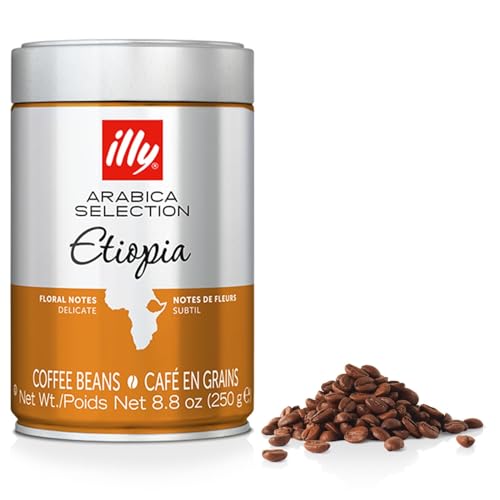
For coffee lovers who want a clean, aromatic cup that highlights the natural floral qualities of single-origin Ethiopian beans, illy Arabica Ethiopia Light Roast Coffee 8.8oz is a solid choice. I’ve found it consistently delivers delicate jasmine notes, thanks to a light roast that preserves the bean’s inherent character. Illy uses only 1% of the world’s finest Arabica beans, sorted rigorously to remove flaws. Sourced from sustainable farms, it supports ethical growing without compromising quality. Their pressurized can, filled with inert gas, locks in freshness far better than bags. For best results, grind just before brewing and use a pour-over or drip machine.
Best For: Coffee enthusiasts seeking a high-quality, single-origin light roast that highlights delicate floral notes and ethical sourcing.
Pros:
- Exceptional aroma and flavor with distinct jasmine notes preserved by light roast
- Sourced from the top 1% of Arabica beans with rigorous quality control
- Sustainably farmed and packaged in pressurized cans for superior freshness
Cons:
- Higher price point compared to standard coffee brands
- Light roast may lack the boldness preferred by dark roast drinkers
- Limited availability outside specialty retailers or online channels
Ethiopian Yirgacheffe Coffee 2 lb Whole Bean

When you want a clean, vibrant cup with bright citrus notes and a smooth honey-like sweetness, Ethiopian Yirgacheffe Kochere is a top pick for coffee lovers who appreciate single-origin beans with distinct African character. I choose this 2 lb whole bean option because it’s sustainably sourced, kosher certified, and roasted in a low-emission Loring roaster. The Heirloom varietal is wash-processed and sun-dried, delivering consistent quality. Medium roast levels balance acidity and body well. It works in drip machines, pour-over, or French press without fuss. If you prefer light, nuanced flavors over bold intensity, this bean’s lemon and honey profile fits perfectly. Bigger bags save cost over time, but you’ll need to store them in an airtight container away from light to keep freshness. Smaller roasts may stale slower if you brew infrequently, but this size suits daily drinkers who value convenience and economy without sacrificing origin clarity.
Best For: Daily coffee drinkers who value sustainably sourced, single-origin beans with bright, nuanced flavors and want a cost-effective, larger-sized bag.
Pros:
- Distinctive flavor profile with vibrant lemon and honey notes, ideal for those who enjoy light to medium roasts
- Sustainably sourced and kosher certified, roasted in an eco-friendly Loring roaster to reduce carbon footprint
- Versatile brew compatibility-excellent in drip machines, pour-over, and French press
Cons:
- Larger 2 lb size may lead to flavor degradation if not stored properly or used quickly
- Bright acidity may not appeal to those who prefer bold, dark roast profiles
- Whole bean requires grinding equipment, which may be inconvenient for some users
Organic Ethiopian Yirgacheffe Ground Coffee 12 oz

Fresh roasted and certified organic, Ethiopian Yirgacheffe delivers a bright, clean cup that tea lovers will appreciate for its citrus clarity and lean body. I use the 12 oz ground version daily, and it works well across brewers-drip, pour over, Aeropress, even French press. The grind is consistent, never too fine or coarse, which helps extraction. You’ll taste tangerine and lime up front, with a finish like lemon tea. It’s USDA Organic, Fair Trade, and OU Kosher certified, and third-party tested-no mold, mycotoxins, or pesticides. If you value purity and brightness, this coffee’s a solid, no-fuss choice.
Best For: Tea lovers and coffee drinkers who appreciate bright, citrusy notes and a clean, light-bodied cup with certified purity and versatile brewing compatibility.
Pros:
- USDA Organic, Fair Trade, and OU Kosher certified, ensuring ethical and safe production
- Vibrant flavor profile with distinct tangerine, lime, and lemon tea notes and balanced acidity
- Pre-ground consistency suits multiple brewing methods including drip, pour over, Aeropress, and French press
Cons:
- Light body and high acidity may not appeal to those who prefer bold, rich, or dark roast profiles
- Pre-ground format limits freshness compared to whole bean options
- Limited origin complexity for advanced coffee connoisseurs seeking deeper terroir expression
Orinoco Ethiopian Yirgacheffe Medium Roast Coffee

Orinoco’s Ethiopian Yirgacheffe Medium Roast stands out for coffee lovers who prioritize origin authenticity and consistent freshness in their daily brew. I source my beans from Yirgacheffe, Ethiopia-where Arabica began-so you get true-to-origin flavor. I roast in small batches to order, which locks in freshness and guarantees each bag tastes the same, cup after cup. You’ll find bright, fruity notes with a smooth, aromatic finish, thanks to the medium roast that preserves the bean’s natural character. The 2.5 lb resealable E-Zip foil bag keeps flavors fresh even after opening, ideal for bulk use. Store it in a cool, dark place, and you’ll get the best from each whole bean brew.
Best For: Coffee enthusiasts who value authentic, origin-specific Arabica beans and consistent freshness in bulk whole bean coffee.
Pros:
- Sourced from Yirgacheffe, Ethiopia-the birthplace of Arabica-for true-to-origin flavor
- Small-batch roasted to order, ensuring peak freshness and flavor consistency
- Packaged in a resealable 2.5 lb E-Zip foil bag to preserve freshness after opening
Cons:
- Larger 2.5 lb size may not suit individual or infrequent coffee drinkers
- Whole bean format requires grinding equipment for brewing
- Limited to medium roast preference, which may not appeal to dark roast lovers
Organic Ethiopian Yirgacheffe Coffee (12 oz)

If you’re after a coffee that delivers clean, bright flavor without compromise, Organic Ethiopian Yirgacheffe (12 oz) stands out as a top pick among light-roast specialty beans. I trust this USDA Organic, Fair Trade, and OU Kosher–certified coffee because it’s third-party tested and free of mold, mycotoxins, and pesticides. Its sweet, mild profile features tangerine and lime notes with a clean, lemon-tea finish-ideal for pour over or drip. Whole bean lets you grind fresh, but it’s also available pre-ground. It works in any setup: Aeropress, French press, espresso, or moka pot. I’ve found it brews best with filtered water and a consistent grind.
Best For: Coffee lovers seeking a clean, bright, and ethically sourced light roast with vibrant citrus notes and guaranteed purity.
Pros:
- USDA Organic, Fair Trade, and OU Kosher certified, ensuring ethical and quality standards
- Third-party tested and confirmed free of mold, mycotoxins, and pesticide residues
- Versatile brewing compatibility with pour over, drip, Aeropress, French press, espresso, and more
Cons:
- Light roast may not appeal to those who prefer bold, dark coffee flavors
- Whole bean requires a grinder for optimal freshness, which may be inconvenient for some
- Higher price point compared to conventional, non-specialty coffee brands
Ethiopian Yirgacheffe Organic Coffee Ground 16 oz
When you’re after a coffee that balances brightness with smooth complexity, Ethiopian Yirgacheffe Organic Coffee Ground 16 oz stands out as a top pick for those who appreciate clean, expressive flavors rooted in origin integrity. I trust this medium/light roast for its bright acidity and medium body, with clear notes of lemon, blueberry, and blackberry. It’s USDA Organic and Fair Trade certified, sourced straight from Yirgacheffe. Each batch is tested for mold and mycotoxins, roasted above 400°F for safety, and sealed fresh to lock in quality. The 16-oz size suits drip brewers or French presses, lasting about two weeks once opened if stored in an airtight container away from light.
Best For: Discerning coffee lovers who value organic, ethically sourced beans with bright, fruity flavors and a clean, complex profile.
Pros:
- Distinctive flavor notes of lemon, blueberry, and blackberry with a smooth, medium body and bright acidity
- USDA Organic and Fair Trade certified, ensuring ethical and sustainable sourcing
- Rigorous safety testing for mold and mycotoxins, with high-temperature roasting for added quality assurance
Cons:
- Ground format reduces shelf life compared to whole bean, requiring prompt use for optimal freshness
- Pronounced acidity may not appeal to those who prefer bold, dark, or mellow brews
- Limited to 16-oz packaging, which may require frequent reordering for heavy coffee drinkers
Ethiopia Yirgacheffe Light Roast Coffee Beans

The Ethiopia Yirgacheffe Light Roast from Coffee Bean & Tea Leaf stands out for coffee lovers who prioritize bright, nuanced flavors and single-origin transparency. I get my beans from small farms high in the Sidamo mountains, using only the top 1% of specialty-grade Arabica. The light roast brings out an intensely floral aroma and a smooth, mellow taste you won’t find in darker blends. I’m sold as whole beans, so I’ll need to grind them fresh for ideal flavor-ideal for pour-over or drip at home, work, or on the go. You can also get me ground or in capsules if convenience matters more.
Best For: Coffee enthusiasts who appreciate bright, floral notes and single-origin transparency from high-quality, specialty-grade Arabica beans.
Pros:
- Exceptionally aromatic with a bright, floral profile due to expert light roasting
- Sourced from the top 1% of specialty-grade Arabica beans from small Ethiopian farms
- Versatile format options including whole bean, ground, and single-serve capsules
Cons:
- Whole bean format requires grinding for optimal freshness, which may be inconvenient for some
- Light roast may lack the boldness preferred by fans of darker coffee profiles
- Limited origin availability may affect consistent supply
Factors to Consider When Choosing Coffee Ethiopia
You’ll want to take into account the origin and region, since beans from Yirgacheffe often taste floral and bright while those from Sidamo can be smoother and more balanced. Think about roast level and processing method-washed coffees are cleaner, while naturals are fruitier, and light roasts preserve more of the bean’s original character. Don’t overlook certifications like Fair Trade or Organic, and always check the flavor notes on the bag to match the coffee to your taste.
Origin And Region
Ethiopia’s coffee legacy starts with its terrain, where wild Arabica plants have thrived for centuries in forested highlands. You’ll find that origin directly shapes flavor, and Ethiopian beans are no exception. When you choose coffee from Yirgacheffe, expect bright citrus and floral notes-its elevation and soil deliver clean, complex cups. Sidamo offers a softer profile, often with berry and fruit tones, while Harrar leans earthy with blueberry depth, best for those who prefer bold, natural-process beans. Limu brings balanced spice and sweetness, ideal for pour-over or French press. Most Ethiopian coffee grows between 1,500 and 2,200 meters, boosting acidity and clarity. You’re also tasting heirloom varietals-untamed, diverse plants that add nuance but can vary crop to crop. Knowing the region helps you pick what suits your brew method and palate.
Roast Level
While roast level doesn’t change the origin flavors of Ethiopian beans, it does shape how you experience them. You’ll want to choose based on the traits you prefer. Light roasts preserve delicate floral and citrus notes, boost bright acidity, and highlight tea-like complexity-ideal if you love vibrant, origin-driven cups. Roast temperatures above 400°F also guarantee safety by killing mold and mycotoxins, so even light roasts are safe when properly processed. Medium roasts offer a fuller body with rounded acidity, bringing out fruity or winy tones while taming more fragile aromas. They strike a balance that’s easier to drink for those who find light roasts too sharp. If you want clarity and terroir expression, go light. For a smoother, more mellow profile, pick medium. Avoid dark roasts-they mask the unique traits that make Ethiopian coffee stand out.
Certifications
If you’re looking to make informed choices about Ethiopian coffee, certifications can help verify key aspects of how the beans were grown, processed, and traded. The USDA Organic label means no synthetic pesticides or fertilizers were used, following strict federal rules. Fair Trade certification guarantees farmers get fair pay and safe working conditions, plus community development funds. If you follow dietary laws or value strict processing oversight, Kosher certification shows equipment and ingredients meet these standards. Non-GMO certification confirms the beans weren’t genetically modified, aligning with natural-growing preferences. Rainforest Alliance certification supports shade-grown farming, biodiversity, and land conservation-great if sustainability matters to you. While not all certifications guarantee taste quality, they offer transparency and ethical assurance. Pick based on your priorities: fairness, purity, ecology, or diet. Each label gives you a clearer picture of what’s behind your cup.
Flavor Notes
When selecting an Ethiopian coffee, pay close attention to its flavor notes, as they’re shaped by altitude, processing, and bean variety. You’ll often taste bright citrus-like lemon or tangerine-paired with berry tones such as blueberry or blackberry, especially in beans from high elevations. These high-altitude regions slow bean growth, boosting sugar development and intensifying flavor clarity. Expect floral hints like jasmine, particularly in lighter roasts that preserve aromatic complexity. Many Ethiopian coffees also carry wine-like depth, with layers of dried fruit, subtle honey sweetness, and tea-like finishes, thanks to native heirloom varietals. If you prefer vibrant, clean profiles, look for pronounced acidity and floral notes; if you enjoy bolder fruitiness, richer tones are likely. Keep in mind that roast level affects how these notes emerge-too dark, and you’ll lose detail. Choose based on the characteristics you want in your cup.
Processing Method
Since the way coffee is processed shapes its final taste more than most people realize, you’ll want to pay close attention to this step when choosing Ethiopian beans. If you prefer clean, bright cups with crisp acidity, go for washed process coffees-they ferment without fruit, then sun-dry on raised beds, giving you more clarity and consistency. For bold sweetness and fruity intensity, natural process delivers richer body and complex fermented notes, though inconsistency and mold risk increase if drying isn’t carefully managed. Honey process strikes a balance, leaving some mucilage on during drying to boost sweetness while keeping moderate acidity. All methods rely heavily on controlled sun-drying; frequent bean turning and moisture protection are critical. Your taste preference guides the choice: washed for precision, natural for depth, honey for middle ground. Know the trade-offs-each method affects flavor, texture, and cup stability differently.
Freshness And Packaging
Though flavor begins the moment beans hit the roaster, how they’re packaged decides how much of that quality reaches your cup. You’ll want small-batch roasted Ethiopian coffee sealed right away in light-resistant, foil-lined bags with degassing valves-this preserves the delicate aromas, especially in light roasts where volatile compounds break down fast. Opt for pressurized canisters flushed with inert gas if you can; they slow oxidation and extend freshness longer than standard bags. Always choose whole bean over pre-ground. The smaller surface area keeps flavors intact by reducing exposure to oxygen, moisture, and heat. Once opened, reseal the bag tightly after each use to limit air exchange. Don’t store coffee in the fridge-moisture ruins it. A cool, dark pantry is better. Good packaging isn’t just marketing-it’s your best tool for a bright, true-to-origin brew every time.
Frequently Asked Questions
What Makes Ethiopian Coffee Different From Other Regions?
You’ll find Ethiopian coffee stands out because it’s often naturally processed, giving it bright, fruity, floral notes others lack. Most beans are heirloom varieties grown at high altitudes, contributing to complex acidity and aroma. Unlike Brazilian or Vietnamese robusta-heavy production, Ethiopia focuses on arabica, typically sun-dried or washed. This creates cleaner, more nuanced cups. If you’re after vibrant, tea-like profiles, Ethiopian beans offer something unique you won’t get from darker, earthier regional styles.
Is Ethiopian Yirgacheffe Coffee Naturally Processed or Washed?
You’ll find Ethiopian Yirgacheffe coffee processed both ways-naturally and washed-so it depends on the batch. Washed versions give you brighter acidity and cleaner taste, ideal for pour-over brewing. Natural processing delivers fruitier, heavier body, better for those who enjoy complexity. Many specialty roasters list the method on the bag, so check the label. For clarity and balance, go washed; for bold, wine-like notes, choose natural. Your brew method matters too-match it to your taste.
Can I Use Ethiopian Light Roast for Espresso?
Yes, you can use Ethiopian light roast for espresso, but it’s tricky. Light roasts have higher acidity and less body, which might make the shot taste sour or thin if not pulled right. You’ll need to adjust your grind finer, use a higher dose, and maybe extend the shot time. Try beans like Yirgacheffe or Sidamo-look for fruity, floral notes. Pre-infusion on your machine helps. Not ideal for beginners, but it works with the right setup and tweaks.
Why Is Ethiopian Coffee Often More Expensive?
You’ll pay more for Ethiopian coffee because it’s often single-origin, shade-grown, and hand-harvested, which increases labor costs. Many farms are small, limiting economies of scale. Washed and specialty-grade beans require precise processing, raising prices. Plus, high global demand for its bright, fruity profiles lets producers charge a premium. If you want savings, try blends or commercial-grade lots-but expect less complexity in your cup.
Does Ethiopian Coffee Have More Caffeine Than Other Beans?
You might think Ethiopian coffee has more caffeine, but it doesn’t inherently. Caffeine levels depend more on bean type and roast than origin. Arabica, common in Ethiopia, has less caffeine than Robusta. Light roasts retain slightly more caffeine than dark, but the difference is minimal. If you’re after stronger kicks, consider Robusta blends instead. For daily cups, Ethiopian beans offer complexity, not extra punch.