Best Espresso Beans That Perfectly Complement Your Breville Machine
Use freshly roasted, high-quality beans like Lavazza Super Crema for rich crema and nutty sweetness, or Illy Classico for balanced caramel and floral notes that work well in your Breville. Opt for medium to dark roasts with whole beans to control grind size and preserve freshness. Blends with Robusta, such as Lavazza Crema E Aroma, boost crema thickness and mask minor extraction errors. Store beans airtight away from light and grind just before brewing for ideal flavor-consistent results start with proper bean selection and handling.
We are supported by our audience. When you purchase through links on our site, we may earn an affiliate commission, at no extra cost for you. Learn more. Last update on 14th June 2026 / Images from Amazon Product Advertising API.
Notable Insights
- Lavazza Super Crema delivers rich crema and balanced sweetness, making it ideal for daily use in Breville espresso machines.
- Illy Classico’s 100% Arabica beans offer a smooth, aromatic profile with caramel and floral notes, perfect for Breville machines that favor medium roasts.
- Death Wish Coffee provides a bold, chocolatey dark roast that pulls cleanly in Breville machines without excessive bitterness.
- Gaviña Old Havana Espresso features nutty, citrusy notes and forgives minor tamping inconsistencies, suiting beginner to intermediate Breville users.
- Blue Bottle Organic Dark Roast offers fresh, small-batch beans with a smooth, full body, excelling in milk-based drinks on Breville machines.
Lavazza Super Crema Whole Bean Coffee (2.2 lb)
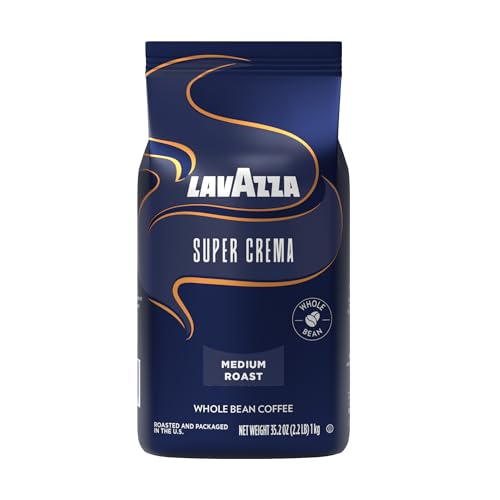
If you’re using a Breville machine and want a consistent, smooth espresso with rich crema, Lavazza Super Crema Whole Bean Coffee is a solid choice-especially if you prefer a medium roast with a balanced, approachable flavor. I’ve found it works well when ground fresh, delivering a full-bodied shot with a creamy finish and subtle notes of hazelnut and brown sugar. The blend of Arabica and Robusta beans from 15 countries guarantees stability in taste and texture. I use 0.28 oz per 1 oz shot, which aligns with standard espresso specs. It’s not overly complex, but it’s reliable-ideal for daily use.
Best For: Espresso lovers who want a smooth, consistent, and approachable medium roast with rich crema, especially those using home machines like Breville.
Pros:
- Balanced, full-bodied flavor with a creamy finish and pleasant notes of hazelnut and brown sugar
- Ideal for daily espresso with a reliable blend of Arabica and Robusta beans from 15 countries
- Freshly ground whole beans deliver optimal crema and aroma, meeting standard 0.28 oz to 1 oz shot ratio
Cons:
- Flavor profile is not complex or distinctive, better suited for casual rather than specialty coffee drinkers
- Large 2.2 lb bag may not be ideal for those who prefer smaller batches to maintain freshness
- May require precise grinding and tamping to avoid over-extraction due to its fine espresso suitability
Lavazza Espresso Whole Bean Coffee (2.2 lb)
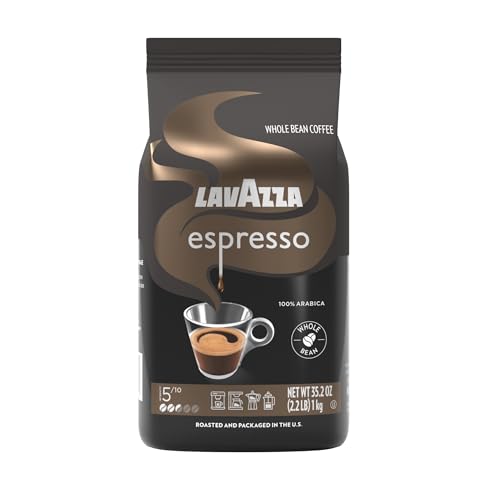
This 2.2 lb bag of Lavazza Espresso Whole Bean Coffee stands out for Breville machine users who want a consistent, medium-roast espresso with balanced sweetness and aroma without needing to repurchase frequently. I use it for daily shots, and it delivers a smooth 5/10 intensity-strong enough for espresso, mild enough to avoid bitterness. The 100% Arabica blend, sourced from South America and Africa, gives floral and fruity notes you can actually taste. It works well in my Breville, but I’ve also used it in a moka pot or drip brewer with solid results. Since it’s processed in coffee-only facilities, there’s no cross-contamination, which matters if you’re sensitive to impurities. Compared to lighter roasts, this one holds its flavor longer once opened-just store it in an airtight container away from light. It’s not the cheapest, but the bulk size saves money over time.
Best For: Breville machine users seeking a consistent, medium-roast espresso with balanced sweetness and aromatic depth in a large, cost-effective 2.2 lb bag.
Pros:
- Delivers a smooth, balanced 5/10 intensity with distinct floral and fruity notes from 100% Arabica beans
- Versatile across brewing methods including espresso machines, moka pots, drip coffee makers, and French press
- Packaged in coffee-only facilities to prevent cross-contamination, ideal for those sensitive to impurities
Cons:
- Higher upfront cost compared to smaller coffee bags, despite long-term savings
- Medium roast may lack the boldness preferred by fans of darker, more intense espressos
- Requires proper storage in an airtight container to maintain freshness after opening
Lavazza Espresso Barista Gran Crema Coffee Blend

Lavazza Espresso Barista Gran Crema hits the sweet spot if you’re running a Breville machine and want a rich, balanced espresso without leaning too bitter or too light. I find its medium roast and 7/10 intensity deliver full-bodied flavor with a velvety mouthfeel-no harshness, just depth. Notes of honey, dark chocolate, and spice come through cleanly, thanks to slow-roasting Arabica from Brazil and Honduras plus African Robusta. It pulls well on my Breville, but also works in moka pots, drip, or French press. The 2.2 lb bag lasts a while, and Lavazza’s 125+ years of blending know-how show in consistency.
Best For: Coffee enthusiasts with espresso machines like Breville who seek a rich, balanced, and full-bodied espresso with nuanced flavor and minimal bitterness.
Pros:
- Smooth, velvety texture with well-balanced notes of honey, dark chocolate, and spice
- Versatile blend suitable for espresso, moka pot, drip, and French press
- Consistently high quality backed by Lavazza’s 125+ years of roasting expertise
Cons:
- Medium roast may not satisfy those seeking a bolder, darker roast intensity
- Whole beans require a good grinder for optimal espresso extraction
- Packaging varies and may lack resealability, affecting freshness over time
Lavazza Espresso Whole Bean Coffee, Medium Roast, 100% Arabica, 2.2 lb Bag

A medium roast with a balanced 5/10 intensity makes Lavazza Espresso Whole Bean Coffee a solid pick for Breville machine owners who want a smooth, aromatic shot without the bitterness often tied to darker roasts. I find its 100% Arabica blend-sourced from South America and Africa-delivers bright, clear notes of fruit and flowers that stand out without overpowering. It’s naturally caffeinated and works well in my espresso machine, but I’ve also used it in a moka pot and French press with good results. The 2.2 lb bag keeps me stocked for weeks, and since it’s just pure coffee in packaging made for coffee-only production, I don’t worry about contaminants.
Best For: Breville machine owners and coffee lovers seeking a smooth, aromatic medium roast with bright floral and fruit notes.
Pros:
- 100% Arabica beans sourced from South America and Africa deliver a clean, naturally caffeinated, and flavorful cup
- Versatile preparation methods including espresso, moka pot, French press, and drip coffee machines
- Medium roast with a 5/10 intensity offers a balanced, sweet, and fragrant profile without bitterness
Cons:
- Large 2.2 lb bag may not be ideal for those who prefer buying smaller quantities to ensure freshness
- Whole beans require grinding, which may be inconvenient for some users
- Aromatic fruity and floral notes may not appeal to those who prefer bold, dark roast flavors
Lavazza Super Crema Whole Bean Coffee 22 oz
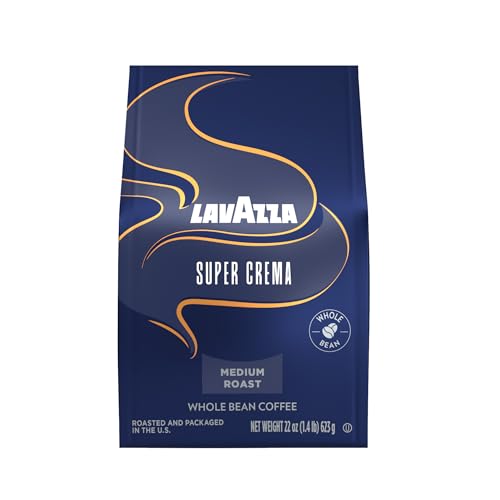
For those who want a smooth, consistently rich espresso with a velvety crema without needing to fine-tune their grind or dose, Lavazza Super Crema Whole Bean Coffee is a reliable go-to. I use 0.28 oz of this medium roast for every 1 oz shot, and it pulls evenly in my Breville. The blend of Arabica and Robusta beans from 15 countries gives it a full body, bold taste, and a creamy finish with hints of hazelnut and brown sugar. It’s naturally caffeinated and contains only coffee-no additives. Since it’s made in dedicated facilities, cross-contamination isn’t a concern. While it’s not a single-origin, its balance works well daily.
Best For: Espresso lovers seeking a smooth, consistent, and creamy shot with minimal tuning, ideal for daily use in home or office machines.
Pros:
- Balanced medium roast with a rich crema, full body, and pleasing notes of hazelnut and brown sugar
- Blend of Arabica and Robusta from 15 countries ensures consistent flavor and bold character
- Produced in dedicated facilities with no additives, reducing risk of cross-contamination
Cons:
- Not a single-origin coffee, limiting traceability and terroir-specific flavor exploration
- Whole beans require grinding just before use for optimal freshness, adding a step for convenience seekers
- May be too mild for those preferring a darker, more intense roast profile
Blue Bottle Organic Dark Roast Coffee

If you’re running a Breville espresso machine and want a dark roast that pulls consistently rich shots without overpowering sweetness, Blue Bottle’s Organic Dark Roast is built for your setup. I use their 12 oz whole beans because they’re roasted in small batches for freshness, and the blend delivers bold, chocolatey notes with a smooth, full body-perfect for espresso. It works especially well in milk drinks like lattes. Sourced from certified organic farms in Latin America and Central Africa, the beans meet high sustainability standards. While pricier than mass-market options, they’re reliable and specialty-grade. I also appreciate that they pull cleanly in my Breville without excessive bitterness.
Best For: Espresso lovers who prioritize fresh, specialty-grade organic beans with bold, chocolatey flavor and consistent performance in milk-based drinks.
Pros:
- Rich, full-bodied dark roast with sweet, chocolatey notes ideal for espresso and lattes
- Sustainably sourced from certified organic farms in Latin America and Central Africa
- Small-batch roasted for peak freshness and reliable extraction in espresso machines
Cons:
- Pricier than conventional supermarket dark roast options
- Flavor profile may be too bold for those preferring lighter or more nuanced roasts
- Limited to whole beans, requiring a grinder for optimal espresso preparation
Gaviña Old Havana Espresso 32 oz

One of the best choices for a Breville machine, especially if you prefer a balanced, full-bodied espresso without overpowering bitterness, is the Gaviña Old Havana Espresso 32 oz. I use 100% Arabica beans roasted to medium-dark, giving you rich aroma and authentic Latin character. You’ll notice nutty sweetness with a hint of citrus and a smooth finish-ideal for daily shots or milk drinks. I’m sold whole bean to keep freshness, so grinding right before brewing delivers the best flavor. I’m roasted in Los Angeles at a zero-waste facility, part of Gaviña’s Direct Impact Initiative for ethical sourcing. With over 140 years of family roasting heritage, I’m a reliable pick for consistent, quality espresso.
Best For: Espresso lovers seeking a balanced, full-bodied brew with nutty sweetness and smooth finish, ideal for daily use in espresso machines, moka pots, or milk-based drinks.
Pros:
- Made from 100% Arabica beans with a medium-dark roast for rich flavor and authentic Latin espresso character
- Whole bean format preserves freshness, delivering optimal taste when ground before brewing
- Ethically sourced and sustainably produced at a zero-waste-to-landfill facility in Los Angeles
Cons:
- Whole bean requires a grinder, which may be inconvenient for those without brewing equipment
- Subtle citrus notes may not appeal to those preferring bold, traditional espresso profiles
- Larger 32 oz bag size may not be ideal for infrequent espresso drinkers concerned about staling
Illy Classico Whole Bean Coffee (8.8 oz)

The Illy Classico Whole Bean Coffee (8.8 oz) is a solid choice if you want a consistently smooth espresso with minimal effort and a machine like a Breville that handles medium roasts well. I use it because it’s made from 100% Arabica beans, carefully selected from the top 1% globally, and roasted to bring out balanced notes of caramel, orange blossom, and jasmine. Illy’s pressurized canning keeps the beans fresh by blocking oxygen, so you get a reliable flavor every time. It’s not the cheapest, but if you value consistency and quality without fussy brewing, this one delivers.
Best For: Coffee lovers seeking a consistently smooth, medium-roast espresso with minimal brewing fuss and a reliable machine like a Breville.
Pros:
- Made from 100% Arabica beans, with only the top 1% globally selected for quality and flavor
- Patented pressurized canning preserves freshness and aroma by preventing oxidation
- Balanced flavor profile with notes of caramel, orange blossom, and jasmine for a refined espresso experience
Cons:
- Higher price point compared to many other whole bean coffees
- May be too mild for those who prefer dark or bold roasts
- Limited origin diversity in flavor due to consistent blend formulation
Lavazza Crema E Aroma Whole Bean Coffee
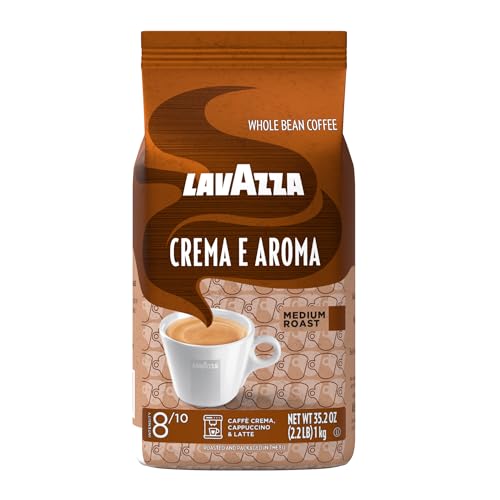
Lavazza Crema E Aroma Whole Bean Coffee stands out for Breville machine owners who want a balanced, full-bodied espresso without the fuss of high-maintenance beans. I use this blend because it’s consistent and forgiving, with a medium roast (8/10 intensity) that pulls well even if your grind or tamp isn’t perfect. It’s a mix of Arabica and Robusta beans from South America, Africa, and Asia, giving it a smooth, earthy taste with clear chocolate notes and a rich, lasting crema. The non-GMO beans are processed in coffee-only facilities, reducing contamination risks. While it works in drip or French press, I recommend it for espresso or moka pot use-where its depth really shows.
Best For: Home baristas using Breville or similar espresso machines who want a consistent, easy-to-brew medium roast with rich crema and chocolatey notes.
Pros:
- Delivers a smooth, balanced flavor with notable chocolate notes and a long-lasting crema
- Forgiving grind and tamp tolerance, ideal for espresso beginners or daily use
- Sourced from a blend of Arabica and Robusta beans processed in dedicated coffee-only, non-GMO facilities
Cons:
- Robusta content may introduce a slightly bitter edge for those sensitive to its taste
- Less nuanced compared to single-origin or specialty light roasts
- Best suited for espresso or moka pot; doesn’t showcase full complexity in drip or French press
Starbucks Espresso Roast Whole Bean Coffee
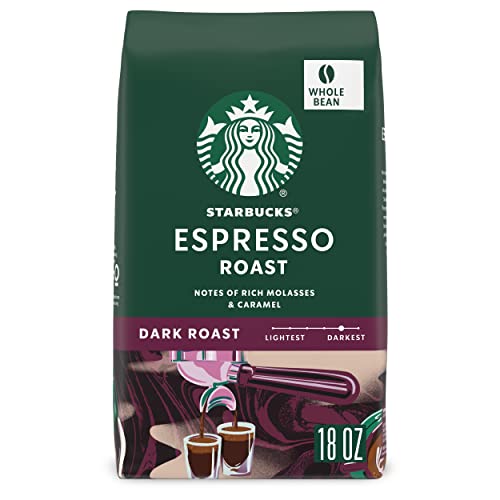
If you want the same dark, bold espresso used in Starbucks cafes worldwide, then Starbucks Espresso Roast Whole Bean Coffee is your go-to choice for a Breville machine. I’ve used it myself, and it delivers rich molasses and caramelly sweetness with every shot. It’s a 100% Arabica blend, dark-roasted for consistency, and unchanged since 1975. You’re getting the exact beans Starbucks uses, so quality and freshness are reliable. While it’s ideal for espresso, I’ve also brewed it as drip or French press with solid results. Just grind fresh. Whole beans give you control. The ethical sourcing through Conservation International adds value. Nestlé markets it under license, but the brand standard holds.
Best For: Coffee lovers seeking a bold, dark-roast espresso with rich sweetness and consistent quality, especially those using home machines like Breville.
Pros:
- Delivers the same high-quality, dark-roasted espresso blend used in Starbucks cafes worldwide
- 100% Arabica beans with rich molasses and caramelly sweetness, ideal for espresso and versatile across brewing methods
- Ethically sourced through partnership with Conservation International, ensuring sustainability and freshness
Cons:
- Dark roast may be too intense for those preferring lighter, more nuanced coffee profiles
- Whole bean format requires a grinder for optimal freshness, adding extra effort and equipment
- Priced higher than many supermarket coffee options due to brand and sourcing standards
Factors to Consider When Choosing Espresso Beans for Breville
You’ll want to match the roast level to your Breville’s capabilities-most models handle medium to dark roasts best for rich, balanced shots. Fresh beans matter more than you might think, so always check roast dates and aim to use them within 2–4 weeks for peak flavor and crema. From there, tweak your grind size and dose to dial in the shot, keeping your flavor preferences and desired crema in mind as you go.
Roast Level Compatibility
While light roasts can bring out bright, acidic notes, they often don’t perform well in Breville espresso machines due to their high density and moisture content, which can lead to under-extraction and sour-tasting shots. You’ll get better results with medium to dark roasts, which are more soluble and extract evenly in the short brew cycle. Aim for a roast level between 5/10 and 8/10-this range balances rich flavor, smooth body, and just enough bitterness without charring the beans. Darker roasts also have more surface oil and lower acidity, helping you pull shots with steady crema and full-bodied taste. Their brittleness grinds more consistently in Breville’s built-in grinder, improving extraction. Just avoid overly dark roasts, as they can clog grinders or taste flat. For reliable performance and classic espresso flavor, choose beans labeled as espresso roasts or medium-dark whole beans from roasters like Lavazza, Illy, or Onyx.
Bean Freshness Importance
Since espresso extraction concentrates every aspect of the coffee, using stale beans quickly reveals itself in flat, lifeless shots with thin crema and muted flavor. You need fresh beans because aromatic compounds and volatile oils start fading within 7–10 days of roasting. Espresso is more sensitive than other methods, so even slight staling affects balance and intensity. For best results, use beans between 5 and 21 days post-roast-early enough to retain vibrant flavor, late enough to allow proper degassing. Store your beans in an airtight container away from light, heat, and moisture to slow oxidation. Always grind whole beans just before pulling a shot; pre-ground coffee loses freshness fast. Buying smaller batches more frequently guarantees you’re always working with peak-quality beans. Your Breville deserves that edge in consistency and flavor.
Grind Size Optimization
Getting the right grind size is critical for pulling balanced espresso shots on your Breville, and starting with the correct setting makes all the difference. Espresso needs a fine grind-usually 0.5–1.5 mm-so water extracts evenly under 9–15 bars of pressure. If the grind’s too coarse, your shot runs fast and tastes sour; too fine, and it drags, turning bitter. Your Breville’s pump pressure and portafilter basket work best when grind size matches your dose (aim for 18–20g) and tamping pressure. Freshly grinding right before brewing guarantees consistent particles and prevents channeling. Pre-ground beans won’t cut it-they lose uniformity and freshness. Use a quality burr grinder to fine-tune between settings. Adjust incrementally: even one notch changes flow rate. The goal is a 25–30 second shot with even drainage. Match the bean’s density to your grind-darker roasts often need slightly coarser settings.
Crema Quality Expectations
Freshly roasted beans make all the difference when you’re chasing a rich, long-lasting crema on your Breville. The natural oils and soluble solids that create crema degrade fast, so beans roasted within the past two to three weeks work best. You’ll get better results with blends that include Robusta-its higher lipid content boosts crema stability and thickness compared to pure Arabica. Look for beans roasted specifically for espresso, as they retain more gas, which helps produce a fuller crema under 9 bars of pressure. Avoid over-roasted or super dark beans; they often yield thin, uneven crema with a burnt look due to degraded oils. Pair fresh, well-roasted beans with the right grind and your Breville’s consistent pressure, and you’ll pull shots with golden, persistent crema that lasts well past two minutes.
Flavor Profile Preferences
You’ve got the crema dialed in-now it’s time to match that visual gold with a flavor profile that suits your taste. If you love chocolate, caramel, or nutty notes, go for medium to dark roasts-they bring out sweetness and body while reducing acidity. Beans from Latin America often deliver these flavors, especially in medium roasts that preserve subtle aromatics like brown sugar or toasted almonds. Prefer bold, intense shots? Darker roasts with molasses, roasted cocoa, or smoky depth work well, though they can mute origin character. For fruitier, brighter espressos, try light to medium roasts from Africa-expect berry or citrus hints, but note they may lack body. Blends with earthy, spicy, or honey-like notes often give longer flavor persistence. High-intensity roasts build robustness; low-intensity ones suit delicate palates. Match the bean to your preferred balance-sweetness, acidity, and bitterness all matter.
Brew Temperature Alignment
While your Breville machine heats up, keep in mind that the roast level of your beans should align with its temperature range for ideal extraction. Most Breville models brew between 195°F and 205°F, the sweet spot for balanced espresso. Lighter roasts need hotter water to extract fully-under 200°F may leave them sour. Dark roasts, being more soluble, can turn bitter if brewed too hot. Beans labeled “espresso roast” are designed for this standard range and usually extract cleanly on default Breville settings. If your machine allows temperature adjustment-like the Dual Boiler or Oracle-you can fine-tune for specific beans: dial down for dark roasts, up for light or dense single origins. Consistency matters, especially with fine espresso grind. Matching bean type to your machine’s thermal performance guarantees even extraction, better crema, and flavor clarity-no guesswork needed.
Dose And Yield Balance
Getting the most from your Breville machine means matching your beans to the right dose and yield, not just the right temperature. You should use 18–20 grams of finely ground coffee, aiming for a 36–40 gram output in 25–30 seconds. That 1:2 ratio gives a balanced shot with sweetness, acidity, and body. If your espresso tastes sour, your grind’s likely too coarse-make it finer. If it’s bitter, your grind’s too fine-adjust coarser. Weigh both dose and yield using a precision scale; it’s the only way to track changes and repeat good results. An inconsistent dose or uneven puck can cause channeling, where water bypasses the coffee, ruining extraction. Stick to consistent weighing and grinding, and you’ll dial in faster. Freshly roasted beans respond better to these adjustments, so pick a quality blend built for espresso.
Tamping Pressure Consistency
Tamping with consistent pressure is critical for pulling balanced shots from your Breville machine. Aim for 30–40 pounds of force-too little causes over-extraction, too much leads to under-extraction. Uneven pressure creates channeling, where water exploits weak spots, producing bitter or sour espresso. Use a calibrated tamper with a built-in pressure gauge, like the Pullman Big Step or Reg Barber, to maintain consistency. Apply pressure evenly using your shoulder and arm, not just your wrist, and make certain the coffee bed is level before tamping. Inconsistent tamping throws off extraction time, which should stay between 25–30 seconds for ideal results. While bean freshness and grind matter, your technique must be repeatable. Even the best beans fail with poor tamping. A consistent tamp lets the Breville’s pump and thermostat deliver peak performance. Practice daily, and consider a distribution tool to prep the puck evenly.
Frequently Asked Questions
Can I Use Pre-Ground Beans in My Breville Machine?
You can use pre-ground beans in your Breville machine, but it’s not ideal. Pre-ground loses freshness fast, leading to weaker, less flavorful espresso. For best results, grind beans just before brewing. If you must use pre-ground, pick a fine, consistent grind labeled for espresso and use it quickly. A whole-bean, freshly ground option like Lavazza Super Crema or Illy Classico gives better flavor and crema. Freshness matters most.
How Should I Store Espresso Beans for Freshness?
You should store espresso beans in an airtight container away from light, heat, and moisture. Keep them at room temperature-don’t refrigerate or freeze, since condensation damages flavor. Use the original bag if it has a resealable zipper and degassing valve. For best results, buy whole beans and grind fresh per shot. Stale beans lose aroma and sweetness within days, so avoid bulk purchases.
Do Darker Roasts Work Better for Espresso?
Yes, darker roasts often work better for espresso because they produce a fuller body and lower acidity, which balances well under high pressure. You’ll get rich crema and bold flavors like chocolate or caramel. But they can taste burnt if overdone. Medium-dark roasts, like Italian or Spanish styles, offer a solid middle ground-plenty of depth without losing balance. Try beans labeled “espresso roast” from brands like Lavazza or Death Wish for reliable results.
Are Expensive Beans Worth It for Home Brewing?
Yes, expensive beans can be worth it for home brewing, but only if they’re fresh, well-roasted, and suited to your taste. Specialty beans from roasters like Onyx or Intelligentsia often deliver clearer flavors and better consistency. However, price alone doesn’t guarantee quality-some mid-range beans perform just as well. Always check roast dates and store beans properly. You don’t need the most expensive option, just a good one that matches your machine and preferences.
How Often Should I Clean My Breville After Use?
You should clean your Breville after every use to prevent coffee residue from affecting flavor and function. Wipe the group head, purge steam wands, and remove leftover grounds right away. Backflush weekly if you use soft water-twice weekly with hard water. Descale monthly, or more if you notice slower heating or pressure drops. These steps keep your machine running smoothly, preserve shot quality, and extend its lifespan. Skip them, and buildup will clog valves and taint espresso over time.