Best Espresso Around the World That Baristas Dream Of
You’ll find baristas chasing the balanced intensity of WBC Espresso by Klatch Coffee-its blend of Ethiopian, Brazilian, and Sumatran beans delivers spice, berry, and dark chocolate in a forgiving, ethically sourced roast that pulls smoothly on lever or semi-automatic machines. While Death Wish offers more caffeine with Robusta, or Lavazza Super Crema brings hazelnut sweetness, few match WBC’s precision. It’s no wonder it’s a staple in specialty cafes. There’s more to explore in what makes a world-class shot truly stand out.
We are supported by our audience. When you purchase through links on our site, we may earn an affiliate commission, at no extra cost for you. Learn more. Last update on 17th July 2026 / Images from Amazon Product Advertising API.
Notable Insights
- WBC Espresso by Klatch Coffee offers a balanced, syrupy shot with notes of berry, citrus, and dark chocolate, favored by baristas for its consistency and depth.
- Lavazza Super Crema creates a creamy, aromatic espresso with hazelnut and brown sugar tones, blending beans from 15 countries for a globally inspired profile.
- Single-origin specialty beans from Atlas Coffee Club highlight terroir-driven flavors, with rotating high-elevation lots that excite baristas seeking unique, nuanced shots.
- Death Wish Coffee’s high-caffeine blend of Arabica and Robusta delivers intense flavor and bold crema, appealing to baristas who value strength and complexity.
- Ethical sourcing and peak-flavor roasting, as seen in Klatch and Atlas Coffee, reflect barista ideals of sustainability, freshness, and respect for origin integrity.
Milano Organic Italian Espresso for Nespresso

If you’re after a strong, ethical espresso that doesn’t skimp on quality, Milano Organic Italian Espresso for Nespresso is a clear standout. I use it daily, and it delivers-100% Arabica beans, Fairtrade certified, fully organic. It’s marketed as the world’s strongest organic espresso, and I agree; the intensity is rich, bold, and consistent. Each pack holds 100 aluminum capsules, recyclable with household aluminum, which helps reduce waste. They fit perfectly in Nespresso machines, no issues. While pricier than some non-certified brands, you’re paying for ethics and strength that actually perform. If you value both sustainability and punch, this is a top choice.
Best For: Those seeking a powerful, ethically sourced organic espresso that delivers intense flavor and aligns with sustainable values.
Pros:
- Made from 100% organic, Fairtrade-certified Arabica beans for high-quality, ethical coffee
- Marketed as the world’s strongest organic espresso, delivering rich, bold, and consistent intensity
- 100% recyclable aluminum capsules that fit seamlessly in Nespresso machines
Cons:
- Higher price point compared to non-certified or non-organic coffee pods
- Limited to Nespresso system users, reducing compatibility with other machines
- Intensity may be too strong for those who prefer milder coffee profiles
Cafe La Llave Dark Roast Espresso – 10 oz

I reach for Cafe La Llave Dark Roast Espresso – 10 oz when I want a bold, no-nonsense coffee that delivers consistent strength and authentic Cuban character, especially if I’m brewing cafecito or pulling a quick espresso at home. The 10 oz airtight can keeps the fine grind fresh by blocking air and moisture. It’s a dark roast with deep aroma, rich body, and smooth finish-perfect for moka pots, espresso machines, or drip brewers. I’ve found it works just as well in lattes as it does black. Made by the Gaviña family since 1870, it’s rooted in Cuban tradition and roasted sustainably in Los Angeles.
Best For: Coffee lovers who crave a bold, authentic Cuban-style dark roast with rich flavor and versatility across brewing methods, from espresso to drip.
Pros:
- Freshness preserved by 10 oz airtight can that protects against air and moisture
- Rich, full-bodied taste with deep aroma and smooth finish, ideal for espresso, moka pot, or drip
- Sustainably roasted in a zero-waste facility with a heritage of over 140 years in Cuban coffee tradition
Cons:
- Fine grind may not suit all brewing preferences, particularly those seeking coarser textures
- Limited to dark roast enthusiasts; lighter roast seekers may find it too intense
- 10 oz size may require frequent repurchasing for heavy coffee drinkers
Death Wish Coffee Organic Espresso 14oz

Death Wish Coffee Organic Espresso 14oz is my go-to when I need a serious caffeine boost without sacrificing flavor. It’s twice as strong as regular coffee, so it’s ideal if you rely on espresso for focus. The dark roast blends arabica and robusta beans from India, Peru, and Sumatra, giving it notes of caramelized sugar, cocoa, and cherries-rich but never bitter. It’s Fair Trade Certified, so you know it’s ethically sourced. I use the 14-ounce ground pack in my espresso machine or French press for a bold, smooth shot. It’s best if you prefer intensity with clarity, not just caffeine overload.
Best For: Coffee lovers who want a high-caffeine, intensely flavorful dark roast with ethical sourcing and espresso-ready strength.
Pros:
- Delivers double the caffeine of standard coffee for sustained energy and focus
- Rich, complex flavor with notes of caramelized sugar, cocoa, and cherries; smooth and never bitter
- Fair Trade Certified, sourced from quality-growing regions in India, Peru, and Sumatra
Cons:
- High caffeine content may be too intense for sensitive individuals
- Dark roast and bold profile may not appeal to those who prefer lighter, milder coffees
- Ground format limits freshness control compared to whole bean options
Lavazza Super Crema Whole Bean Coffee (2.2 lb)
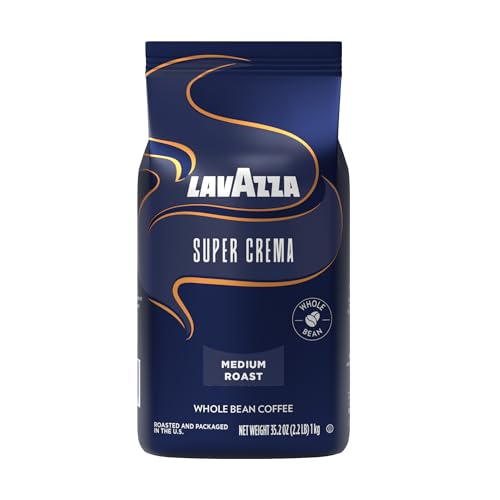
One standout option for those who want a consistently smooth espresso with minimal effort is Lavazza Super Crema Whole Bean Coffee in the 2.2 lb bag. I’ve used it on various machines, and it delivers a balanced, medium roast with a creamy texture every time. The blend of Arabica and Robusta beans from 15 countries gives it a rich profile-think hazelnut and brown sugar-without bitterness. Just 0.28 oz ground makes a solid 1 oz shot. Since it’s pure coffee with no additives and processed in dedicated facilities, cross-contamination isn’t a concern. It’s practical, reliable, and ideal if you value consistency over novelty.
Best For: Home espresso enthusiasts seeking a consistent, smooth, and creamy shot with minimal effort and no risk of cross-contamination.
Pros:
- Delivers a balanced, medium-roast espresso with a rich, creamy texture and sweet notes of hazelnut and brown sugar
- Made from a blend of Arabica and Robusta beans sourced from 15 countries for a complex yet smooth flavor profile
- Packaged in facilities that only process coffee, reducing the risk of allergen or flavor cross-contamination
Cons:
- Larger 2.2 lb bag may not be ideal for those who prefer to rotate beans frequently or have limited storage
- Flavor profile leans traditional and may lack the bold intensity or uniqueness sought by specialty coffee aficionados
- Whole beans require grinding just before brewing to maximize freshness, adding a step for less experienced users
WBC Espresso by Klatch Coffee

If you’re after a well-balanced espresso that pulls reliably and delivers complex flavors without finicky brewing, WBC World’s Best Espresso by Klatch Coffee is worth your attention. I’ve found it works flawlessly in my home machine, consistently producing shots with notes of spice, berry, orange citrus, and sweet dark chocolate. The blend-made from Brazil Yellow Bourbon, Sumatra Lake Tawar, and Ethiopian Natural beans-is roasted in Rancho Cucamonga using a peak-of-flavor method that locks in freshness. It’s medium & cozy, not too bold, and shines in espresso, cortados, or lattes. Sustainably sourced and well-priced, it’s a practical step up from mainstream options.
Best For: Home espresso enthusiasts seeking a consistently balanced, flavorful shot with minimal tuning required.
Pros:
- Delivers complex flavor notes of spice, berry, orange citrus, and sweet dark chocolate
- Roasted using a precision peak-of-flavor technique for optimal freshness and balance
- Sustainably sourced blend performs well in espresso, cortados, and milk-based drinks
Cons:
- Whole bean only-requires a grinder for optimal espresso preparation
- Medium & cozy roast may lack intensity for fans of darker, bolder espressos
- Limited availability outside specialty coffee retailers
Lavazza Super Crema Whole Bean Coffee
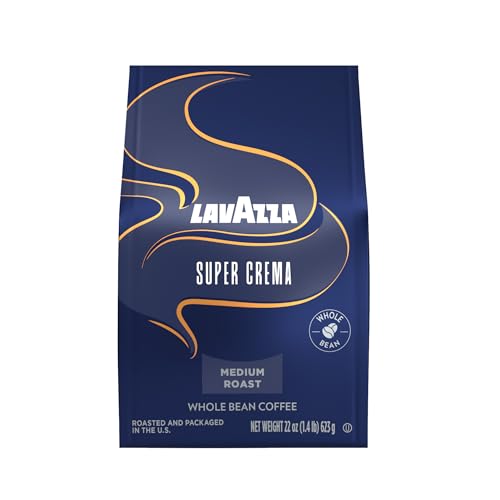
When smoothness and balance define your ideal espresso, Lavazza Super Crema Whole Bean Coffee stands out as a top contender. I’ve found this medium roast blend-made from Arabica and Robusta beans sourced from 15 countries-delivers a full-bodied shot with a creamy texture few can match. You’ll taste hints of hazelnut and brown sugar, with a bold finish that doesn’t turn bitter. It’s designed for espresso: 0.28 oz of ground coffee gives you a clean 1 oz shot. Since it’s whole bean, you’ll need to grind it fresh for best results. The beans contain only coffee, processed in dedicated facilities, so there’s no risk of cross-contamination. While it’s not single-origin, its consistency makes it a practical go-to for daily use, especially if you value reliability over complexity. I recommend it for home baristas who want café-quality crema without fuss.
Best For: Home baristas seeking a smooth, reliable espresso with rich crema and balanced flavor without the complexity of single-origin beans.
Pros:
- Exceptional creamy texture and thick crema ideal for espresso lovers
- Balanced flavor with notes of hazelnut and brown sugar, avoiding bitterness
- Consistent blend quality thanks to sourcing from 15 countries and dedicated production facilities
Cons:
- Whole bean format requires a grinder for optimal freshness
- Blended origin may lack the distinct character prized by specialty coffee enthusiasts
- Medium roast may not satisfy those preferring darker, smokier espresso profiles
NESCAFÉ Gold Espresso Blonde, Instant Coffee, 3.5 oz
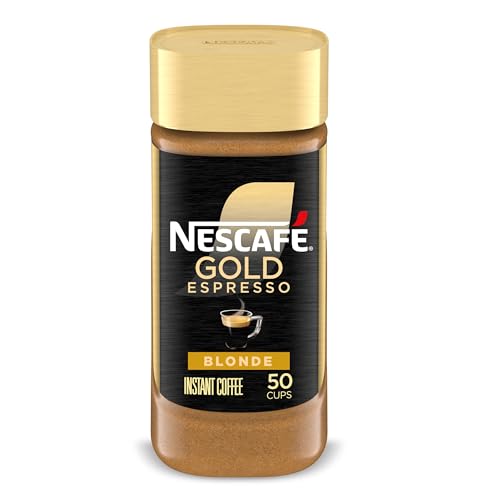
While it won’t replace a high-end espresso machine for purists, I find NESCAFÉ Gold Espresso Blonde ideal if I need a quick, quality espresso fix without the hassle of grinding beans or buying bulky gear. Made from responsibly sourced, golden-roasted Arabica beans, it delivers a smooth, rich flavor with a velvety crema-rare for instant. Just mix a teaspoon with 2 oz of hot water for espresso or 6 oz for an Americano. No machine, no mess. The 3.5-oz jar gives up to 50 servings, so it’s cost-effective and travel-friendly. It’s not perfect, but for convenience and consistent taste, it’s a solid choice when real gear isn’t an option.
Best For: Busy coffee lovers who want a quick, high-quality espresso-style drink without the need for expensive equipment or setup.
Pros:
- Delivers smooth, rich flavor with a velvety crema, uncommon for instant coffee
- Made from responsibly sourced, golden-roasted Arabica beans for premium quality
- Highly convenient-requires only hot water and a spoon, with up to 50 servings per jar
Cons:
- Lacks the depth and complexity of fresh espresso from a high-end machine
- Instant texture may not satisfy espresso purists
- Smaller jar size may require frequent repurchasing for heavy users
NESCAFÉ Gold Espresso Intense, Instant Coffee, 3.5 oz
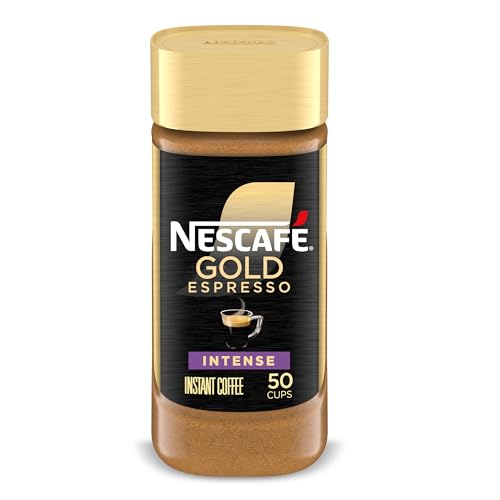
The best espresso around the world isn’t always found in a café-sometimes it’s in a 3.5-ounce jar on your kitchen shelf. I use NESCAFÉ Gold Espresso Intense when I want strong, rich flavor without buying a machine. It’s made from high-quality Arabica beans, roasted for depth and crema, mimicking real espresso. I just mix one teaspoon with two ounces of water for a shot, or six for an Americano-no gear needed. Each jar gives up to 50 servings, making it practical and cost-effective. It’s not fresh-ground, but for speed and consistency, it’s one of the closest instant options to café quality.
Best For: Coffee lovers seeking a quick, convenient, and rich espresso-style experience at home without specialized equipment.
Pros:
- Delivers a bold, smooth flavor with café-style crema using high-quality Arabica beans
- Simple preparation with just hot water, making up to 50 servings per 3.5-ounce jar
- Versatile for espressos, Americanos, and other specialty drinks-no machine required
Cons:
- Lacks the freshness and aroma of freshly ground, brewed espresso
- Instant format may not satisfy purists seeking authentic espresso texture and depth
- Limited customization compared to machine-made espresso drinks
WBC Espresso by Klatch Coffee (2 lb)
If you’re after a well-balanced, medium-roast espresso that pulls rich and sweet without needing a six-figure machine, WBC Espresso by Klatch Coffee delivers consistency and depth straight out of the bag. I’ve used it on semi-automatics and lever presses-it handles both well. The blend of Brazil Yellow Bourbon, Sumatra Lake Tawar, and Ethiopian Natural beans gives spice, berry, and orange citrus notes, rounded by dark chocolate and a syrupy finish. It’s forgiving under slight grind adjustments, which helps when dialing in. For cortados or lattes, it holds up cleanly. At 2 pounds, the whole-bean batch lasts a serious home user weeks.
Best For: Espresso enthusiasts seeking a complex, balanced medium roast that performs well on a range of machines without requiring expert calibration.
Pros:
- Delivers rich, syrupy sweetness with layered flavor notes of spice, berry, orange citrus, and dark chocolate
- Forgiving across grind settings, making it easy to dial in on both semi-automatic and lever machines
- Ethically sourced beans with a consistent roast profile ideal for daily espresso, cortados, and milk-based drinks
Cons:
- 2-pound size may be too large for casual drinkers or those who prefer to rotate beans frequently
- Whole bean format requires a quality grinder to achieve optimal espresso extraction
- Medium roast may lack the bold intensity preferred by fans of darker espresso profiles
Atlas Coffee Club World of Coffee 4-Pack

Looking for a way to taste what makes espresso unique across continents without leaving your kitchen? I’ve tried the Atlas Coffee Club World of Coffee 4-Pack, and it’s a practical way to explore global flavors. It includes four 1.8-ounce bags of single-origin, specialty-grade beans from top regions, roasted fresh in Austin. Each comes with tasting notes and a postcard from the country-useful for tracking flavor differences. They roast in small batches to highlight origin traits, and they pay farmers above market rate, supporting sustainability. If you want a no-frills, ethical tasting journey, this pack delivers variety, freshness, and clarity-ideal for curious drinkers or as a thoughtful gift.
Best For: Coffee enthusiasts and gift-givers seeking a globally sourced, ethically produced tasting experience with fresh, specialty-grade single-origin beans.
Pros:
- Features four distinct single-origin coffees with tasting notes and collectible postcards for an engaging, educational experience
- Sourced from the top 1% of global beans and roasted in small batches for peak freshness and flavor clarity
- Supports sustainable farming through fair, above-market compensation to coffee growers
Cons:
- Only 1.8 ounces per bag limits the number of full servings per origin
- Whole bean format requires a grinder, which may be inconvenient for some users
- Premium pricing may not suit budget-focused buyers seeking larger quantities
Factors to Consider When Choosing Espresso in the World
You’ll want to check the bean origin and roast profile first-lighter roasts from Ethiopia bring floral notes, while dark roasts from Italy offer boldness and body. Match the caffeine level and brewing method: low-acid, medium-roast beans work well in most home machines, but high-pressure commercial gear can handle denser, high-caffeine blends. Don’t skip certifications like Fair Trade or Organic if ethics matter, since they signal transparency and sustainability without always raising the price.
Bean Origin Quality
While the machine and grind matter, the origin of your espresso beans plays a decisive role in shaping the final shot. You’ll want to pick beans grown at high altitudes-above 1,200 meters-since they’re denser and deliver brighter acidity and complex flavors like citrus or berries. Regions like Ethiopia’s highlands or Colombia’s Andes offer Arabica beans with the clarity and nuance ideal for standout espresso. Volcanic soils, like those in Guatemala’s Antigua, boost mineral content, giving shots a deeper, more balanced profile. Single-origin beans let you taste the terroir, whether it’s floral Yirgacheffe or earthy Sumatra. Look for specialty-grade coffee (rated 80+ on the SCA scale), which guarantees high density, uniformity, and minimal defects. Low-grown or commercial-grade beans often lack complexity and risk flat, dull shots. Choose origin with care-it’s the foundation of a shot worth savoring.
Roast Profile Intensity
Though roast intensity shapes the character of your espresso, it doesn’t have to mean simply choosing dark for strong or light for mild. Dark roasts bring boldness and rich crema, smoothing out acidity for a classic, heavy-bodied shot-ideal if you like traditional Italian-style espresso. Light roasts preserve fruity, acidic notes and bean-specific complexity, offering a lively alternative for nuanced palates. Medium to dark is more common in espresso for good reason: it balances sweetness and body without harshness. Roast level doesn’t change caffeine much-don’t count on lighter roasts for a bigger kick. If you’re using 100% arabica, expect smoother results; blends with robusta add bitterness and punch. Pick your roast based on flavor preference, not strength myths. Match it to your machine and grind settings, because freshness and consistency matter just as much.
Caffeine Content Level
Since caffeine levels in espresso aren’t always what they seem, it’s worth knowing what actually affects the kick you get from your shot. A standard 1-ounce shot has about 63 mg of caffeine, but that can vary. If you want more, look for blends with robusta beans- they pack nearly double the caffeine of arabica. Don’t assume dark roast means stronger caffeine; longer roasting slightly reduces it, so lighter roasts often have a bit more. High-pressure espresso machines pull caffeine efficiently, especially with finely ground beans, giving you a fuller extraction than other methods. Some specialty blends are designed for high caffeine, so check the label if that’s your goal. Size matters too-some cafes serve ristrettos or lungos, which change both flavor and caffeine. Know your blend, roast, and shot size-each plays a role. Adjust based on your tolerance and desired intensity.
Certifications And Ethics
When choosing espresso, the certifications on the bag can tell you a lot about how the coffee was grown and who benefits from your purchase. Fairtrade means farmers get fair wages and safe conditions, plus a minimum price that protects them from market drops. Organic certification guarantees no synthetic pesticides or fertilizers were used, supporting environmental health. Rainforest Alliance focuses on biodiversity and sustainable farming, while UTZ emphasizes traceability and responsible practices across the supply chain. Direct trade isn’t a label, but it often means roasters pay above-market prices and build direct relationships with farms, increasing transparency. Though not always certified, these coffees can offer high ethical and quality standards. Each certification has strengths: Fairtrade supports social equity, organic protects ecosystems, and direct trade promotes accountability. Knowing the differences helps you choose espresso that aligns with your values-without sacrificing quality or responsibility.
Brewing Method Match
Choosing espresso isn’t just about origin or ethics-it also depends on how well the beans match your brewing method. You need a fine grind to work with high pressure, so adjust your grinder specifically for espresso. Guarantee your machine delivers 9 bars of pressure; most reliable models like the Lelit or Rocket do this consistently. Tamp with 20–30 pounds of force to seal the puck evenly-too light and you’ll get channeling, too hard and you’ll restrict flow. Use a portafilter and basket that fit your dose, usually 18–20 grams for a double shot. Let pre-infusion run for 5–10 seconds so water spreads evenly before full pressure kicks in. This step smooths extraction and cuts bitterness. Matching your gear and technique to the beans ensures clean, balanced shots every time-no guesswork needed.
Flavor Notes Complexity
If you want to taste the full depth of what espresso can offer, look for beans that deliver layered flavor notes like citrus, berry, cocoa, or caramelized sugar-these aren’t just marketing terms, but real indicators of complexity shaped by bean varietal, roast level, and origin. You’ll get brighter, fruitier tones from Arabica beans, while Robusta adds boldness and earthiness. Choose a medium roast to preserve nuanced flavors, since dark roasts often mask subtleties with smoky or charred notes. Blends from high-altitude farms in Ethiopia, Colombia, or Kenya tend to have more complexity thanks to ideal growing conditions. For the best results, pair these beans with precise brewing: use a consistent grind size, water around 195–205°F, and 9 bars of pressure to extract evenly. Under-extraction leaves sour, thin coffee; over-extraction brings out harsh bitterness. Get it right, and you’ll taste the full range in every concentrated sip.
Frequently Asked Questions
What Makes an Espresso Bean Ideal for a Morning Brew?
You want a medium to dark roast with balanced acidity and rich body for a strong morning brew. Beans from Ethiopia or Colombia offer bright, clean notes that wake up your palate, while Brazilian or Sumatran beans deliver deeper, chocolatey flavors. Freshness matters-use beans roasted within the past two weeks. Grind just before brewing for maximum flavor. A consistent grind size guarantees even extraction, so invest in a decent burr grinder.
Are There Caffeine Differences Between Dark and Medium Roast Espressos?
No, you won’t get more caffeine from dark roast espresso just because it’s bold. Medium roasts usually retain slightly more caffeine since less is lost during shorter roasting. But the real difference? Flavor and body. Dark roasts taste richer and smokier, while medium roasts highlight origin notes. Your brew method and dose matter more for caffeine kick than roast level alone. Always weigh beans-not volume-for consistency.
Can I Use Espresso Beans in a Regular Drip Coffee Maker?
Yes, you can use espresso beans in a regular drip coffee maker. They’ll brew fine, but you’ll notice a darker, more intense flavor than typical drip roasts. Espresso beans are roasted longer, so they might taste bitter or flat brewed lightly. If you like bold coffee, go ahead. For balance, try medium-roast espresso blends. Just remember: grind size matters-espresso beans are often pre-ground too fine, so adjust coarser for drip.
How Should I Store Espresso Beans to Maintain Freshness and Flavor?
You should store espresso beans in an airtight container away from light, heat, and moisture. Keep them at room temperature-don’t refrigerate or freeze, since condensation damages flavor. Use opaque, resealable containers like those from Fellow or Airscape. Open the bag only when needed to minimize air exposure. Buy whole beans and grind fresh for best results. Ideal storage keeps oils and aromas intact for about 2–3 weeks post-roast.
Is There a Significant Taste Difference Between Organic and Non-Organic Espresso?
You won’t taste a consistent difference between organic and non-organic espresso just from the label. Flavor depends more on bean origin, roast, and freshness than farming method. Organic beans avoid synthetic pesticides, which matters for health and environment, but they can still taste flat if poorly grown or stored. Great espresso comes from high-quality beans-organic or not-roasted and brewed well. Focus on sourcing, not just labels.