Best Espresso Machines for Perfect Lattes Every Time
You need consistent pressure and good steam to make perfect lattes. Machines like the CASABREWS 20 Bar or Gevi 20 Bar deliver stable 9–10 bar extraction and strong microfoam with a reliable steam wand. For ease, try the Ninja Luxe Café 3-in-1 or Philips 3300, which offer automation and preset drinks. If you want control, the Breville Dual Boiler or Chefman CaféMaster Pro give you customization. Each balances performance, build, and cleanup-pick based on your skill and routine. More details on which suits your setup and goals follow.
We are supported by our audience. When you purchase through links on our site, we may earn an affiliate commission, at no extra cost for you. Learn more. Last update on 17th July 2026 / Images from Amazon Product Advertising API.
Notable Insights
- Look for espresso machines with 20-bar pumps and stable 9–10 bar extraction pressure to produce rich crema essential for lattes.
- Choose models with high-performance steam wands delivering 20 psi and temperatures of 90–96°C for silky, microfoam-rich milk.
- Opt for machines with 360° adjustable steam wands and multiple-hole tips to enhance milk texturing and foam control.
- Prioritize ease of use with features like automatic milk frothing, programmable presets, and intuitive controls for consistent latte results.
- Select durable, well-designed machines with compact footprints, removable water tanks, and easy cleaning routines for long-term reliability.
CASABREWS 20 Bar Espresso Machine with Steam Frother

If you’re after café-quality lattes without a bulky machine, the CASABREWS 20 Bar Espresso Machine fits snugly on small countertops and delivers real results. I use its 20-bar pump to pull rich, crema-topped shots consistently. The steam wand textures milk well for lattes and cappuccinos, though I let the machine cool between steaming and brewing to avoid overheating. It has a removable 34 oz water tank and uses 51mm filters, which work with most ground coffee. I monitor pressure via the built-in gauge. Cleaning’s simple, but I wipe it down daily-don’t put parts in the dishwasher. It’s reliable, compact, and great for home use.
Best For: Home coffee enthusiasts with limited counter space who want to brew espresso and steam milk for lattes and cappuccinos without sacrificing performance.
Pros:
- Compact design with a 20-bar pump delivers consistent, crema-rich espresso shots
- Built-in pressure gauge and steam wand enable precise control and microfoam milk texturing
- Removable water tank and simple maintenance make it convenient for daily use
Cons:
- Requires cooling time between steaming and brewing to prevent overheating
- Not dishwasher safe, necessitating hand cleaning for all components
- May need grind and tamping adjustments to achieve optimal extraction pressure
Espresso Machine with Milk Frother, 20 Bar

This espresso machine with a 20-bar pressure system is ideal for anyone who wants café-quality lattes at home without the hassle of complicated equipment. I rely on its consistent 9–10 bar extraction and NTC temperature control to pull balanced shots with golden crema. The steam wand delivers dry, focused steam, creating smooth microfoam for latte art. It handles both light and dark roasts well, and the manual mode lets me extend brew time up to 102 seconds. With a 44.4-ounce water tank and compact, BPA-free design, it fits neatly on my counter. Cleanup is simple-just remove the drip tray and tank.
Best For: Home and office users seeking a compact, easy-to-use espresso machine with reliable extraction and steam performance for crafting café-style espresso and milk-based drinks.
Pros:
- Consistent 9–10 bar pressure extraction with NTC temperature control for optimal flavor and golden crema
- High-performance steam wand produces dry, dense microfoam ideal for latte art and milk-based beverages
- Compact, BPA-free design with a large 44.4-ounce water tank and removable components for easy cleaning
Cons:
- Manual operation requires user involvement in grinding, tamping, and timing for best results
- Not dishwasher safe, making hand cleaning necessary for most components
- Limited to ground coffee input, lacking built-in grinder for whole beans
Chefman CaféMaster Pro Espresso Machine

The Chefman CaféMaster Pro Espresso Machine delivers 15-bar pump pressure and a one-touch automatic milk frothing system, making it a strong pick for beginners and busy coffee lovers who want consistent lattes without a steep learning curve. I use the touchscreen to brew single or double shots and whip up cappuccinos with minimal effort. Its compact stainless steel body fits neatly on small countertops, and the 1.8-liter water tank means fewer refills. The removable milk frother cleans easily and stores in the fridge. While it’s not as customizable as pro models, it balances speed, simplicity, and solid performance for everyday use.
Best For: Home users seeking a user-friendly, compact espresso machine with reliable performance for quick lattes and cappuccinos without extensive barista skills.
Pros:
- 15-bar pump pressure delivers rich, café-quality espresso with consistent extraction
- One-touch automatic milk frothing and touchscreen controls make it easy to use for beginners
- Compact stainless steel design with a large 1.8L removable water tank saves counter space and reduces refill frequency
Cons:
- Limited customization compared to manual or prosumer espresso machines
- Plastic milk frother may feel less durable despite easy cleaning and refrigerated storage
- Semi-automatic operation requires manual portafilter handling, which may slow down workflow for some users
Ninja Luxe Café 3-in-1 Espresso Machine
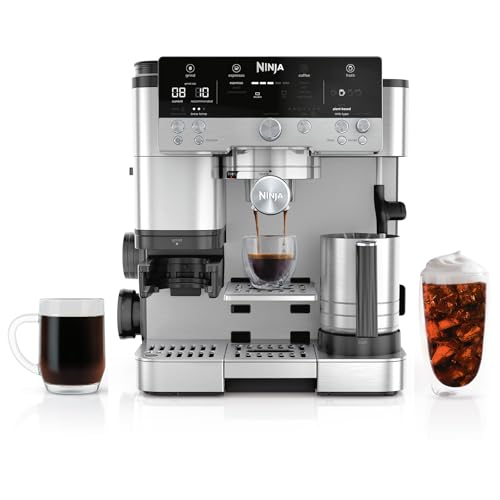
You want one machine that handles your morning espresso, afternoon cold brew, and everything in between without cluttering your countertop-this is where the Ninja Luxe Café 3-in-1 shines. I use it daily to pull double or quad espresso shots, brew drip coffee over ice, or make cold brew-no guesswork. The Barista Assist Tech adjusts grind size, dose, temperature, and pressure automatically, so flavors stay balanced. My built-in scale guarantees accurate dosing, while the conical burr grinder delivers consistent results. The assisted tamper helps me get even, compact grounds every time. For lattes, the Dual Froth System creates perfect microfoam with preset options for steamed or cold milk. Stainless steel construction and dishwasher-safe parts make cleanup easy. With storage for tools and accessories, it stays organized. At 31.7 pounds, it’s heavy but stable. Model ES601 includes everything you need to start: cleaning tablets, descaling powder, even a hard water test kit. Ninja’s the #1 best-selling espresso maker in 2025 (Circana, Jan–Sep), and after six months of testing, I see why-this machine replaces three appliances without sacrificing quality or counter space.
Best For: Coffee lovers who want a versatile, all-in-one machine that brews espresso, drip coffee, and cold brew with precision and ease, without cluttering their kitchen.
Pros:
- Brews three coffee types (espresso, drip, cold brew) with customizable sizes and styles, replacing multiple appliances
- Barista Assist Technology and built-in scale ensure consistent, café-quality results with minimal effort
- Hands-free Dual Froth System creates perfect hot or cold milk foam for lattes and specialty drinks
Cons:
- Large footprint and heavy weight (31.7 lbs) may be cumbersome for small kitchens
- High upfront cost compared to single-function coffee makers
- Integrated grinder limits capacity and may require frequent cleaning for optimal performance
Gevi 20 Bar Espresso Maker with Milk Frother

If you want café-style lattes at home without spending a lot on a high-end machine, the Gevi 20 Bar Espresso Maker delivers reliable performance with its 20-bar pressure pump and NTC temperature control, which work together to extract rich, balanced espresso-key for a smooth milk-based drink. I use the steam wand daily to create silky microfoam, and the removable nozzle makes cleaning simple. Its compact stainless steel design fits easily on my counter, and the cup warmer helps maintain ideal serving temperature. I brew espressos, Americanos, and even heat water for tea. It’s semi-automatic, so I control the brew time, but it demands attention to get consistent results.
Best For: Home espresso enthusiasts who want café-quality drinks with a budget-friendly, compact machine that’s easy to use and maintain.
Pros:
- 20-bar pressure pump and NTC temperature control ensure rich, balanced espresso extraction
- Powerful steam wand with removable froth nozzle creates silky microfoam and simplifies cleaning
- Compact stainless steel design fits small spaces and includes a cup warmer and hot water function
Cons:
- Semi-automatic operation requires manual timing for consistent results, not ideal for beginners
- Not dishwasher safe, so all parts must be cleaned by hand
- Limited portafilter size (51mm) may restrict upgrade options for advanced users
CASABREWS 20 Bar Espresso Machine with Steam Frother

A 20-bar pressure pump drives the CASABREWS 3700E, making it a strong pick for anyone who wants rich espresso and creamy microfoam without spending hundreds on a pro machine. I use its 1350W motor and 51mm portafilter daily, and it consistently pulls solid shots. The steam wand heats up fast and froths cold whole milk well-perfect for lattes and cappuccinos. It’s compact, fits my small kitchen, and the stainless steel build feels durable. I clean the drip tray regularly, and the 43.9 oz tank is easy to remove. No pressure gauge is a downside, but for beginners and home baristas, it’s straightforward. I’ve used both the single and double filters-they work fine. Just remember to remove the rubber plug before first use. It’s not dishwasher safe, so handwashing is a must. I’ve given one as a gift-it’s a reliable choice for birthdays or holidays.
Best For: Home baristas and coffee enthusiasts seeking a compact, reliable espresso machine for everyday use and crafting specialty drinks without breaking the bank.
Pros:
- Delivers consistent 20-bar pressure for rich espresso and features a steam wand that efficiently froths milk for lattes and cappuccinos
- Compact, stainless steel design fits small kitchens or offices and includes useful accessories like a tamper with spoon and dual brewing filters
- Easy to maintain with a removable water tank and drip tray, ideal for both beginners and experienced users
Cons:
- Lacks a pressure gauge, making it harder to monitor extraction quality during brewing
- Not dishwasher safe, requiring careful handwashing of components
- Initial setup requires remembering to remove the rubber plug from the water tank before first use
Ninja Espresso & Coffee Maker (CFN601)
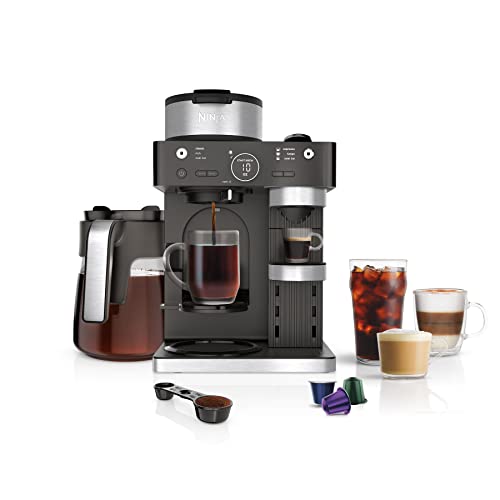
Who needs a machine that handles both espresso and drip coffee without cluttering the countertop? I’ve found the Ninja CFN601 fits perfectly. It pulls 19-bar espresso shots using Nespresso capsules or grounds, and brews up to a 12-cup carafe. I make lattes with the fold-away frother and switch to drip for guests. It’s compact, has a touchscreen, and fits travel mugs under the spout. I reuse capsules thanks to the 20-slot bin. It only works with Nespresso Original pods, not other types. If you want versatility without two machines, this one covers both jobs reliably.
Best For: Home baristas who want a versatile, compact machine that brews both espresso and drip coffee without sacrificing counter space.
Pros:
- Combines 19-bar espresso extraction with drip coffee brewing up to a 12-cup carafe for maximum versatility
- Compact design with fold-away frother and adjustable cup tray that fits travel mugs
- Reusable capsule storage bin and dishwasher-safe parts enhance convenience and sustainability
Cons:
- Compatible only with Nespresso Original capsules, excluding other pod types
- Touchscreen interface may be less intuitive for users preferring manual controls
- Higher price point compared to single-function coffee or espresso machines
20Bar Espresso Machine with Milk Frother

The 20Bar Espresso Machine with Milk Frother stands out for home baristas who want café-quality lattes without the hassle of buying multiple devices. I rely on its 20-bar pump for consistent espresso and rich crema, and the instant heating means I brew and steam back-to-back with no wait. Its 360° adjustable steam wand gives me pro-level microfoam, especially when I purge and clean it right after use. I appreciate the compact stainless steel build and 42oz tank, though I hand-wash everything-dishwashers can damage it. It handles lattes, cappuccinos, and more, and with proper grind and tamping, delivers reliable results every time.
Best For: Home baristas seeking a compact, high-performance espresso machine that delivers café-quality coffee with reliable steam power for milk-based drinks.
Pros:
- 20-bar pressure pump ensures rich espresso with thick, lasting crema
- Instant heating and seamless brew-to-steam transition minimize wait time
- 360° adjustable steam wand with included milk pitcher enables precise, pro-level microfoam
Cons:
- Requires hand-washing only-components are not dishwasher safe
- Performance depends heavily on proper grind size and tamping technique
- 42oz water tank may need refilling during extended use with multiple drinks
Philips 3300 Espresso Machine with LatteGo (EP3341/50)

If you want barista-style lattes without the hassle of manual steaming or complex cleanup, the Philips 3300 Espresso Machine with LatteGo (EP3341/50) makes sense. I use it daily, and the LatteGo froths milk fast with only three parts-no tubes, no mess. Cleanup takes seconds under the tap or in the dishwasher. It grinds beans automatically, brews at 15 bars, and offers six preset drinks, including lattes and cappuccinos, with adjustable strength and temperature. The touchscreen is intuitive, and SilentBrew cuts noise. AquaClean means I won’t descale for up to 5,000 cups-perfect for low-maintenance mornings.
Best For: Home baristas who want café-quality espresso and milk-based drinks with minimal cleanup and consistent, customizable results.
Pros:
- One-touch brewing with six preset beverages and the LatteGo system for fast, mess-free milk frothing
- AquaClean technology allows up to 5,000 cups without descaling, reducing maintenance
- Fully automatic bean-to-cup operation with adjustable strength, volume, and temperature via an intuitive touchscreen
Cons:
- Limited milk frothing customization compared to manual steam wands on higher-end models
- Plastic construction may feel less durable than premium metal-bodied machines
- 17.63-pound weight makes it less portable despite its compact footprint
20 Bar Espresso Machine with Grinder (2025 Upgrade)

Though you’re not starting from scratch every time, owning a 20 Bar Espresso Machine with Grinder (2025 Upgrade) saves serious effort when pulling consistent shots for lattes, especially if you value fresh grinding without the mess. I use its 58mm conical burr grinder daily-it’s mess-free and handles oily beans thanks to the wider chute and sturdy auger. The 20-bar pump pulls rich, crema-heavy shots I can count on. Its steam wand heats up fast, creating silky milk foam for lattes or cappuccinos. At 11.5 x 13 inches, it fits my counter, and the 2.3L tank means fewer refills. ETL-certified and built for home or office, it’s a no-frills workhorse for real coffee routines.
Best For: Home and office users who want a reliable, all-in-one espresso machine with consistent grinding and rich extraction for daily café-quality coffee.
Pros:
- Integrated 58mm conical burr grinder delivers mess-free, consistent grind with a clog-resistant design
- 20-bar pump pressure ensures rich crema and bold espresso shots with precise control
- Compact footprint and 2.3L removable water tank make it convenient for small spaces and reduce refill frequency
Cons:
- Steam wand requires manual cleaning and may need regular maintenance for optimal performance
- No built-in grinder calibration, so fine-tuning grind size may require trial and error
- Limited customization for advanced espresso enthusiasts seeking programmable profiles
Factors to Consider When Choosing an Espresso Machine for Lattes
You’ll want a machine that delivers consistent steam wand performance, so your milk frothing is smooth and reliable every time. Look for models with strong pressure-like 15 bars or more-to get that rich crema, and pick one that’s easy to clean to save time daily. Compact designs like the Breville Bambino fit small spaces, while bigger machines offer more power but take up room.
Steam Wand Performance
When pulling lattes, the steam wand’s performance directly shapes your milk texture and, ultimately, your drink’s quality. Look for a wand that delivers dry, high-pressure steam-around 9–10 bar-so you can create dense, silky microfoam without overheating or over-aerating. A wand with a 360° swivel and detachable nozzle gives you better reach and easier cleaning, which helps maintain consistent performance. Choose a tip with multiple holes for even steam flow and better control during steaming. After each use, always purge and wipe the wand right away to prevent milk buildup that clogs steam flow and ruins foam quality. Machines like the Breville Barista Pro and Rocket R58 include well-designed wands that balance power, precision, and ease of maintenance-making them strong picks if smooth, latte-ready milk matters to you.
Milk Frothing Consistency
A consistent milk frothing experience starts with the right machine setup and technique. You need a steam wand that delivers dry, focused steam at 90–96°C to create dense, glossy microfoam-essential for latte art. Look for models with 360° adjustable wands so you can position the nozzle correctly in the pitcher, improving milk circulation and texture. Machines maintaining steam pressure around 20 psi give you enough power to texture milk smoothly without large bubbles. Pair your machine with a stainless steel pitcher that has measurement markings-this helps you use the same milk volume every time, boosting consistency. Always purge the steam wand before and after use to prevent clogs and keep steam output steady. Skip this step, and your results will vary. Machines like the Breville Dual Boiler or Rancilio Silvia deliver these features reliably for repeatable results.
Pressure And Crema Quality
Steam quality affects milk texture, but what happens before the milk is added shapes the foundation of your latte-the espresso shot. You need 9–10 bars of extraction pressure for a rich, golden crema, the hallmark of a great latte base. Machines with 20-bar pumps can build the headroom needed to maintain that ideal 9–10 bar output. Look for pressure stability throughout the shot-spikes or drops lead to uneven extraction and patchy crema. A pre-infusion phase helps too; it wets the puck gently, improving crema texture and longevity. Models like the Breville BES870XL include pressure profiling and real-time gauges, letting you adjust on the fly. That kind of control means consistent, cafe-quality results. Cheaper pumps may hit the right number briefly but can’t sustain it. For lattes, consistency beats max pressure every time.
Ease Of Cleaning
Though great espresso sets the foundation for a perfect latte, keeping your machine clean guarantees consistency and longevity. Look for models with removable water tanks and drip trays-you can rinse them easily and prevent mold or scale buildup. Steam wands with 360° reach or detachable nozzles let you wipe away milk residue right after use, reducing clogs. Some machines include self-cleaning cycles or automatic milk systems that flush the lines, cutting down on manual work. Stainless steel parts resist stains and bacteria, making surfaces simple to wipe clean. If portafilters, filters, or frothing pitchers are dishwasher safe, you’ll save time and effort daily. Machines like the Breville Barista Express or De’Longhi Dinamica include these features, balancing convenience with performance. A well-maintained machine pulls better shots and steams milk more reliably-don’t overlook how design impacts upkeep.
Size And Design Fit
Keeping your machine clean matters, but you also need one that fits where you plan to use it. If your space is tight, aim for a compact model under 13 inches deep and 12 inches wide-these slide neatly onto small countertops without blocking controls or making portafilter use awkward. Look for units under 15 inches tall so they fit under standard upper cabinets. A brushed stainless steel finish gives a pro look while resisting smudges and cleaning up fast, ideal for busy kitchens. Check that the base has non-slip feet or silicone pads to prevent shifting during steaming. Many machines include a top cup-warming tray, which helps keep espresso hot and pre-warms milk pitchers. Prioritize dimensions and layout practicality, especially in smaller setups, so your machine works with your space-not against it.
Customization Options
If you want lattes that match your exact taste, look for machines that give you control over key brewing variables. You can adjust extraction time manually to fine-tune shot strength and volume, shaping the base of your latte with precision. Machines with programmable presets let you save your ideal drink size and milk texture, ensuring consistent results with every use. An adjustable steam wand and variable steaming time let you create silky microfoam or thicker foam, depending on your preference. Custom temperature settings help you match the roast level of your coffee or type of milk, improving flavor balance. If you want even more control, choose a model with pressure profiling to alter pump pressure during extraction, boosting crema and flavor intensity. These features give you real, repeatable customization-no guesswork needed.
Frequently Asked Questions
How Often Should I Descale My Espresso Machine?
You should descale your espresso machine every 1–3 months, depending on use and water hardness. If you brew daily or have hard water, go with monthly. Machines like the Breville Barista Express or De’Longhi models often signal when it’s time. Skip it, and you’ll risk clogs, poor heating, and damage. Always use a proper descaling solution-not vinegar-and follow your machine’s rinse steps closely to avoid residue. Regular cleaning keeps performance steady and extends lifespan.
Can I Use Non-Dairy Milk in the Frother?
You can use non-dairy milk in the frother, but results vary by type. Oat and soy milk froth well and create stable foam, especially barista blends designed for steaming. Almond and coconut milk work less reliably-they’re thinner and may not hold texture. You’ll need to clean the frother more often, as plant-based milks leave residue faster. For best results, use cold milk, fill the jug halfway, and avoid overheating.
Is It Safe to Leave Water in the Tank?
You shouldn’t leave water in the tank long-term. It can promote bacterial growth and mineral buildup, especially if it’s hard water. Empty and rinse the tank daily if you use the machine regularly. If you’re not using it for more than a couple of days, empty and dry it completely. Some brands, like Breville, recommend this routine to maintain performance and hygiene. It takes 30 seconds and protects your machine-just wipe the seal too.
Do I Need to Preheat the Machine Before Use?
Yes, you need to preheat the machine before use. Turning it on starts heating, but waiting 15–20 minutes guarantees stable brew temperature. Skipping this step causes uneven extraction and weak flavor. Machines like the Breville BES870 or Rocket Appartamento hold heat better with dual boilers or thermoblocks, but still need warm-up time. Always run a water flush after preheating to warm the portafilter and group head. That small step makes a real difference in shot consistency and crema quality.
Can I Make Iced Lattes With These Machines?
Yes, you can make iced lattes with these machines-just pull a shot directly over ice or chill your milk first. Most espresso machines, like the Breville Bambino or Gaggia Classic, handle this fine. Use cold milk and a tall glass for best results. Since steaming isn’t needed, it’s faster. Just remember: espresso cools quickly on ice, so serve immediately. Some models with quick heat-up, like the Rancilio Silvia, save time when making multiple drinks.