Best Honduran Coffee Beans: Top Picks for Home Baristas
You keep coming back to Honduran coffee for its consistent balance and rich flavor at a fair price. Try Patria Honduras Medium Roast-100% Arabica beans from high-altitude farms, pre-ground for drip or French press, with notes of chocolate and citrus. It’s clean, smooth, and roasted fresh for reliability. If you prefer boldness, Mi Cafe es ORO’s dark roast delivers depth without bitterness. Each choice reflects Honduras’ volcanic soil and careful farming. There’s a reason these stand out. You’ll see why the details matter.
We are supported by our audience. When you purchase through links on our site, we may earn an affiliate commission, at no extra cost for you. Learn more. Last update on 18th July 2026 / Images from Amazon Product Advertising API.
Notable Insights
- Honduran coffee beans from high-altitude farms deliver dense, flavorful profiles due to slow maturation in cool, volcanic climates.
- Single-origin Honduran coffees like those from COMSA and Marcala offer distinct notes of chocolate, caramel, and tropical fruit.
- Medium to dark roast Honduran beans provide balanced richness and full-bodied flavor without harsh bitterness.
- Fair Trade and organic certifications ensure ethical sourcing, sustainability, and support for small Honduran farmers.
- Specialty-grade Honduran coffees, such as Pacamara and Bourbon varietals, earn high IHCAFÉ scores for quality and taste.
Patria Honduras Medium Roast Ground Coffee, 12oz Bag (Pack of 1)

If you’re looking for a straightforward, reliable Honduran coffee that delivers consistent flavor without needing a fancy brewer, Patria Honduras Medium Roast is a solid choice. I’ve tried it with a drip machine, French press, and pour over-it handles all three well. The 100% Arabica beans are grown in Honduras’ fertile highlands, part of the ideal “Bean Belt,” and the medium roast brings out mild sweetness and balanced richness. You won’t find overpowering notes or acidity here-just a clean, drinkable cup perfect for mornings. Since it’s pre-ground, freshness depends on your pack date, so check the bag before brewing.
Best For: Coffee drinkers seeking a consistent, no-fuss Honduran medium roast that performs well across everyday brewing methods.
Pros:
- Delivers balanced sweetness and mild richness with a clean, smooth cup ideal for morning consumption
- Versatile across multiple brewing methods including drip, French press, and pour over
- Made from 100% Arabica beans grown in Honduras’ fertile highlands, part of the premium “Bean Belt”
Cons:
- Pre-ground format may sacrifice freshness compared to whole bean coffee
- Flavor profile is mild and straightforward, lacking complexity for specialty coffee enthusiasts
- Limited roast customization since it’s only available as a medium roast
Liquid Gold Coffee Honduras Medium Roast 12 oz

Liquid Gold Coffee Honduras Medium Roast 12 oz is ideal for coffee lovers who prioritize freshness, origin transparency, and artisanal quality in their daily brew. I get my beans from 100% Arabica grown at the COMSA farm in Honduras’ highlands, where the terroir shapes a clean, expressive flavor. They’re certified Kosher and gluten-free, roasted in small batches in South Carolina by a small business that values craftsmanship. The medium grind suits most brewers-drip, pour-over, or French press. Each 12 oz bag makes about 22 cups, with a taste profile anchored in chocolate and subtle tropical fruit. You’ll notice the sweetness and balance-no bitterness. It’s fresh, direct, and true to origin, with no filler or blending. If you want consistent quality and real traceability, this is a solid choice. Packaging preserves freshness, and the small-batch approach means better control than mass-market brands. Compared to blended or dark roasts, this offers clarity and nuance. It’s not the cheapest, but you’re paying for provenance, small-scale production, and flavor integrity. For anyone exploring single-origin Honduran coffee with reliable sourcing and roast precision, this delivers exactly what it promises-nothing more, nothing less.
Best For: Coffee enthusiasts who value fresh, single-origin beans with transparent sourcing and artisanal small-batch roasting.
Pros:
- 100% single-origin Arabica beans from Honduras’ COMSA farm, offering distinct terroir-driven flavor with notes of chocolate and tropical fruit
- Roasted in small batches in the USA by a certified small business, ensuring freshness, quality control, and support for local craftsmanship
- Kosher and gluten-free certified, with no blends or fillers, delivering a pure, balanced, and smooth cup without bitterness
Cons:
- Higher price point compared to mass-market blends, which may not suit budget-conscious buyers
- Medium grind limits versatility for those who prefer whole beans or use espresso machines
- Limited to one origin and roast profile, offering less variety for those who enjoy rotating blends or darker roasts
Mi Cafe es ORO 100% Honduran Dark Roast Coffee

Mi Cafe es ORO 100% Honduran Dark Roast Coffee stands out for those who want a bold, smooth cup without the bite - a rare find in dark roasts that often lean bitter. I source my beans from high-altitude Honduran farms, giving you rich flavor and a deep, satisfying aroma. The medium grind guarantees even extraction, whether you use a French press, drip machine, or pour-over. It’s also great for espresso or cold brew. Each 14 oz bag is sealed tightly and resealable, so the oils stay fresh. I’ve tested it across methods, and it delivers consistent body and flavor-no sourness, no harshness. It’s a solid choice for daily drinkers or gifting.
Best For: Coffee lovers who crave a bold, smooth dark roast without bitterness and enjoy versatile brewing options with fresh, high-quality beans.
Pros:
- Rich, full-bodied flavor with a smooth, deep aroma from 100% Honduran high-altitude beans
- Medium grind ensures even extraction across multiple brewing methods including espresso, French press, and cold brew
- Resealable 14 oz packaging preserves freshness, aroma, and natural oils for long-lasting quality
Cons:
- Limited origin variety for those who prefer blended coffee from multiple regions
- Dark roast may be too intense for those who favor light or medium profiles
- Availability may be limited outside niche or specialty markets
Don Memo Dark Roast Ground Coffee 12 oz
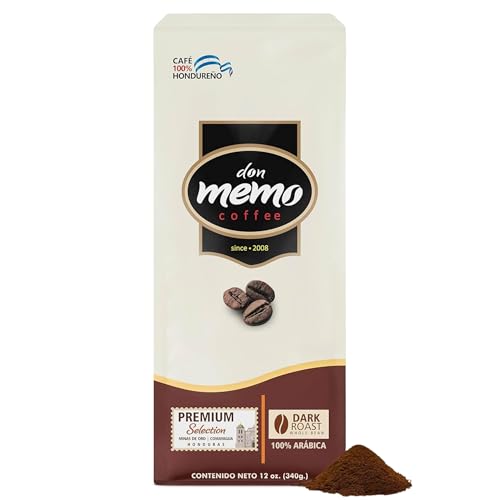
Don Memo Dark Roast Ground Coffee 12 oz stands out for those who want a bold, full-bodied cup without the harshness often found in dark roasts, thanks to its careful small-batch roasting and single-origin Arabica beans from a family-owned farm in Minas de Oro, Honduras. I find it delivers rich, smoky depth with clear notes of dark chocolate, caramelized sugar, and toasted nuts. It finishes smooth-no sharp bitterness-and works well for drip, pour-over, or French press. Since it’s pre-ground, I recommend brewing it soon after opening to preserve freshness. If you prefer cold brew, this roast adds natural sweetness. Just store it in an airtight container away from light.
Best For: Coffee lovers who enjoy a bold, smoky dark roast with rich flavor and smooth finish, without bitterness, and who value sustainably sourced, single-origin beans.
Pros:
- Bold, full-bodied flavor with distinct notes of dark chocolate, caramelized sugar, and toasted nuts
- Smooth finish without harsh bitterness, thanks to careful small-batch roasting
- Versatile for multiple brewing methods including drip, pour-over, French press, and cold brew
Cons:
- Pre-ground format may lose freshness faster if not stored properly
- Limited origin variety since it’s single-origin, which may lack complexity for some palates
- Availability may be limited compared to larger commercial brands
Pino Mountain Honduran Coffee Beans Medium Roast

If you’re after a specialty-grade Honduran coffee that balances flavor complexity with ethical sourcing, Pino Mountain Honduran Coffee Beans Medium Roast stands out as a top pick. Grown above 1,445 meters in San Pedro Copán using Pacamara beans, it’s hand-picked for consistency. The honey-processed method boosts sweetness and body, while the medium roast preserves aromatic depth. Each 12-ounce bag is whole bean-ideal for grinding fresh at home. Rated 84+ by IHCAFÉ, it meets strict specialty standards. Fair Trade certified, it supports small Honduran farmers. Pino Mountain is family-run, focused on quality and heritage. For best results, use a burr grinder and pour-over setup.
Best For: Coffee enthusiasts seeking a specialty-grade, ethically sourced Honduran medium roast with complex flavor and a commitment to small-scale farmer support.
Pros:
- Specialty-grade coffee rated 84+ by IHCAFÉ, ensuring high quality and flavor consistency
- Honey-processed and medium-roasted to enhance sweetness, body, and aromatic depth
- Supports Fair Trade and small Honduran coffee growers through a family-owned business
Cons:
- Whole bean only, requiring a grinder for brewing, which may be inconvenient for some users
- Single-origin profile may be less accessible to those preferring milder or more familiar blends
- Limited availability outside specialty coffee markets or online channels
Gobena Fair Trade Organic Honduran Coffee (5lb)

You get 80 ounces of consistently fresh, medium-roast coffee when you choose Gobena Fair Trade Organic Honduran Coffee in the 5-pound bulk size, ideal for households or offices with daily brewing needs. I prefer it because it’s USDA Organic and Fair Trade certified, meaning quality and ethical sourcing are guaranteed. The beans are 100% Arabica, roasted in small batches, and packaged the same day-so you’re getting peak freshness. If you grind your beans just before brewing, you’ll notice a smoother, richer flavor. This coffee works well with drip machines, French presses, or pour-overs. Unlike some budget bulk coffees, Gobena maintains consistency in taste and quality. And every purchase helps support orphans and vulnerable children, which makes the choice even clearer.
Best For: Household or office use where consistently fresh, ethically sourced, medium-roast coffee is needed in bulk for daily brewing.
Pros:
- USDA Organic and Fair Trade certified, ensuring high-quality, ethically sourced 100% Arabica beans
- Small batch roasted and packaged the same day for maximum freshness and rich, smooth flavor
- Every purchase supports orphans and vulnerable children, adding meaningful social impact
Cons:
- Large 5-pound size may be excessive for individuals or light coffee drinkers
- Pre-ground format limits control over grind size for different brewing methods
- Honduran coffee profile may be less complex compared to single-origin specialty beans from other regions
Organic Honduran Coffee K-Cup Pods

The Organic Honduran Coffee K-Cup Pods from Fresh Roasted Coffee stand out for those who want a convenient, eco-conscious option without sacrificing origin integrity or roast consistency. I choose these pods because they’re USDA Organic and Kosher certified, sourced from single-origin Marcala beans, and roasted in small batches in the U.S. using Loring SmartRoasters, which cut emissions and boost flavor. Each BPA-free #5 plastic cup is nitrogen-flushed to lock in freshness, and the paper-based packaging is compostable. They work with any Keurig-style brewer and deliver a clean, balanced medium roast every time. By 2024, solar power will support roasting, making this one of the most sustainable pod choices available.
Best For: Eco-conscious coffee lovers who want a convenient, single-origin, USDA Organic K-Cup with sustainable packaging and roasting practices.
Pros:
- USDA Organic and Kosher certified with traceable single-origin beans from Marcala, Honduras
- Nitrogen-flushed, BPA-free pods and compostable paper-based packaging enhance freshness and sustainability
- Roasted using energy-efficient Loring SmartRoasters with a planned 2024 solar array for lower environmental impact
Cons:
- Limited to Keurig-compatible brewers, excluding users of other pod systems
- Medium roast profile may not appeal to those preferring bold or dark roast flavors
- Higher price point compared to conventional non-organic coffee pods
Fresh Roasted Organic Honduran Coffee 2 lb

Fresh Roasted Organic Honduran Coffee 2 lb stands out for those who prioritize ethical sourcing without compromising on flavor or freshness. Grown in La Paz, Marcala, Honduras, it’s USDA Organic, Fair Trade, and OU Kosher certified. The beans-Bourbon, Typica, Cataui, Caturra-are washed and dried using solar or mechanical methods, then medium roasted in Loring Smart Roasters to cut emissions. I get a bold, bright cup with chocolate, lemon, and walnut notes, plus a clean, acidic finish. The 100% Arabica coffee comes ground in 2 lb nitrogen-flushed bags with de-gassing valves, locking in freshness. It’s roasted and packed in the USA-ideal for drip machines or French press.
Best For: Ethically conscious coffee drinkers who want a fresh, sustainably sourced medium roast with vibrant flavor notes and certifications to match their values.
Pros:
- USDA Organic, Fair Trade, and OU Kosher certified for ethical and dietary assurance
- Roasted in eco-friendly Loring Smart Roasters to reduce environmental impact
- Nitrogen-flushed packaging with de-gassing valves ensures long-lasting freshness
Cons:
- Pre-ground format may limit freshness compared to whole bean for some users
- Bold, acidic profile might not appeal to those preferring milder, low-acid coffees
- Large 2 lb size could be impractical for infrequent coffee drinkers or those testing the blend
Fresh Roasted Organic Honduran Decaf Coffee
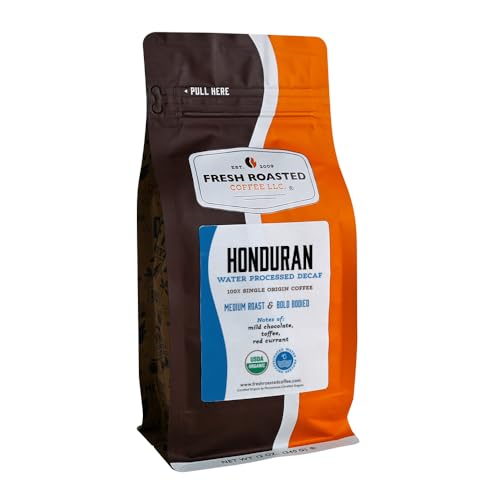
When choosing decaf without sacrificing quality, a coffee drinker who values both taste and sustainability might find Fresh Roasted Organic Honduran Decaf Coffee worth considering. I roast every batch in the U.S. using a Loring SmartRoaster, which cuts fuel use and emissions markedly. By 2024, solar power will make our operation one of the cleanest in the industry. The beans are USDA Organic, Kosher, and processed using the water method-no chemicals involved. Nitrogen flushing seals each bag or pod, locking in freshness. You can choose whole bean, ground, or pods, all from a lineup of over 80 organic single-origin options.
Best For: Coffee lovers who want a high-quality, sustainably roasted decaf that’s USDA Organic, chemical-free, and available in multiple formats.
Pros:
- Roasted using eco-friendly Loring SmartRoasters and powered by solar energy, minimizing environmental impact
- Water-processed decaffeination method removes caffeine without chemicals while preserving flavor
- Nitrogen-flushed packaging ensures long-lasting freshness across whole bean, ground, and pod options
Cons:
- Limited to online ordering, which may deter customers who prefer in-person purchases
- Specialty roasting and organic certification may result in a higher price point
- Honduran decaf may not appeal to those seeking bolder or more heavily roasted decaf profiles
Organic Honduran Coffee Beans – Fair Trade

I choose Organic Honduran Coffee Beans – Fair Trade when I want a premium, ethically sourced coffee that supports small farmers without compromising on quality. Grown in Marcala at 1300–1700 meters, these Arabica beans-Bourbon, Catuai, Caturra, Lempira, Typica-thrive in clay soils, giving a medium dark roast with bold notes of caramel, spice, and brown sugar. They’re roasted to order in small batches, so freshness is guaranteed. Sold as whole beans in 12oz packs, they work best when ground just before brewing. Fair Trade certified and farm direct, this coffee guarantees fair pay and planet-friendly practices-ideal for drip, pour-over, or French press.
Best For: Specialty coffee enthusiasts who value ethically sourced, high-quality Arabica beans with rich flavor and sustainable farming practices.
Pros:
- Fair Trade certified and farm direct, ensuring fair wages and support for small farming communities
- Grown at high elevations in nutrient-rich soils, producing a complex, full-bodied cup with notes of caramel, spice, and brown sugar
- Roasted to order in small batches for maximum freshness and flavor retention
Cons:
- Whole bean format requires a grinder for optimal brewing, which may be inconvenient for some users
- Higher price point compared to conventional or non-organic coffee brands
- Flavor profile may be too bold or intense for those preferring lighter, more acidic coffees
Factors to Consider When Choosing Honduran Coffee
You’ll want to take into account where the beans come from in Honduras, since regions like Copán or Marcala offer distinct flavor traits due to their altitude and soil. Think about roast level-lighter roasts highlight fruity notes, while darker roasts bring out chocolatey depth-and match the grind size to your brew method, whether it’s a fine grind for espresso or coarse for French press. Don’t overlook certifications like Fair Trade or Organic, and always check the flavor profile to align with your taste, whether you prefer bright and citrusy or smooth and nutty.
Origin Of Beans
Though Honduras doesn’t always come to mind as quickly as Colombia or Ethiopia, its coffee-growing regions produce some of the most balanced and complex beans in Central America. You’ll find most farms between 1,300 and 1,700 meters, where high altitudes slow bean development, leading to denser, more flavorful seeds. The country’s volcanic soils, especially in areas like Copán or Marcala, are rich in clay that holds minerals, boosting sweetness and acidity. Since Honduras sits in the “Bean Belt,” it benefits from steady tropical climates, ideal for Arabica. When you choose single-origin beans, you’re tasting specific microclimates-subtle differences in rain, temperature, and shade shape each cup. Look for region names on packaging; they matter. Beans from mountainous zones often have cleaner profiles than low-grown ones. If you want clarity and complexity, origin isn’t just marketing-it’s a practical signal of quality.
Roast Level Choice
When choosing Honduran coffee, the roast level you pick directly shapes the flavor, body, and overall experience of your brew. If you prefer bright, lively notes of tropical fruit and chocolate, go with a medium roast-it preserves the bean’s natural sweetness and balanced acidity. This roast works well in pour-over or French press, delivering a clean, vibrant cup. Opt for dark roast if you want bold, rich flavors like dark chocolate, caramelized sugar, and toasted nuts. Darker roasts give a fuller, smoother mouthfeel and suit espresso or drip machines. Keep in mind: lighter roasts highlight origin traits, while darker ones emphasize roast-driven flavors over terroir. Match the roast to your brewing method and taste preference. Medium offers versatility; dark delivers intensity. Choose based on how you brew and what you enjoy.
Certifications To Consider
Roast level influences flavor, but certifications tell you about how the coffee was grown, processed, and sourced. If you want to skip synthetic pesticides, go for USDA Organic-it means the beans meet strict farming rules. Choose Fair Trade if you care about fair pay and safe conditions for Honduran farmers. It’s not perfect, but it’s a step toward more ethical coffee. Need kosher-approved? Look for Kosher certification, which confirms the beans follow dietary processing rules. Want top-tier quality? Seek Specialty Grade, usually rated 84 or higher-this isn’t a gimmick, it’s a tested standard. And don’t ignore eco-focused labels that push for less carbon, better land use, and clean processing. These matter if sustainability is a real priority. You don’t need every label, but picking one or two helps align your brew with your values-without guessing what’s behind the bag.
Grind Size Options
Since grind size directly affects extraction and flavor, choosing the right one for your Honduran coffee matters just as much as the beans themselves. If you use a drip coffee maker or pour-over, go with a medium grind-it’s the most common option and delivers balanced results. For French press, choose coarse grind to reduce sediment and handle full immersion well. Fine grind is less common for Honduran beans but works for espresso machines, provided the grind is consistent to avoid clogs or weak shots. Whenever possible, buy whole beans and grind them just before brewing. This keeps the aromas sharp and the flavors fresh. Pre-ground coffee is convenient and usually tuned for auto-drip systems, but it loses intensity faster. Match your grind to your brewer, and you’ll get the most out of every cup.
Flavor Profile Preferences
You’ve picked your grind size to match your brewer, and that’s half the battle-now it’s time to think about what you want your coffee to taste like. Honduran beans, grown at 1,300 to 1,700 meters, often deliver a balanced cup with chocolate, caramel, and tropical fruit notes. If you like bright, clean flavors, go for a washed, medium roast-it’ll give you crisp acidity and sweet citrus or stone fruit tones. Prefer something richer? Try a honey-processed or dark roast, which brings out deeper flavors like toasted nuts and dark chocolate, along with a heavier body. Natural-processed beans can add bold fruitiness, though they’re less consistent. Specialty-grade lots (80+ SCA) offer cleaner cups and more distinct terroir-driven traits. Match the roast and process to your taste: lighter for brightness, darker for depth, and processing style for sweetness or complexity.
Freshness And Packaging
When picking Honduran coffee, the packaging tells you just as much as the origin or roast level. Look for nitrogen-flushed bags with one-way valves-they lock in freshness by blocking oxygen and letting gases escape. Always check the roast date; ideally, beans are roasted and packaged the same day to preserve peak flavor and aroma. Choose whole bean over pre-ground when possible-whole beans stay fresh longer since less surface area is exposed to air. Smaller batches often mean better freshness control, with shorter time from roaster to bag. Resealable packaging helps maintain quality once opened, especially in humid environments. Avoid vague “best by” dates-stick to brands that print actual roast dates. These details aren’t just packaging tricks-they’re practical indicators of flavor integrity. Paying attention now means better, brighter cups later.
Ethical Sourcing Practices
A coffee’s impact starts long before it reaches your brewer, and choosing Honduran beans means considering how they were grown and who grew them. Look for Fair Trade certification to guarantee farmers get fair pay and safe working conditions. Opting for direct trade coffees often supports better income stability for small farms, since you’re cutting out middlemen. Choose USDA Organic or other certified organic options when possible-they usually mean fewer chemicals, safer work environments, and more sustainable land use. Check if the brand funnels part of its profits into local initiatives like schools or clinics in coffee communities. Most importantly, go for brands that offer full traceability from farm to cup; that transparency makes it easier to confirm claims and hold companies accountable. You don’t need to sacrifice quality for ethics-many top Honduran roasts deliver both. Your choice shapes the supply chain, so make it count.
Frequently Asked Questions
Where Is Honduras Located?
You’ll find Honduras in Central America, nestled between Guatemala, El Salvador, and Nicaragua, with a coast on the Caribbean Sea. It’s a key coffee-producing region thanks to its mountainous terrain and tropical climate. If you’re grinding beans at home, you’ll want a burr grinder for consistency. Honduran beans often shine with medium roasts, bringing out balanced sweetness and mild acidity ideal for pour-over or drip brewing.
What Language Do Hondurans Speak?
You’re speaking Spanish when you’re in Honduras-everyone does. It’s the official language, used in daily life, on coffee farms, and at markets. Some also speak indigenous languages like Garifuna or Miskito, especially in coastal or rural areas, but Spanish dominates. If you’re visiting farms or buying beans directly, knowing basic Spanish helps. You’ll communicate better with growers, understand pricing, and get accurate details on harvest dates or processing methods. Learn key terms-it makes sourcing coffee more effective.
Is Honduran Coffee Grown at High Altitudes?
Yes, you’ll find most Honduran coffee grown at high altitudes, typically between 1,200 and 1,600 meters above sea level. These elevations slow bean development, leading to denser beans with brighter acidity and more complex flavors. Regions like Copán and Marcala thrive here, producing clean, balanced cups with notes of citrus and chocolate. High altitude also demands precise farming, so quality varies-look for specialty-grade lots from reputable estates or co-ops for the best results.
What Is the Climate Like in Honduras?
Honduras has a tropical climate with distinct wet and dry seasons, perfect for coffee. You’ll find warm days and cool nights, especially in high-altitude regions where most beans grow. This temperature shift slows bean development, boosting density and flavor. Rain falls mainly from May to October, while the dry season aids harvest. Consistent rainfall, combined with rich soil and elevation, creates ideal conditions for growing bright, clean-tasting arabica beans you can brew with confidence.
How Long Has Honduras Been Producing Coffee?
You’ve been harvesting coffee in Honduras since the late 1800s, around the 1880s to be exact. Farmers started small, but by the 20th century, they expanded rapidly thanks to ideal mountain terrain and government support. Today, you’re working with modern co-ops and global markets, using both traditional and precision farming methods to improve quality and consistency across regions like Copán and Marcala.