Best Manual Brewing Methods Coffee Lovers Swear By
You’ll get consistent, flavorful coffee with manual methods like pour over, AeroPress, or French press, especially when using a precision grinder like the 22g or F12 model. These grinders deliver uniform particles across 55–60 settings, ensuring ideal extraction. Their stainless steel burrs and durable builds handle daily use while staying travel-friendly. Pair grind consistency with proper technique, and you’ll avoid bitterness or sourness. Each method offers control and portability, ideal for home or on-the-go brewing-if you want to fine-tune your setup further, practical upgrades await.
We are supported by our audience. When you purchase through links on our site, we may earn an affiliate commission, at no extra cost for you. Learn more. Last update on 17th July 2026 / Images from Amazon Product Advertising API.
Notable Insights
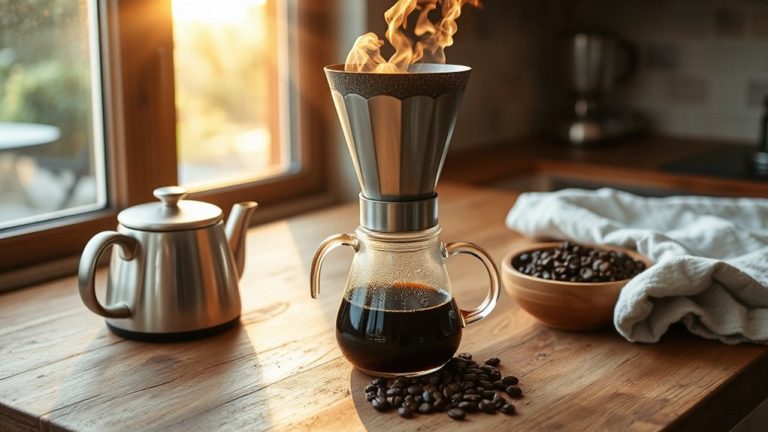
- Pour over methods like V60 and Chemex deliver clean, flavorful coffee with precise control over brew variables.
- French press produces rich, full-bodied coffee using a coarse grind and simple immersion brewing.
- AeroPress excels in portability and versatility, allowing both quick and cold brew-style extraction.
- Consistent grind size from a manual burr grinder ensures optimal extraction across all manual brewing methods.
- Metal filters in pour over or French press reduce waste and enhance flavor clarity compared to paper.
Syphon Tube Pipe Hose For Home Brew Wine Making Siphon Filter Soft Tube
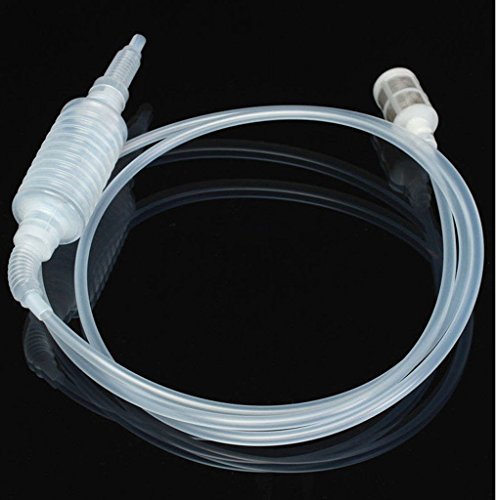
If you’re a home brewer looking for a simple, reliable way to transfer wine or beer without disturbing the sediment, the Syphon Tube Pipe Hose from Windspeed is a solid pick. I use it to move liquid from carboy to bottle without sloshing. It’s 1.6 meters long, made from food-grade PP-so it’s safe and taste-free. The filter keeps gunk out, and it works fast if you’ve got one container higher than the other. Just pinch the hose a few times and release to start flow. No power, no hassle. At under 2.5 ounces, it’s light and easy to store. I’ve used it for wine, beer, even cider-works every time.
Best For: Home brewers who need a lightweight, no-fuss siphon for transferring wine, beer, or cider without disturbing sediment.
Pros:
- Made from food-grade PP material, ensuring it is non-toxic and tasteless
- Includes a filter to prevent sediment and debris from transferring
- Easy to use with a simple pinch-and-release method requiring no power
Cons:
- Requires a height difference between containers for effective siphoning
- Plastic construction may feel less durable over long-term heavy use
- Filter may need cleaning or maintenance after repeated use to maintain flow efficiency
Manual Grain Mill, Stainless Steel Grinder

I rely on the Manual Grain Mill, Stainless Steel Grinder when I need precise, consistent grain crushing for homebrew beer-no electric motor required. Its carbon steel rollers and stainless steel housing deliver durability, while the 0–2.5mm adjustable gap guarantees a clean crush with minimal husk damage. The 4L hopper holds up to 11 lbs of grain, speeding up milling. I can crank it manually or attach a drill for faster processing. It handles barley, wheat, and corn reliably. At 6.83 pounds, it’s sturdy but portable. Built to last, it’s a no-fuss tool for serious homebrewers.
Best For: Homebrewers seeking a durable, manual grain mill with consistent crush performance and dual operation for efficient, high-quality beer brewing preparation.
Pros:
- Adjustable roller gap (0–2.5mm) ensures precise, even grinding with minimal husk damage
- Dual operation allows manual cranking or drill-powered grinding for versatility and speed
- Large 4L hopper holds up to 11 lbs of grain, improving milling efficiency
Cons:
- Requires a separate electric drill for power-assisted operation, not included
- Carbon steel rollers may require maintenance to prevent rust over time
- Released on August 6, 2025, so long-term user feedback is not yet available
22g Manual Coffee Grinder, 55 Settings

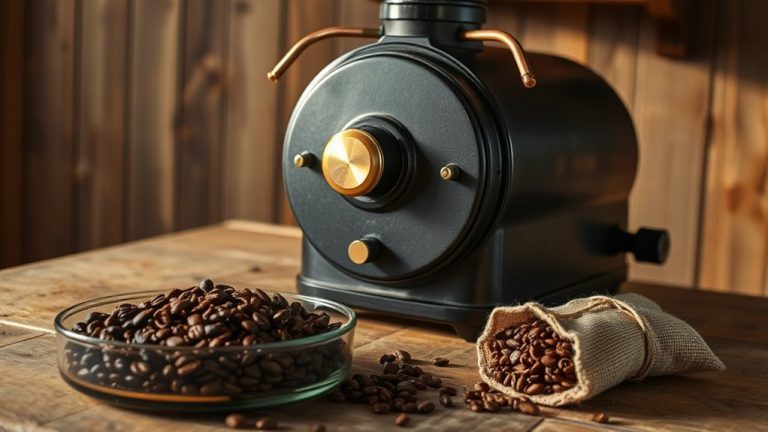
This 22g manual coffee grinder with 55 precise settings is ideal for coffee lovers who want full control over their grind size without relying on electricity. I use it for pour over, French press, and AeroPress, and the 304 stainless steel burrs deliver consistent results. The 22g capacity suits single servings, and the 55 adjustments let me fine-tune for any brew method. Its compact, lightweight design-just 566g and under 7.3 inches tall-makes it great for travel or small kitchens. I appreciate the ergonomic wood handle and durable aluminum alloy build. It includes a cleaning brush and clear instructions, so setup’s quick. No batteries needed.
Best For: Coffee enthusiasts who want precise, portable, and electricity-free grinding for single servings across various brew methods.
Pros:
- 55 precise grind settings with durable 304 stainless steel conical burrs for consistent grind quality
- Compact, lightweight design ideal for travel, camping, or small kitchens
- Ergonomic wood handle and durable aluminum alloy construction enhance comfort and longevity
Cons:
- 22g capacity limits it to single or small servings, not ideal for larger batches
- Manual operation requires physical effort, which may be tiring for fine grinds or frequent use
- Not suitable for high-volume or commercial use due to hand-crank design
F12 Manual Coffee Grinder – 30g Capacity
One compact grinder stands out for travelers and minimalists who value precision: the F12 Manual Coffee Grinder with a 30g capacity. I use its 5-axis CNC-machined body for consistent grinds, and the double-bearing shaft reduces wobble, making grinding faster and easier. The Japanese-made SUS420 stainless steel conical burr cuts beans cleanly without heat buildup, preserving flavor. I dial in my brew with 60 settings, from coarse for French press to fine for espresso. It weighs just 1 pound and fits in my pack-perfect for camping or travel. I clean it with a brush; no water needed. At 30g, it’s not for crowds, but it’s reliable, precise, and built to last.
Best For: Travelers, campers, and minimalists who prioritize portability and precision in manual coffee grinding.
Pros:
- Precision-engineered with 5-axis CNC construction and double-bearing shaft for consistent, low-effort grinding
- 60 adjustable grind settings accommodate a wide range of brew methods from French press to espresso
- Compact, lightweight (1 lb) design with easy maintenance-no water or detergents required
Cons:
- 30g capacity limits use for solo or small-batch brewing, not ideal for groups
- Manual operation requires physical effort compared to electric grinders
- Stainless steel burr, while durable, may not match the longevity of ceramic or high-end specialty steel burrs
22g Manual Coffee Grinder (Black)
You’ll get the most out of the 22g Manual Coffee Grinder (Black) if you value precision, portability, and full control over your grind without relying on electricity. I use it for pour-overs and French press, and its 55 settings give me consistent results every time. The stainless steel conical burr crushes beans evenly, improving flavor extraction. It’s compact-just 7.28 x 5.91 x 5.55 in-and light at under 1.3 pounds, so I pack it for camping without hassle. The wooden handle feels sturdy and reduces hand fatigue. While it holds only enough for one cup, that’s perfect for solo brewing or travel.
Best For: Coffee enthusiasts who prioritize precision, portability, and manual control for home, travel, or outdoor brewing.
Pros:
- Offers 55 precise grind settings with a stainless steel conical burr for consistent, flavor-optimized results
- Compact, lightweight design with a non-slip base and ergonomic wooden handle makes it ideal for travel and comfortable use
- Compatible with multiple brewing methods like pour-over and French press, supporting versatile brewing experiences
Cons:
- Limited 22g capacity restricts use to single servings, making it impractical for larger groups
- Manual grinding requires physical effort, which may be tiring for frequent or high-volume use
- Fine grind settings may require practice to achieve optimal consistency for espresso-like brews
4L Manual Grain Mill Grinder with Hopper
A sturdy L Manual Grain Mill Grinder with Hopper suits home brewers who value control, consistency, and durability in their grain prep. I use it when I need precise, even crushes without electricity. Its carbon steel rollers and stainless steel housing handle heavy use, while the 1.06-gallon hopper holds up to 11 lbs-enough for most batches. I adjust the roller gap from 0 to 2.5 mm with precision screws, minimizing husk damage, which matters for clean extraction. I can crank it by hand or attach a drill for faster milling. It accepts both clockwise and counterclockwise rotation, so setup stays flexible. I rely on it for barley, wheat, and other dry grains.
Best For: Home brewers seeking a durable, manually operated grain mill with precise grind control and dual compatibility for hand-crank or drill-powered operation.
Pros:
- Carbon steel rollers and stainless steel construction ensure long-lasting durability and resistance to wear
- Adjustable roller gap (0–2.5 mm) enables precise, consistent crush with minimal husk damage for optimal brewing
- Dual operation mode supports both manual hand-cranking and electric drill attachment for increased efficiency
Cons:
- Requires a separate electric drill for motorized use, which is not included
- Manual operation may be labor-intensive for large batches despite the 11 lb capacity
- Limited to dry grains only, not suitable for wet or oily materials
Malted Grain Mill 2-Roller Stainless Steel Grinder

The Malted Grain Mill 2-Roller Stainless Steel Grinder suits homebrewers committed to control and consistency in their brewing setup. I use its adjustable 0–2.5mm roller gap to fine-tune grinds, protecting husks while maximizing yield. The stainless steel rollers and aluminum bars offer durability and reduce vibration. Its 4-liter hopper handles large batches, speeding up milling. I attach an electric drill for faster grinding, though the hand crank works fine. It’s built for malted grains like wheat, ideal for beer, not coffee. At nearly 9 pounds, it’s heavy enough to stay put. Just clamp it down. You won’t need anything pricier for small-scale brewing.
Best For: Homebrewers and craft brewers seeking a durable, adjustable malt mill for consistent, high-quality grain grinding in small-scale brewing operations.
Pros:
- Adjustable 0–2.5mm roller gap allows precise grinding with minimal husk damage for optimal extraction
- Stainless steel rollers and aluminum construction ensure durability, stability, and reduced vibration
- Compatible with electric drill attachment for faster grinding, plus a 4-liter hopper for high-volume processing
Cons:
- Electric drill required for motorized operation is not included
- Weight at nearly 9 pounds may reduce portability despite providing stability
- Specifically designed for malted grains, limiting versatility for other uses like coffee or spices
Factors to Consider When Choosing a Manual Brewing Method
You’ll want to match your grinder’s output to your chosen brewing method-consistent grinds matter most with espresso and pour-over, while a sturdy burr grinder gives you that control. Think about where you brew: if you’re traveling or camping, portability and durability become key, and stainless steel mills like the 2-Roller build hold up better than plastic. Manual grinders also let you fine-tune grind size on the fly, giving you flexibility without relying on electricity or preset settings.
Grind Consistency Control
Up to 60 precise grind settings on some manual grinders let you fine-tune coarseness from espresso-fine to French press coarse, giving you direct control over extraction. You’ll want a conical burr grinder with stainless steel burrs-they slice beans evenly instead of crushing them, producing uniform particles for better flavor. Inconsistent grinds lead to uneven extraction, with some bits over-brewing while others stay weak. High-precision mechanisms with tight tolerances reduce wobble and hand fatigue, keeping results consistent session to session. Some grain mills offer adjustable roller gaps from 0–2.5mm, but they’re less ideal for espresso or pour-over due to lower uniformity. Stick with purpose-built coffee grinders like the 1ZPRESSO J-Max or Timemore C2 if you’re serious about precision. A stable grind size means sweeter, cleaner coffee-no matter your method. Keep it consistent, and your brew will thank you.
Brewing Method Compatibility
Why does your grind size matter so much across different brewing methods? Because each brewer works best with a specific grind range-fine, medium, or coarse-to match its extraction time and filter type. Use a fine grind for AeroPress or siphon brewing, where water moves quickly through coffee. Go coarse for French press, so you avoid sludge and over-extraction. Pour-over methods like Chemex or V60 work best with medium to medium-fine grinds. Metal filters, like in some AeroPress recipes, demand consistent particle size to prevent clogging or bitterness. Inconsistent grinds lead to uneven extraction-some sour, some bitter. A manual grinder with conical burrs and 50+ settings gives you the control you need to adapt between methods. Match the grind to the device, and you’ll get better flavor every time-not just occasionally. It’s not fussy; it’s functional.
Portability And Travel Use
When space and weight matter, compact manual brewing setups become essential for travelers who don’t want to sacrifice quality. Look for devices under 8 inches tall and weighing less than 1.5 pounds-they fit easily in backpacks and add minimal load. Lightweight builds, especially those using aluminum alloy, cut down on extra weight, making grinders like the 1Zpresso J-Mini ideal for hiking or camping. A 20–30g bean capacity handles one to two cups, balancing output with portability. Models with sealed grinding mechanisms and built-in cleaning tools reduce maintenance and let you operate without power or running water. Non-slip bases and ergonomic handles keep your setup stable on uneven terrain, improving control and comfort outdoors. Choose gear that’s simple, self-contained, and built for movement if you’re brewing on the go.
Material Durability And Build
Durability starts with what your brewer is made of-choose materials that won’t crack, corrode, or wear down after a few months. Look for food-grade stainless steel components like 304 or SUS420, which resist rust and handle daily use well. Carbon steel rollers and aluminum alloy housings add strength, keeping parts stable under pressure. Avoid plastic builds when possible-metal housings and conical burrs last longer and won’t deform over time. Precision-made parts, especially those crafted with 5-axis CNC technology, fit tightly and reduce wear, ensuring your grinder works the same way months from now. Models with double-bearing center shafts keep internal parts aligned, lowering stress and extending life. These features matter most if you grind daily or rely on consistency. While some durable options cost more upfront, they save money long-term by avoiding frequent replacements. Pick a build that matches your routine-sturdy materials pay off.
Manual Operation Flexibility
If you’re often on the move or switch between brewing setups, manual grinders with dual operation-like hand-crank plus a power-assist option-give you real flexibility. You can grind quickly with power at home or go hands-free when outlets aren’t available. Look for models with 55+ grind settings so you can fine-tune from fine espresso to coarse French press. Adjustability between 0–2.5mm covers most brew methods reliably. Lightweight units under 1.3 pounds and under 8 inches tall fit easily in bags for camping or travel. Stainless steel, carbon steel, or aluminum alloy construction keeps them durable without adding bulk. Ergonomic touches-like non-slip bases, wooden handles, or geared mechanisms-cut down on hand fatigue during grinding. These features make your process smoother, especially over time. You’ll get consistent results whether you’re powering through morning coffee at home or brewing solo in the wild.
Capacity For Batch Size
A 22g to 30g bean capacity suits your daily single-cup routine, letting you grind just enough for one serve of pour-over, Aeropress, or espresso without waste. If you’re brewing for one, small-capacity grinders keep beans fresh and reduce effort. But if you regularly serve more, look for larger hoppers-some hold up to 4 liters, milling about 11 pounds of grain per load. That cuts refills and speeds up prep for bigger batches. Matching your grinder’s capacity to your batch size improves efficiency and flavor, since fewer stops mean consistent grind quality. For frequent or group brewing, higher throughput and bigger storage help you scale without hassle. Models with larger hoppers save time and effort when making multiple cups, though they take up more space. Choose based on how much you brew daily-small for simplicity, large for volume.
Frequently Asked Questions
How Do I Clean My Manual Coffee Grinder?
You disassemble the grinder, removing the burrs and hopper. Brush out coffee oils and residue with a soft brush or dry cloth. Use rice flour or a commercial grinder cleaning tablet to absorb oils if needed. Wipe parts carefully and let them air-dry fully before reassembling. Never soak metal parts. Rebuild the grinder and run a few grams of old coffee through it to clear dust.
Can I Use a Manual Grinder for Tea Leaves?
Yes, you can use a manual grinder for tea leaves, but it’s not ideal. Most manual grinders are built for coffee beans and might not crush delicate tea leaves evenly. You’ll risk over-grinding or clogging the burrs, especially with fluffy herbal blends. If you do, clean it thoroughly afterward to avoid flavor transfer. For best results, use a dedicated grinder or a mortar and pestle made for tea.
Are Stainless Steel Grinders Better Than Plastic Ones?
Yes, stainless steel grinders are generally better than plastic ones. They’re more durable, resist static, and retain less odor. Metal gears handle frequent grinding without wearing down quickly. Plastic parts can crack over time, especially in manual grinders. High-end models like the 1Zpresso Q2 use stainless steel for consistency. But some plastic grinders, like the Hario Skerton Pro, work fine for occasional use. Choose steel if you grind daily or want longevity.
How Often Should I Replace My Syphon Tube?
You should replace your syphon tube every 6 to 12 months with regular use. Heat and pressure stress the glass over time, increasing crack risk. If you spot cloudiness, etching, or hairline fractures, swap it out sooner. High-quality tubes like those from Hario or Cona last longer with careful handling. Clean it gently after each brew-avoid sudden temperature changes. A damaged tube risks breaking during use, so inspect it regularly and don’t wait for failure.
Do Manual Grinders Work for Espresso Beans?
Yes, you can use manual grinders for espresso beans, but only if they offer precise, fine grind adjustments. Most manual grinders, like the 1Zpresso J-Max or Handro H2, handle espresso well when dialed correctly. You’ll need steady hand strength and patience since finer grinds take more turns. Inconsistent particle size or static buildup might hurt extraction. For best results, pick a high-quality conical burr grinder designed for versatility. It’s doable, but not always ideal.