Best Manual Coffee Roasters: Hand-Crank Picks Compared
You’ll get even, controlled roasts with top-rated manual roasters like the Nuvo Eco Ceramic and CAFEMASY models, both durable and precise for gas stovetop use. The SA&MC hand-crank model adds real-time temp monitoring, while glass and stainless steel options offer visibility and heat resilience. Most handle 30–120g per batch, ideal for small, fresh batches. They’re portable, dishwasher-safe, and flame-compatible, but demand constant attention. Compare features like thermometers, capacity, and clean-up to match your setup-your next-level roast choice depends on these details.
We are supported by our audience. When you purchase through links on our site, we may earn an affiliate commission, at no extra cost for you. Learn more. Last update on 10th July 2026 / Images from Amazon Product Advertising API.
Notable Insights
- Stainless steel and ceramic roasters offer durability and even heat distribution for consistent home roasting results.
- Models like the SA&MC hand-crank roaster provide real-time temperature monitoring with built-in thermometers for precision control.
- Optimal batch sizes up to 100 grams ensure even roasting, minimizing scorching and stalling risks.
- High borosilicate glass roasters allow full visibility during roasting and withstand temperatures up to 400°C.
- Manual roasters with waffle-patterned interiors or mesh designs enhance heat circulation for uniform bean development.
Nuvo Eco Ceramic Handy Coffee Bean Roaster
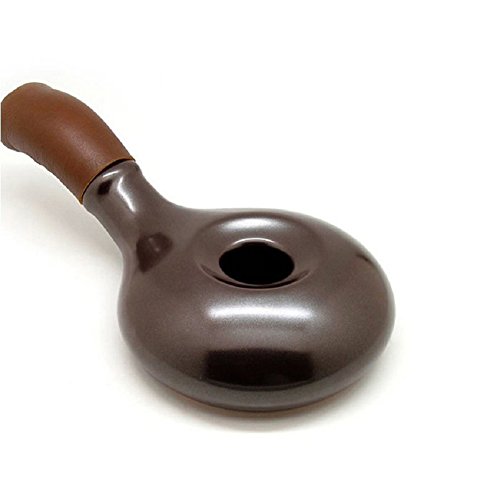
If you’re new to home coffee roasting and want a simple, no-frills tool to start with, the Nuvo Eco Ceramic Handy Coffee Bean Roaster works best for small-batch enthusiasts who value control and ease. I use it over a gas flame, and the 100% ceramic body heats evenly thanks to its waffle-shaped interior. It handles 30–70 grams, but I get the best results with 30 grams. Steam escapes through the rear hole, and I listen for the pops to track roast level. The cowhide grip stays cool, and cleanup’s easy-I toss it in the dishwasher. At 243 mm long, it’s compact enough for small kitchens. I wouldn’t use it for large batches, but for learning, it’s reliable and straightforward.
Best For: Home coffee roasting beginners and small-batch enthusiasts who want an affordable, hands-on tool with excellent heat control and easy cleanup.
Pros:
- Even roasting thanks to 100% ceramic construction and waffle-shaped interior for optimal heat circulation
- Compact, dishwasher-safe design with a heat-resistant cowhide grip for safe handling
- Audible feedback via crackling sounds and steam release hole helps monitor roast levels accurately
Cons:
- Limited capacity-best for 30g batches, not ideal for larger quantities
- Requires constant attention and manual shaking over a gas flame
- Not suitable for electric stoves due to open-flame requirement
SA&MC Hand-Crank Coffee Roaster with Thermometer

The SA&MC Hand-Crank Coffee Roaster with Thermometer suits hands-on coffee lovers who want full control over their roast without relying on electricity. I use it on my gas stove, but it works just as well on BBQs or camping burners. The stainless steel build feels durable, and the hand-crank guarantees even roasting while the thermometer gives me real-time temp feedback. I can watch bean color through the large opening, which helps me nail the roast level. It’s lightweight and compact-easy to store or take on trips. Just don’t expect to roast large batches; it’s best for 1 or 2 servings at a time. Clean-up is by hand, since it’s not dishwasher safe.
Best For: Hands-on coffee enthusiasts who want precise, manual control over small-batch roasting without electricity.
Pros:
- Durable stainless steel construction with a built-in thermometer for accurate temperature monitoring
- Even roasting achieved through hand-crank operation and rotating drum design
- Portable and compact, ideal for home stoves, camping, or outdoor use
Cons:
- Limited capacity, suitable only for 1–2 servings per batch
- Requires manual effort and constant attention during roasting
- Not dishwasher safe, necessitating hand cleaning after use
Portable Glass Coffee Bean Roaster

I prefer this portable glass coffee bean roaster when I want full control over small batches and don’t mind hands-on roasting, since visibility through the high borosilicate glass lets me watch the color change in real time. It handles up to 80g per batch and works on gas, electric (with diffuser), or over a campfire. I use heat-resistant gloves-it gets hot, up to 400°C. The smooth glass won’t hold oil, and a quick wipe or dishwasher cycle cleans it easily. Made by lpylxingyan (model haixngtaoci, ASIN B0FG7Q9RRV), it’s lightweight at just 11.6 oz. Great for home trials, though it needs constant attention.
Best For: Home coffee enthusiasts who value real-time visual control and hands-on involvement in small-batch roasting.
Pros:
- Transparent high borosilicate glass allows real-time monitoring of roast levels for precise flavor development
- Compatible with multiple heat sources including gas, electric (with diffuser), and campfire for versatile use
- Smooth, non-porous glass surface resists coffee oil stains and is dishwasher-safe for easy cleaning
Cons:
- Requires constant attention during roasting to avoid burning the beans
- Not suitable for large batches, limited to 50–80g per roast
- Plastic handle may raise durability concerns under prolonged high-heat exposure
CAFEMASY Portable Coffee Bean Roaster

Roasting coffee at home lets me control every detail, and the CAFEMASY Portable Coffee Bean Roaster stands out for anyone who values mobility without sacrificing craftsmanship. I use it indoors on my gas stove or outdoors while camping-it’s that versatile. The stainless steel mesh pan and wooden handle stay cool and resist wear, and the built-in thermometer helps me track progress. I keep the heat at medium and shake regularly; first crack hits around 9 minutes, giving me time to adjust for light or medium roasts. It handles up to 120g per batch and creates smoke, so I avoid small rooms. I clean it fast with soapy water. Unlike glass roasters, this one’s durable and travel-ready.
Best For: Home and outdoor coffee enthusiasts who value portability, durability, and hands-on control over their roasting process.
Pros:
- Portable and durable stainless steel design with a heat-resistant wooden handle, ideal for travel, camping, and indoor use
- Built-in thermometer and mesh visibility allow precise monitoring of roast level and temperature in real time
- Easy to clean and dishwasher safe, with a secure buckle and even heat distribution for consistent roasting
Cons:
- Produces smoke during roasting, which may trigger smoke alarms and limits indoor use in small spaces
- Manual shaking required throughout the process, demanding constant attention for even roasting
- Limited capacity of 120g per batch, making it less suitable for large-scale or frequent roasting needs
Ceramic Coffee Roaster Machine for Home

If you’re someone who values flavor control and hands-on brewing without the noise or cost of electric roasters, a ceramic coffee roaster may be your best fit-especially if you roast small batches at home. I use the Bafelia Ceramic Coffee Roaster, a stovetop model made from heat-resistant, eco-friendly ceramic that delivers even heating. It’s light, at just 1.1 pounds, and its extended handle stays cool, so handling is safe. The set includes a coffee spoon and insulation gloves. It’s not for large batches, but if you want full control and better flavor than open-flame methods, this tool works well.
Best For: Coffee enthusiasts who prefer manual, small-batch roasting with greater flavor control and a quiet, eco-friendly alternative to electric roasters.
Pros:
- Even heat distribution from eco ceramic material enhances coffee flavor compared to open-flame roasting
- Lightweight and safe to handle with a heat-resistant extended handle and included insulation gloves
- Compact design with included accessories (coffee spoon and gloves) ideal for home stovetop use
Cons:
- Not suitable for large batches, limiting output for high-volume coffee drinkers
- Requires constant manual attention and stirring during roasting process
- Stovetop-only use may not accommodate all cooking setups or preferences
Topyond Stainless Steel Coffee Bean Roaster

The Topyond Stainless Steel Coffee Bean Roaster suits hands-on coffee enthusiasts who want full control over small to medium batches, especially those roasting 200–250 grams at a time. I use it on my gas stovetop, and the stainless steel body holds up well to high heat while the beech wood handle stays cool. The observation window lets me track bean changes without opening it, and the adjustable support fits my setup perfectly. It’s simple, multipurpose, and great for home use or small spaces. I’ve even roasted peanuts with it. Just remember-no lamp’s included, and you’ll need to monitor time and temp yourself.
Best For: Hands-on coffee enthusiasts who want full control over roasting small to medium batches of beans at home.
Pros:
- Durable stainless steel construction with heat-resistant performance and ergonomic beech wood handle
- Observation window allows real-time monitoring of bean color and shape during roasting
- Adjustable support and horizontal pitch control enhance compatibility with various setups and enable multipurpose use like roasting nuts
Cons:
- Requires manual monitoring of roast time and temperature with no automatic controls
- Limited to batch sizes of 200–250 grams, which may not suit high-volume needs
- Lamp not included, potentially making it harder to monitor beans in low-light environments
CAFEMASY Portable Coffee Bean Roaster with Thermometer

You’ll get the most out of the CAFEMASY Portable Coffee Bean Roaster if you enjoy roasting outdoors or on the go, since it’s built for mobility and open-flame use. I use it over my gas stove or while camping, and the stainless steel mesh with grooved base spreads heat evenly. The built-in thermometer helps track roast temps accurately. I keep batches to 120g for best results and shake it constantly over medium heat-first crack hits around 9 minutes. It’s lightweight, easy to clean by hand or in the dishwasher, but it gets smoky, so I never use it indoors. Perfect for travelers or coffee lovers who want full control outside.
Best For: Coffee enthusiasts who enjoy roasting beans outdoors or on the go with full control over the roasting process using an open flame.
Pros:
- Portable, lightweight design ideal for camping, travel, and outdoor use
- Stainless steel mesh with grooved base ensures even heat distribution and visible roast monitoring
- Includes built-in thermometer and handles up to 120g per batch for precise, consistent results
Cons:
- Produces smoke that may trigger alarms, limiting indoor use
- Requires constant shaking and attention during roasting for even results
- Not suitable for large batches, max capacity is 120g per roast
Coffee Roaster Bundle with Accessories

Who wouldn’t want a complete setup that handles roasting, measuring, and cleanup right out of the box? I use the Fresh Roast SR800 bundle, and it’s built for real home roasting. It roasts 6–8 oz per batch-perfect for small batches. The glass extension tube boosts heat flow and bean movement so roasts stay even. You get four 1-pound bags of green beans, plus sample trays to keep things organized. The included digital scale measures in grams or ounces, tracks weight loss, and has a timer for brewing. A chaff brush helps clean the basket fast. It’s 120 volts, plugs into any standard outlet, and everything fits neatly on a countertop.
Best For: Home coffee roasters who want an all-in-one starter bundle with roasting, measuring, and cleaning tools for small-batch, precise coffee production.
Pros:
- Includes everything needed to start roasting: roaster, green beans, scale, and cleaning tools
- Glass extension tube enhances heat distribution and bean movement for more even roasts
- Digital scale features weight tracking and built-in timer for roasting and brewing precision
Cons:
- Limited batch size of 6–8 oz may not suit those needing larger roasts
- Manual operation mode lacks automation, requiring active monitoring during roasting
- 13.57-pound weight and nearly 20-inch height may be bulky for small kitchens
Factors to Consider When Choosing Manual Coffee Roasters
You’ll want to contemplate material durability when picking a manual roaster-stainless steel models like the FreshRoast SR500 last longer than thin aluminum ones. Think about how much you plan to roast at once, since capacity affects batch size and heat control, and make sure your roaster works with your heat source, whether it’s a gas stove, electric coil, or hot air popper setup. Don’t overlook cleaning ease, portability, and how those factors shape your roasting routine over time.
Material Durability
Durability hinges on material choice when selecting a manual coffee roaster for home use. You’ll want ceramic if heat retention and resistance to thermal shock matter-its dense structure handles repeated high-heat cycles without cracking. Look for models with heat-resistant glazes to prevent surface wear and prolong lifespan, especially on stovetop setups. Stainless steel is another solid pick, offering long-term strength and corrosion resistance even over open flames. It won’t degrade easily with daily use, making it ideal for frequent roasting. High borosilicate glass, like that used in some transparent roasters, resists thermal stress and can endure temps up to 400°C-great for monitoring bean color without compromising safety. Reinforced handles made from wood or insulating composites reduce heat transfer and add grip strength, minimizing wear at stress points. Choose based on your heat source and routine to maximize longevity.
Roast Capacity
Material quality sets the foundation for performance, but how much you roast at once directly affects the outcome. Most manual roasters handle 30 to 250 grams per batch. For best results, stick to batches under 100 grams-they roast more evenly thanks to better heat distribution and easier stirring. If you go larger, say over 200 grams, you’ll need to shake more often to avoid uneven tones or scorching. Even then, aim to use only two-thirds of your roaster’s max capacity. That gives beans room to move and heat properly. Overloading causes stalling, uneven development, and burnt tips. Think twice before pushing limits-consistency trumps volume here. Smaller batches also let you fine-tune profiles, especially with green beans that demand precision. You’ll get clearer flavors and fewer flaws. So match capacity to your needs: hobbyists thrive with 100g or less, while larger runs demand extra effort. Choose smart-not full.
Heat Source Compatibility
When picking a manual coffee roaster, how it interacts with your heat source matters just as much as its size or build. You’ll need to match the roaster to your stove or burner setup. If you’ve got a gas range, most stainless steel and borosilicate glass models work well-glass handles direct flame and thermal shocks up to 400°C. But on electric coils, you’ll often need a heat diffuser to avoid hot spots or warping, especially with steel roasters. Some manual roasters only work with open flames, so they’re ideal for campfires or propane burners, making them great for outdoor use. Portable units often rely on propane, skipping electricity altogether. Always check the material and design before buying-using the wrong heat source can hurt performance or ruin the roaster.
Ease Of Cleaning
After sorting out which heat sources work with your setup-whether gas, electric, or propane-you’ll want to think about how easy it is to keep your roaster clean. Models with smooth, non-porous surfaces like glazed ceramic or borosilicate glass resist oil buildup and wipe clean with just water and mild soap. If you prefer convenience, some roasters are dishwasher safe, cutting down cleanup time markedly. Avoid designs with mesh or perforated interiors when possible-they trap chaff and oils, needing brushing or rinsing after every batch. Roasters with removable parts, like stainless steel trays or detachable chaff collectors, make deep cleaning easier and more effective. Non-stick coatings or stain-resistant materials also help, letting you handle residue with warm soapy water or a wipe with baking soda. Prioritize designs that balance durability with low-maintenance care, so cleaning stays simple and consistent over time.
Portability
A few manual coffee roasters stand out for their travel-friendly design, and if you plan to roast on the go, weight and size matter most. Look for models under 1.5 pounds and smaller than 14 x 6 x 3 inches-they fit easily in a backpack or camping gear. Many portable roasters use stainless steel or heat-resistant glass, so they hold up in rugged conditions without cracking or warping. Since they need no electricity, you can roast over a campfire, stove, or portable burner, making them ideal for remote spots. Features like foldable handles, detachable parts, and built-in thermometers save space without sacrificing function. Some even have dishwasher-safe components, so cleanup’s simple when water access is limited. You’ll trade some capacity for mobility, but if you value fresh roast coffee while hiking, traveling, or off-grid, these compact units deliver where larger roasters can’t go.
Temperature Control
While you can’t set and forget the heat on a manual coffee roaster like an automatic machine, you still have ways to stay in control-built-in thermometers give you real-time bean temperature readings, helping you stay within the 180°C to 250°C range critical for even roasting. Look for models with observation windows or clear chambers so you can watch color changes, a visual cue for roast stage. Roasters with waffle-patterned interiors or grooved mesh bases promote even heat distribution, reducing hot spots. If you’re using a gas stove, you’ll get quicker, more precise heat adjustments than with slower electric coils. You’ll need to shake or crank the roaster constantly-this keeps beans moving and prevents uneven roasting. Manual effort is non-negotiable, but good design helps you manage it effectively. Prioritize thermometers, visibility, and heat-responsive materials for better control.
Frequently Asked Questions
How Long Does It Take to Roast a Batch Manually?
You’ll usually need 10 to 15 minutes to roast a batch manually, depending on your equipment and bean type. Stovetop poppers like the Whirley Pop take about 5–7 minutes on medium-high heat, while cast iron roasters such as the FreshRoast SRC require closer to 12–15. You’ve got to stay hands-on, shaking or stirring constantly for even heat. Darker roasts take longer, but going too slow risks baking instead of roasting.
Can I Use These Roasters Outdoors Safely?
Yes, you can use manual coffee roasters outdoors safely, as long as you roast in a well-ventilated area away from flammable materials. Models like the FreshRoast SR500 or HandCrank Roaster work well outside, where smoke and chaff won’t be an issue. Always monitor the roast closely, keep a fire extinguisher nearby, and avoid windy or wet conditions. Outdoor roasting reduces indoor mess and odor, making it a practical choice for regular use.
Do Manual Roasters Require Electricity to Operate?
No, you don’t need electricity to run manual coffee roasters-they rely on your control and an external heat source like a gas stove or campfire. You’ll crank the handle yourself to keep beans moving, ensuring even roasting. Models like the Whirley Pop or Hand Crank Popcorn Popper work this way. They’re portable and great for outdoor use, but demand close attention. Expect a learning curve, but gain independence from power outlets and more hands-on control over the roast.
Are Replacement Parts Available for These Models?
Yes, you can usually get replacement parts for most manual coffee roasters. Brands like FreshRoast, Gene Cafe, and Poppery offer available components such as chaff trays, roasting drums, or heaters. Manufacturers often sell them directly, and third-party suppliers sometimes carry compatible options. Keep in mind that older models may have limited availability, so check warranty terms and part numbers early. Having spares on hand helps avoid downtime during regular use.
Is Home Roasting Louder Than Using Electric Machines?
Yes, home roasting with manual machines is usually louder than using electric ones. You’re turning a crank or spinning a drum by hand, which creates more noise from friction and movement. Electric roasters run smoother and often have sound-dampening features. If you’re roasting in a shared space or at night, the extra noise from manual models might bother others. Consider where and when you roast to avoid disruptions.