Best Pour Over Coffee Filters for a Perfect Brew Every Time
Choose Hario V60 Size 02 or Chemex Square filters for the most consistent, clean brews. They’re made from unbleached, compostable paper that enhances clarity and reduces bitterness. Hario’s precision fit prevents channeling, while Chemex’s thicker paper traps oils and sediment. Match filter size exactly to your brewer-ill-fitting filters cause leaks or poor extraction. Pre-wet to remove paper dust and stabilize flow. For long-term value and performance, these outperform generic cones. You’ll see why top brewers rely on them.
We are supported by our audience. When you purchase through links on our site, we may earn an affiliate commission, at no extra cost for you. Learn more. Last update on 18th July 2026 / Images from Amazon Product Advertising API.
Notable Insights
- Choose Hario V60 Size 02 filters for optimal flavor clarity and precise fit with Hario brewers.
- Use Chemex square filters for superior sediment and oil filtration, ensuring clean, smooth coffee.
- Opt for unbleached, oxygen-bleached, or chlorine-free paper to avoid chemical aftertaste.
- Ensure exact size match between filter and brewer to prevent channeling and overflow.
- Select thicker, high-density filters to reduce bitterness and improve extraction consistency.
Clinuse #2 Cone Coffee Filters (200 Count)
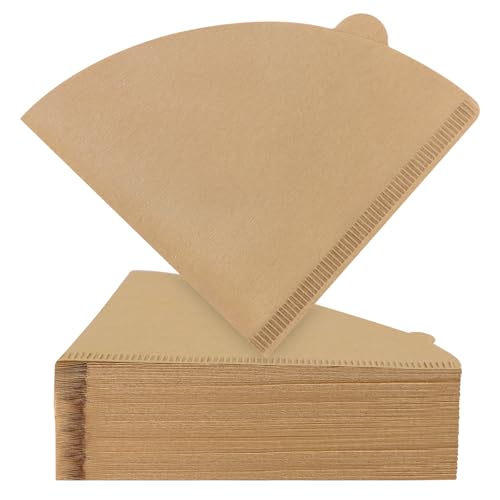
If you brew pour-over coffee daily and want a reliable, eco-friendly filter that delivers consistent results without altering the taste, the Clinuse #2 Cone Coffee Filters are a solid choice. I use them with my 4-cup brewer, and they fit perfectly. Made from unbleached natural paper, they’re biodegradable and free of chemicals, so they don’t affect flavor. The V-shaped cone slows water flow, improving extraction for a smoother cup. Fine, even paper filters out grit and oils, reducing bitterness. Each filter has a handy tab for easy handling. A pack of 200 lasts over six months with daily use. They’re vacuum-sealed for freshness and work in most #2 cone brewers.
Best For: Daily pour-over coffee drinkers seeking an eco-friendly, unbleached filter that enhances flavor extraction without chemical residues.
Pros:
- Made from 100% biodegradable, unbleached natural paper, free of fluorescent agents, adhesives, and chemicals
- V-shaped conical design improves water flow and extraction for a smoother, mellow cup of coffee
- Includes 200 vacuum-sealed filters with a handling tab, offering long-lasting use and freshness
Cons:
- Slight dimensional variation (±0.2 inches) may affect fit in some #2 cone brewers
- Paper thickness may slow brewing time for users who prefer faster pours
- Limited to 2–4 cup brewers, not suitable for larger coffee makers
Melitta #2 Cone Coffee Filters (100 Count)

I reach for Melitta #2 Cone Coffee Filters when I want a clean, grit-free pour over without compromising flavor or reliability. These natural brown, cone-shaped filters fit 1-cup non-electric brewers and 2-6 cup electric models. Made from thicker, chlorine-free paper, they trap sediment and oils while letting rich flavors through. The double crimped edge resists tearing, and microfine perforations guarantee even extraction. They’re compostable (BPI certified), FSC certified, and packaged in 100% recycled paperboard. I trust they’re made in the USA by the brand that invented the coffee filter-consistent, eco-conscious, and never discontinued.
Best For: Coffee enthusiasts who prefer a clean, flavorful pour-over or electric cone brewing experience with eco-conscious, durable, and reliable filters.
Pros:
- Made from thicker, chlorine-free paper for a smoother, grit-free brew with optimal flavor extraction
- Features a double crimped edge and microfine perforations for tear resistance and even brewing
- Eco-friendly with BPI and FSC certifications, compostable, and packaged in 100% recycled paperboard
Cons:
- Limited to cone-style brewers, not compatible with flat-bottom or other filter types
- Natural brown paper may impart a slight papery taste to sensitive palates during first use
- Only 100 count per pack, which may require frequent repurchasing for daily users
Hario V60 Paper Coffee Filter, Size 02, Natural, 100ct

I use the Hario V60 Paper Coffee Filter, Size 02, because it’s the best choice for anyone brewing 1 to 4 cups with a cone-shaped pour-over, especially the Hario V60 brewer it’s designed for. Made from 100% unbleached paper, these natural filters give clean, sediment-free coffee without chemical aftertaste. Their cone shape fits perfectly, improving contact and flow. I find they enhance clarity and flavor, outperforming generic brands. Each pack holds 100 filters, so I never run out. They’re disposable, making cleanup quick. I’ve used them since they launched in 2010-they still rank among the top.
Best For: Coffee lovers who use cone-shaped pour-over brewers, especially the Hario V60 Size 02, and prefer clean, flavorful coffee with minimal cleanup.
Pros:
- Designed specifically for Hario V60 Size 02, ensuring a perfect fit and optimal brewing performance
- Made from 100% unbleached paper, providing a natural brew without chemical aftertaste
- Delivers clean, sediment-free coffee with enhanced clarity and flavor compared to generic filters
Cons:
- Single-use design creates ongoing cost and environmental waste over time
- May fit too snugly or loosely in non-Hario cone brewers of similar size
- Some users may prefer reusable metal or cloth filters for sustainability
Chemex Natural Coffee Filters, Square, 100ct – Exclusive Packaging

The Chemex Natural Coffee Filters, Square, 100ct – Exclusive Packaging, stand out with a 20–30% thicker construction than most standard paper filters, making them a top pick for pour over enthusiasts who want cleaner, grit-free coffee without oily residue. I use them in my Chemex because the specialized paper reduces bitterness by trapping more oils and fine grounds. They fit all Chemex models except the CM-1 series. Just fold the filter along the seams, open into a cone, and align the triple-layer side with the spout. Each pack holds 100 filters, so I rarely run out. These aren’t cheap, but they’re consistent-key for a reliable brew.
Best For: Pour over coffee enthusiasts seeking a clean, flavorful brew with minimal bitterness and oils using a Chemex coffeemaker.
Pros:
- 20–30% thicker than standard filters for superior filtration and reduced bitterness
- Specialty paper traps oils, fines, and sediment, delivering a smooth, clean cup
- Precisely fits all Chemex models except CM-1 series, with easy folding and alignment
Cons:
- Higher cost per filter compared to generic paper filters
- Limited compatibility-does not fit CM-1, CM-1C, or CM-1GH models
- Requires proper folding technique for optimal performance
Hario V60 Paper Coffee Filter, Size 02, White, 200ct

Anyone brewing pour-over coffee with a Size 02 cone, especially the Hario V60, will find these 200-count white paper filters a reliable choice. They’re made from 100% oxygen-bleached paper, which traps oils and sediment without adding paper taste. Each filter fits snugly in the brewer, ensuring consistent flow and even extraction. I use them with 1 to 4 cups of coffee-anytime I want clean, bright results. The 200-count pack (two 100-filter sleeves) lasts a while, and the slim design stores easily. They’re not reusable, so ongoing cost and waste add up slightly, but for daily V60 brewing, I haven’t found a better fit.
Best For: Pour-over coffee enthusiasts using a Size 02 cone brewer, especially the Hario V60, who prioritize clean, sediment-free coffee with consistent extraction.
Pros:
- Made from 100% oxygen-bleached paper for a clean taste with no paper aftertaste
- Fits snugly in Size 02 cone brewers, ensuring even extraction and optimal flow
- Pack of 200 (two 100-filter sleeves) offers great value and long-lasting supply
Cons:
- Designed for single use, leading to ongoing cost and environmental waste
- Only compatible with Size 02 cone brewers, limiting versatility
- Slim packaging may be prone to tearing if not handled carefully
Pre-folded Unbleached Coffee Filters – 50 Pack

Bake Choice’s Pre-folded Unbleached Coffee Filters in the 50-pack suit anyone using pour-over brewers designed for 5 to 13 cups, especially if speed and consistency matter. I like that they’re pre-folded-no fiddling with paper, just pop one in and go. They’re cone-shaped, square when flat, and fit most standard brewers. Made from natural, unbleached Canadian pulp, they’re FSC-certified, compostable, and free of chemicals, so cleanup’s easy and they’re better for the planet. I’ve found they filter out grit and foam well, giving me a cleaner cup with less bitterness, no matter the roast. At 50 filters, the pack lasts a while, and they store neatly. You’ll save time and get reliable results, which makes mornings easier.
Best For: Home baristas who use pour-over coffee makers and value quick setup, clean brewing, and eco-friendly, chemical-free filters.
Pros:
- Pre-folded design saves time and ensures consistent, even brewing with no manual folding required
- Made from natural, unbleached, FSC-certified Canadian pulp-compostable and environmentally responsible
- Delivers a cleaner cup by reducing bitterness, sediment, and foam across all roast profiles
Cons:
- Not compatible with pour-over brewers outside the 5–13 cup range
- Square unfolded shape may not fit non-standard or specialty brewers perfectly
- Limited pack size of 50 may require frequent reordering for daily users
200 Count Unbleached Coffee Filters

Looking for a filter that keeps your brew clean and chemical-free? I use DechoPak’s 200 count unbleached coffee filters-they’re made from natural log pulp with no bleaching, so there’s no risk of chemical residues. Their edge-pressed design skips adhesives, which means no weird tastes or leaks. The #2 cone size fits most pour over devices, including Ninja machines and standard drip brewers. With 200 filters, I don’t run out quickly, even with daily use. They’re strong, resist tearing, and filter out grit while preserving flavor. Ideal for home, travel, or coffee shops.
Best For: Home brewers, coffee shop professionals, and outdoor enthusiasts seeking a chemical-free, high-performance coffee filter for daily use with pour over or drip coffee makers.
Pros:
- Made from unbleached natural log pulp with no chemical residues, ensuring a clean, pure coffee taste
- Edge-pressed design eliminates adhesives, preventing leaks and off-flavors
- High tear resistance and precision filtration deliver a smooth, balanced brew with minimal sediment
Cons:
- May fit loosely in some non-standard #2 filter baskets, risking slippage during brewing
- Natural unbleached paper has a slightly papery aroma when first used, which may affect sensitive palates
- Sourced from and manufactured in China, which may be a concern for buyers preferring locally made products
Hario V60 Paper Coffee Filter, Size 02, Natural, 200ct

I reach for the Hario V60 Paper Coffee Filter, Size 02, when I want a clean, grit-free pour over with bright flavor clarity-ideal for anyone using a V60 Size 02 dripper, whether glass, ceramic, or plastic. Made in Japan from natural paper, these unbleached filters fit snugly and reduce sediment. Each pack holds 200 filters, so I rarely run out. They’re designed specifically for 1–4 cup brews, and I’ve found they drain evenly when I follow standard pour-over timing. Hario’s been making quality glassware since 1921, and their attention to detail shows in the filter’s consistent shape. No plastic aftertaste, no tearing-just reliable performance.
Best For: Coffee enthusiasts using a V60 Size 02 dripper who want clean, sediment-free pour-over coffee with bright flavor clarity.
Pros:
- Made in Japan with high-quality, natural unbleached paper for pure taste and no aftertaste
- Precisely shaped to fit V60 Size 02 cone drippers securely and ensure even drainage
- Pack of 200 provides long-term convenience and consistent performance
Cons:
- Only compatible with V60 Size 02 drippers, limiting use with other brewing methods
- Paper filters require ongoing re-purchasing, increasing long-term cost
- Unbleached paper may require rinsing to remove slight paper taste for sensitive palates
Chemex Bonded Filter – Natural Square – 100 ct – Exclusive Packaging
The Chemex Bonded Filter – Natural Square – 100 ct – Exclusive Packaging is the go-to choice for pour-over enthusiasts who prioritize clarity and consistency in their coffee, especially those using a Chemex brewer. I find these filters 20–30% thicker than standard ones, made from specialty bonded paper that traps oils, sediments, and bitter compounds. They fit Chemex #6 brewers perfectly and deliver clean, bright coffee. The square cone shape is unique to Chemex, and the 100-count pack lasts a while. Sure, they cost more than average filters, but with a 4.8-star rating from over 10,000 reviews, they’ve proven their worth. I use them weekly-they’re reliable, effective, and built for one job: great coffee.
Best For: Pour-over coffee enthusiasts using a Chemex #6 brewer who value clean, bright, and sediment-free coffee.
Pros:
- 20–30% thicker than standard filters, effectively trapping oils, sediments, and bitter compounds
- Specialty bonded paper ensures consistent, high-quality extraction and bright flavor
- Highly rated with a 4.8-star average from over 10,000 customers
Cons:
- Higher price point compared to standard coffee filters
- Exclusive square cone design only compatible with Chemex brewers
- Paper filters require disposal after each use, less eco-friendly than reusable options
200ct Unbleached Coffee Cone Filters

If you’re after a clean, full-flavored pour-over without the papery aftertaste, Brew Choice’s 200ct Unbleached Coffee Cone Filters stand out for their thicker, natural paper construction and consistent filtration. I’ve found these #6 cone filters work reliably with most 5- to 13-cup brewers, holding their shape thanks to reinforced fibers that resist tearing. Unlike bleached filters, they’re unbleached, chemical-free, and compostable-great if you value sustainability. They trap oils and grit well, giving a bright, smooth cup. I also use them for loose-leaf tea when I want clarity. At 30% thicker than standard paper, they’re sturdy but still let flavor through. Just don’t overload the grounds-medium-grind works best.
Best For: Home brewers and eco-conscious coffee lovers seeking a clean, flavorful pour-over experience with sustainable, unbleached filters that fit 5- to 13-cup cone brewers.
Pros:
- 30% thicker unbleached paper provides durability, reducing tears and collapse during brewing
- Effectively filters oils, sediment, and grit for a bright, smooth cup without papery aftertaste
- FSC-certified, chemical-free, and fully compostable for environmentally responsible use
Cons:
- Requires careful portioning of grounds to avoid overloading and potential overflow
- May slightly slow down brew time due to denser filtration
- Only compatible with #6 cone brewers, limiting use with other sizes
Factors to Consider When Choosing Pour Over Coffee Filters
You’ll want to check that your filters fit your brewer-whether it’s a Hario V60, Chemex, or Kalita Wave-since size affects both performance and mess. Think about material: paper filters trap oils but add waste, while metal or cloth ones are reusable but need more cleaning. Each choice changes the taste, convenience, and upkeep of your daily coffee.
Filter Size Compatibility
Every pour over setup demands a precise filter match, starting with cup capacity as the baseline guide. Use a #2 filter for 2–4 cup brewers and a #6 for 6–10 cup systems to guarantee proper fit. Cone-shaped filters must align with your brewer’s funnel angle and diameter-too loose, and they’ll slide; too tight, and they’ll bulge or tear. Square filters are designed for specific pour-overs like the Hario V60 or Kalita Wave; fold them correctly so the seams lock into the spout groove. Pre-folded filters save time but only work if sized exactly for your brewer-otherwise, water channels form, causing under-extraction or overflow. A mismatched filter won’t seal right, letting grounds escape or water bypass the coffee bed. Always check your brewer’s specs before buying. Getting the size right keeps extraction even and brewing clean-no guesswork needed.
Material And Sustainability
Choosing the right material for your pour over coffee filter affects both brew quality and environmental impact. Use unbleached paper filters to avoid chlorine-based processing, which reduces pollution and keeps chemical residues out of your coffee. Opt for 100% natural wood pulp-they’re biodegradable and break down fully in weeks at commercial composting facilities. Look for FSC certification to guarantee the paper comes from responsibly managed forests, supporting sustainable forestry and biodiversity. Oxygen-bleached filters are a cleaner alternative to chlorine-bleached ones, producing fewer toxic byproducts during manufacturing. Pick thicker, high-density paper to reduce tears and re-brews-this cuts waste and improves efficiency. While reusable metal or cloth options exist, paper remains the most compostable choice if sourced responsibly. Always balance sustainability with practicality; a filter that tears easily wastes more resources in the long run.
Brew Flavor Impact
A pour over coffee filter’s design directly shapes your brew’s flavor, and thickness plays a key role-filters 20–30% thicker than standard restrict oils and fines from passing into the cup, yielding a cleaner, brighter result with less bitterness. Unbleached filters skip chemical residues, preserving the coffee’s true taste without paper or artificial aftertaste. You’ll want a filter with even fiber distribution, like those from Hario or Chemex, to prevent channeling and promote balanced extraction. Porosity matters too: finer pores clean up sediment but can choke flow, risking under-extraction if water moves too slowly. Pre-wetting isn’t just for removing paper dust-it stabilizes the filter and primes the bed for consistent drainage, giving you more control over flavor. Choose based on your roast profile; brighter, lighter roasts shine with thick, slow filters, while full-bodied roasts may benefit from slightly more porous options.
Ease Of Use
How much smoother could your morning brew be if the filter didn’t fight you at every step? Choose pre-folded filters-they save time and cut down on mistakes. Cone-shaped ones with a built-in tab or notch slip into your dripper easily and stay put, so you avoid slippage mid-pour. Go for square or pre-formed cone styles that snap open into a consistent funnel shape-no fiddling needed. Thicker filters with reinforced edges resist tears when you’re handling them or adding grounds, making cleanup easier. A uniform thickness and sturdier build keep the filter from collapsing during brewing, preventing messy overflows. You’ll pour with confidence, knowing the structure holds steady. Look for brands like Hario or Melitta that design for practicality. Skip flimsy paper that rips or wobbles-smooth operation starts with smart filter design.
Durability And Fit
A flimsy filter can ruin your brew before the first drop hits the carafe. Choose filters with a double crimped edge-they resist tearing when wet and hold up during slow pours. Thicker paper, about 20–30% denser than standard, boosts durability and cuts rupture risk. Look for uniform thickness and strong fiber bonding; these prevent weak spots that lead to leaks. A precise fit matters just as much: if the filter gaps at the sides, water bypasses the grounds, causing under-extraction and weak coffee. Pre-folded filters keep a consistent shape, so you don’t have to fuss with folding or adjusting. Brands like Hario and Kalita use these designs to guarantee tight seals in their matching brewers. Skip cheap, thin filters-they might save pennies but often cost you a better cup. Invest in a sturdy, well-fitting filter, and you’ll get cleaner extraction, every time.
Frequently Asked Questions
Can I Reuse Pour Over Coffee Filters?
You can reuse pour over coffee filters, but it’s not ideal. Paper filters lose integrity after one use and may tear or let sediment through. Some reuse them for cost or eco reasons, but flavor clarity drops. Reusable metal or cloth filters-like Able Brewing or Cafec-are designed for repeated use, clean easily, and keep your brew consistent. They cost more upfront but save money over time. Just rinse or wash after each brew.
Are Unbleached Filters Better for Taste?
Unbleached filters aren’t inherently better for taste, but they can reduce papery flavors some notice with bleached ones. You’ll find unbleached filters, like Melitta Natural or Cafec, slightly thicker and more porous, which may slow flow and extract more oils. Bleached filters, such as Hario or Chemex, are cleaner burning and easier to rinse. Try both-your brewer, beans, and preference decide what works best.
Do Filter Sizes Affect Brew Strength?
Yes, filter sizes can affect brew strength because they influence how much coffee you use and how water flows through the grounds. If you use a smaller filter with too little coffee, your brew turns weak. A larger filter with the right coffee amount gives balanced extraction. Always match your filter size to your brewer-like a #2 for a 1-4 cup Hario V60-to guarantee proper water contact and consistent strength.
How Should I Store Unused Coffee Filters?
You should store unused coffee filters in an airtight container away from moisture and strong odors. Keep them in a cool, dry cabinet-never under the sink or near the coffee maker’s steam. Paper filters absorb smells and dampness, which can lead to off-flavors or tearing during brewing. A sealed plastic or glass jar works great. Bleached or unbleached, they last for years if kept dry and protected.
Are Paper Filters Compostable?
Yes, most paper filters are compostable if they’re made from natural, unbleached paper. You can toss them straight into your compost pile after use-just make sure they’re free of synthetic coatings or plastics. Bleached filters are still compostable, though some prefer unbleached to avoid trace chemicals. Avoid composting any filters with added polymers or non-paper layers. Always check the packaging; brands like Hario and Cafec make compost-friendly options.