Best Single-Origin Coffee Beans Crafted for True Coffee Lovers
You get the best single-origin coffee when you choose beans with clear origin, roast, and processing details. Try Gevalia Guatemala for a balanced medium roast or illy’s Ethiopia light roast to highlight floral notes. Opt for whole beans like Mt. Comfort Organic Peru for freshness, and match your grind to your brew method-coarse for French press, medium for drip. Look for USDA Organic or Fair Trade certifications for ethical assurance. Knowing the farm and elevation helps you pick a coffee that truly delivers. The next steps show how each choice affects flavor.
We are supported by our audience. When you purchase through links on our site, we may earn an affiliate commission, at no extra cost for you. Learn more. Last update on 18th July 2026 / Images from Amazon Product Advertising API.
Notable Insights
- Sourced from high-altitude farms in Ethiopia, Guatemala, Peru, and Costa Rica, these 100% Arabica beans offer exceptional quality and origin authenticity.
- Light to medium roasts preserve vibrant flavors like citrus, jasmine, and dark fruit, ideal for discerning coffee enthusiasts seeking complexity.
- Ethically sourced with certifications like USDA Organic, Fair Trade, and Rainforest Alliance, ensuring sustainability and fair farmer treatment.
- Processed using washed, natural, or honey methods to enhance flavor clarity, sweetness, and body depending on regional traditions.
- Best brewed as pour-over, drip, or French press using freshly ground whole beans to maximize freshness and roast-specific flavor expression.
Gevalia Guatemala Medium Roast Coffee

If you’re someone who values traceability and purity in your coffee, single-origin beans like Gevalia Guatemala Medium Roast are your best bet. I know exactly where my beans come from-high-altitude farms in Guatemala-and they’re 100% Arabica, Rainforest Alliance Certified, and Kosher. Slow roasting and snap cooling lock in flavor without the bitterness. I get a smooth, medium body with earthy, smoky notes and a touch of cocoa. The coarse grind works best in my French press or drip brewer. Gevalia’s resealable bag keeps things fresh, thanks to their lock tin tie. It’s straightforward, reliable, and ideal if you want quality without fuss.
Best For: Coffee lovers who prioritize single-origin traceability, smooth medium-bodied flavor, and sustainable, certified beans without bitterness.
Pros:
- Made from 100% Arabica beans sourced exclusively from high-altitude Guatemalan farms for superior quality and flavor integrity
- Slow roasted and snap cooled to preserve rich aroma and deliver a smooth, non-bitter taste with earthy, smoky notes and cocoa hints
- Coarse ground and packaged in a resealable bag with a freshness-preserving lock tin tie, ideal for French press and drip brewing
Cons:
- Coarse grind limits versatility for those using espresso machines or preferring finer grinds
- Limited origin variety for drinkers seeking flavor diversity across multiple regions
- Higher price point compared to commercial blends may not suit budget-focused buyers
Organic Guatemala Coffee Medium Roast 12 oz

I choose Organic Guatemala Coffee Medium Roast 12 oz when I want clean, consistent flavor from a single-origin bean that’s grown with care and verified for safety. Sourced from Huehuetenango at over 1,650 meters, it uses Bourbon and Caturra beans, washed and sun-dried for purity. It’s USDA Organic, Fair Trade, and OU Kosher certified-no additives or preservatives. Third-party tests confirm no mold or mycotoxins, so I trust its safety. The medium roast delivers balanced taste: milk chocolate, sweet orange, and mild citrus notes. It works in any brewer-drip, French press, Aeropress, or espresso. Freshly roasted in the USA, it’s reliable, sustainable, and always 100% Arabica.
Best For: Coffee lovers seeking a clean, single-origin medium roast with certified organic, Fair Trade, and kosher credentials, backed by rigorous safety testing and sustainable sourcing.
Pros:
- USDA Organic, Fair Trade, and OU Kosher certified with no additives, preservatives, or artificial ingredients
- Third-party tested and confirmed free of mold, aflatoxin, and ochratoxin for guaranteed safety
- Versatile brewability across all methods-from drip and pour over to French press and espresso
Cons:
- Single-origin profile may lack the complexity some prefer in blended coffees
- Medium roast with mild citrus notes may not satisfy those seeking bold or dark roast intensity
- 12 oz size may require frequent reordering for heavy daily users
Starbucks Sumatra Dark Roast Ground Coffee

You’ll find Starbucks Sumatra Dark Roast Ground Coffee works best if you prefer bold, full-bodied flavors with earthy depth rather than bright, acidic notes, making it a solid choice for those who enjoy a more rustic, intense cup. I use it in my drip brewer or French press, and it delivers consistent, rich results every time. The beans are 100% Arabica, dark-roasted in-house by Starbucks, and ethically sourced through their partnership with Conservation International. I appreciate the herbal, spicy notes and low acidity-perfect if you dislike sharpness. It’s the same roast Starbucks cafés use, so freshness is reliable. While it leans heavy, it’s not overly bitter. Works well across most brew methods, including moka pot and pour-over, though it’s less suited for light-roast drinkers or single-origin purists seeking complexity. A dependable, everyday dark roast with depth and character.
Best For: Coffee lovers who prefer bold, full-bodied dark roasts with earthy, herbal notes and low acidity, ideal for those seeking a consistent and rich everyday cup.
Pros:
- Rich, full-bodied flavor with distinctive herbal and spicy notes
- Ethically sourced 100% Arabica beans, roasted to match Starbucks café quality
- Versatile for multiple brewing methods including drip, French press, pour-over, and moka pot
Cons:
- May be too heavy or intense for those who prefer light or medium roasts
- Lacks the bright acidity and nuanced complexity favored by single-origin purists
- Dark roast profile may not appeal to those who enjoy sweeter, more delicate coffee flavors
Bones Coffee Sumatra Dark Roast 12 oz
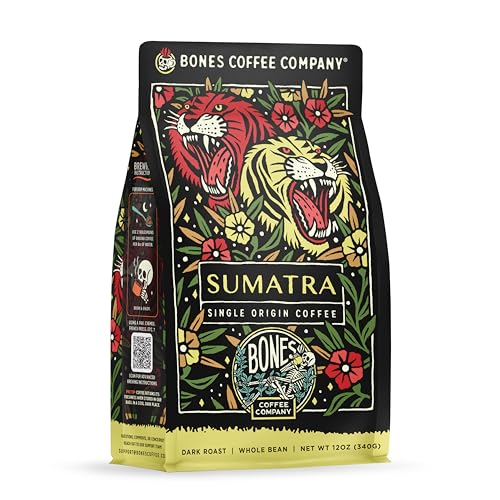
Bones Coffee Sumatra Dark Roast 12 oz is ideal for those who prefer bold, full-bodied coffee with deep, earthy flavors and lower acidity, especially if you’re drawn to single-origin beans with distinct regional character. I use 100% Arabica beans, ethically sourced from Indonesia and roasted in small batches in the USA for consistent quality. My resealable 12 oz bag keeps whole beans fresh, preserving aroma and flavor. You can grind them fine for pour over or coarse for French press-cold brew works great too. I’m vegan, keto friendly, and contain no sugar, dairy, or carbs, making me a solid pick for low-acid and specialty diets.
Best For: Coffee lovers who enjoy bold, earthy, low-acid brews with a rich, smoky profile and prefer ethically sourced, single-origin Arabica beans.
Pros:
- Made from 100% Arabica beans, ethically sourced and small-batch roasted in the USA for superior freshness and quality
- Whole beans offer versatility for grinding and brewing across multiple methods including French press, pour over, and cold brew
- Vegan, keto friendly, and free from sugar, dairy, and carbs, making it suitable for specialty and low-acid diets
Cons:
- Dark roast may be too intense for those who prefer bright, fruity, or acidic coffee profiles
- Whole bean format requires a grinder, which may be inconvenient for some users
- Single-origin sourcing may offer less flavor variety compared to blended coffees
Mt. Comfort Organic Peru Medium Roast 2.5 lbs
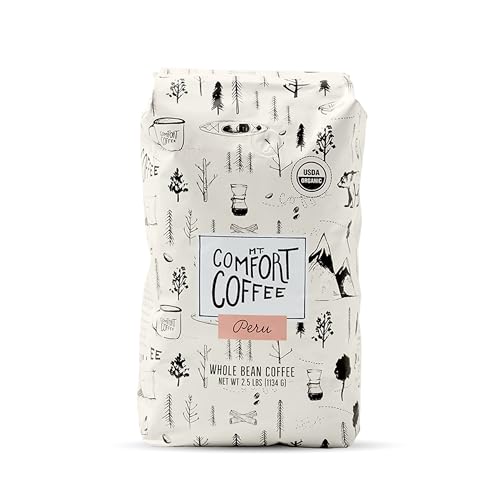
For coffee drinkers who prioritize origin transparency and clean flavor, single-origin beans like Mt. Comfort Organic Peru Medium Roast deliver exactly that. I source these 100% organic beans from small, sustainable farms high in the Peruvian Andes, where elevation enhances bean density and flavor. Roasted to a medium profile, they offer balanced notes of nutty richness, dark chocolate, and a bright hint of citrus-smooth, luscious, and never overbearing. The 2.5-pound resealable bag keeps flavor locked in, making it practical for daily use. If you value ethical sourcing and consistent quality, this coffee is a reliable choice for pour-over or drip brewing.
Best For: Coffee enthusiasts who value single-origin, organic beans with transparent, ethical sourcing and a smooth, balanced flavor profile.
Pros:
- Sourced from sustainable, small-scale farms in the Peruvian Andes, ensuring ethical and premium growing practices
- Medium roast brings out nuanced flavors of nuttiness, dark chocolate, and citrus for a well-rounded cup
- Large 2.5-pound resealable bag maintains freshness and offers excellent value for regular coffee drinkers
Cons:
- Whole beans require grinding, which may be inconvenient for those without a grinder
- Flavor profile may be too subtle for those who prefer bold, intense, or dark roast coffees
- Single-origin nature means limited flavor variety compared to blended coffees
Bones Coffee Costa Rica Ground Arabica

A coffee lover who values both origin transparency and balanced flavor will find Bones Coffee Costa Rica Ground Arabica a strong option for daily brewing. Grown in the mountains of Tarrazu, it offers cocoa, nutty, and milk chocolate notes with low acidity, making it smooth and easy to drink. I prefer it as a medium roast because it keeps the bean’s natural sweetness intact. The ground version works well for auto drip machines, though I’d choose whole beans if using French press or pour over. It’s vegan, keto friendly, and has no added sugar or carbs. Each batch is roasted in the USA, small-scale, then sealed in resealable bags to lock in freshness-ideal for keeping flavor consistent over time.
Best For: Coffee lovers who prioritize origin transparency, balanced flavor, and smooth, low-acid coffee for daily brewing.
Pros:
- Single-origin Arabica beans from Tarrazu, Costa Rica, offering rich cocoa, nutty, and milk chocolate notes
- Medium roast preserves natural sweetness and ensures a smooth, low-acid drinking experience
- Ethically sourced, small-batch roasted in the USA, and packaged in resealable bags for lasting freshness
Cons:
- Ground version is optimized for auto drip machines, limiting versatility for specialty brewing methods
- Flavor profile may be too mild for those who prefer bold, intense roasts
- Sourcing clarity on specific farms or harvest dates is not provided
GROUNDWORK Ethiopia Heirloom Organic Light Roast

If you’re after a coffee that tells a story without compromising on quality, the GROUNDWORK Ethiopia Heirloom Organic Light Roast stands out as a top pick for lovers of clean, expressive single-origin beans. I choose this roast for its bright citrus and dark fruit notes, backed by a smooth milk chocolate finish. It blends washed and natural processing, giving it complexity without overdoing acidity. Sourced directly from Ethiopia-the birthplace of coffee-it’s 100% organic, kosher, and non-GMO. Roasted daily, it supports sustainable farming and has one of the smallest carbon footprints in the industry. I recommend it for pour-over or Chemex brewing, where its clarity shines.
Best For: Coffee enthusiasts seeking a clean, vibrant single-origin light roast with ethical sourcing and rich cultural heritage.
Pros:
- Exceptional flavor profile with bright citrus, dark fruit, and milk chocolate notes
- 100% certified organic, kosher, and non-GMO with sustainable, low-carbon production
- Directly traded and single-origin, supporting Ethiopian farmers and preserving coffee tradition
Cons:
- Light roast may lack boldness preferred by those who enjoy darker, heavier-bodied coffees
- Complexity best expressed in pour-over or Chemex, less ideal for espresso or French press
- Limited availability outside specialty coffee markets due to small-batch daily roasting
Amazon Fresh, Nicaragua Ground Coffee, Medium Roast, 12 Oz

This medium-light roast from Amazon Fresh delivers a straightforward, reliable option for those who want single-origin coffee without the markup. I find it works best for drip brewers or French press, where its subtle complexity comes through cleanly. Grown in Nicaragua and made from 100% Arabica beans, it offers toasted and chocolatey notes that aren’t overpowering. The 12-ounce bag is ground fine for versatility, and since it’s packed in the U.S.A. right after roasting, freshness stays consistent. As an Amazon brand, it’s not flashy-but it’s priced fairly and performs well for daily use. If you need a no-fuss, dependable coffee, this one’s worth a try.
Best For: Budget-conscious coffee drinkers seeking a reliable, single-origin medium roast for everyday brewing methods like drip or French press.
Pros:
- Offers a smooth, subtly complex flavor with chocolatey and toasted notes from 100% Arabica beans
- Packed in the U.S.A. immediately after roasting to ensure consistent freshness
- Fairly priced as an Amazon-owned brand, delivering good value for daily use
Cons:
- Flavor profile may be too mild for those who prefer bold or intense coffee
- Pre-ground format limits freshness compared to whole bean
- Limited origin information beyond Nicaragua, with no details on farm or elevation
illy Arabica Ethiopia Light Roast Coffee
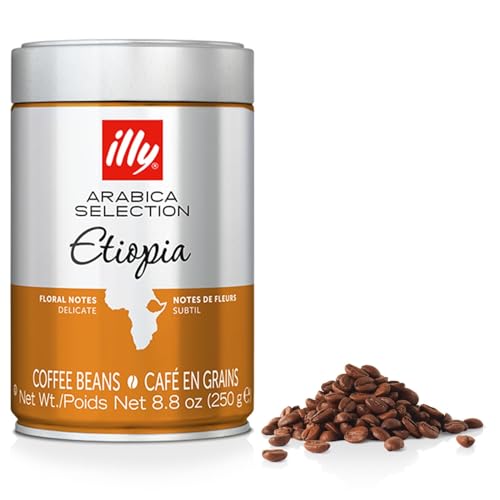
You’ll want the illy Arabica Ethiopia Light Roast if you’re chasing bright, floral notes in your morning cup-this single-origin pick delivers jasmine-driven complexity not common in mass-market blends. I use 100% top-tier Arabica beans, roasted lightly to preserve delicate aromas typical of Ethiopian coffee. My 8.8-ounce pressurized can keeps flavors fresh by blocking oxygen, a step most brands skip. I recommend grinding the beans just before brewing to maximize floral brightness, especially with pour-over or drip methods. While pricier than grocery-store options, this coffee offers consistency and ethical sourcing you can taste-and justify.
Best For: Coffee lovers seeking a bright, floral single-origin light roast with premium, ethically sourced Arabica beans.
Pros:
- Highlights delicate jasmine and floral notes unique to Ethiopian Arabica beans
- Packaged in patented pressurized cans to preserve freshness and aroma
- Sustainably sourced from the top 1% of Arabica beans with ethical farming partnerships
Cons:
- Higher price point compared to conventional supermarket coffee brands
- Light roast may lack the boldness preferred by fans of darker roasts
- Whole beans require grinding equipment for optimal freshness and flavor
Whole Foods Costa Rica Light Roast Coffee

I choose Whole Foods Costa Rica Light Roast Coffee when I want single-origin beans that deliver both ethical sourcing and a bright, balanced flavor profile. These 12-ounce whole beans are roasted in small batches, bringing out notes of orange and chocolate that shine in pour-over or French press setups. Sourced from Costa Rican farms and part of the 365 brand, they’re certified by Fair Trade USA, Rainforest Alliance, or Fairtrade International-ensuring fair labor and sustainable practices. Whole Foods bans over 300 ingredients, like artificial sweeteners, so you get clean, natural quality. Their sustainability commitment aligns with Conservation International’s goals, making this a practical, responsible choice for daily brewing.
Best For: Coffee drinkers who value ethical sourcing, sustainable practices, and a clean, bright flavor profile in their single-origin light roast.
Pros:
- Ethically sourced and certified by Fair Trade USA, Rainforest Alliance, or Fairtrade International
- Small-batch roasted for peak flavor with bright notes of orange and chocolate
- Part of Whole Foods’ 365 brand with strict ingredient standards banning over 300 additives
Cons:
- Whole beans require a grinder, which may be inconvenient for some users
- Light roast may not appeal to those who prefer bold, dark coffee flavors
- Limited to single-origin profile, offering less variety compared to blends
Factors to Consider When Choosing Single-Origin Coffee
You’ll want to check the origin transparency so you know exactly where your beans were grown and under what conditions. Pay attention to the roast level and flavor profile-light roasts highlight acidity and terroir, while dark roasts emphasize body and roast-driven flavors. Look for certifications like Fair Trade or Organic, and always assess bean quality by checking for defects or inconsistencies.
Origin Transparency
What makes a single-origin coffee truly traceable? You need clear labeling that lists the country, region, and ideally the specific farm or cooperative. Don’t settle for vague claims-look for verifiable details like elevation, varietal type, and harvest method, all of which affect flavor and quality. Transparent sourcing also includes processing info: washed, natural, or honey-each adds distinct tasting notes. Check for certifications like USDA Organic, Fair Trade, or Rainforest Alliance; they back up ethical and origin claims with third-party proof. Always opt for roasters who provide batch-specific data, like roast dates and lot numbers. This lets you trace the beans right back to the farm. Without these details, you’re guessing more than knowing. Real transparency means you can verify every step, so you’re not just buying a story-you’re buying proof.
Roast Level
A light roast preserves the bean’s original characteristics, pulling out delicate flavors like citrus, floral notes, and bright acidity when roasted below 356°F (180°C). You’ll want to choose this if you prefer nuanced, tea-like cups and are exploring beans from high elevations, where complex acidity shines. Medium roasts, heated between 356°F and 401°F (180°C–205°C), balance body and acidity, bringing out notes of chocolate, nuts, or mild fruit-ideal if you like a fuller mouthfeel without losing clarity. Dark roasts go past 401°F (205°C), yielding bold, smoky, or earthy tones with less acidity and more bitterness; they’re common in espresso but can mask a single-origin bean’s uniqueness. Light roasts also retain slightly more caffeine due to shorter heat exposure. Match the roast to the bean: delicate, high-grown beans often do best light, while denser beans may handle medium. Avoid dark roasts unless boldness is your priority.
Flavor Profile
Roast level sets the stage, but the true character of single-origin coffee comes from its flavor profile-shaped by where and how the beans are grown. You’ll taste citrus or floral notes when beans come from high elevations-above 1,500 meters-where cooler temps and dense beans boost acidity and complexity. Soil and climate add further nuance, giving Ethiopian beans their winey brightness or Colombian ones their nutty sweetness. How the coffee is processed changes things too: washed beans deliver clean, bright flavors, while natural-processed ones are fruitier and heavier. Honey-processed sits in between, offering balance. Light roasts highlight these origin traits, preserving delicate floral or fruity tones. Dark roasts shift focus to deeper, smokier notes, often masking subtle flavors. For a consistent cup, look for beans with careful harvesting and sorting-uniform size and ripeness mean even extraction and more reliable taste every time.
Certifications
When choosing single-origin coffee, checking for certifications helps you verify the beans meet clear standards for quality, ethics, and safety. Look for USDA Organic certification to guarantee the coffee’s grown without synthetic pesticides, GMOs, or artificial fertilizers. Fair Trade means farmers get fair pay and safe working conditions, supporting long-term sustainability. If you follow dietary laws, Orthodox Union (OU) Kosher certification confirms compliance with kosher processing standards. Rainforest Alliance certification also promotes environmental protection and ethical labor. Many trusted certifications include third-party testing, which checks for mycotoxins and mold-common contaminants that can affect safety. These tests don’t guarantee flavor, but they do confirm the beans are processed cleanly. While uncertified coffees can still be excellent, verified labels give you reliable proof of how the beans were grown, handled, and tested. They’re a practical way to align your purchase with your values without guesswork.
Bean Quality
Quality starts with the bean itself-specifically, 100% Arabica, the standard for single-origin coffee. You’ll want beans grown at high altitudes, above 1,200 meters, because the slower growth leads to denser beans with more sugars and acids-key for complex, bright flavors. Varietals like Bourbon or Caturra matter too; they shape the taste, offering clean sweetness and balanced acidity. Don’t overlook sourcing-brands using direct trade or long-term farmer partnerships often get better-picked, more carefully handled beans. That care shows in the cup. Always check if the beans undergo third-party testing; it confirms they’re free from contaminants like mycotoxins or mold, which can ruin taste and safety. You’re not just paying for origin-you’re paying for consistency, cleanliness, and care at every step. Skip blends or low-altitude Arabica if you want true quality.
Processing Method
While the origin and varietal set the stage, it’s the processing method that truly shapes what you’ll taste in your cup. If you prefer clean, bright flavors with noticeable acidity, go for washed coffees-pulp is removed before fermentation, which lasts 12–48 hours, giving a crisp, clear profile. Want something bolder and fruitier? Choose natural processed beans; they’re dried inside the cherry over 10–20 days in the sun, developing heavy body and wine-like sweetness with lower acidity. For a middle ground, try honey processing: you get some mucilage left on the bean, resulting in a syrupy mouthfeel, moderate acidity, and complex sweetness. Each method affects moisture content and flavor development differently, so match your pick to your palate. There’s no best method-only what works best for how you like your coffee.
Brew Compatibility
If you want your single-origin coffee to shine, match the grind size and roast profile to your brew method. Use coarse grounds for French press-they prevent over-extraction and cut down on sediment. Fine grounds work best for espresso, providing the resistance needed for proper extraction. For drip coffee makers, go with a medium grind to balance flavor without tipping into bitterness or weakness. Pour-over brewing? Aim for medium-fine; it highlights clarity and brightness, especially in light, acidic beans. Darker roasts thrive in French press or moka pots, where their full body and low acidity stand out through metal or coarse filters. Always start with whole beans-you’ll get the freshest results and can adjust the grind for any method, from Aeropress to percolator. Your gear and roast choice should work together, not against each other.
Frequently Asked Questions
What Is the Shelf Life of Single-Origin Coffee Beans?
You’ll get the best flavor from single-origin coffee beans within 2–4 weeks after roasting. They don’t spoil, but they do lose aromatic complexity and freshness over time. Store them in an airtight container away from light, heat, and moisture. Avoid the fridge-it causes condensation. For longer storage, freeze in small, sealed portions, but it’s better to buy smaller amounts more often. Freshness matters more than age.
Can I Brew Single-Origin Coffee in an Espresso Machine?
Yes, you can brew single-origin coffee in an espresso machine. Just make sure the beans are ground fine enough for espresso and fresh-ideally roasted within the past 2–4 weeks. Single-origin beans often highlight unique flavors, like fruity or floral notes, especially from regions like Ethiopia or Colombia. Adjust your dose, grind, and tamp pressure to suit the bean. Some single-origins taste great as espresso, while others work better in pour-over. Test small batches first.
How Should I Store Single-Origin Coffee for Freshness?
You should store single-origin coffee in an airtight container away from light, heat, and moisture. Keep it at room temperature-no fridge or freezer, since condensation degrades flavor. Use a container with a one-way valve to let gases escape without letting air in, like the Fellow Atmos. Open it as little as possible, and buy whole beans in small batches to guarantee you’re always using fresh coffee.
Are Single-Origin Beans More Sustainable Than Blends?
You’re right to wonder-single-origin beans aren’t automatically more sustainable than blends. They often support smaller farms and transparent sourcing, like Ethiopian growers paid premium prices for traceable lots. But blends can use surplus beans, reducing waste. Single-origins may require more air freight due to limited supply, increasing carbon footprint. Blends from major co-ops might leverage efficient shipping. Your choice impacts sustainability-look for fair trade, organic certification, and locally roasted options to lower environmental cost.
Do Single-Origin Coffees Contain More Caffeine?
No, single-origin coffees don’t inherently contain more caffeine than blends. Caffeine levels depend mostly on bean type and roast level, not origin. Robusta beans have nearly double the caffeine of Arabica, regardless of where they’re grown. Light roasts retain slightly more caffeine than dark roasts. If you’re after a stronger kick, check the bean variety and roast profile instead of focusing solely on origin.