Best Coffee Beans That Make Every Morning Worth Waking Up For
You’ll get rich, smooth espresso with Lavazza Super Crema-its blend of Arabica and Robusta beans delivers hazelnut and brown sugar notes plus a velvety crema. It works well in most brewers, though it’s best in espresso machines. If you prefer 100% Arabica, try Lavazza Qualita Oro for a fruity, balanced cup. For organic options, Mayorga’s dark roast offers smoky vanilla depth. Each choice fits different tastes and gear-your ideal morning brew depends on roast preference, machine type, and sourcing priorities. More details follow.
We are supported by our audience. When you purchase through links on our site, we may earn an affiliate commission, at no extra cost for you. Learn more. Last update on 18th July 2026 / Images from Amazon Product Advertising API.
Notable Insights
- Lavazza Super Crema delivers a rich, creamy espresso with sweet hazelnut and brown sugar notes, perfect for luxurious mornings.
- Illy Classico uses 100% premium Arabica beans in a pressurized can to preserve freshness and floral-caramel flavors.
- Mayorga Organic Dark Roast offers smooth vanilla and smoky tones from sustainably grown beans, ideal for a bold, ethical brew.
- Stumptown Holler Mountain blends bright citrus and creamy caramel notes, certified organic and Direct Trade for quality and conscience.
- Lavazza Qualita Oro provides a balanced, fruity 100% Arabica experience with no bitterness, suited to espresso or drip brewing.
Lavazza Super Crema Whole Bean Coffee (2.2 lb)
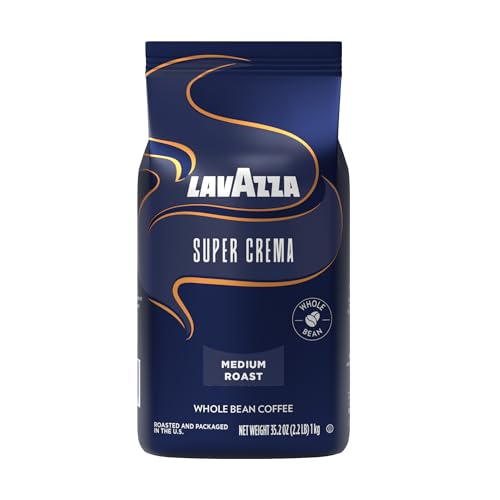
If you’re looking for a reliable, smooth espresso with a creamy finish without spending top dollar, Lavazza Super Crema Whole Bean Coffee is a solid pick. I use 0.28 oz of freshly ground beans for a 1 oz shot, and it consistently pulls rich, aromatic espresso. The blend combines Arabica and Robusta beans from 15 countries, giving it a balanced, medium roast with notes of hazelnut and brown sugar. It’s full-bodied and bold, ideal for daily shots or milky drinks. While it’s designed for espresso machines, it won’t perform well in drip brewers. Freshness matters-grind just before brewing.
Best For: Espresso lovers who want a smooth, creamy, and affordable medium roast with consistent results.
Pros:
- Rich, full-bodied espresso with a creamy crema and sweet notes of hazelnut and brown sugar
- Optimized for espresso machines, delivering reliable 1 oz shots with 0.28 oz of ground coffee
- Versatile blend of Arabica and Robusta beans from 15 countries for balanced, aromatic flavor
Cons:
- Not suitable for drip coffee makers or alternative brewing methods
- Requires immediate grinding before brewing for best results; pre-ground coffee loses freshness quickly
- Large 2.2 lb bag may not be ideal for those who consume coffee slowly, risking staleness
Lavazza Espresso Whole Bean Coffee (2.2 lb)
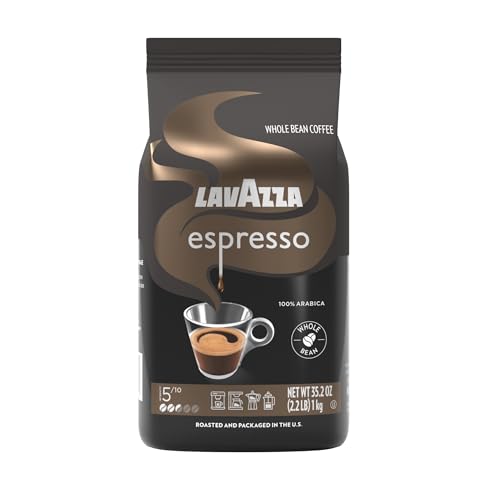
This Lavazza Espresso Whole Bean Coffee in the 2.2 lb bag stands out for home brewers who want a consistent, medium-roast option suited for multiple brewing methods without compromising bean quality. I use it in my espresso machine and moka pot, but it works just as well in drip or French press. The 100% Arabica beans-sourced from South America and Africa-deliver a balanced cup with subtle floral and fruity notes and a sweet finish. Roasted to level 5/10, it’s not too bold, making it versatile for different tastes. Lavazza’s been perfecting their craft since 1895, and that experience shows in consistency.
Best For: Home brewers seeking a versatile, medium-roast 100% Arabica coffee that performs well across espresso, moka pot, drip, and French press methods.
Pros:
- Balanced flavor profile with aromatic notes of florals and fruit, ending in a sweet, fragrant finish
- Suitable for a variety of brewing methods, offering flexibility and consistency
- Sourced from a brand with over 130 years of heritage and a commitment to sustainable production
Cons:
- Larger 2.2 lb package may not be ideal for those who prefer to buy smaller quantities for freshness
- Medium roast with intensity level 5/10 may lack depth for those who prefer bolder, darker espresso profiles
- Whole beans require grinding at home, which may be inconvenient for some users
Lavazza Super Crema Whole Bean Coffee (22 oz)
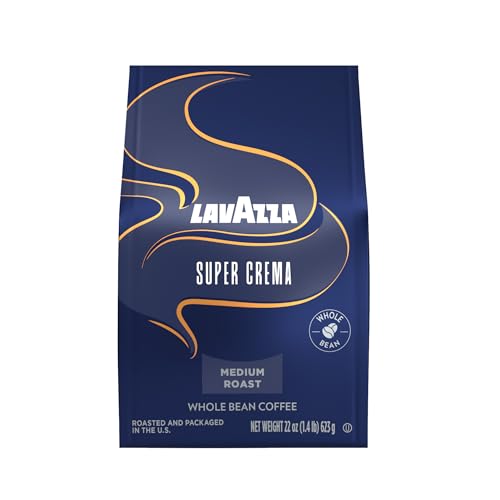
Lavazza Super Crema Whole Bean Coffee stands out for espresso lovers who want a smooth, creamy shot without investing in high-end equipment. I’ve found it delivers a rich, full-bodied experience with a bold, creamy finish and subtle hints of hazelnut and brown sugar. It’s a medium roast blend of Arabica and Robusta beans from 15 countries, naturally caffeinated. I recommend using 0.28 oz of ground coffee for a 1 oz shot-this dose works well in most home espresso machines. It’s Lavazza’s best-selling blend, and since it’s made in coffee-only facilities, cross-contamination isn’t a concern.
Best For: Espresso lovers seeking a smooth, creamy shot without needing high-end equipment.
Pros:
- Rich, full-bodied flavor with a bold, creamy finish and notes of hazelnut and brown sugar
- Medium roast blend of Arabica and Robusta beans from 15 countries, offering balanced complexity
- Lavazza’s best-selling blend, made in coffee-only facilities to prevent cross-contamination
Cons:
- Contains Robusta beans, which may taste harsh or bitter to those preferring 100% Arabica
- Pre-ground freshness depends on user grinding, and whole beans require a grinder
- 22 oz bag may be too large for infrequent users, risking stale coffee over time
Lavazza Crema E Aroma Whole Bean Coffee
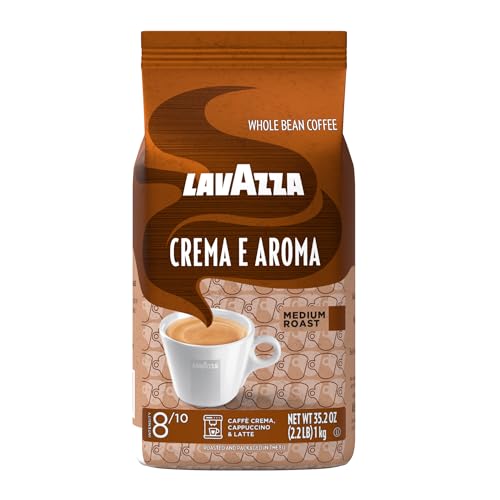
For espresso lovers who want a dependable, full-bodied brew with a rich chocolate-forward aroma, Lavazza Crema E Aroma Whole Bean Coffee delivers consistency without fuss. I’ve found it works best in espresso machines or moka pots, though it performs fine in drip or French press if you like bold flavor. The blend of Arabica and Robusta beans from South America, Africa, and Asia gives it a balanced medium roast with an 8/10 intensity-smooth, earthy, and creamy, with long-lasting crema. It’s non-GMO, naturally caffeinated, and contains no additives. Lavazza’s 125-year heritage helps guarantee quality, and I trust their sustainable sourcing.
Best For: Espresso enthusiasts seeking a consistently rich, chocolate-forward brew with a smooth, full-bodied finish.
Pros:
- Delivers a creamy texture and long-lasting crema ideal for espresso and moka pot brewing
- Balanced medium roast with a rich aroma, earthy undertones, and chocolate notes
- Sourced sustainably by a trusted brand with over 125 years of coffee expertise
Cons:
- Robusta content may be too intense for those preferring milder, purely Arabica blends
- Whole beans require grinding immediately before brewing for optimal freshness
- Limited origin specificity due to multi-region bean sourcing
Amazon Fresh, Colombia Whole Bean Coffee Medium Roast, 32 Oz
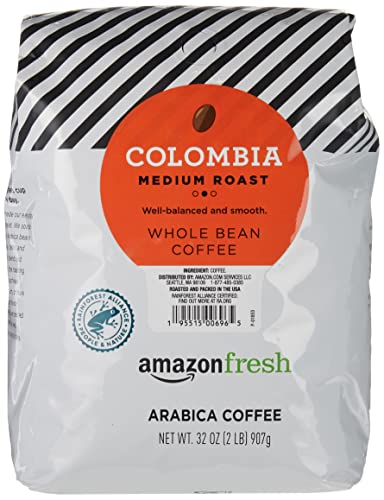
Amazon Fresh Colombia Whole Bean Coffee, Medium Roast, gives budget-conscious coffee drinkers a reliable daily option without sacrificing origin quality or freshness. I find it’s made from 100% Arabica beans grown in Colombia, roasted here in the U.S., which helps guarantee consistency. The medium roast delivers a balanced flavor with a smooth finish and full body-no sharp bitterness or sourness. I’ve tried it both ground at home and pre-ground, and I recommend grinding it fresh for better aroma. A 32-ounce bag means I get more than a month’s supply if I drink two cups a day. It’s no specialty single-origin micro-lot, but for daily use, it’s practical and dependable.
Best For: Budget-conscious coffee drinkers who want a reliable, everyday medium roast with consistent quality from 100% Colombian Arabica beans.
Pros:
- Made from 100% Arabica beans sourced from Colombia for authentic origin flavor
- Medium roast offers a balanced, full-bodied taste with a smooth finish and no harsh bitterness
- Generous 32-ounce bag provides over a month’s supply for regular coffee drinkers
Cons:
- Not a specialty-grade coffee, so it lacks the nuanced flavors of premium single-origin micro-lots
- Flavor profile is consistent but relatively basic compared to artisanal roasts
- Best results require grinding at home, which may be inconvenient for some users
Stumptown Holler Mountain Organic Coffee (12 oz)

If you’re the type who likes to tinker with brew methods and value both flavor clarity and ethical sourcing, Stumptown Holler Mountain Organic Coffee fits the bill. I use it for pour over and espresso, and it delivers a bright citrus and berry punch balanced by creamy caramel and hazelnut. The 12 oz bag of 100% Arabica beans blends Latin American and East African origins, Direct Trade sourced and organic certified. Stumptown’s B Corp status and sustainability commitments back every sip. Grind fresh, adjust for your brewer, and watch how water quality affects taste. It’s a reliable, full-bodied coffee that rewards experimentation without demanding perfection.
Best For: Coffee enthusiasts who value ethical sourcing, flavor complexity, and brewing versatility.
Pros:
- Exceptional flavor balance with bright citrus and berry notes paired with creamy caramel and hazelnut
- Sourced through Direct Trade and certified organic, supporting sustainable and equitable practices
- Versatile across brewing methods including pour over, espresso, drip, and cold brew
Cons:
- Premium price point may be less accessible for budget-conscious buyers
- Flavor nuances may be lost with low-quality brewing equipment or water
- Whole beans require a grinder, which may be inconvenient for some users
Lavazza Espresso Barista Gran Crema (35.2 oz)

The Lavazza Espresso Barista Gran Crema (35.2 oz) stands out as a top pick for espresso lovers who want a consistently rich and balanced shot without needing to tweak their machine settings constantly. I find it delivers a full-bodied taste with notes of dark chocolate, honey, and spice, thanks to its blend of Arabica beans from Brazil and Honduras plus African Robusta. Roasted to level 7, it’s dark enough for depth but not bitter. It works well in espresso machines and moka pots, though it’s also fine in drip or French press if you prefer a heavier body. The 2.2-pound bag saves trips to restock.
Best For: Espresso enthusiasts seeking a rich, consistent, and full-bodied coffee blend that performs well across various brewing methods without frequent machine adjustments.
Pros:
- Delivers a balanced, full-bodied flavor with notes of dark chocolate, honey, and spice
- Versatile for use in espresso machines, moka pots, drip coffee makers, and French press
- Large 2.2-pound bag offers convenience and reduces restocking frequency
Cons:
- Roast intensity level 7 may not satisfy those seeking a lighter or darker profile
- Contains Robusta beans, which some purists may avoid for traditional espresso
- Packaging may vary, potentially affecting storage or freshness perception
Lavazza Qualita Oro Whole Bean Coffee

When I need a versatile, high-quality whole bean coffee that performs well across brewing methods, Lavazza Qualità Oro is my go-to choice-especially if you favor a balanced, medium roast with a smooth, aromatic profile. I use it for espresso, but it works just as well in drip machines or a French press. Made from 100% Arabica beans sourced from Central America and African highlands, it delivers a fruity, refined flavor without bitterness. Lavazza’s 125 years of blending expertise show in its consistent quality. At 2.2 pounds, the pack lasts a while and stays fresh if stored properly. It’s not the cheapest, but you’re paying for reliable, everyday performance-ideal if you want one bean for multiple brews without sacrificing taste.
Best For: Coffee lovers who want a versatile, high-quality medium roast that excels in espresso, drip, and French press brewing methods with a smooth, aromatic, and fruity profile.
Pros:
- Made from 100% Arabica beans sourced from premium Central American and African highland origins
- Balanced, medium roast with a refined, fruity flavor and no bitterness
- Consistently high quality backed by Lavazza’s 125 years of blending expertise
Cons:
- Higher price point compared to generic supermarket coffee brands
- Flavor profile may be too mild for those who prefer bold, dark roasts
- Whole beans require grinding at home, which may be inconvenient for some users
Illy Classico Whole Bean Coffee (8.8 oz)

You’ll want to take into account Illy Classico Whole Bean Coffee (8.8 oz) if you’re after a consistently smooth, medium-roast profile with balanced notes of caramel, orange blossom, and jasmine-no guesswork needed. I rely on its 100% Arabica beans, sourced from the top 1% globally, for predictable quality. Illy’s pressurized can locks in freshness better than most bags, so it lasts longer without flavor loss. Their long-term farm partnerships support sustainability, which matters if you care about ethical sourcing. While it’s pricier than some, the roast consistency and lack of acidity make it ideal for espresso or drip. I’ve found it performs best with a burr grinder.
Best For: Coffee enthusiasts seeking a consistently smooth, medium-roast whole bean coffee with refined flavor notes and ethically sourced, high-quality Arabica beans.
Pros:
- Features a balanced, aromatic profile with notes of caramel, orange blossom, and jasmine thanks to precision roasting
- Made from 100% Arabica beans selected from the top 1% globally, ensuring exceptional quality and sustainability
- Patented pressurized canning preserves freshness and aroma better than traditional packaging
Cons:
- Higher price point compared to many competing whole bean coffees
- Flavor profile may be too subtle for those who prefer bold or dark roasts
- Limited to one roast level and blend in the 8.8 oz format, offering less variety
Mayorga Organic Dark Roast Coffee 2lb

Mayorga Organic Dark Roast Coffee 2lb stands out for coffee lovers who prioritize both rich flavor and ethical sourcing, especially those grinding their own beans at home. I use it because it’s 100% organic Arabica, sourced from small farms in Peru, Honduras, and Nicaragua, and roasted in small batches using a Latin slow-roast method that brings out deep vanilla and smoky notes without harsh acidity. The whole beans stay fresh, and grinding them daily boosts flavor. It’s USDA Organic, Non-GMO, and Kosher-certified, which matters if you value clean ingredients. Mayorga’s direct trade model supports sustainable farming, so you’re also backing ethical practices.
Best For: Home coffee grinders seeking a bold, smooth, low-acidity dark roast with ethical sourcing and rich Latin-inspired flavor.
Pros:
- Made from 100% organic, specialty-grade Arabica beans sourced through fair, direct trade with small Latin American farms
- Crafted using a signature Latin slow-roast method that enhances depth, aroma, and notes of sweet vanilla and smokiness
- USDA Organic, Non-GMO, and Kosher-certified, supporting clean ingredients and sustainable, regenerative farming practices
Cons:
- Whole bean format requires a grinder, which may be inconvenient for those preferring pre-ground coffee
- Limited origin variety as beans are blended from multiple countries, which may appeal less to single-origin enthusiasts
- Higher price point compared to conventional dark roasts due to organic certification and direct trade practices
Factors to Consider When Choosing the Best Coffee Beans
You’ll want to take into account the origin of the beans, since where the coffee is grown affects its flavor-like how Ethiopian beans often taste fruity and bright. Think about roast level too; lighter roasts keep more of the bean’s natural character, while dark roasts bring out bold, smoky notes. Also check flavor profiles, caffeine content, and certifications like Organic or Fair Trade to match your taste and values.
Origin Of Beans
Coffee grown at higher elevations-typically above 3,000 feet-develops denser beans and more complex flavors because cooler temperatures slow maturation, allowing more time for sugar development. You’ll find brighter acidity and clean notes of citrus, nuts, or chocolate in beans from Central and South America, where volcanic soils boost quality. African regions like Ethiopia and Kenya offer floral aromas, berry-like fruitiness, and higher acidity, thanks to heirloom varietals and washed or natural processing. If you prefer earthy, spicy, or herbal tones with lower acidity, try beans from Asia-Pacific countries like Indonesia or Papua New Guinea, where monsoon climates and wet-hulling shape the profile. Origin affects bean density, moisture, and chemistry, which in turn influence how they roast and brew. Knowing this helps you pick beans that suit your preferred method and taste-whether it’s a bright pour-over or a bold French press.
Roast Level Guide
A light roast keeps temperatures between 356°F and 401°F, locking in the bean’s native flavors and higher acidity, making it ideal if you want to taste the origin characteristics-like citrus or floral notes-especially in pour-over brews. You’ll get more caffeine per scoop since the beans stay denser. For a balanced profile with mellow acidity and hints of caramel, pick a medium roast-developed between 410°F and 428°F. It works well in drip machines and French presses. If you like bold, smoky flavors with silky body and less acidity, go dark; roasts past 428°F bring out surface oils and deeper notes, though they lose some origin character. Don’t assume dark means more caffeine-it doesn’t. For espresso, use medium to medium-dark roasts. They deliver steady crema, richness, and aroma without scorching the sugars.
Flavor Profile Types
What makes one coffee taste like berries and another like chocolate? It comes down to bean type, roast, and how you brew. Arabica beans often give you bright, sweet notes-think jasmine, honey, or fruit-with a smooth finish. Robusta leans earthy, bold, and chocolatey, often with a creamy kick. Medium roasts preserve those floral, fruity aromas, offering balance and clarity. Dark roasts? They bring out deep caramel, spice, or smoky tones but mute brighter notes. Slow roasting builds depth; precise heat control keeps delicate flavors intact. Your brewing method changes the game-grind size, water quality, and brew time can highlight or hide certain tastes. A clean pour-over might accentuate blueberry notes in an Ethiopian bean, while a French press amplifies the chocolatey richness of a Sumatran dark roast. Pick beans based on the flavor experience you want.
Caffeine Content Facts
Why does one cup leave you wired while another feels milder? It boils down to bean type and brewing choices. Robusta beans pack nearly double the caffeine of Arabica-2.7% vs. 1.5% by weight-so if you need a strong kick, go for Robusta. Don’t blame the roast; light, medium, or dark, caffeine stays stable under heat, so roast level won’t change your buzz. Your brew method matters more: espresso delivers about 63 mg per 1 oz shot, while drip gives 95 mg per 8 oz cup. Use finer grinds for more extraction-more surface area means more caffeine pulled. And always brew with water between 195°F and 205°F; caffeine dissolves best near boiling. Pick the right bean, grind fine, use hot water, and control your dose. That’s how you control your caffeine.
Certifications Matter
When choosing the best coffee beans, certifications help you make informed decisions about quality, ethics, and environmental impact. If you see USDA Organic, you know the beans were grown without synthetic pesticides or fertilizers, following strict federal guidelines. Non-GMO certification means no genetic engineering was used-ideal if you prefer naturally cultivated crops. Kosher-certified coffee guarantees production meets specific dietary standards, including cleaned equipment and approved processing aids. Fair Trade means farmers got fair pay and safe working conditions, supporting long-term community stability. Rainforest Alliance certification protects ecosystems by banning deforestation and requiring sustainable farming. Each label offers transparency, so you can align purchases with your values. While certified beans may cost slightly more, they often reflect higher production standards. Look for these labels on bags from brands like Equal Exchange, Thrive, or Allegro to make ethical, eco-conscious choices without guesswork.
Brewing Method Match
Since your brewing method shapes the final flavor, picking the right coffee beans starts with matching them to your equipment and technique. If you use an espresso machine, go for medium to dark roast beans labeled as espresso blends-they’re designed to handle fine grinds and produce rich crema. For French press, choose full-bodied beans and grind them coarse to avoid over-extraction and bitterness during the 4–6 minute steep. Drip coffee brewers work best with medium roasts and a medium grind, giving you a balanced, clean cup every time. With a Moka pot, pick beans that tolerate high heat and pressure, using a medium to fine grind for that strong, espresso-like result. Pour over and cold brew highlight subtle notes when you use light to medium roasts, ground medium-fine to coarse based on your water temperature and brew time.
Bean Freshness Tips
While flavor and roast matter, freshness plays a crucial role in how good your daily brew tastes, and you can’t rely on aroma alone to judge it. Grind beans just before brewing-those aromatic compounds degrade fast. Store whole beans in an opaque, airtight container at room temperature, away from light and moisture, for up to 3 weeks. Skip the fridge or freezer; condensation ruins flavor and pulls in odors. Use beans within 2–6 weeks of their roast date, as CO₂ loss dulls crema and complexity. Always buy small batches from roasters that print roast dates-you’ll hit peak flavor that way. Automation like pre-ground bags might save time, but you lose freshness fast. Manual grinders or quality burr models give you control without wrecking the beans. Freshness isn’t about perfection-it’s about timing, storage, and smart habits that add up in your cup.
Sustainability Practices
Though flavor often takes center stage, how your coffee is grown and traded matters just as much-for the planet and the people behind every cup. You can choose beans from farms using regenerative practices that rebuild soil, boost biodiversity, and trap more carbon. Look for organic certification to avoid synthetic pesticides and support soil health. Fair trade and non-GMO labels guarantee fair wages, safe labor conditions, and eco-friendly methods. Direct trade often means farmers get higher, quality-based pay and stronger buyer relationships, though it doesn’t always guarantee labor protections. Many sustainable brands partner long-term with growers, offering training to improve yield and quality without harming ecosystems. You’ll pay a bit more, but you’re investing in lasting environmental and social benefits. Check sourcing details on the bag or brand website-transparency is key. Your daily brew can support people and the planet.
Frequently Asked Questions
How Long Do Coffee Beans Stay Fresh After Opening?
You’ve got about 2–4 weeks of peak freshness once you open the bag. After that, flavor drops fast as oxygen hits the beans. Store them in an airtight container, away from light and moisture-don’t refrigerate. For best results, buy whole bean and grind before brewing. Light roasts fade quicker; dark roasts hold up slightly longer. If you care about taste, stick to small batches you’ll use quickly.
Can I Use Whole Bean Coffee in a Drip Machine?
You can absolutely use whole bean coffee in a drip machine, but you’ll need to grind it first-most drip machines work best with a medium grind, like what you’d use for auto-drip brewers such as the Technivorm Moccamaster or Cuisinart DCC-3200. Pre-ground coffee loses freshness faster, so grinding right before brewing improves flavor. Just don’t skip the grinder-a burr model like the Baratza Encore gives consistent results, while blade grinders can create uneven particles that affect extraction.
Are Dark Roast Beans Stronger Than Medium Roast?
No, dark roast beans aren’t stronger than medium roast in caffeine. You actually get slightly less caffeine with dark roast because longer roasting breaks it down. Flavor-wise, dark roast tastes bolder and more bitter, which some mistake for strength. If you want a punchier taste, go dark. Need more caffeine? Stick with medium or light. Both work fine in drip machines, whole or ground.
What’s the Best Way to Store Coffee Beans at Home?
You should store coffee beans in an airtight container at room temperature, away from light, heat, and moisture. A cupboard or pantry works well. Avoid the fridge or freezer unless you’re splitting large batches long-term-condensation risks degrading flavor. Use opaque, sealed jars like Mason or Airscape containers. Buy whole beans in small amounts every 1–2 weeks for freshness, and grind only what you need right before brewing to preserve aroma and potency.
Is There a Difference Between Single-Origin and Blend Beans?
Yes, there’s a clear difference. Single-origin beans come from one region or farm, giving you a consistent, distinct flavor-like Ethiopian beans with their fruity brightness. Blends mix beans from multiple places, balancing acidity, body, and aroma for a rounded taste, like many espresso blends do. If you want clarity and terroir expression, go single-origin. If you prefer balance and reliability, choose a blend.