Best Barista Training Courses That Turn Passion Into Perfection
You’ll build precision and consistency in top barista courses using pro gear like the 4Pcs Latte Art Pen – Stainless Steel and uxcell 51/53mm Espresso Dosing Cup. Look for programs with 20+ hours of hands-on practice, small class sizes, and certified instructors experienced in competitions or specialty cafes. These guarantee real skill growth. Strong courses balance espresso extraction, milk texturing, and latte art with machine maintenance and tasting. Choose one that matches your schedule and career goals. More details follow.
Notable Insights
- Look for courses with 20+ hours of hands-on practice in espresso, milk texturing, and latte art for skill mastery.
- Choose programs with small class sizes and a 6:1 student-to-instructor ratio for personalized, effective feedback.
- Prioritize certifications that use standardized assessments and are recognized by specialty coffee employers.
- Enroll in training led by instructors with competition experience and deep expertise in coffee sourcing or roasting.
- Opt for courses using professional-grade, durable equipment to ensure realistic, efficient, and hygienic learning conditions.
4Pcs Latte Art Pen – Stainless Steel

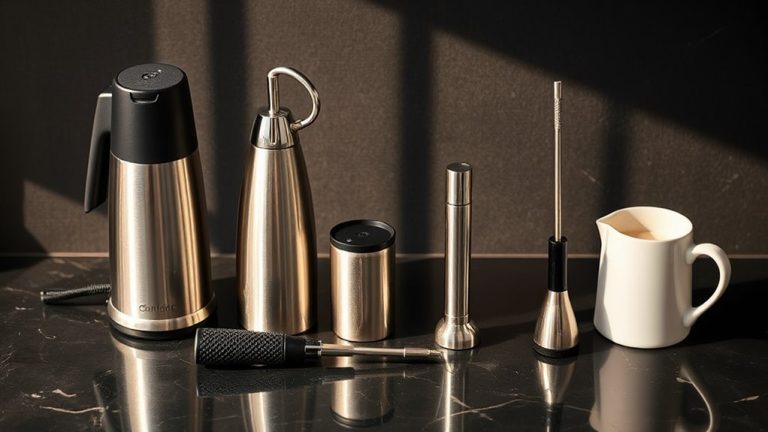
If you’re training to become a barista or teaching coffee artisans in a professional course, the 4Pcs Latte Art Pen set by GUQIANLU is built for your needs. I use these stainless steel tools daily-they’re durable, easy to clean, and made from 304 stainless steel. Each 6.1-inch pen has a flat end for scooping foam and a pointed tip for fine lines, giving you full control. The wood handles feel solid, and the included caps protect the tips. At just 1.28 ounces, they’re lightweight but sturdy. I’ve seen students master hearts, rosettas, and tulips faster with these versus plastic alternatives. They work just as well in cafes or home kitchens.
Best For: Baristas, coffee enthusiasts, and home brewers looking to create detailed latte art with durable, professional-grade tools.
Pros:
- Made from durable 304 stainless steel for long-term use and easy cleaning
- Dual-tip design with flat and pointed ends enables versatile latte art techniques
- Includes protective caps and allows multiple users to work simultaneously
Cons:
- Wood handles may require extra care to prevent damage over time
- Slightly shorter length may not suit users preferring longer tools
- Limited to manual art techniques, requiring practice for advanced designs
uxcell 51/53mm Espresso Dosing Cup (Green)

I rely on tools that simplify precision and consistency when teaching espresso fundamentals, and the uxcell 51/53mm Espresso Dosing Cup (Green) fits seamlessly into barista training courses focused on efficiency and clean technique. Made from durable ABS plastic, it’s lightweight yet sturdy, with a smooth finish that’s easy to clean. Its magnetic base holds tight to portafilters, even upside down, preventing spills. The 50.4 mm diameter works with most grinders, and the wide opening speeds up dosing while reducing mess. At just 1.41 ounces, it’s portable for travel or daily use. I recommend it for beginners and pros alike-especially in home or mobile setups where consistency matters.
Best For: Baristas, coffee enthusiasts, and educators seeking a lightweight, magnetic dosing cup for precise, mess-free espresso preparation in training, home, or mobile settings.
Pros:
- Durable ABS plastic construction with a smooth, easy-to-clean surface
- Integrated magnetic base securely attaches to portafilters, even when inverted
- Wide 50.4 mm opening enables fast dosing and reduces counter mess
Cons:
- Limited size compatibility may not fit all portafilters or grinders perfectly
- Plastic material may lack the premium feel of metal alternatives
- Magnets, while strong, could potentially weaken over extended long-term use
uxcell 51/53mm Espresso Dosing Cup
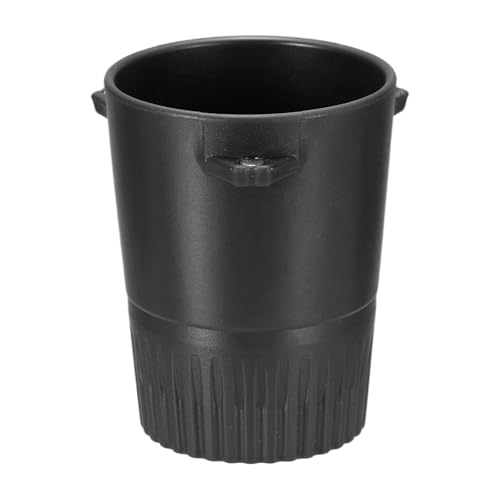
The uxcell 51/53mm Espresso Dosing Cup is a solid pick for baristas in training who need reliable, no-fuss gear that keeps workflow smooth and clean. I use the black ABS plastic model daily, and it’s lightweight yet durable enough for repeated use. Its three built-in magnets hold it securely to my portafilter, even when inverted, which cuts down on mess and wasted grounds. At 50.4 mm, it fits most 51–53 mm portafilters snugly. I grind directly into it for precise dosing, then dump cleanly into the filter. It’s easy to rinse afterward. I’ve used it at home, in cafes, and during training sessions-it’s a practical tool that just works.
Best For: Baristas in training and coffee enthusiasts seeking a durable, magnetic dosing cup for precise, mess-free espresso preparation.
Pros:
- Durable ABS plastic construction with a lightweight, polished design for daily use
- Three integrated magnets ensure a secure hold on portafilters, even when inverted
- Fits most 51–53 mm portafilters and streamlines direct grinding for clean, accurate dosing
Cons:
- Limited size compatibility may not fit portafilters outside the 51–53 mm range
- Plastic material, while durable, may not feel as premium as metal alternatives
- Minimalist design lacks measurement markings for volume-based dosing
Factors to Consider When Choosing Barista Training Courses
You’ll want to check the course curriculum depth to make sure it covers both basics like espresso extraction and advanced skills like latte art. Look for instructors with real-world coffee shop experience-they’ll give you tips you can’t get from a textbook. Also, consider how much hands-on practice you’ll get, whether the certification is widely recognized, and if the schedule fits your availability.
Course Curriculum Depth
A solid barista course doesn’t just teach you how to pull shots-it builds real skill through structured, hands-on learning. You’ll need at least 20 hours of practice covering espresso extraction, milk texturing, and free-pour latte art. Look for curricula that include sensory analysis-about 15% of time should focus on tasting and spotting flavor flaws. The best programs go deeper, offering sessions on pressure profiling, water chemistry, and grinder calibration, plus three or more classes on machine maintenance. Advanced courses give you five or more targeted lessons on fixing latte art issues like asymmetry or slow pours. Don’t skip assessments-strong programs test your skills after each unit, with at least four evaluations tracking your consistency and presentation. This depth guarantees you’re not just learning, but mastering each step.
Instructor Industry Experience
Beyond the structure and depth of the curriculum, who’s teaching matters just as much. Instructors with over five years of barista experience bring real-world skills you can’t find in textbooks-like fine-tuning grinders under pressure or calming a rush-hour café workflow. If they’ve competed professionally, you’ll likely see sharper results in your brew consistency and taste testing. Those who’ve worked in specialty coffee shops know how to blend technical precision with real customer service-no small thing when you’re pulling shots and making guests feel welcome at once. And if your teacher has been involved in sourcing or roasting, you’ll gain a clearer grasp of how bean origin shapes flavor and extraction. Learning from someone who’s done the job daily means you’re not just memorizing steps-you’re learning proven methods that work behind an actual bar.
Hands On Practice Level
While theory lays the groundwork, your skill behind the machine depends on how much time you spend actually using it. Look for courses that dedicate at least 60% of training to hands-on practice-this builds the muscle memory needed for consistent espresso and milk work. Make sure you’ll have individual access to an espresso machine and grinder, since sharing cuts your practice time short. Smaller classes, with six people or fewer, give you more machine time and personalized coaching. Aim for programs that include at least 10 guided practice sessions focused on steaming milk, pouring latte art, and adjusting grinder settings. Real-time feedback-like one-on-one critiques or video playback-helps you spot and fix mistakes quickly. These features mean you’ll practice more effectively and build skills you can use right away in a café setting.
Certification Recognition Value
You’ve put in the hours practicing on the machine, building the muscle memory for steady pours and proper extraction, but what counts even more to employers is proof that those skills meet an industry standard. A certification from a recognized program boosts your job prospects, especially with chains or specialty cafes that value credentials. Programs aligned with international coffee alliance guidelines hold more weight and let you work across regions without retraining. Look for courses with strict evaluations-written tests, practical exams, and real-world practice-since employers trust certifications that are hard to earn. Verified credentials based on standardized scoring are more respected. A strong certification can also mean higher pay or faster promotion, especially if it proves mastery in espresso shots, milk texture, and latte art. Don’t pick just any course-choose one that employers actually recognize.
Training Duration Flexibility
How much time can you realistically commit to learning the craft? Barista training ranges from one-day intensives to multi-week courses, so your schedule matters. If you’re working full-time, look for evening or weekend classes-many schools offer them. Need more freedom? Self-paced online courses let you learn over weeks or even months, fitting around life. But if you want to go from beginner to certified fast, full-time programs (40–80 hours in 1–2 weeks) might be your best bet. Some courses split training into modules, so you can learn bits at a time without pressure. This is great if you learn better in chunks or need long-term flexibility. Just weigh your pace, goals, and availability. Fast doesn’t always mean better-choose what matches your real life.
Equipment Quality Used
A course that fits your schedule means little if the tools you’re learning on hold you back. You need gear that mirrors real cafes, and top programs use durable, food-grade stainless steel tools built to last and resist corrosion. These tools keep precision over time, so your technique stays consistent. You’ll benefit from ergonomic designs that reduce hand fatigue during long latte art sessions-especially helpful when practicing daily. Look for dual-tip tools that let you switch between broad foam shaping and fine-line detailing without swapping equipment. Reliable magnetic dosing cups with secure attachments help you maintain accurate, consistent espresso doses while cutting down waste. The best courses choose gear that’s easy to clean and quick to maintain, ensuring high hygiene standards even during back-to-back training rounds. Don’t overlook this-your skills grow faster with tools that work as hard as you do.
Class Size Impact
While some training programs pack students into crowded rooms, smaller class sizes-typically under 8-give you more time with instructors and consistent access to equipment. You’ll get personalized feedback and more hands-on practice, which speeds up skill development. Larger classes, often over 15, limit your one-on-one time and mean longer waits between espresso pulls or milk steaming. Look for a student-to-instructor ratio of 6:1 or better-this guarantees you’re not just watching but doing. Fewer than 10 students also keeps the workflow smooth during exercises, so you build muscle memory without constant stops. Courses with limited enrollment usually report higher satisfaction because you’re not competing for gear or attention. If you want consistent critique and real repetition, avoid mass workshops. Choose programs that cap attendance to maximize your practice time and skill transfer.
Frequently Asked Questions
How Long Does Barista Certification Typically Take?
It usually takes you 2 to 5 days to get barista certified, depending on the program. You’ll spend time learning espresso extraction, milk steaming, drink assembly, and machine basics. Some courses pack everything into a weekend, while others stretch over a week with hands-on practice. You can find shorter online options, but they skip hands-on skills. For real proficiency, aim for in-person training like Barista Hustle or SCA programs-they give you structured, practical experience that actually prepares you for real café work.
Do I Need Prior Experience to Enroll?
No, you don’t need prior experience to enroll-most beginner barista courses assume you’re starting from scratch. Programs like Barista Basics by SCA or local vocational classes welcome beginners and teach grinding, tamping, and espresso extraction step by step. Some advanced workshops may require certification, but entry-level training focuses on hands-on skills. Just bring your willingness to learn, and you’ll walk away knowing how to operate an espresso machine, steam milk, and dial in shots confidently.
Are Online Barista Courses Worth It?
Yes, online barista courses are worth it if you’re self-motivated and want flexibility. You’ll learn espresso basics, milk steaming, and espresso machine care through videos and quizzes. Courses like Barista Institute or Coffee Skills Program offer solid entry-level training. They won’t replace hands-on practice, but they build foundational knowledge fast. Pair them with real-world brewing for best results. Just make sure your machine matches the course specs, or skills won’t transfer well.
Can I Get a Job With Online Certification?
Yes, you can get a job with online certification, but it depends on the employer. Some cafes accept online credentials, especially if you demonstrate solid skills. Others prefer hands-on experience or in-person training from schools like Barista Hustle or the SCA. Pair your online course with practice, build a portfolio of tasting notes and drink recipes, and consider an apprenticeship to boost credibility and skill confidence.
What’s the Cost of a Good Training Course?
You’ll typically pay between $100 and $500 for a solid barista course. Entry-level online options start around $50 but offer limited hands-on practice. In-person certifications from trusted providers like SCA or local trade schools cost $300–$600 and include real machine time. While pricier, they boost job prospects. Hybrid courses split the difference-some self-paced video work, plus a weekend lab. Cheaper isn’t better if you want real skills or employer recognition. Prioritize programs with equipment access and instructor feedback.