Espresso Machine Pump Loud? 5 Causes (Breville, Gaggia)
Your espresso machine’s pump might be loud because it’s low on water, has air trapped in the lines, or is dealing with mineral buildup from hard water-common in models like the Breville Bambino or Gaggia Classic. A worn impeller or loose part can also cause grinding or vibrating noises. While some hum is normal during pressurization, sudden loud sounds aren’t. Check water levels, flush the group head, and descale regularly. See what’s really going on inside.
Notable Insights
- A loud whining noise may indicate a low water level, causing the pump to struggle and run dry.
- Air trapped in the water lines can create gurgling or sputtering sounds during extraction.
- Worn pump impellers, often due to hard water, can lead to grinding or high-pitched noises.
- Loose fittings or unsecured components may cause clunking or vibrating sounds when the pump operates.
- Mineral buildup from hard water forces the pump to work harder, increasing noise over time.
Is Your Espresso Machine Pump Noise Normal?
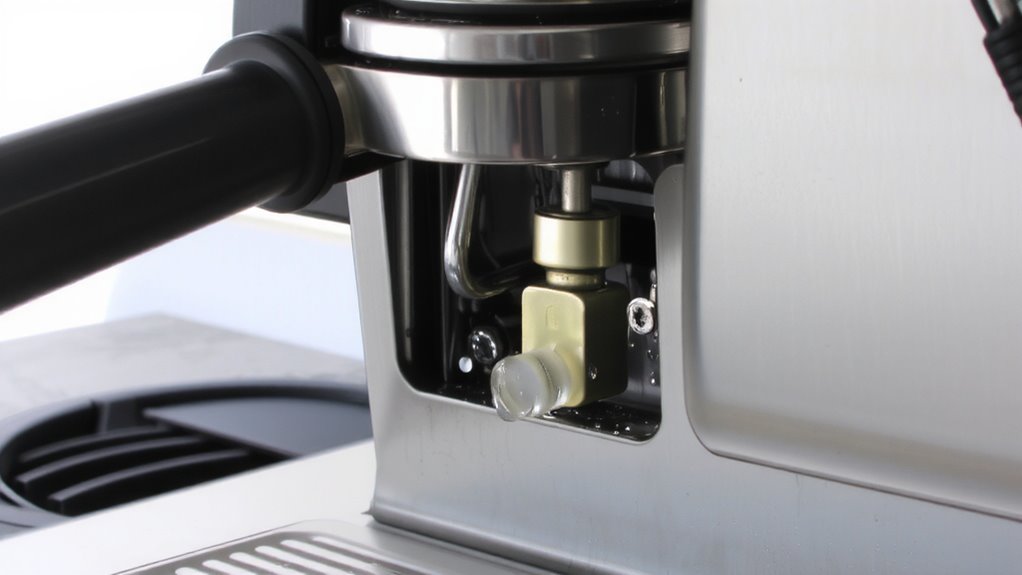
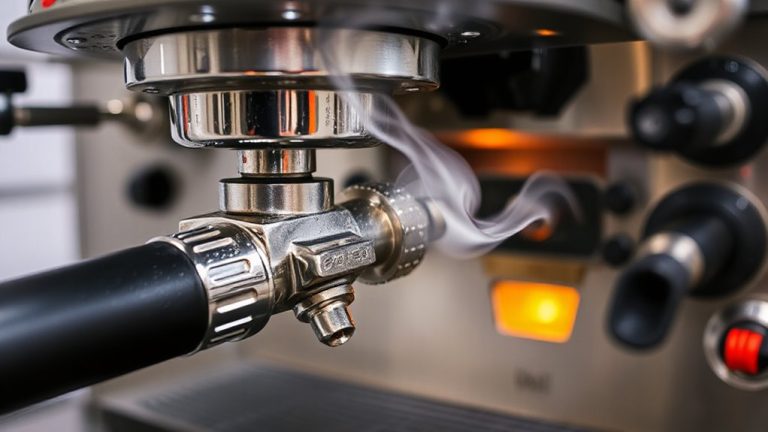
What does your espresso machine’s pump sound like when it kicks in? A low electrical hum followed by steady pump vibration is normal for most machines. You’ll notice this sound during pre-infusion or extraction-it’s the pump pressurizing water to 9 bars. Most entry to mid-range models, like the Breville Bambino or Gaggia Classic, produce this consistent tone. It shouldn’t screech or knock. If the noise is sharp or erratic, that’s not typical. But a rhythmic hum and mild vibration? That’s just physics at work. High-end models might run quieter due to advanced pump insulation, but some electrical hum remains common. You’re hearing electricity driving the piston or rotary pump-nothing to worry about unless performance drops. Listen closely each time you pull a shot; familiarity helps you catch real problems early. Normal pump noise stays predictable, not sudden or jarring. Keep monitoring, but don’t panic over baseline sounds.
Common Causes of Loud Espresso Machine Pump Noise
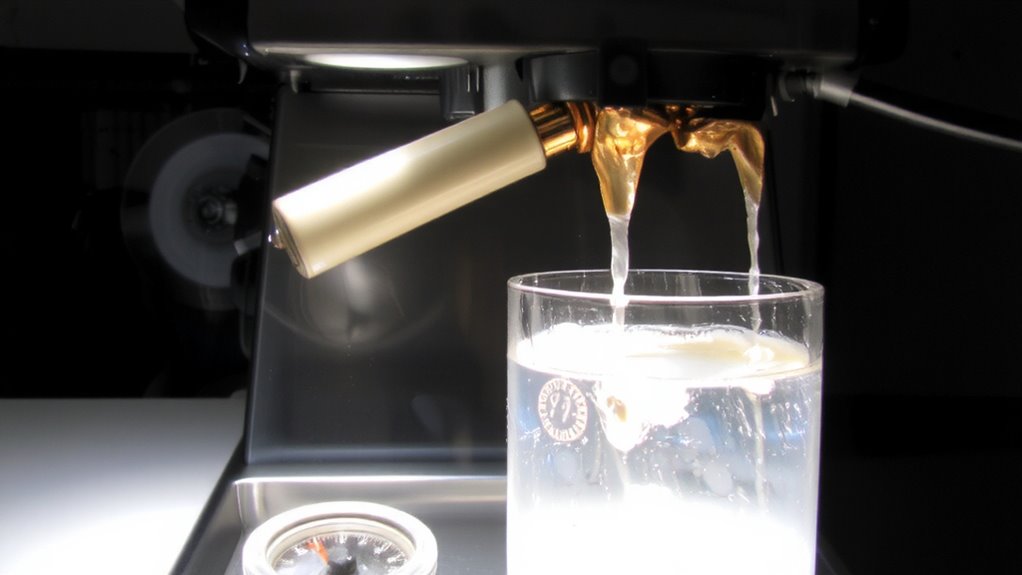
A loud or unusual pump noise often points to one of several common issues, and knowing what’s under the hood helps you tackle it fast. A worn impeller can create grinding or whining sounds as it fails to move water efficiently. Over time, repeated use or hard water accelerates this wear, especially in entry-level machines like some De’Longhi or Gaggia models. You might also hear clunking or vibrating if there are loose fittings around the pump housing or water lines-these let parts shift or rattle during operation. Tightening connections often reduces the noise, but don’t overtighten plastic components. Unlike normal buzzing, these sounds signal mechanical trouble. While some noise is expected, persistent or worsening sounds mean you should inspect the pump area. Replacing a worn impeller or securing loose fittings typically restores smooth, quiet function. Regular maintenance helps avoid bigger issues down the line.
Air in the System Causing Pump Noise?
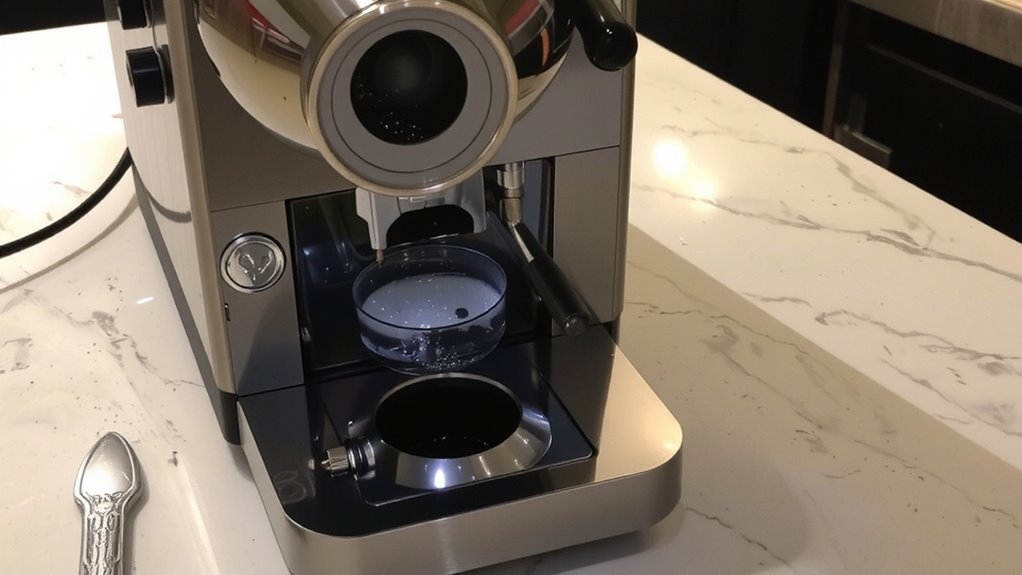
Ever wonder why your espresso machine’s pump suddenly starts sputtering or making gurgling noises? It’s likely due to air pockets in the system. When air gets into the water line-like after refilling the tank or starting a cold machine-trapped bubbles can disrupt water flow, making the pump work harder and noisier. These bubbles don’t compress like water, so they create uneven pressure, leading to that telltale sputtering during extraction. You’ll often hear it as a rapid clicking or gurgling sound. The fix? Run a few water-only cycles through the group head without coffee to flush out the air pockets. Machines like the Breville Bambino or Gaggia Classic respond well to this quick reset. It’s normal occasionally, especially after maintenance. Just don’t ignore it-consistent air issues might point to a leaky seal or loose connection worth checking.
Low Water Causing Pump Noise?
Why is your espresso machine making that loud, whining noise? It might be due to a low water level in the tank. When the water drops too low, the pump struggles to draw in what it needs, creating a high-pitched, air-starved sound. This causes unnecessary pump strain, especially in vibratory pumps found in machines like the Breville Bambino or Gaggia Classic. Running the pump dry even briefly can overheat it and shorten its lifespan. To avoid this, always check the water level before pulling a shot. Refill when it’s below halfway-it’s an easy habit that prevents damage. While tank-style machines are more prone to this issue, plumbed-in units rarely face it. Keeping the tank adequately filled is a simple fix with real benefits: smoother operation, less noise, and extended pump life. Don’t ignore the sound-top it off and protect your machine.
Hard Water Buildup Making Your Pump Loud?
Mineral accumulation over time can transform your espresso machine’s pump into a noisier, less efficient version of itself. When hard water runs through the system, it leaves behind mineral deposits that collect in narrow pipes and around the pump. This scale accumulation restricts water flow, forcing the pump to work harder and generate more noise. Machines in high-hardness water areas-like many in the Midwest or near limestone sources-are especially prone. You won’t always see leaks or failures right away, but the increasing whine or grinding sound is a clue. Regular descaling with a proper solution, like citric acid or a brand-specific cleaner, slows the damage. Most manufacturers recommend doing this every 1–3 months, depending on use and water hardness. Without it, scale buildup continues, reducing both sound quality and machine lifespan. Using a Nespresso-approved descaler ensures optimal performance and maintains warranty coverage.
Signs Your Espresso Machine Pump Is Failing
How do you know when it’s more than just noise? If your espresso machine’s pump struggles to reach pressure or makes grinding, inconsistent sounds, it might be failing. Worn bearings often cause a loud humming or whining that wasn’t there before-this isn’t just annoying, it’s a sign of mechanical breakdown. You might also notice the pump cycling erratically or not turning on at all, which points to electrical issues like a failing motor or damaged wiring. Machines like the Gaggia Classic or older Rancilios show these symptoms around the 5–7 year mark without proper maintenance. If descaling doesn’t help and noise gets worse, don’t ignore it. A failing pump can leave you without espresso entirely. Replacing the pump yourself is an option if you’re confident, or you can go through a technician-either way, act before full failure hits.
On a final note
Your espresso machine’s pump shouldn’t be loud. Noise often means air in the system, low water, or hard water buildup-fixable with flushing, refilling, or descaling. If it’s still noisy, the pump may be failing and need replacement. Check your machine’s manual and act early. For example, Gaggia models often need regular descaling, while cheaper pumps in entry-level machines wear faster. Address issues now to avoid costlier repairs later.