How Metal, Glass, or Ceramic Containers Impact French Press Brewing Temperature Uniformity
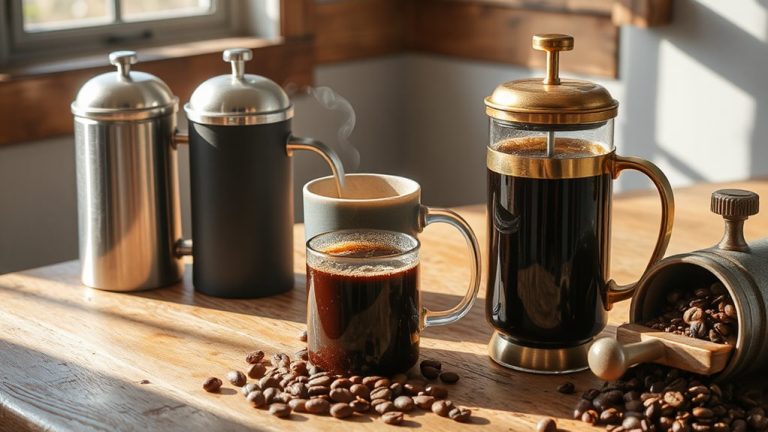
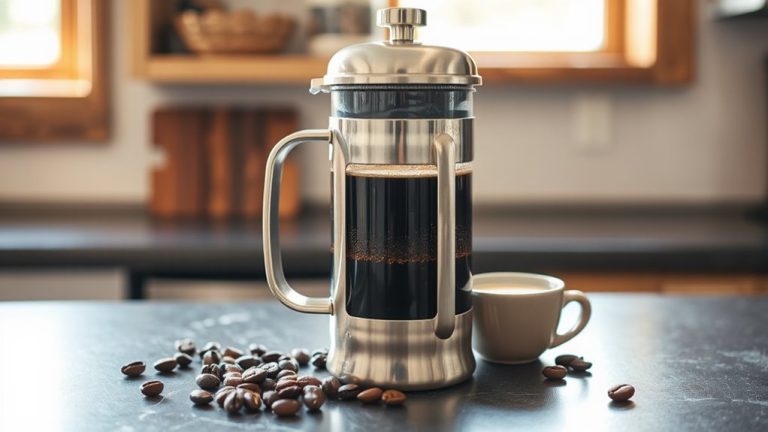
Your French press’s material直接影响 brew temperature. Metal ones, like the Fellow Clara or Espro, keep heat steady longest-double walls act like a thermos. Glass, such as Bodum Chambord, cools fast, risking under-extraction. Ceramic holds temp better than glass but can crack if shocked. For even brewing over 30+ minutes, stainless steel wins. If you sip slowly or brew outdoors, metal’s stability matters most-choices change based on how you brew.
Notable Insights
- Stainless steel provides the most uniform brewing temperature due to high heat retention, especially in double-walled models.
- Glass loses heat quickly, leading to uneven extraction and declining temperature stability during the brew cycle.
- Ceramic moderates heat loss better than glass, offering more uniform temperature over a 30–40 minute window.
- Metal’s high thermal conductivity ensures even heat distribution, minimizing cold spots during coffee extraction.
- Preheating is critical for all materials, but especially metal and glass, to maintain brewing temperature uniformity.
How French Press Material Affects Brew Temperature
When it comes to maintaining brew temperature, the material of your French press plays a key role. Glass models, like the classic Bodum Chambord, offer visibility but lose heat quickly, especially at higher brewing altitude where boiling points drop. Ceramic presses retain heat better than glass and provide a moderate buffer, but still cool faster than metal. Your water mineralogy also interacts with material-hard water may leave more residue on stainless steel, while glass shows every mineral deposit. If you’re brewing at elevation or with soft water, you’ll need to adjust steep time or preheat more carefully. Materials respond differently to ambient conditions, so consider where and how you brew. For consistent results across environments, material stability matters just as much as initial heat. Choose based on your climate, water, and routine. Among the top performers for heat retention and durability is the Best French Press Coffee Makers lineup, which includes models designed to optimize brewing consistency.
Why Metal French Presses Hold Heat the Longest
Stainless steel French presses, like the Fellow Clara or Espro models, keep your coffee hot longer because metal conducts and retains heat better than glass or ceramic. You benefit from high thermal conductivity, which spreads heat quickly and evenly through the walls, minimizing temperature drops during brewing. This efficient transfer supports stable extraction, especially important in cooler environments. Plus, double-walled metal presses boost heat retention, trapping warmth between layers like a thermos. That means your coffee stays near ideal serving temperature for 30 minutes or more. While metal doesn’t let you monitor brew progress visually, it outperforms glass or ceramic in maintaining consistency. If you sip slowly or brew in a chilly kitchen, a metal French press gives you better thermal performance without extra effort. Just preheat it well-metal can initially absorb more heat from your water, but once balanced, it works for you. A top pick for performance and design is the Fellow Clara.
Why Glass French Presses Cool Too Quickly
A glass French press, like the classic Bodum Chambord or Secura models, tends to lose heat fast because glass doesn’t hold thermal energy as well as metal. Its low heat retention means your coffee cools quicker, affecting extraction. While glass has moderate thermal conductivity, it transfers heat to the air instead of keeping it in the brew. That’s why your morning cup might taste flat-temperature drops too fast.
| Material | Thermal Conductivity | Heat Retention |
|---|---|---|
| Glass | Medium | Low |
| Stainless Steel | Low | High |
| Ceramic | Low | Medium |
| Plastic | Very Low | Very Low |
| Copper | Very High | Low |
If you’re brewing with glass, consider preheating the carafe. It won’t match metal’s performance, but it helps stabilize temps slightly during steeping.
How Ceramic French Presses Balance Temperature Stability
Ceramic French presses offer a middle ground between glass and stainless steel when it comes to keeping your brew hot. You get better heat retention than glass, thanks to ceramic’s lower thermal conductivity, meaning it loses heat more slowly. That helps maintain a stable brewing temperature without the risk of overheating like metal can. While not as insulating as double-walled stainless steel, ceramic still keeps coffee warm enough for a solid 30–40 minutes, which is plenty for most morning routines. It’s also non-reactive, so no off-flavors. Just be careful-it’s fragile like glass and can crack under sudden temperature shifts. If you value a balance of warmth, durability, and looks, a ceramic press like the Bodum Columbia or Secura is a smart pick. You won’t get lab-grade stability, but you’ll get consistent, drinkable results without fuss. Best French press coffee makers are often chosen for their ability to combine performance with practical design.
How Temperature Changes Over Time by Material
While you might not notice the difference at first sip, how fast your French press loses heat depends heavily on what it’s made of, and that affects the final taste. Stainless steel models have high thermal conductivity, so they heat up quickly but also lose temperature fast unless double-walled. That means your coffee might cool too fast, leading to under-extraction. Glass carafes, like those in standard Bodum presses, offer moderate heat retention but lose warmth steadily-fine for quick brewing, not for long sits. Ceramic ones strike a balance, heating slowly and holding warmth longer due to lower thermal conductivity. If you take your time sipping, ceramic helps maintain a stable brew temperature. But if you want maximum heat retention, go for a vacuum-insulated metal press-it’ll keep water hot the longest. Each material shapes how your coffee cools, so pick based on your brew timeline.
How to Choose a French Press for Even Extraction
Your brew’s evenness starts with the right French press-one that keeps temperature steady and extraction consistent. To achieve this, match your press material to your brewing rhythm. Metal retains heat best, helping maintain stable brew time, while glass loses heat quickly, risking under-extraction. Ceramic sits in the middle but can vary. Use a consistent grind size-too fine causes over-extraction, too coarse leads to weakness. Always preheat your press. Below is a quick guide:
| Material | Best For |
|---|---|
| Stainless Steel | Long brew time, outdoor use |
| Double-Wall Glass | Daily use, visual control |
| Ceramic | Moderate brew time, aesthetics |
| Single-Glass | Budget option, quick brewing |
| Insulated Metal | Max temp stability, travel |
Choose based on your routine, grind size control, and desired brew time.
On a final note
Your French press material directly affects brew temperature. Stainless steel holds heat best, ideal for longer brewing or cold environments. Glass cools quickly, risking under-extraction unless preheated well. Ceramic strikes a balance, retaining heat moderately with a classic look. For even extraction, choose steel if you sip slowly, ceramic for steady heat, or glass only if you serve immediately. Preheating any press helps. Match the material to your routine for consistent results.