Fermenting Washed Coffee in Sealed Tanks With Controlled Oxygen Exposure
You ferment washed coffee in sealed tanks with controlled oxygen to guide microbial activity toward cleaner, brighter flavors. Limiting air exposure favors yeasts like *Saccharomyces cerevisiae* and lactic acid bacteria while suppressing molds and acetic off-notes. Use valves to manage gas buildup and maintain stable temps between 20–25°C for consistent results. This method enhances fruitiness and acidity better than open fermentation, especially with proper pH control around 4.0–4.5. There’s more to optimizing each stage.
Notable Insights
- Sealed tanks limit oxygen exposure to promote consistent, clean fermentation in washed coffee processing.
- Controlled oxygen levels favor beneficial yeast and lactic acid bacteria while suppressing undesirable microbes.
- Precise temperature control between 20–25°C ensures optimal yeast activity and prevents off-flavors.
- Strategic use of valves regulates pressure and allows minimal, timed oxygen pulses during fermentation.
- Phased oxygen management-starting low, mid-level, then anaerobic-enhances acidity and fruit-forward cup profiles.
What Is Controlled Oxygen Fermentation in Washed Coffee?
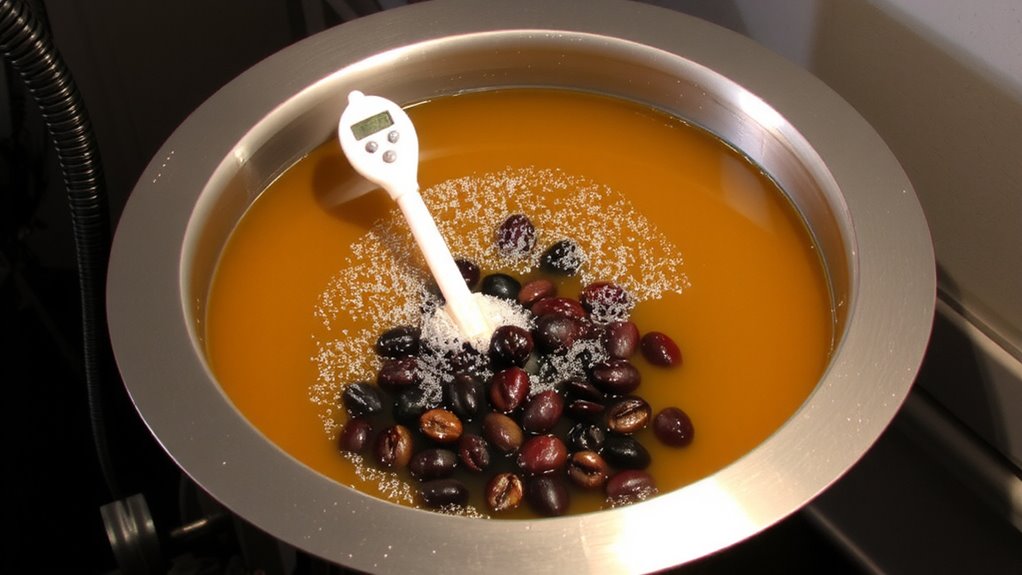
Why let oxygen run wild when fermenting washed coffee? You’re aiming for control, not chaos. Controlled oxygen fermentation means limiting air exposure in sealed tanks to guide microbial activity deliberately. It starts with smart yeast selection-specific strains that thrive in low-oxygen environments and boost clarity and sweetness. These yeasts work best when you maintain temperature stability, avoiding swings that skew fermentation. Without stable temps, even the best yeast underperforms, risking off-flavors. You’ll need tanks with valves to regulate gas release while blocking excess oxygen. Unlike open fermenters, sealed systems reduce contamination risks and improve batch consistency. It’s not about eliminating oxygen completely-it’s about managing it precisely. This approach gives you repeatable results, better acidity, and cleaner profiles. If you want predictable quality in washed coffees, oxygen control is practical, not optional. Your gear and choices make it possible.
How Oxygen Control Changes Washed Coffee Fermentation
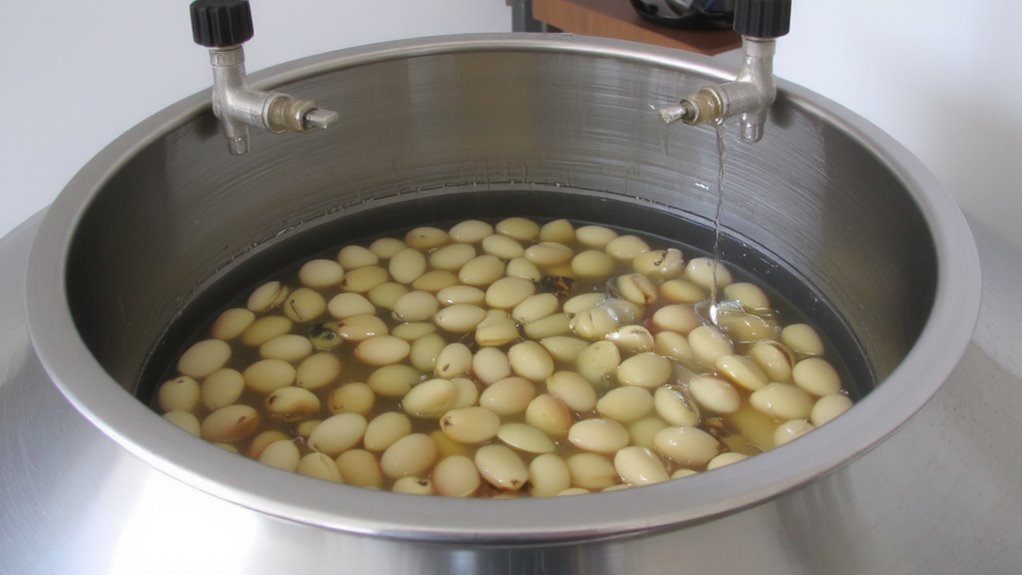
When you limit oxygen exposure during washed coffee fermentation, you shift microbial activity in a predictable direction, which directly affects flavor development and processing consistency. Low oxygen reduces microbial diversity, favoring yeast and lactic acid bacteria over unwanted molds or acetic acid producers. This controlled environment supports cleaner, more consistent fermentations. Enzyme activity slows but remains targeted, helping preserve cell structure in the bean and avoiding over-fermentation. Tanks like GrainPro or vacuum-sealed fermenters make this easier by minimizing air pockets. You’ll get brighter, fruitier profiles with fewer off-flavors compared to open-tank fermentation. However, you must monitor time closely-limited oxygen doesn’t stop fermentation entirely, and delays can still cause defects. While not foolproof, controlling oxygen gives you more control than traditional methods, especially in humid or unstable climates. It’s a practical upgrade for quality-focused producers.
The Science of Oxygen in Coffee Fermentation
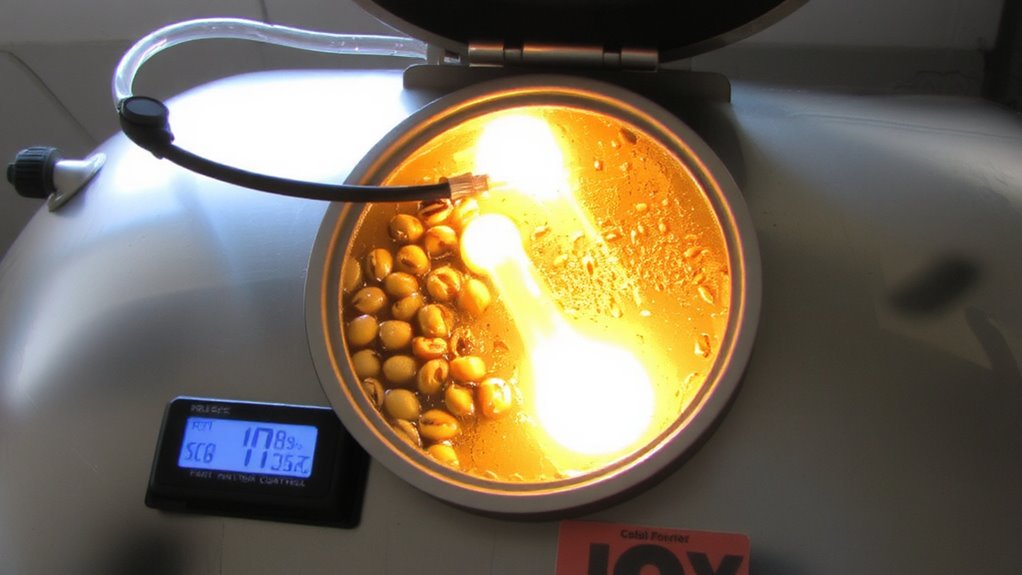
How does oxygen actually shape what happens inside your fermentation tank? Oxygen influences both chemical reactions and microbial activity during coffee fermentation. Too much exposure leads to oxygen degradation, breaking down desirable compounds and dulling flavor clarity. But some oxygen is necessary-strictly anaerobic conditions can cause excessive microbial inhibition, slowing fermentation or allowing unwanted species to dominate. You’re balancing these forces: enough oxygen to support healthy yeast and bacteria metabolism, but not so much that it degrades your coffee’s potential. Sealed tanks let you control this precisely. Unlike open fermentation, where oxygen enters unpredictably, sealed systems limit inflow, reducing spoilage risk. You can even use valves to regulate pressure and微量 gas exchange. This approach isn’t foolproof-monitoring time, temperature, and pH remains critical-but it gives you consistent, reproducible results, especially with delicate washed coffees aiming for clean, bright profiles.
Step-By-Step: Fermenting Washed Coffee With Controlled Oxygen
| Phase | Oxygen Level |
|---|---|
| Initial 12h | Low oxygen |
| Mid-ferment | Controlled |
| Final 6h | Anaerobic |
| Wash | None |
This method balances speed and flavor development.
How Controlled Oxygen Enhances Acidity, Sweetness, and Fruit
Since oxygen levels are deliberately managed during fermentation, you’ll find the resulting coffee often strikes a cleaner, more vibrant balance in the cup. Controlled oxygen exposure supports beneficial microbial diversity, encouraging yeasts and bacteria that enhance desirable flavor pathways. This balanced environment boosts enzymatic activity, which breaks down mucilage more evenly and releases fruity, floral, and citrus notes. You’ll notice brighter acidity-not sharp or sour, but lively and well-defined-because oxygen helps regulate acid production. At the same time, sugars develop more fully, leading to perceived sweetness without added syrupiness. These effects are especially clear in tanks like the CAFé tanks or Oval tanks with integrated oxygen sensors. Too little oxygen stalls fermentation; too much can encourage unwanted microbes. But with precise control, you consistently achieve complex, fruit-forward profiles. It works best with high-quality cherries and clean processing setups.
Preventing Off-Flavors in Oxygen-Controlled Fermentation
While oxygen control improves flavor development, skipping key safeguards can lead to off-flavors that ruin even the best beans. You need consistent monitoring and smart setup choices to avoid vinegar, sulfur, or musty notes. Start with clean tanks and sanitized tools-contamination risks rise in low-oxygen environments. Yeast selection matters: use known strains like *Saccharomyces cerevisiae* or native strains you’ve cultured safely, avoiding wild yeasts that disrupt fermentation. Balance is key-maintain microbial balance by controlling temperature (keep it between 20–25°C) and pH (ideally 4.0–4.5). Small oxygen pulses can help aerobic microbes stay competitive, preventing dominance by undesirable anaerobes. Use sensors or manual checks every 6–8 hours. And always record your variables-batch notes help you repeat success and avoid past mistakes when refining your process.
On a final note
You get more control over flavor when you ferment washed coffee in sealed tanks with limited oxygen. It boosts acidity, sweetness, and fruity notes while reducing off-flavors. Tanks like GrainPro or Fermentools with airlocks work well. Stir gently and monitor time and temp-over-fermenting still risks sour or funky cups. Compared to open fermentation, this method is more consistent, especially in humid climates. It’s a practical upgrade for quality-focused producers.