French Press Coffee for Camping: Using a Stainless Steel Brewer
Use a stainless steel French press for camping-it’s durable, won’t shatter like glass, and retains heat well. Keep your water at 200°F, not boiling, and use a coarse grind to avoid sludge. Clean the mesh filter with a small brush to prevent clogs, and let everything cool before packing. Fresh beans and proper storage stop odors and preserve flavor. If your coffee tastes bitter or weak, small tweaks help. You’ll find smarter fixes and best practices just ahead.
Notable Insights
- Stainless steel French presses are durable, shatter-resistant, and ideal for rugged outdoor use.
- Use a coarse grind and 200°F water to optimize extraction and minimize sediment in your camp coffee.
- Double-walled steel designs retain heat better than glass, keeping coffee hot in cold conditions.
- Clean the mesh filter with a small brush after use to prevent clogs and ensure smooth plunging.
- Avoid direct flame contact; heat water separately to prevent damage to the steel brewer.
Choose Stainless Steel for Camping French Press Coffee
You’ll want a French press that can handle the bumps and weather of outdoor trips, and that’s why stainless steel is your best bet. It offers a clear durability advantage over glass, resisting cracks and shattering when knocked over on rocky terrain. Stainless steel models, like the Espro Travel Press or Stanley Adventure, are built for rugged use and won’t fail mid-trip. They’re also lighter than glass versions, making them easier to pack. Another key benefit is temperature retention-double-walled stainless steel keeps coffee hot longer, even in cold conditions. While it doesn’t insulate as well as a thermos, it outperforms glass by a wide margin. Avoid plastic models; they scratch easily and can retain odors. Stick with stainless steel for reliability, safety, and consistent performance when camping. It’s a practical upgrade that pays off.
Brew Coffee With a Steel French Press Outdoors
A stainless steel French press makes brewing coffee outdoors straightforward, even in less-than-ideal conditions. Just mind the weather conditions-wind can cool water too fast, while rain may disrupt your setup. Use hot, not boiling, water (around 200°F) and a coarse grind for best results. Always prioritize campfire safety: keep flammable items away and never leave heating water unattended. Your steel press handles heat well, but avoid placing it directly in flames. For alternative brewing methods, consider a camping percolator which is designed specifically for outdoor use.
Pack and Clean Your Brewer After Use
After pouring your last cup, let the French press cool before disassembling it-handling hot parts can lead to burns, and sudden temperature changes might weaken the metal over time. Rinse all parts thoroughly with warm water to remove coffee grounds and oils, then use a small brush to scrub the mesh filter; skipping this risks clogs and affects future brews. Dry everything completely before packing to prevent mold and maintain hygiene practices. Stainless steel resists odors better than plastic, but residual moisture can still harbor bacteria. Store the rod separately to avoid pressure on the filter. When addressing portability concerns, consider a compact, nested kit or a protective sleeve to save space and avoid dents. Avoid packing the French press loosely in your gear-its shape makes it prone to snagging or leaking if not secured. Clean immediately after use; dried grounds are harder to remove, especially without access to soap. A durable camping coffee maker ensures reliable performance in outdoor conditions.
Use the Right Coffee Beans and Grind for Camp Brewing
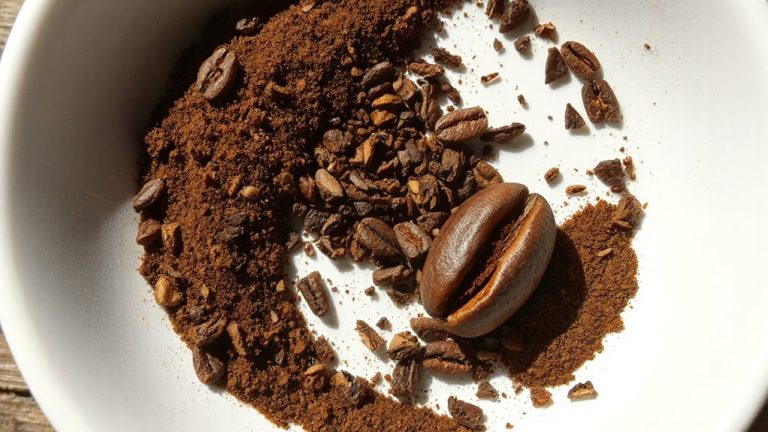
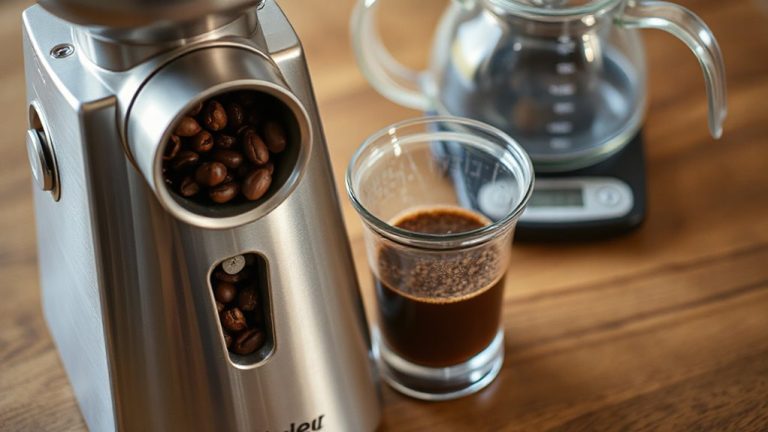
Once your French press is cleaned and stowed, attention shifts to the ingredients that make the brew worth the effort. Start with fresh beans-ideally roasted within the past two weeks and ground just before brewing. Stale or pre-ground coffee loses aroma and depth, which matters more when you’re brewing outdoors with limited gear. For camp brewing, a coarse grind is essential. It prevents fine particles from slipping through the press’s metal filter, avoiding a gritty cup. A burr grinder set to coarse, like for a French press, delivers even results-better than blade grinders, which create uneven particles. If you must prep at home, grind just before packing and store in an airtight container. Fresh beans and a proper coarse grind guarantee clarity, body, and consistent flavor, even at elevation or in cooler morning air. The most durable options for outdoor use are stainless steel French presses.
Fix Common Steel French Press Brewing Problems
That sturdy steel French press can let you down if small issues go unchecked, but most problems have quick fixes. If your coffee tastes bitter or over-extracted, check your grind consistency-grounds that are too fine clog the filter and make pressing hard. Use a burr grinder to aim for a coarse, even texture, like sea salt. On the flip side, weak coffee often comes from water temperature that’s too low. Always heat water to just off the boil-around 200°F is ideal. Pour slowly and evenly to guarantee full saturation. If the presser sticks, don’t force it; disassemble and clean the mesh screen regularly to prevent grit and stuck grounds. A well-maintained press with consistent water temperature and proper grind consistency delivers rich, smooth coffee every time, even in the wild.
On a final note
A stainless steel French press beats glass for camping-tough, lightweight, and heat-resistant. Use coarsely ground, fresh beans for best results, and mind your water temp to avoid bitterness. Clean thoroughly after brewing to prevent oil buildup and off-flavors. While not as refined as home setups, it’s reliable in rugged conditions. For backpackers or car campers, it’s a practical choice over ceramic or plastic alternatives. Just pack it smart, prep right, and enjoy decent coffee anywhere.