How to Adapt Medium Grind for Soft Water Regions in Filter Coffee
Use a slightly coarser grind-like adjusting from 16 to 18 on a Baratza Encore-to prevent clogging and channeling with soft water. Brew faster, aiming for 2:30–3:00 minutes using a gooseneck kettle. Try a 1:17 or 1:18 coffee-to-water ratio to improve balance. Add magnesium via Third Wave Water for better extraction. Choose light roasts like Ethiopian Yirgacheffe for brighter flavors. These steps fix flat or bitter coffee caused by low minerals-and fine-tune results further with proper tuning.
Notable Insights
- Adjust to a slightly coarser grind, such as from setting 16 to 18 on a Baratza Encore, to prevent clogging and channeling in soft water.
- Shorten brew time to 2:30–3:00 minutes to avoid over-extraction caused by slow extraction in low-mineral water.
- Use a weaker coffee-to-water ratio like 1:17 or 1:18 to improve balance and clarity in soft water conditions.
- Enhance water with magnesium additives such as Third Wave Water to boost flavor extraction and sweetness.
- Choose light roast African coffees, like Ethiopian Yirgacheffe, for brighter, more expressive flavors in soft water.
Adjust Your Grind Coarser for Soft Water
A fair number of home brewers overlook how much water hardness affects extraction, but when you’re using soft water, going a little coarser with your grind can make a noticeable difference. Soft water has low mineral content, which means it extracts more slowly and unevenly, especially with medium or fine settings. Since there aren’t enough minerals to aid in dissolving coffee compounds efficiently, you’re prone to under-extraction even with proper brew times. By adjusting your grinder slightly coarser-say, from 16 to 18 on a Baratza Encore-you help prevent clogging and channeling, promoting a more balanced draw. This tweak works best with pour-over devices like Hario V60 or Kalita Wave. Hard water, with higher mineral content, behaves differently, so don’t apply this blindly. Always match grind size to your water hardness for consistent, clean cups.
Brew Faster to Avoid Bitterness
Since soft water extracts more slowly due to low mineral content, you’ll want to speed up your brew time to avoid over-extraction and the harsh, bitter notes that come with it. Increasing your brew speed helps maintain better flavor balance by limiting how long the water pulls from the grounds. Try pouring slightly faster or using a coarser grind to let water pass through more easily. A gooseneck kettle with good flow control, like the Fellow Stagg or Hario V60 Buono, gives you precision without slowing down. If your total brew time is over 3:30, aim to reduce it to 2:30–3:00 for brighter, cleaner results. Just don’t rush so much that you under-extract-you still need even saturation. Adjusting brew speed is a practical fix that directly impacts flavor balance. It’s one of the fastest ways to adapt your setup when working with soft water and a medium grind. For consistent results, consider using one of the best gooseneck kettles designed specifically for precision pouring.
Use a Weaker Ratio to Balance Extraction
Try using a weaker coffee-to-water ratio-like 1:17 or even 1:18 instead of the standard 1:15-to help balance extraction when brewing with soft water and a medium grind. Soft water has low mineral content, which reduces extraction efficiency, especially for harder-to-reach compounds. This can lead to under-extraction if you use too much coffee. A weaker ratio offsets this by reducing coffee mass, allowing the available water to extract more evenly. It improves flavor balance by minimizing sourness and enhancing clarity without tipping into bitterness. Keep your grind medium and brew time steady-around 2:30 to 3:30 minutes-to maintain consistency. This approach works well with pour-over devices like the Hario V60 or Kalita Wave. Adjusting for water hardness this way is simple, effective, and requires no special additives-just precise measurements and attention to taste. For best results, consider the recommended coffee grinds for pour-over from brewing experts to ensure optimal particle size and extraction.
Add Magnesium for Better Flavor Extraction
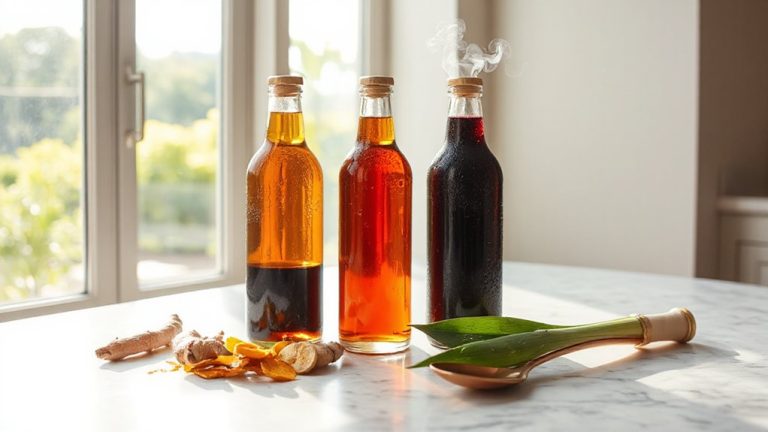
You’ve adjusted your ratio to compensate for soft water’s low extraction power, but there’s another step you can take to improve results: boosting the water’s mineral profile. Soft water lacks key minerals like magnesium, which help pull flavor from coffee. Adding magnesium via magnesium additives enhances extraction, bringing out sweetness and clarity. Products like Third Wave Water or Magnesium Green Boost tablets make mineral balancing easy and consistent. Just follow the instructions to add the right amount to your brewing water. Too much magnesium can make coffee harsh, so stick to recommended doses. This method works best with filtered water that starts clean. It’s a simple, low-cost upgrade that noticeably improves taste. If you’re serious about flavor in soft water regions, mineral balancing isn’t optional-it’s essential. Try it with your next brew and taste the improvement.
Pick Lighter Roasts That Excel in Soft Water
While soft water can limit extraction and dull flavors, choosing the right coffee can make a meaningful difference-especially when you go lighter. Light roasts often perform better in soft water because they rely less on mineral intensity and more on inherent bean characteristics. You’ll notice improved flavor clarity, with brighter acids and distinct notes like citrus, tea, or stone fruit coming through cleanly. These roasts also allow for natural sweetness enhancement, as under-extraction risks are lower when beans are less dense and sugars are more accessible. Look for African beans-Ethiopian Yirgacheffe or Kenyan AA-as they thrive under these conditions. Avoid very dark roasts, which can taste flat or hollow. Stick to roasters who highlight roast profiles matched to water type. With soft water, lighter doesn’t just mean roast level-it means clearer, more articulate coffee. For exceptional brightness and complexity, consider best coffee beans from around the world that are known for their vibrant profiles and origin-specific characteristics.
Fix Flat or Bitter Coffee Easily
Why does your coffee sometimes come out flat or even bitter, despite using good beans and water? Low water hardness is often the culprit. Soft water lacks enough minerals to properly extract flavor, leading to underdeveloped, sour notes or, paradoxically, harsh bitterness from uneven extraction. Improving flavor clarity starts with balancing your water. You don’t need a full mineral setup-try adding a pinch of food-grade magnesium sulfate (like Epsom salt) to your reservoir, or use commercially available water additives like Third Wave Water or Liquid Alka. These boost mineral content just enough to enhance extraction without overdoing it. Avoid tap water with near-zero hardness, as it pulls inconsistently. Adjusting your water this way is a simple, effective fix. It’s cheaper and more reliable than changing grinders or beans. With better mineral balance, your medium grind will express sweeter, clearer flavors-no guesswork needed.
Dial In Medium Grind for Low-Mineral Water
How do you get the most from a medium grind when your water’s low in minerals? Start by adjusting your water chemistry-soft water extracts unevenly, often leading to flat or sour coffee. Try using a water booster like Third Wave Water or make your own mix with magnesium and calcium to improve extraction. With better water, you’ll see clearer flavors even with a standard medium grind. Next, fine-tune your grind size slightly finer than usual to compensate for low mineral content, but avoid going too far-over-extraction brings bitterness. Always follow up with taste testing: look for balanced sweetness, clarity, and acidity. If the brew tastes sharp or thin, tweak the grind or adjust the water profile. Use a scale and timer for consistency. This method works reliably across pour-over, Chemex, and Kalita Wave setups.
On a final note
You’ll get better results in soft water by adjusting your medium grind slightly coarser to prevent over-extraction. Brew faster with a coarser setting to avoid bitterness. Use a weaker coffee-to-water ratio, like 1:17, for balance. Consider adding a pinch of magnesium (e.g., Third Wave Water) to improve flavor clarity. Light roasts work better here than dark. Dial in carefully-soft water needs small tweaks, not overhaul.