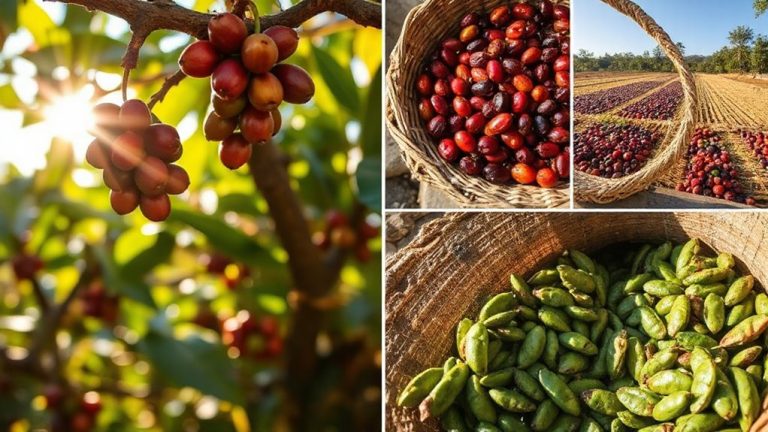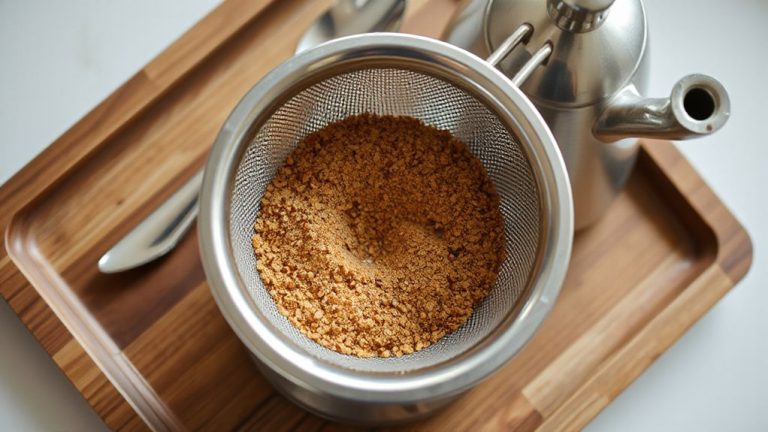
What Makes Gurué Coffee a Historical Legacy With Modern Promise
You’re tasting a legacy-Gurué coffee began under colonial plantations, where Arabica thrived in high-altitude soils, later disrupted by civil war that shattered supply chains. Today, farmers use shade-growing and hand-processing to craft clean, complex beans best brewed light to medium. Cooperatives, supported by Fair Trade, rebuild quality and market access. With steady export growth, especially to Germany and the U.S., Gurué’s revival offers proof of resilience-and what’s next.
Notable Insights
- Gurué coffee’s colonial-era Arabica plantings established a foundation for high-quality, specialty-grade production in Mozambique’s highlands.
- Decades of civil war disrupted farming and exports, but resilient growers preserved traditional methods essential to coffee quality.
- Shade-grown, hand-harvested practices in Gurué yield complex, clean beans comparable to top global specialty coffees.
- Post-war revival includes replanting, cooperative rebuilding, and modern processing to restore consistent, export-ready coffee production.
- Fair Trade partnerships and growing global demand offer farmers stable incomes and signal Mozambique’s reemergence in specialty coffee markets.
Colonial Roots of Gurué Coffee
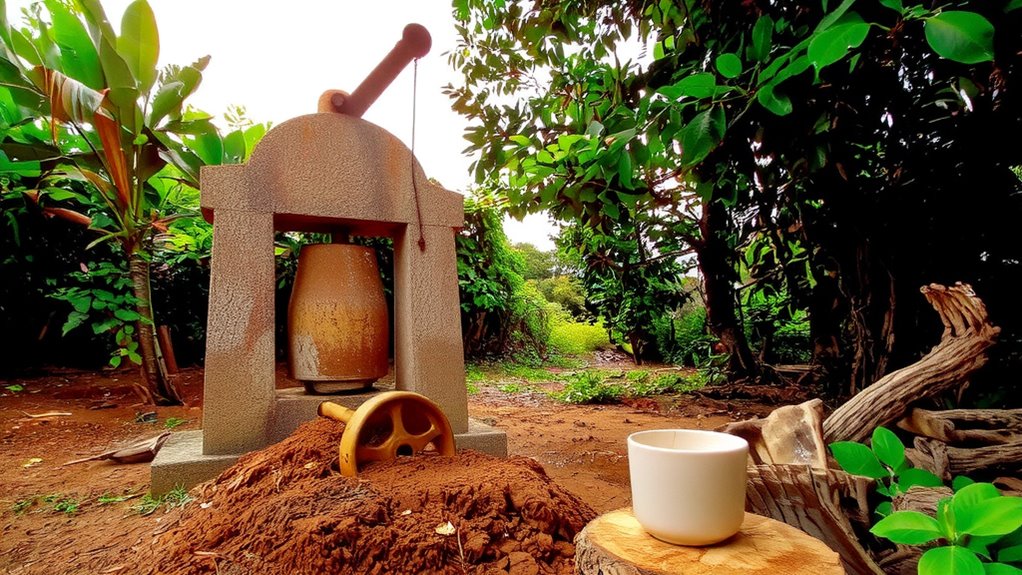
While coffee has grown in Gurué for over a century, its story begins with colonial forces that shaped the region’s agricultural path. You’re dealing with a plantation legacy that prioritized export crops, embedding arabica heritage into the highland terrain. Those early decisions still influence how beans are cultivated and harvested today. The arabica plants, adapted to Gurué’s altitude and rainfall, produce smooth, acidic profiles prized in specialty markets. This heritage isn’t just historical-it affects your brewing choices now. Beans from these older varieties respond best to medium roasts and pour-over methods, which highlight their complexity. Unlike robusta blends suited for strong espresso, Gurué’s arabica needs careful handling to preserve delicate notes. Equipment like a quality burr grinder and gooseneck kettle gives you control. Knowing this background helps you select and prepare beans with intent, turning routine brewing into informed practice.
War’s Threat to Gurué Coffee
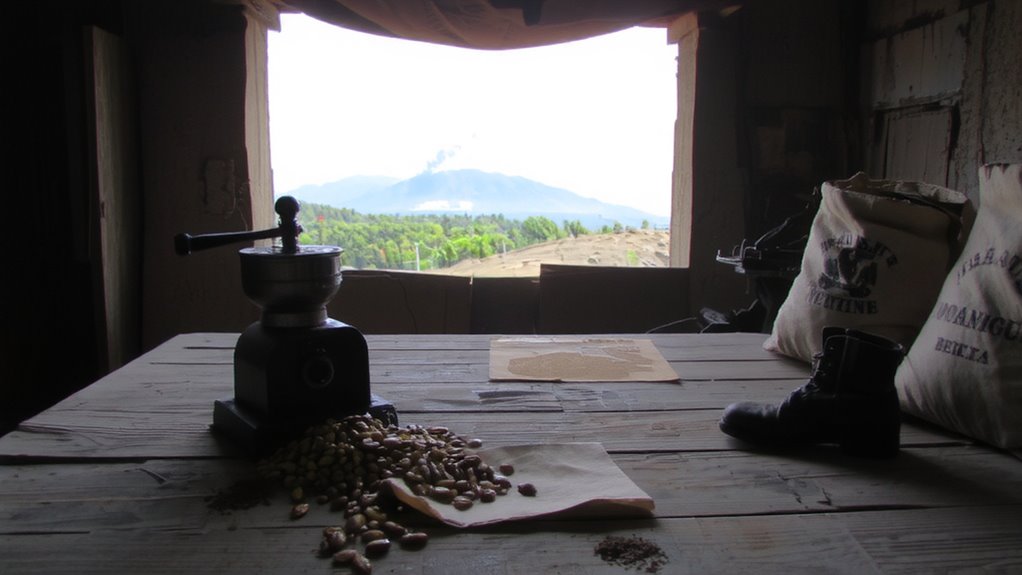
Decades after colonial plantations laid down Gurué’s coffee roots, war swept through the region and disrupted everything from farm to cup. You’re facing the impact of civil conflict that fractured farming communities and halted production. Roads were destroyed, making transport nearly impossible, and export routes collapsed-this caused severe supply chain disruption. Cooperatives disbanded, and without access to markets, farmers couldn’t sell beans, let alone invest in quality. Even basic tools and processing equipment became scarce. The war didn’t just damage infrastructure; it broke the links between growers and buyers. Rebuilding means restoring not just farms, but trust and connections. You’ll need reliable logistics partners and transparent sourcing to stabilize supply. While other regions faced similar setbacks, Gurué’s recovery hinges on reactivating dormant networks. If you’re sourcing or brewing Gurué coffee, know its rarity stems from real historical barriers-not just geography.
The Farming Traditions Behind Gurué’s Flavor
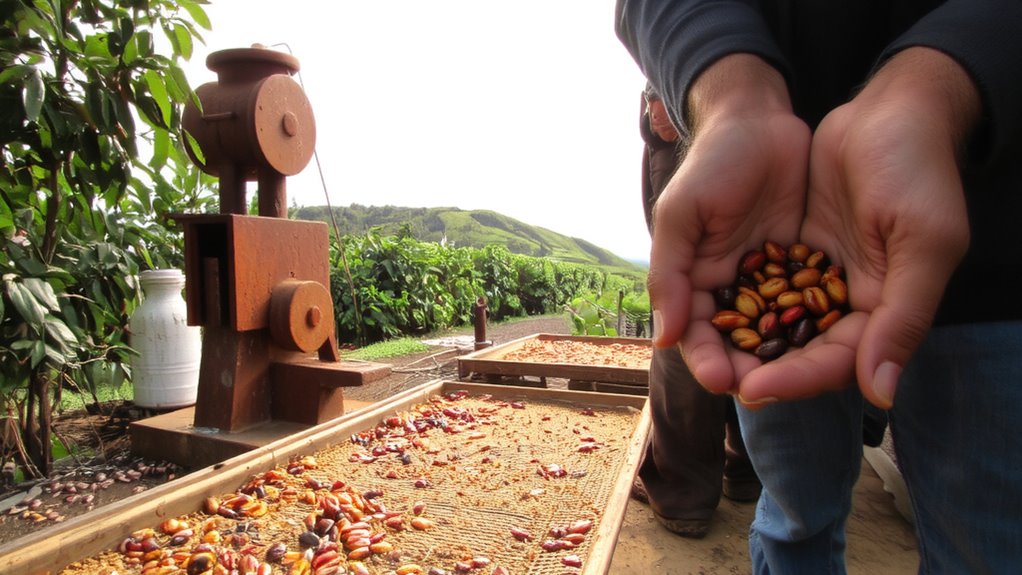
Since the rich soils and high altitudes of Gurué first shaped its coffee character, traditional farming methods have played a key role in defining the beans you now roast or brew. The coffee here is shade grown, meaning it’s cultivated under tree canopies that protect the plants and slow bean development-this boosts density and flavor complexity. You’ll notice this in the cup: clean acidity, subtle fruit notes, and a smooth finish. Most farms still hand harvest, ensuring only ripe cherries are picked, which improves batch consistency. While labor-intensive, this method avoids the uneven quality of mechanical stripping. Smaller farms dominate, using manual pulpers and sun-drying on raised beds-techniques that demand attention but yield cleaner profiles than machine drying. These practices aren’t quaint-they’re functional, aligning with specialty standards you see in top-tier Ethiopian or Guatemalan lots. If you’re sourcing or brewing Gurué, these traditions directly affect extraction and roast development, making precision worthwhile.
Reviving Mozambique’s Coffee Economy
Though Mozambique’s coffee industry faded from global view after political unrest and civil war disrupted production in the late 20th century, efforts are now underway to bring it back with quality-driven focus. You’re seeing a coffee revival powered by renewed investment in farming, processing, and export infrastructure. In regions like Gurué, growers are replanting Arabica and high-yield Robusta varietals suited to local soils. Improved drying techniques and centralized wet mills help guarantee consistent bean quality. This isn’t just about better coffee-it’s a key part of national economic resurgence. Cooperatives now work with international partners to meet market standards, making exports viable again. You’ll find Mozambican beans in specialty markets, a sign of regained credibility. While yields are still modest compared to pre-war levels, the trajectory is upward. With reliable equipment and training, farmers boost output without sacrificing quality. The work isn’t glamorous, but it’s laying a lasting foundation.
How Fair Trade Fuels Gurué’s Future
When you buy a bag of Fair Trade-certified Gurué coffee, you’re not just getting a quality bean-you’re supporting a system that guarantees farmers get fair prices, safe working conditions, and community investment. Ethical sourcing secures transparency from farm to cup, and with direct partnerships, middlemen are cut out, letting more money reach growers. These partnerships build trust and long-term stability, helping farmers plan for future harvests without debt pressure. Fair Trade premiums fund schools, clean water projects, and farming upgrades-tangible benefits you contribute to with every purchase. While Fair Trade certification has administrative costs, the return in social impact outweighs the drawbacks. You’ll notice consistency in your brew, thanks to better farming practices and stable supply chains. Choosing Fair Trade isn’t just moral-it’s practical, delivering higher-quality coffee through sustainable methods you can rely on.
Gurué’s Rise in Global Specialty Markets
You’re already supporting farmers through Fair Trade, but that ethical foundation is now helping Gurué gain serious traction in global specialty markets. Global recognition has grown as roasters in Europe and North America increasingly seek unique, traceable beans. This demand fuels export growth, with volumes rising 12% annually over the past five years. Buyers value consistency, altitude-grown profiles, and transparent sourcing-Gurué delivers all three.
| Market | Annual Import (tons) | Preferred Roast Level |
|---|---|---|
| Germany | 85 | Medium |
| United States | 62 | Light to Medium |
| Sweden | 43 | Light |
| Japan | 30 | Medium-Dark |
This export growth isn’t accidental-it reflects strategic partnerships and quality control. You’ll notice brighter acidity and complex notes of red fruit and honey when brewed as pour-over. For best results, use a conical burr grinder and water at 200°F. Gurué’s profile suits filtered methods, though it works in espresso blends for balance.
On a final note
You’ll need a burr grinder and gooseneck kettle for the best pour-over results with Gurué coffee. Its bright, clean profile shines when brewed precisely. Whole beans stay fresh up to a month in an airtight container. While auto-drip works, a Chemex or V60 draws out more nuance. Fair trade certification guarantees quality and supports farmers. These practical choices make every cup both ethical and flavorful.