Cleaning the Shower Screen on Your Espresso Machine: A Daily Maintenance Must
You should clean your espresso machine’s shower screen daily to prevent clogs from coffee oils and fine grounds. It guarantees even water flow, better extraction, and longer machine life. Just unscrew the retention ring, scrub the screen gently with a soft brush, and rinse. Use medium-dark roasted beans with minimal surface oil and a low-heat grinder like the Baratza Sette to reduce buildup. Replace the screen every 6–12 months if you notice uneven shots or warped holes-it’s an easy fix that keeps your espresso tasting sharp.
Notable Insights
- Clean the shower screen daily to prevent coffee oils and fines from clogging pores and disrupting water flow.
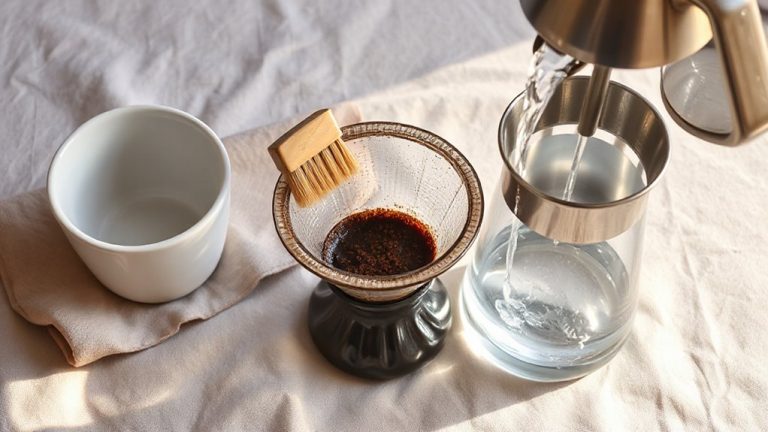
- Remove the screen by unscrewing the retention ring, then scrub both sides with a soft brush.
- Rinse thoroughly after cleaning to eliminate residue and ensure consistent water saturation during extraction.
- Use medium-dark roasted beans and low-heat grinders to minimize oily buildup on the screen.
- Replace the shower screen if warped, pitted, or causing uneven extraction despite regular cleaning.
Why You Should Clean Your Shower Screen Daily
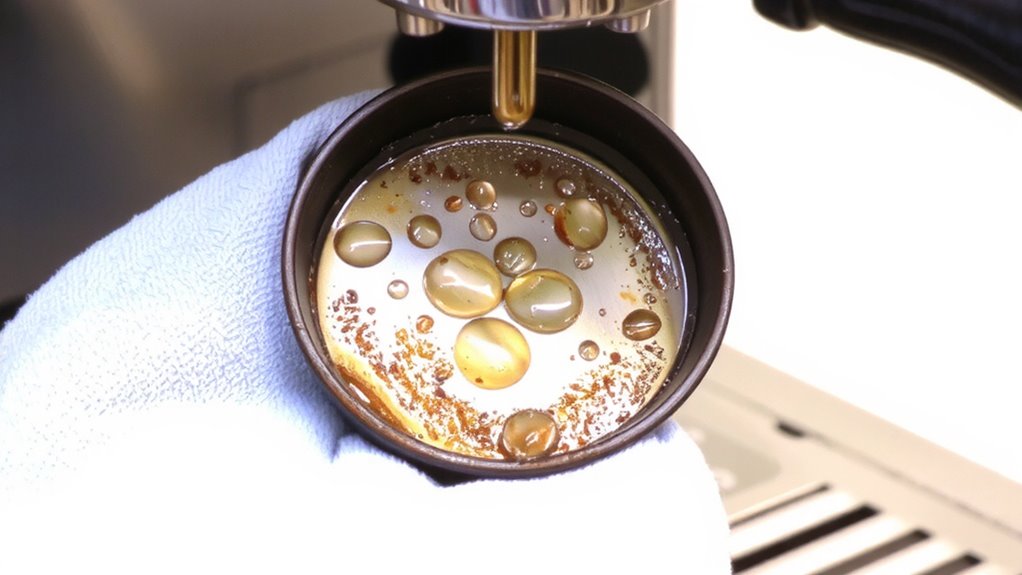
You should clean your shower screen daily-ideally after every use-because coffee oils and fine grounds build up quickly, which can clog the screen and disrupt water flow. This blockage affects extraction by creating uneven pressure and poor saturation of the coffee puck. Over time, residue buildup harms water quality, introducing stale flavors and increasing the risk of bacterial growth. Consistent cleaning helps maintain clean, consistent water contact with the grounds, ensuring better-tasting shots. More importantly, daily maintenance supports machine longevity. Scale and gunk accumulate faster in high-heat environments, and without regular wipe-downs or backflushing (if your machine allows it), internal parts like pumps and group heads wear out prematurely. Simply removing the screen and rinsing it under warm water, or soaking it in a mild detergent, prevents long-term damage. It’s a small step that protects performance, flavor, and the life of your machine.
What Your Espresso Machine’s Shower Screen Does
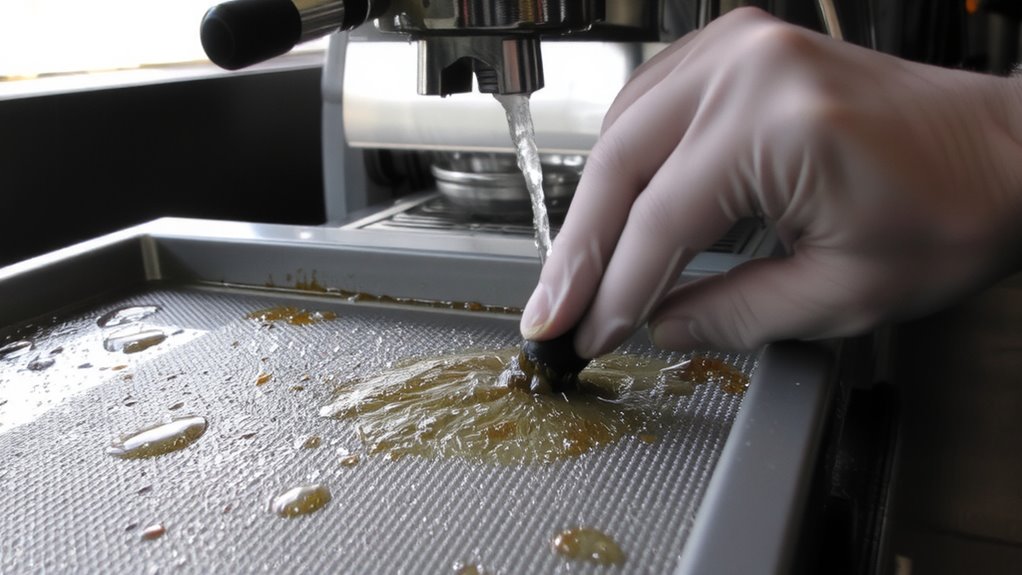
The shower screen sits just beneath the group head and plays a key role in how water reaches your coffee puck. It spreads hot water evenly across the surface before it seeps through the grounds, helping maintain consistent heat distribution and proper pressure balance during extraction. Without it, water would channel unevenly, leading to weak or bitter shots. Most machines use a flat, perforated metal screen-like those in Lelit or Rocket models-that diffuses water flow and protects the puck from direct steam or pressure bursts. Over time, coffee oils and mineral deposits can clog the tiny holes, disrupting both temperature stability and pressure balance, which harms shot quality. You won’t get reliable results if the screen isn’t doing its job right. Think of it as a small part with a big impact-keeping water, heat, and pressure in check every time you pull a shot.
How to Clean the Shower Screen in 5 Minutes
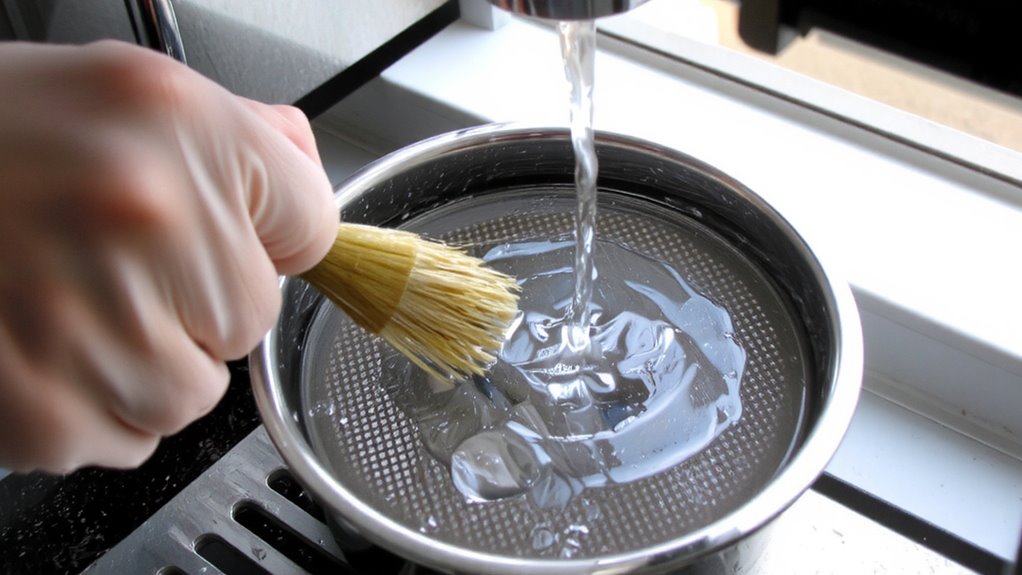
Though it’s small, cleaning the shower screen only takes about five minutes and can make a noticeable difference in your espresso quality. Start by removing the screen carefully-many machines use a retention ring you can unscrew by hand or with a small spanner. For tool selection, use a non-abrasive brush or soft toothbrush; hard tools scratch the surface and impair performance. Gently scrub both sides to remove coffee buildup. Rinse thoroughly with clean water. Before reassembling, check for proper shower screen alignment-misalignment can block water flow and lead to uneven extraction. Reinstall the screen evenly to avoid leaks or pressure loss. This quick task prevents long-term clogs and maintains consistent brews. No special cleaners needed; water and a good brush are usually enough. Make it part of your daily routine, and you’ll protect both taste and machine longevity.
Best Clean Grinding for Coffee Oils and Residue
Grime from coffee oils builds up fast, especially in daily use, and skipping regular cleaning leads to stale flavors and clogged mechanisms. Your coffee grinding routine plays a key role in how much oil buildup your machine faces. Darker roasts and oily beans leave more residue, especially if you grind fine for espresso. These tiny particles carry concentrated oils that stick to grinds and end up in your portafilter and shower screen. To minimize buildup, choose medium-dark roasts that aren’t overly glossy, and avoid ultra-fine grinds unless necessary. Consider using a grinder with low heat emission, like the Baratza Sette series, which reduces oil separation during coffee grinding. Regularly brushing out your portafilter and knocking out pucks immediately helps too. A clean grind means less gunk transferring to your screen-keeping flavors fresh and your machine running smoothly. For consistent results, pair your maintenance routine with one of the best espresso grinders under $500, such as the Baratza Sette 270.
When to Deep Clean (Not Just Wipe) Your Screen
Ever notice a drop in your espresso’s quality despite wiping the shower screen daily? Surface cleaning isn’t enough when mineral buildup clogs the tiny holes or alters water flow. It’s time for a deep clean if shots take longer or taste off-even after dosing and tamping correctly. Regular pressure testing can reveal inconsistent flow, a sign the screen needs more than a wipe. Soak the screen in a descaling solution every 2–4 weeks, depending on your water hardness. Using a Breville-approved descaler ensures compatibility and effective removal of limescale without damaging internal components.
| Indicator | Frequency | Action Needed |
|---|---|---|
| Uneven water flow | Weekly | Pressure testing |
| Visible scaling | Every 2 weeks | Deep clean |
| Shot inconsistency | Monthly | Check for mineral buildup |
A thorough rinse and brush post-soak guarantees full functionality. Skip deep cleaning too long, and performance suffers-even with perfect technique.
How to Tell When It’s Time to Replace the Screen
How do you know when cleaning just isn’t enough anymore? When you start seeing persistent channeling in your puck or uneven extraction, it might not be your technique-check the shower screen. Over time, screen wear thins the metal, warping spray patterns and hurting brew consistency. If you’ve descaled regularly but still notice reduced pressure or spotty water flow, mineral buildup may have etched into the metal, making cleaning ineffective. Look closely-visible pitting, discoloration, or warped holes mean the screen’s integrity is compromised. Some machines, like the Rocket R58 or Lelit Mara, use durable stainless steel screens that last years, but frequent use shortens lifespan. Replacement isn’t costly-usually $15–$30-and takes minutes. Don’t wait until performance tanks. If cleaning no longer restores even flow, it’s time. Replace the screen to maintain proper saturation and shot quality.
Keep Your Machine Running: Daily Shower Screen Care
You should wipe the shower screen daily after use to prevent coffee residue and mineral buildup from affecting performance. A quick clean with a damp cloth removes oils and grounds, maintaining proper water distribution. Over time, buildup can block pores and disrupt flow, leading to uneven extraction. Check for shower alignment when reattaching the portafilter-misalignment causes channeling and poor pressure seal. Most machines, like the Gaggia Classic or Rancilio Silvia, need consistent care to maintain longevity. Remove the screen weekly for a deeper clean with backflushing detergent, but daily wiping is essential. Proper maintenance guarantees even saturation of the puck and consistent shots. Don’t skip inspection-cracks or warping mean it’s time to replace. Good care keeps water distribution uniform and shower alignment intact, guaranteeing your espresso extracts smoothly every time. Keep it simple, keep it clean.
On a final note
You should clean your shower screen daily to prevent coffee oil buildup and clogs. A quick wipe with a damp cloth takes seconds and keeps your machine working right. For deeper cleaning, use a blind basket and backflush with water or a dedicated cleaner like Cafiza weekly. Check the screen monthly-if it’s pitted or won’t come clean, replace it. Most machines use standard 58mm screens, so replacements are easy and cheap. Stay consistent, and your espresso shots will stay even and tasty.