What Makes Sidamo’s Coffee More Balanced Than Other Ethiopian Regions
You get a more balanced cup from Sidamo because its high elevation slows bean development, boosting sweetness while preserving bright acidity. The region’s volcanic soil adds smoothness, reducing bitterness, and steady rainfall cuts irrigation needs. Farmers use shade trees and organic methods, promoting even ripening without chemical spikes. Washed processing sharpens clarity, avoiding the heavy fruitiness of natural coffees. Your brew ends up cleaner and more consistent-especially with pour-over or drip. There’s a reason Sidamo stands apart.
Notable Insights
- Sidamo’s altitude (1,800–2,200m) slows bean development, balancing acidity and sweetness for a harmonious cup.
- Red volcanic soil provides rich nutrients and moisture retention, enhancing natural sweetness and reducing bitterness.
- Consistent microclimate with sunny days and cool nights stabilizes growth, improving flavor clarity and balance.
- Washed processing with controlled fermentation yields clean, bright cups with fewer off-notes or excessive sharpness.
- Traditional shade farming and organic practices support gradual maturation, preserving balanced acidity and body.
What Makes Sidamo’s Terroir Uniquely Balanced?
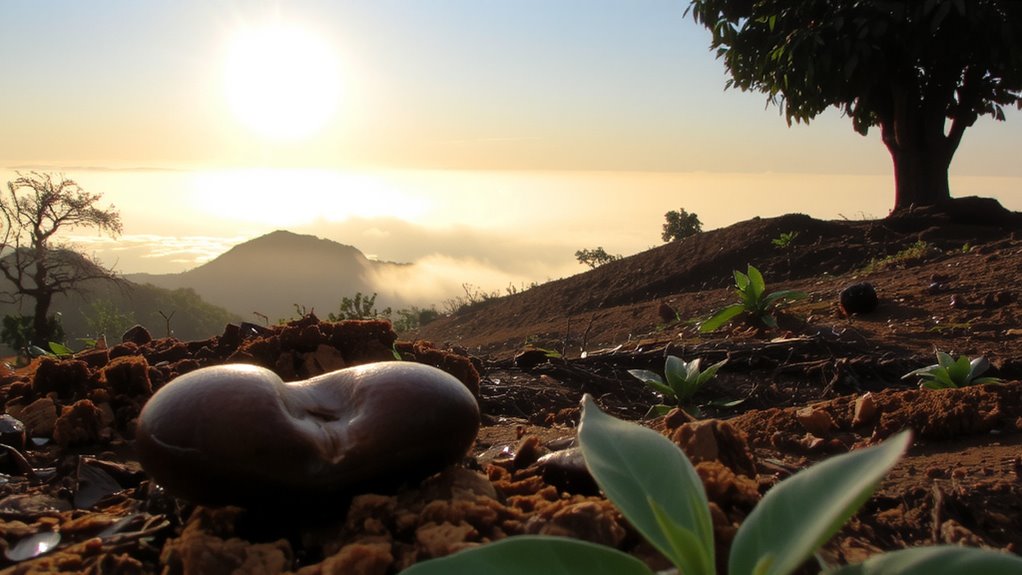
Altitude, soil, and rainfall-Sidamo’s terroir hinges on these three factors working in sync. You’re dealing with a microclimate influence that stabilizes temperature swings, promoting even bean development. This consistency means your brew has fewer defects and more predictable flavor profiles. The red volcanic soil retains moisture well, reducing irrigation needs. Rainfall comes steadily during growing months, but not excessively-ideal for arabica. When you factor in artisanal harvesting, where pickers select only ripe cherries by hand, quality control rises markedly. Unlike regions using strip-picking, this method guarantees only mature beans enter your final cup. You’ll notice cleaner taste and better grind uniformity during brewing. Pair this with a mid-range espresso machine or pour-over cone, and extraction becomes more reliable. It’s practical terroir meets human precision-no guesswork, just repeatable results you can measure sip after sip. For those seeking the finest options, consider exploring some of the Best Ethiopian Coffee Picks to experience Sidamo’s balanced profile at its peak.
How Sidamo’s Altitude Balances Acidity and Flavor
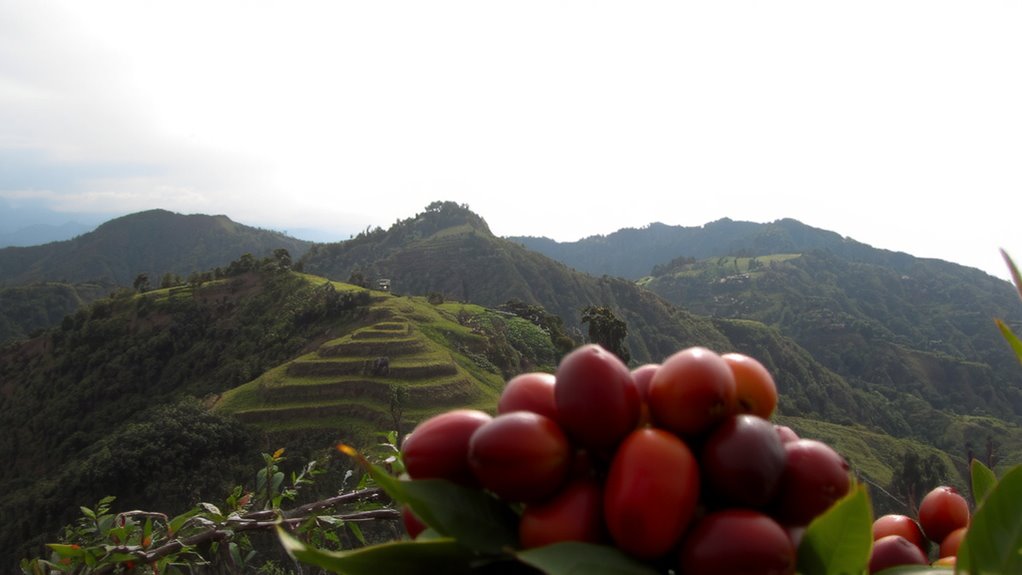
While higher elevations often mean brighter, more acidic coffees, Sidamo’s sweet spot between 1,800 and 2,200 meters keeps things in balance. The altitude slows the bean maturation rate, allowing sugars to develop fully without sacrificing acidity. This range also benefits from consistent microclimate influence-cooler nights and sunny days-that sharpens flavor clarity. You’ll notice less sharpness than in Yirgacheffe, less dullness than in lower regions. For your brew, this means easier extraction and more consistent results across brewing methods. These qualities make Sidamo a top choice among the best Ethiopian coffee beans available today.
Why Volcanic Soil Makes Sidamo Beans Sweeter
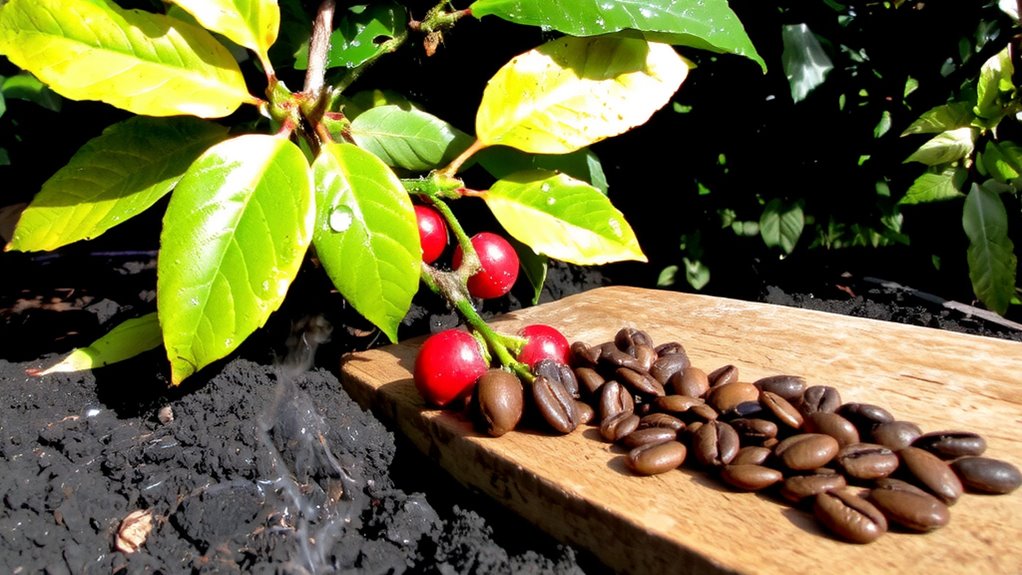
Because Sidamo’s coffee grows in nutrient-rich volcanic soil, the beans absorb minerals that enhance their natural sweetness, giving your cup a smoother, more rounded profile. The mineral richness from ancient lava flows feeds the coffee plants steadily, boosting sugar development during bean maturation. This region’s soil also has high organic content, thanks to decomposed plant matter and natural composting over centuries, which supports consistent nutrient uptake. Compared to non-volcanic regions, where fertilizers may be needed to maintain yields, Sidamo’s natural soil fertility helps produce beans with inherent sweetness and fewer bitter notes. You’ll notice this when brewing-especially with pour-over or AeroPress methods-where clean extractions highlight sweetness without added syrup or milk. While all Ethiopian coffees vary, those from volcanic areas like Sidamo tend to deliver more balanced, naturally sweet cups due to their unique growing conditions.
How Traditional Farming Protects Sidamo’s Balance
When farmers in Sidamo stick to traditional growing methods, they’re not just preserving culture-they’re protecting the coffee’s natural balance. You’ll find that shade canopy use slows bean development, leading to denser, more evenly matured cherries. This means better acidity-sugar harmony when roasted. Instead of synthetic inputs, they rely on organic composting, which enriches the soil gradually and avoids chemical runoff that could disrupt flavor. These practices support steady plant health without spikes in growth that stress trees or degrade cup quality. While full-sun farming elsewhere speeds harvests, it often sacrifices complexity. In contrast, Sidamo’s approach maintains flavor integrity over quick yields. If you’re sourcing beans, look for farms using these methods-they produce coffee with more consistent body and nuanced brightness. Traditional doesn’t mean outdated; it means tested, refined, and effective for balance.
How Processing Creates Sidamo’s Smooth Finish
If you’ve noticed how Sidamo coffee often feels clean and rounded on the palate, the secret starts after harvest-specifically in how the beans are processed. Most Sidamo producers use washed processing, where fermentation control is tightly managed in concrete tanks. This step removes mucilage evenly and reduces unwanted sourness, giving you a smoother, more consistent cup. After washing, beans are sun-dried on raised beds, a method that improves airflow and allows better drying techniques. You’ll see farmers turning beans regularly to avoid mold and over-fermentation, which can create off-flavors. Compared to natural processing used in other Ethiopian regions, this approach reduces fruitiness but increases clarity and balance. The result? A brighter, cleaner profile that’s easy to brew and less prone to bitterness. For home brewers, this means Sidamo performs well with pour-over or drip methods, where subtle flavors shine without extra gear or precision.
On a final note
You get a balanced cup from Sidamo because its high altitude, volcanic soil, and traditional farming work together. Those factors temper acidity while enhancing sweetness and clarity. Most Sidamo beans are washed or naturally processed, giving you a clean, smooth finish. If you’re using a pour-over or drip brewer, expect bright yet rounded flavors-think citrus and berries without harshness. Compared to Yirgacheffe or Harrar, Sidamo’s profile is more consistent, making it a reliable choice for daily brewing.