Exploring the Legacy of British Colonial Coffee Farms in Thyolo
You’re holding coffee shaped by British colonial rule that remade Thyolo’s highlands into export-focused estates using forced labor and racial control. Plantations favored quantity over quality, leaving fragmented farms, aging equipment, and inconsistent processing. After independence, smallholders replaced estates but struggled with scale and infrastructure. Fair Trade helps some, offering premiums and community investment, though not all benefit equally-knowing this history changes how you see each cup’s true cost and potential.
Notable Insights
- British colonial rule transformed Thyolo’s highlands into coffee estates, prioritizing export crops over local food needs.
- Forced labor systems under British control exploited African workers to clear land and harvest coffee under brutal conditions.
- Colonial infrastructure focused on rail networks for coffee export, neglecting broader local development in Thyolo.
- Post-independence, large estates gave way to smallholder farms, shifting production dynamics and reducing uniform quality.
- Colonial emphasis on quantity over quality still affects Thyolo’s coffee, with fragmented supply chains and aging equipment limiting specialty markets.
How Britain Built Thyolo’s Coffee Economy
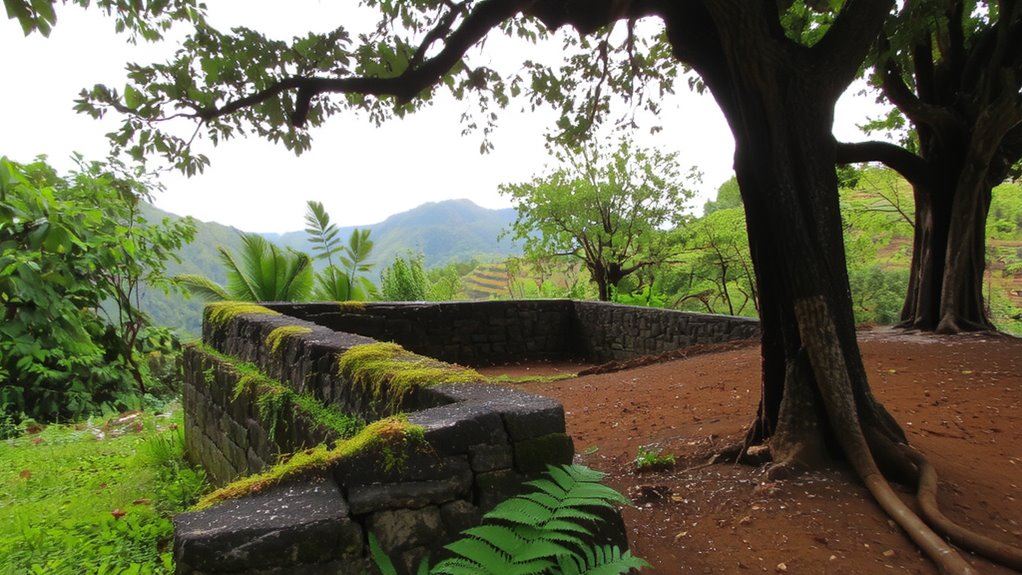
While the lush highlands of Thyolo seemed ideal for coffee, it was British colonial intervention that turned the region into a structured coffee economy starting in the late 19th century. You’ll find that coffee cultivation was reshaped by colonial demands, not local tradition. Large estates were carved out, prioritizing export efficiency over food crops. You’re looking at a system built on colonial labor-forced and low-paid workers cleared land and planted coffee at scale. There were no modern drip grinders or affordable roasters back then; output relied on human effort, not gear. The British introduced Arabica first, then Robusta for its hardiness. Infrastructure like rail lines followed, not for towns, but for shipment. What you see today-Thyolo’s terraced hills-bears the imprint of that era’s priorities: volume, control, and export speed. You don’t need a Chemex to understand the roots; the layout of the farms tells the story plainly.
The Violence Behind the Colonial Harvest
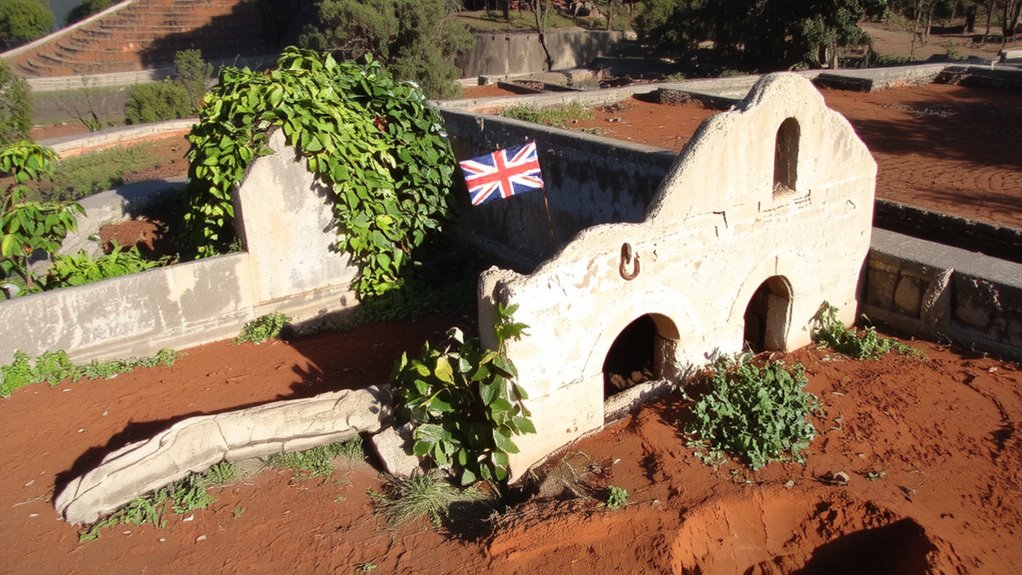
What did it cost to produce the coffee that built Thyolo’s colonial estates? You’re looking at forced labor and racial exploitation as the foundation. Workers, mostly African men and women, were conscripted under colonial rule to clear land, plant coffee, and harvest under grueling conditions. There was no fair wage-just quotas, beatings, and displacement. The British estate owners profited, but the human cost was steep. Forced labor kept production cheap and output high, while racial exploitation guaranteed total control over the workforce. This wasn’t farming; it was extraction. You can’t separate the coffee from the violence used to grow it. Those smooth, medium-roast beans once came from blood-soaked soil. The machinery of empire ran on these plantations, with people treated like tools. Understanding this history isn’t optional-it’s part of every sip. The methods were efficient, but the ethics were absent. That’s the bitter truth behind the harvest.
From Plantations to Small Farms After Independence
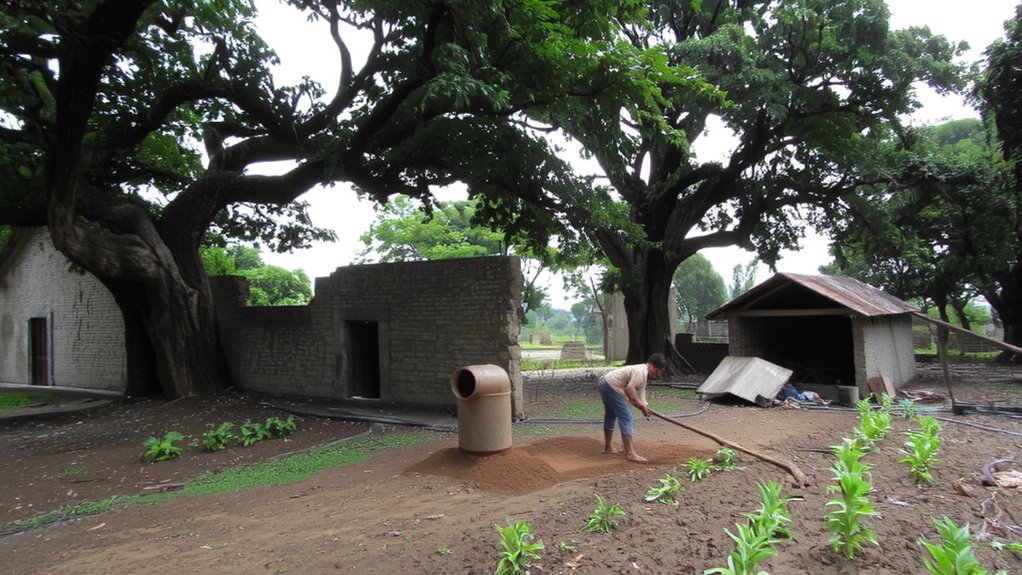
When independence came to Malawi in 1964, the Thyolo coffee landscape began shifting from colonial plantations to smallholder farms, and that change still shapes how coffee is grown today. You now see land ownership spread across many small families instead of concentrated in colonial hands, altering both output and quality control. These small farms often rely on manual tools and traditional drying methods, which can affect consistency. Still, they allow greater local control and reinvestment. Crop diversification became common-you’ll find farmers growing bananas or maize alongside coffee to reduce risk and improve soil. This mix supports food security but may limit coffee yields if land and labor are divided too thin. While economies of scale are lost compared to plantations, diversified small farms adapt better to climate shifts and market fluctuations. You’ll need to account for variability when sourcing beans from this region.
Why Colonialism Still Hurts Thyolo Coffee Quality
Because the colonial system prioritized quantity over quality and centralized processing under a few large estates, you’re still dealing with its legacy in today’s Thyolo coffee-underdeveloped infrastructure, fragmented supply chains, and inconsistent cherry selection. The disruption of local coffee heritage has made specialty production a challenge, as generations inherited colonial trauma instead of knowledge, tools, or fair access. Today, you’re working with what remains: aging equipment, scattered farms, and delayed processing that hurt bean consistency.
| Then (Colonial Era) | Now (Smallholder Reality) |
|---|---|
| Large estates | Fragmented plots |
| Centralized mills | Underfunded cooperatives |
| Export-focused | Limited market access |
| Forced labor | Undervalued labor |
| Suppressed knowledge | Lost coffee heritage |
You need reliable pulpers and quick transport to improve quality-but many lack them. Until infrastructure and equity catch up, inconsistency stays the norm.
Is Fair Trade Healing Thyolo’s Colonial Wounds?
How can a certification truly repair decades of systemic neglect? Fair Trade aims to, but its impact in Thyolo is mixed. You’ll find some cooperatives earning fair wages, yes-typically 20–30% above market rates-but that doesn’t reach every farmer. Middlemen still siphon profits, and certification costs can exclude the smallest growers. Still, when Fair Trade works, it funds schools and clinics, slowly rebuilding community trust. Look at Thyolo Tea & Coffee Estate: after switching to Fair Trade in 2015, worker housing improved and processing gear was updated. Yet reliance on external buyers remains. Direct trade models sometimes offer better pay but lack consistency. Fair Trade isn’t a cure, but it provides a baseline. You can support it by choosing brands like Equal Exchange or Cafédirect. Real healing? It’s not just in the label-it’s in who controls the supply chain.
How Thyolo Farmers Are Reclaiming Their Crop
Thyolo’s coffee revival begins with the farmer, not the exporter. You’re taking back control-claiming land rights once denied and building crop sovereignty seed by seed. No longer selling raw beans to distant buyers, you now process, brand, and ship your own harvests. With cooperatives like Kandeu Growers, you access markets directly, increasing profits and decision-making power. You choose shade-grown methods, protect soil health, and reject exploitative contracts.
| Era | Control Over Crop | Profit Retention |
|---|---|---|
| Colonial | Foreign owners | <10% to farmers |
| Present | Farmer co-ops | ~60% to farmers |
| Future Goal | Full sovereignty | >80% to farmers |
You use hand pulpers, solar dryers, and moisture meters-affordable tools ensuring quality. This isn’t nostalgia; it’s strategy. You’re not just growing coffee. You’re reclaiming value, one bean at a time.
On a final note
You’ll brew better coffee from Thyolo by choosing fair trade beans, supporting farmers breaking from colonial systems. Look for brands like Cafédirect or Divine, which pay fair prices. Use a burr grinder and pour-over for clarity, highlighting the bean’s true flavor. While colonial practices damaged quality, today’s small farms are improving it. Your gear and sourcing choices matter-simple tools, ethical picks give better results without hype.