Why Your Coffee Tastes Metallic: Could It Be a Corroded Brew Group?
Your coffee might taste metallic because your machine’s brew group is corroded, especially if you have hard water or haven’t descaled regularly. Mineral buildup can pit stainless steel over time, leaching metal into your espresso. You’ll notice off-flavors, a tinny aftertaste, or uneven shots. While light corrosion can be cleaned, pitting can’t be fully repaired. OEM replacements are most reliable. Keep cleaning, backflushing, and using filtered water-it’ll help you avoid bigger issues down the line.
Notable Insights
- A corroded brew group can leach metal into espresso, causing a metallic taste even with clean water and fresh beans.
- Mineral buildup from hard water may erode stainless steel, leading to pitting and metal contamination in your coffee.
- Signs of brew group corrosion include uneven extraction, bitter flavors, and a tinny aftertaste in the shot.
- Surface pitting or chalky deposits in the group head indicate damage that can’t be fully cleaned or repaired.
- Regular descaling, proper filtration, and timely replacement prevent corrosion and maintain coffee flavor quality.
What’s Causing That Metallic Taste in Your Coffee?
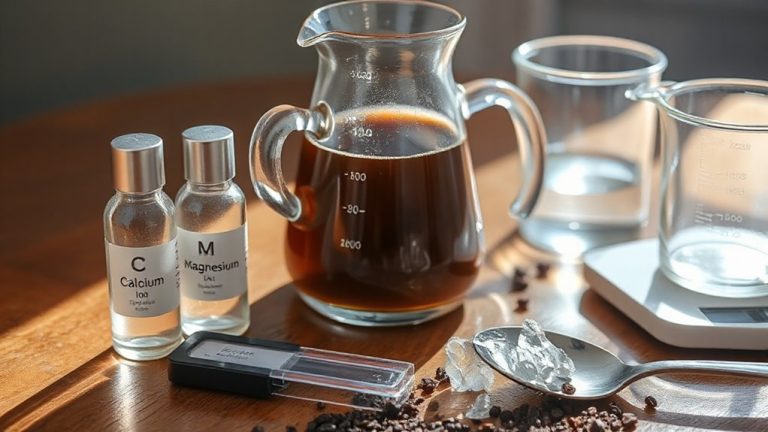
Why does your coffee sometimes taste like you’re drinking from a spoon? The metallic flavor you’re noticing likely comes from poor water quality or leftover grinder residue. Tap water with high mineral content or traces of chlorine can react with coffee oils, pulling out sharp, tinny notes. Using filtered water-like from a Brita or reverse osmosis system-often solves this. Meanwhile, coffee grounds stuck in your grinder can oxidize and turn rancid, contributing off-flavors, including a metallic hint. Cleaning your grinder weekly with a brush or rice grains removes this residue. Cheap grinders with inconsistent burrs make the problem worse by creating uneven particle sizes that trap moisture and oils. If your water’s off or your grinder’s dirty, your brew will taste it. Clean gear and clean water aren’t optional-they’re essential for balanced coffee.
Is Your Espresso Machine’s Brew Group to Blame?
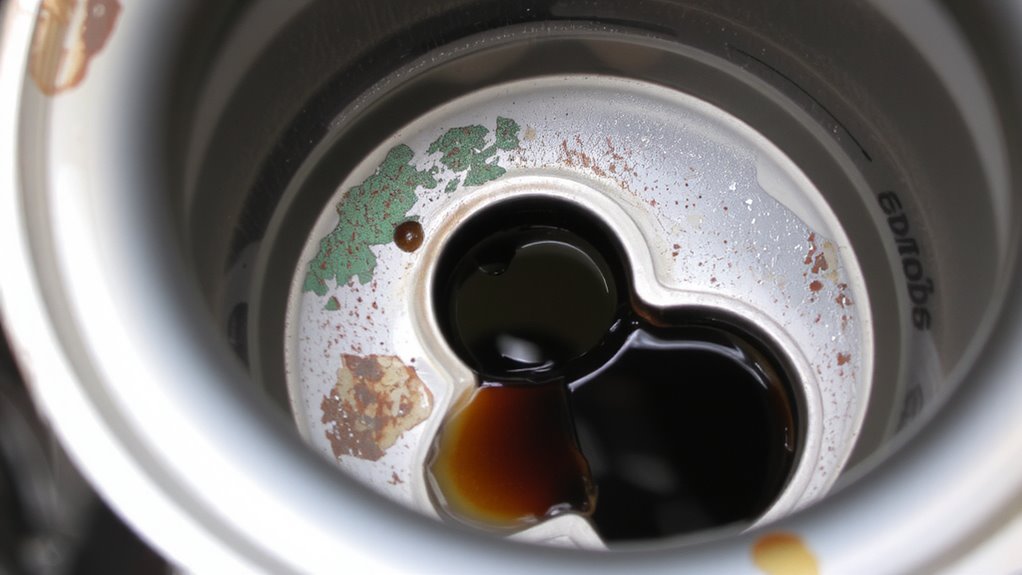
Your grinder and water might be clean, but if your espresso machine’s brew group is neglected, you’re still setting yourself up for off-flavors. Over time, water hardness can leave mineral buildup that wears down metal parts, especially in machines used daily. This wear is worse if you haven’t been descaling regularly. As the machine age increases, the risk of internal corrosion grows, even with stainless steel components. Older machines, particularly those over five years old, are more prone to pitting or micro-cracks where metal leaches into your shot. You might not see damage yet, but the metallic taste could already be there. While newer models often have better coatings or materials, they’re not immune-especially with hard water. Regular maintenance helps, but machine age and water conditions mean some wear is inevitable. If flavors have shifted lately, the brew group’s condition could be the hidden culprit. Using the best Nespresso descaler can significantly reduce mineral buildup and help preserve the integrity of your machine’s internal components.
How to Tell If Your Brew Group Is Corroded
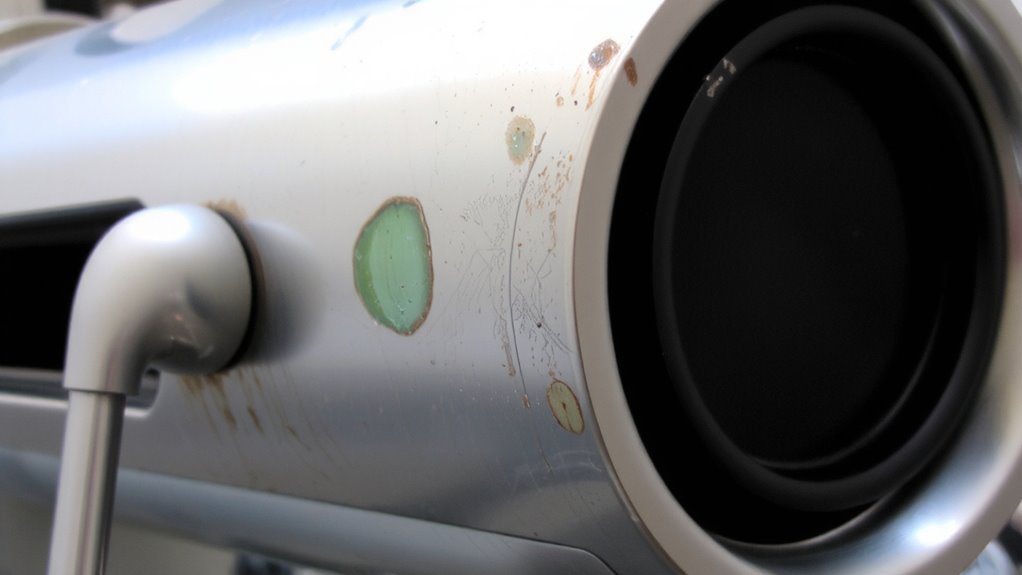
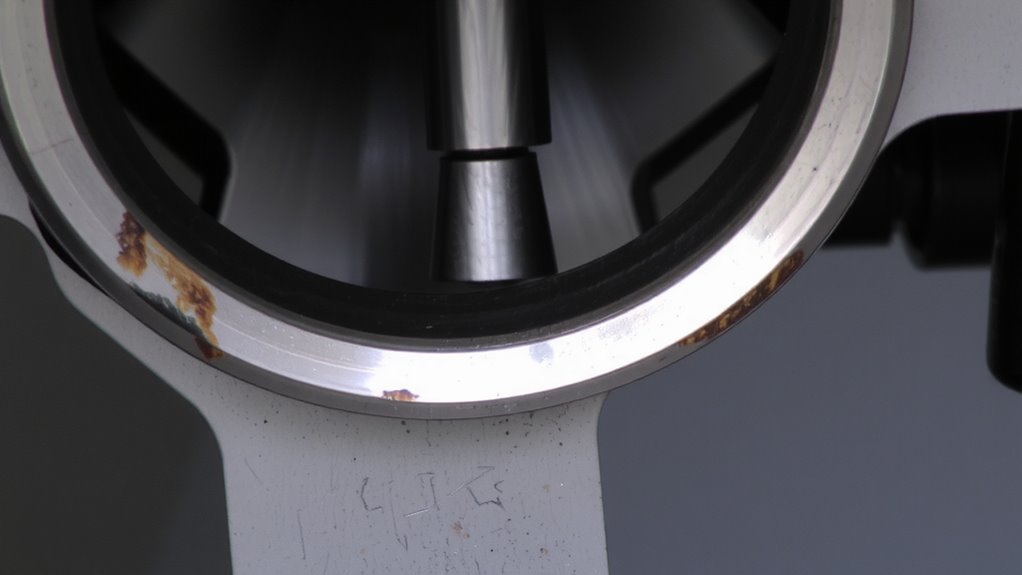
Signs of trouble often show up in the shot itself-uneven extraction, bitter metallic notes, or a lingering tinny aftertaste can point to corrosion in the brew group. If your espresso pulls faster on one side or tastes off despite fresh beans and proper grind, inspect the group closely. Look inside the portafilter basket seat and around the shower screen gasket-it should be smooth and dull, not rough or discolored. Surface pitting is a telltale sign: tiny, patchy holes that break up the metal’s finish. You might also see chalky white buildup-mineral deposits from hard water-that hides pitting underneath. Wipe the area dry and run a finger over it; pitting feels gritty, not slick. These flaws disrupt water flow and leach metal into your brew. While mineral deposits can be descaled, pitting means corrosion has set in. Regular cleaning helps, but once pitting appears, replacement is often needed.
Can You Fix a Corroded Brew Group: or Replace It?
Once you’ve confirmed visible pitting or rough corrosion in the brew group, the next step is deciding whether to repair or replace. Minor surface rust might be cleaned, but pitting harms brew group longevity and can’t be fully fixed. Most manufacturers don’t recommend repairing corroded parts due to performance and safety risks. Replacing the entire brew head or group assembly is usually the smarter move.
| Option | Pros | Cons |
|---|---|---|
| Repair (light corrosion) | Low upfront effort | Short-term fix, risks recurring issues |
| OEM Replacement | Guarantees compatibility, restores performance | Higher replacement costs |
| Aftermarket Parts | Lower cost, widely available | Varies in quality, may affect brew group longevity |
Replacement costs vary-OEM parts cost more but offer reliability. For consistent espresso and durability, replacement is typically worth it.
Prevent Corrosion Before It Ruins Your Espresso
A little regular care goes a long way in keeping your espresso machine’s brew group free from corrosion. You can prevent damage before it affects your shot quality with consistent brew maintenance. Wipe the group head after each use, purge steam wands, and backflush weekly if you have a dual-boiler machine. These steps remove coffee oils and mineral buildup that accelerate corrosion. Hard water speeds up rust, so use water filtration tailored to your machine-like a Claris cartridge or a third-party filter. Softened or reverse osmosis water may seem effective, but they can strip protective coatings or harm boiler sensors. Match your filtration to your water’s hardness. Descale every 1–3 months, depending on usage and water source. Proper storage and wiping down wet parts also help. A clean, dry brew group lasts longer and delivers better-tasting espresso. Prevention beats costly repairs.
On a final note
If your coffee tastes metallic, a corroded brew group could be the culprit. Check for pitting or rough spots on the group head, especially if you use hard water. While light corrosion might be cleaned, severe damage usually demands replacement-models like the Rancilio Silvia or Rocket R58 have replaceable parts. Prevent future issues with regular backflushing and water filtration. Fix it early, or your espresso quality will keep dropping.