Seasonal Specialties Unveiled: How Season Affects Flavor in Specialty Coffees
You get brighter, more vibrant flavors when you drink coffee in season, right after harvest. East African beans in spring bring citrus and floral notes, best with light roasts and pour-over brewing. Central American coffees in summer offer fruitiness like mango or stone fruit. By fall, Indonesian beans deliver earthy spice and chocolate depth, while winter South American lots emphasize body and baking spice-ideal for French press or medium roasts. Timing your brew to origin seasons means fresher, more expressive cups. There’s a pattern behind the peak moments of each region’s flavor cycle.
Notable Insights
- Coffee flavor peaks when consumed shortly after harvest, as freshness declines with oxidation over time.
- Harvest timing shifts due to climate can alter sugar development, affecting sweetness, acidity, and balance in the cup.
- East African spring coffees showcase bright citrus and floral notes, best preserved with light roasts and pour-over brewing.
- Central American summer harvests offer tropical fruit flavors enhanced by controlled fermentation and medium roasts.
- Indonesian fall coffees develop earthy, chocolatey profiles from monsoon exposure, suited to French press and coarse grinds.
The Seasonality of Coffee Explained
Why does the coffee you buy in December taste different from what’s on shelves in May? It’s not your imagination-it’s seasonality. Coffee is a harvested crop, and most origins have one annual harvest. The beans you drink in December likely came from a recent harvest, offering peak freshness, better roast stability, and brighter flavors. By May, those same beans have been stored longer, increasing the risk of bean oxidation. Once roasted, coffee degrades faster due to exposure to air and light, dulling acidity and diminishing complexity. To maintain quality, roasters may adjust blends or profiles over time. Buying whole bean, storing it in an airtight container away from heat, and using it within 3–6 weeks helps combat oxidation. If you value consistency, look for roasters who disclose roast dates and origin details, so you know exactly what you’re brewing-no guesswork needed.
When Harvest Timing Changes Coffee Flavor
You’re likely already aware that coffee tastes different from one season to the next, and that shift starts long before the beans hit your grinder. When harvest timing shifts due to climate variation, it affects how sugars develop in the bean, altering sweetness, acidity, and body. Beans picked earlier or later than usual may lack balance, especially in regions where temperatures fluctuate unexpectedly. Harvest altitude also plays a role-higher elevations slow maturation, often enhancing complexity, but delayed harvests there can expose beans to wetter conditions, raising the risk of mold or fermentation issues. These changes aren’t just minor differences; they impact how the coffee performs during roasting and brewing. If you’re roasting, expect to adjust profiles for moisture content and density. For brewers, flavor clarity might vary mid-batch. Staying informed on origin reports helps anticipate these shifts and adapt methods accordingly.
Fresh vs. Stored Beans: How Taste Evolves
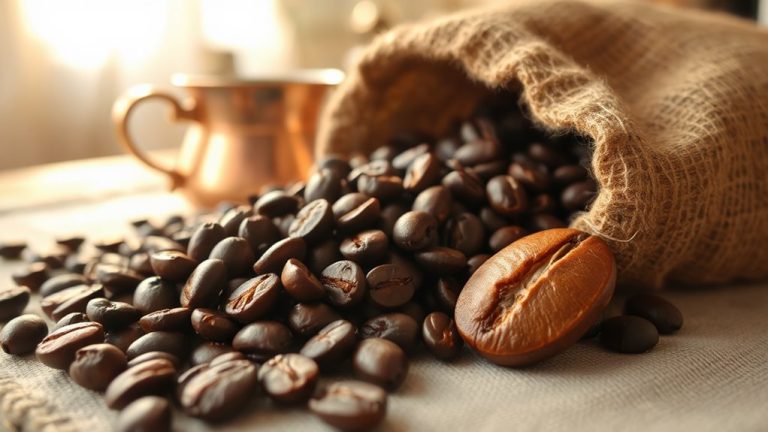
While freshly harvested beans often deliver the most vibrant flavors, you’ll find their taste changes considerably once they’re roasted and stored-even under ideal conditions. Roasted beans begin losing aromatic complexity within days, with aging effects gradually flattening brightness and sweetness. Though some low-acid notes may mellow pleasantly after a few weeks, most specialty coffees peak within 3–6 weeks post-roast. How quickly this happens depends heavily on storage conditions. Exposure to light, heat, oxygen, and moisture accelerates staling. For best results, keep beans in an opaque, airtight container at room temperature-like a Fellow Atmos or Planetary Design ASIP. Avoid the fridge; it introduces moisture and odors. Freezing can work for long-term storage if beans are sealed immediately post-roast and never partially thawed. For consistent quality, buy smaller batches and grind only what you need. A well-rated option for preserving freshness is the best coffee bean storage container, designed to minimize exposure to degrading elements.
Spring’s East African Harvest: Citrus Brightness
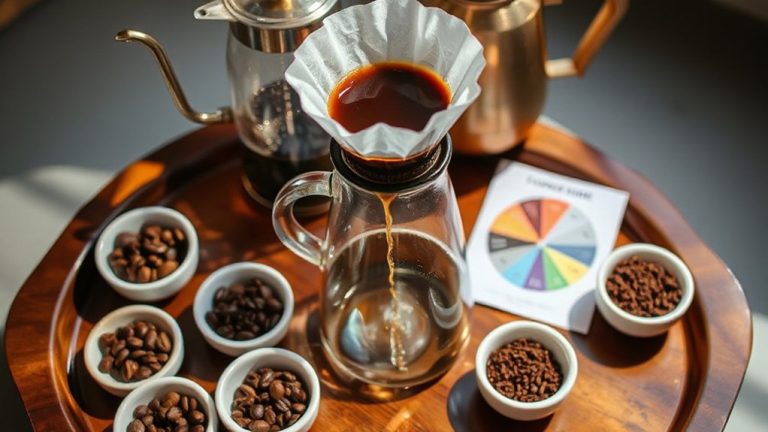
What makes East African coffees stand out each spring? It’s the combination of ideal altitude, volcanic soil, and timely morning harvest that locks in vibrant acidity and nuanced flavors. You’ll notice a distinct citrus brightness-think lemon, grapefruit, or tangerine-paired with a subtle floral aroma that lingers in the cup. These traits peak when beans are picked at first light, when cooler temperatures preserve delicate compounds. For best results, grind fresh and brew using a pour-over like the Hario V60 to highlight clarity and acidity. Among the top choices for experiencing this seasonal peak are Best African Coffee Picks, which showcase the region’s spring harvest excellence.
| Factor | Impact on Flavor |
|---|---|
| Morning harvest | Preserves acidity and aroma |
| High altitude | Enhances sweetness and complexity |
| Light roast | Retains citrus notes |
| Pour-over brewing | Maximizes clarity |
| Fresh spring beans | Delivers floral aroma and crisp finish |
Central American Arrivals: Fruity Notes in Summer
A bright, juicy cup from Central America often marks summer’s peak in the coffee calendar, thanks to harvests across Guatemala, Honduras, and Costa Rica. You’ll notice these beans deliver vibrant sun drenched acidity-think notes of pineapple, mango, and stone fruit-enhanced by warm climates and high altitudes. Many farms now use controlled tropical fermentation, a process that intensifies fruitiness while maintaining clarity. When brewing, use a medium roast and a flat-bottom filter like the Kalita Wave to balance sweetness and acidity. Lighter roasts preserve the bright, complex notes but can taste thin if under-extracted. Aim for a water temperature around 200°F and a grind size similar to table salt. These coffees shine in pour-over or AeroPress, bringing out layered flavors without overwhelming bitterness. They’re less suited for dark roast lovers or espresso-focused setups. For exceptional examples, look to Costa Rica’s top-tier micro-lots, where meticulous processing methods yield some of the most sought-after Best Costa Rican Coffee in the specialty market.
Indonesian Fall Coffee: Deep Chocolate Tones
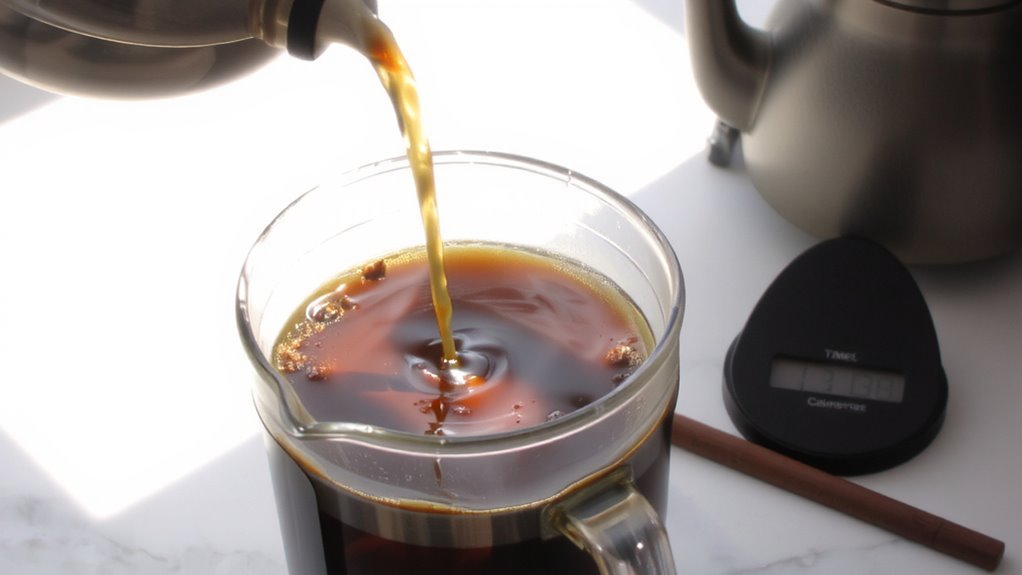
As the seasons shift toward fall, Indonesian coffees start to stand out with their deep, rich profiles that bring chocolate and earthy spice to the forefront. You’ll notice the monsoon influence unique to regions like Sumatra-prolonged humidity swells the beans, softening acidity and boosting body. This gives your cup a heavier mouthfeel, ideal for those who prefer bold, lingering flavors without bitterness. Look for earthy sweetness in beans from Aceh or Mandheling, often described as dark cocoa or molasses. For best results, use a coarse grind and a French press or pour-over with water just off boiling-this draws out complexity without over-extracting. Avoid bright, fast-brew methods that mask depth. These beans shine when roasted medium-dark, which enhances their natural richness. While they lack the bright fruitiness of summer Central American lots, they offer something more grounded-perfect for cooler days and slower rituals.
Winter South American Beans: Spice and Body
Why do some coffees hold up so well against winter’s chill? You’ll find the answer in South American beans, where cool seasons meet ideal growing conditions. These coffees deliver aromatic warmth and a bold texture, making them perfect for colder months. Roasted just right, they balance spice and body without overpowering your palate.
| Origin | Flavor Profile |
|---|---|
| Colombia | Cinnamon, brown sugar |
| Brazil | Nutty, dark chocolate |
| Peru | Clove, mild citrus |
| Bolivia | Baking spice, caramel |
Use a conical burr grinder to preserve nuances, and brew with a French press or drip machine for full body. Avoid over-extraction-aim for 20–30 seconds in pour-overs. These beans thrive when freshness is prioritized, so buy in small batches and store in airtight containers.
On a final note
You’ll get the freshest flavors by matching your brews to harvest seasons-East African beans shine in spring with bright citrus notes, while summer brings fruity Central Americans. Fall offers earthy, chocolatey Indonesians, and winter’s South American lots deliver spice and full body. Stored beans lose clarity over time, so buy seasonally and grind just before brewing. A burr grinder and sealed container help preserve what the season delivers.