Best Espresso Machines on Sale That Deliver Cafe-Quality Coffee
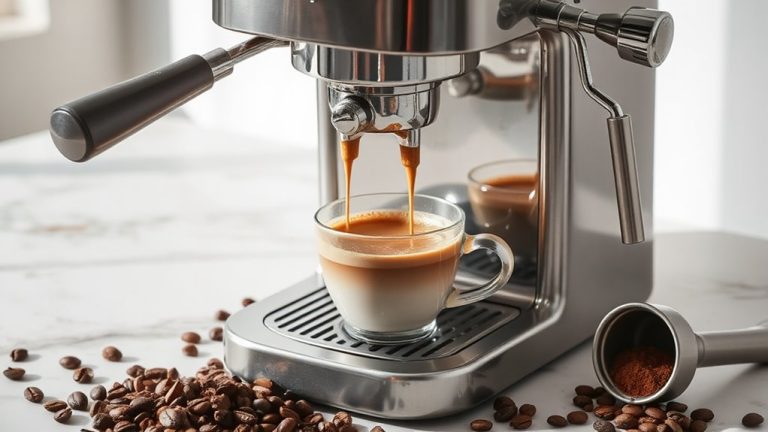
You’ll get café-quality espresso at home with machines like the CASABREWS 20 Bar or Gevi 20 Bar, both delivering 20-bar pressure and steam wands for microfoam. These models use real 9–10 bar brewing pressure for rich crema, with pre-infusion and pressure gauges to fine-tune extraction. While compact and durable, they require hand cleaning and regular descaling. The De’Longhi Stilosa is another solid pick, especially if you want manual control. Know the trade-offs before deciding.
We are supported by our audience. When you purchase through links on our site, we may earn an affiliate commission, at no extra cost for you. Learn more. Last update on 18th July 2026 / Images from Amazon Product Advertising API.
Notable Insights
- Look for 20-bar pressure pumps with real-time pressure gauges to ensure optimal 9–10 bar extraction for rich, cafe-quality crema.
- Choose models with pre-infusion and NTC temperature control to maintain consistent 90–96°C water temperature for balanced flavor extraction.
- Prioritize machines with 1350W boilers and dry, dense steam wands for professional-grade microfoam and latte art capability.
- Opt for espresso makers with compact, durable designs, removable water tanks, and included accessories like tampers and milk pitchers.
- Select machines with manual control options and 51mm or 58mm portafilters to customize grind size and shot quality at home.
CASABREWS 20 Bar Espresso Machine with Frother

If you’re looking for a compact, no-fuss espresso machine that delivers consistent, cafe-quality shots without breaking the bank, the CASABREWS CM5418 is a solid pick-especially if you value space-saving design and hands-on control. I use its 20-bar Italian pump and 1350W boiler daily; they pull strong shots and heat up fast. The steam wand froths milk well for lattes or cappuccinos, though I always let the machine cool afterward to avoid overheating. At just over 12 inches deep, it fits my small kitchen perfectly. I refill the 34 oz tank every few uses, which isn’t a hassle. It’s not dishwasher safe, so I wipe it down after each use. Brewing right after steaming causes issues-it flashes the buttons-so I run hot water for 20 seconds first. I adjust grind size or tamping pressure when shots taste off; the pressure gauge helps me troubleshoot. It uses ground coffee only, so I don’t need pods. Compared to pod machines, it’s more involved but gives better flavor control. I’ve had mine since 2022, and it still works reliably. If you want real espresso without clutter or complexity, this machine earns its spot on your counter.
Best For: Home baristas seeking a compact, affordable espresso machine with manual control and milk-frothing capability for daily café-style drinks.
Pros:
- Powerful 20 bar Italian pump and 1350W boiler deliver consistent, high-pressure extraction for cafe-quality espresso
- Compact stainless steel design fits small kitchens or office spaces while offering a full range of espresso-based drinks
- Steam wand enables microfoam for lattes and cappuccinos, with a built-in pressure gauge for precise extraction monitoring
Cons:
- Not dishwasher safe, requiring manual cleaning and regular maintenance
- Must cool down with hot water after steaming, adding extra steps and time between tasks
- Only accepts ground coffee, which may be less convenient for users preferring pod systems
CASABREWS 20 Bar Espresso Machine Silver

The CASABREWS 20 Bar Espresso Machine in silver delivers café-style espresso at home with its 20-bar pressure pump and 1350-watt motor, making it a solid pick for beginners and casual users who want quality without complexity. I like its compact, brushed steel design-it fits small kitchens or offices and looks clean on the counter. It uses a 51mm portafilter with single and double shot filters, giving me flexibility. The steam wand froths cold whole milk well for lattes or cappuccinos, though I clean it right after to avoid clogs. The removable 43.9 oz water tank saves time on refills. I set it up by removing the rubber plug and running a rinse cycle first.
Best For: Home baristas and casual coffee drinkers seeking a compact, beginner-friendly espresso machine with reliable performance and a stylish design.
Pros:
- Delivers consistent 20-bar pressure for authentic espresso extraction
- Compact size and sleek stainless steel finish fit well in small kitchens or offices
- Steam wand effectively froths milk for lattes and cappuccinos when using cold whole milk
Cons:
- 51mm portafilter is smaller than the standard 58mm, limiting compatibility with some accessories
- Steam wand requires immediate cleaning after use to prevent clogging
- Water tank is not dishwasher safe, making cleaning more tedious
20Bar Espresso Machine with Milk Frother

You’ll get café-quality espresso at home with the 20Bar Espresso Machine with Milk Frother, especially if you want rich crema and steamed milk drinks without a long wait. I rely on its 20-bar pump and instant heat-up-ready in 60 seconds, no cooldown needed between brewing and steaming. The 360° adjustable steam wand gives me control for velvety microfoam, and I never skip purging or cleaning it right after. It comes with a stainless steel pitcher, which helps. Compact and sturdy at 7.5 lbs, it fits my counter well. I use the 51mm portafilter with the included tamper, and I appreciate the pressure gauge. Just hand-wash parts-it’s worth it.
Best For: Home baristas seeking café-quality espresso and steamed milk drinks with quick heat-up and consistent 20-bar pressure extraction.
Pros:
- 20-bar pressure pump and instant heating deliver rich crema and allow seamless brewing and steaming
- 360° adjustable steam wand with included stainless steel pitcher enables precise microfoam creation
- Compact, sturdy design with pressure gauge and customizable shot options enhances user control
Cons:
- Requires manual cleaning and preheating for optimal performance, not dishwasher safe
- 51mm portafilter is smaller than professional 58mm standard, limiting portafilter basket options
- Learning curve for beginners to master frothing and extraction timing
KEENSTAR 3.5Bar Espresso Machine with Milk Frother

Coffee lovers who want cafe-style espresso at home without breaking the bank will find the KEENSTAR 3.5Bar Espresso Machine a solid starting point. I’ve used it daily, and it brews a decent shot in under 2 minutes using 3.5 bars of pressure-enough for basic espresso. The 800W steam wand froths milk in 40 seconds, creating micro-foam for lattes or cappuccinos, though cleanup is manual. Its compact size fits small kitchens, and the BPA-free build feels sturdy. I always lock the filter in place to avoid leaks. It’s not dishwasher safe, so handwashing is a must. Not pro-level, but reliable for beginners.
Best For: Budget-conscious coffee lovers seeking a compact, beginner-friendly espresso machine for home use.
Pros:
- Brews espresso in under 2 minutes with 3.5 bar pressure and includes a fast 800W milk frother
- Compact, space-saving design ideal for small kitchens with a sturdy, BPA-free build
- Simple manual operation with a single switch knob and visual indicator light
Cons:
- Lower 3.5 bar pressure compared to professional 9+ bar machines, limiting authentic espresso quality
- Not dishwasher safe, requiring thorough hand cleaning and regular descaling
- Manual frothing and cleanup can be time-consuming and less convenient than automatic systems
Gevi 20 Bar Espresso Maker with Milk Frother

Want cafe-quality espresso without the steep learning curve or bulkier machines? I’ve found the Gevi 20 Bar Espresso Maker delivers just that. Its 20-bar pump and pre-infusion extract rich flavor reliably, while the built-in pressure gauge lets you monitor extraction in real time. The steam wand heats quickly, creating smooth microfoam for lattes or cappuccinos, and the removable froth nozzle simplifies cleaning. Compact at 12.3D x 5.5W x 12H, it fits small spaces without sacrificing durability-its stainless steel body resists dents and heat. It uses ground coffee, offers adjustable shot volume, and includes a hot water function for Americanos or tea. Not dishwasher safe, but cleanup’s manageable with regular wiping. Comes with a 51mm portafilter, single and double filters, tamper, and spoon. Backed by a 12-month warranty and lifetime technical support when bought through authorized sellers-useful if you’re new or need troubleshooting. At 8.6 pounds, it’s sturdy but light enough to move. If you want consistent results without pro-level complexity, this machine balances performance, size, and price well-especially for daily espresso, cappuccino, or Americano drinkers who value convenience and build quality.
Best For: Home espresso enthusiasts who want consistent, barista-quality results with a compact, user-friendly machine.
Pros:
- Delivers rich espresso with a 20-bar pump, pre-infusion, and real-time pressure monitoring
- Compact stainless steel design saves counter space while offering durable, heat-resistant construction
- Steam wand produces microfoam quickly and includes a removable nozzle for easy cleaning
Cons:
- Not dishwasher safe, requiring manual wiping and maintenance
- Uses a smaller 51mm portafilter, which may limit basket options compared to commercial standards
- Hot water and steam function require waiting after brewing, as they share the same boiler
Espresso Machine with Milk Frother & 20 Bar Pressure

One standout choice for achieving café-quality espresso at home is an espresso machine with a built-in milk frother and 20-bar pressure, like the atatix EM3111. Its 20-bar pump guarantees 9–10 bar during extraction, pulling rich shots with golden crema. NTC temperature control keeps water between 90–96°C for balanced flavor across roast types. It preheats in 30 seconds and offers automatic or manual brewing, giving you flexibility in shot size and timing. The steam wand delivers dry, dense steam for silky microfoam, perfect for lattes or cappuccinos. Compact and built with stainless steel and BPA-free materials, it fits well on most countertops and heats milk quickly.
Best For: Home and office users seeking a compact, high-performance espresso machine with precise brewing control and professional-quality milk frothing for café-style drinks.
Pros:
- 20-bar pressure system maintains optimal 9–10 bar during extraction for rich flavor and golden crema
- NTC temperature control ensures consistent 90–96°C water temperature across light and dark roasts
- Powerful steam wand produces dry, dense steam ideal for creating silky microfoam and latte art
Cons:
- Water tank and drip tray are not dishwasher safe, requiring manual cleaning
- Limited to semi-automatic operation with no built-in grinder
- Manual mode has a maximum 102-second limit, which may restrict advanced brewing techniques
20 Bar Espresso Machine with Grinder (2025 Upgrade)

If you’re after café-quality espresso without the hassle of buying and maintaining separate machines, the 20 Bar Espresso Machine with Grinder (2025 Upgrade) makes a strong case as the best choice-especially if you value consistency and space-saving design. I’ve found it handles daily use well, thanks to its 20-bar pressure pump and 58mm conical burr grinder, which deliver even extraction and rich crema. The anti-clog grind path works smoothly with oily beans, and the steam wand textures milk like a pro. It’s not dishwasher safe, but cleanup stays simple with included tools. At just over 18 pounds, it’s sturdy but compact enough for small kitchens or offices.
Best For: Home and office users who want café-quality espresso with the convenience of an all-in-one machine that combines grinding, brewing, and milk frothing in a compact, durable design.
Pros:
- Integrated 58mm conical burr grinder with anti-clog technology ensures consistent, mess-free grinding for optimal espresso extraction
- 20-bar pressure pump delivers rich crema and full-flavored shots ideal for lattes, cappuccinos, and Americanos
- Powerful steam wand with included stainless steel milk jug creates barista-grade microfoam for professional-quality milk texturing
Cons:
- Not dishwasher safe, requiring manual cleaning of components
- 18.04-pound weight may be heavy for some users to move frequently
- Learning curve for beginners to master tamping, grinding, and steaming for best results
Espresso Machine 20 Bar with Milk Frother

Though compact enough for a small countertop, the Espresso Machine EM3111 delivers 20 bars of pressure and a powerful steam wand, making it a solid choice for anyone who wants cafe-quality espresso and milk-based drinks at home without a bulky machine. I use its 1350W boiler for quick heat-up and consistent extraction. The steam wand froths milk smoothly for lattes or cappuccinos, and with practice, lets me attempt basic latte art. It has a 44 oz water tank, removable parts, and a cup warmer-convenient for multiple servings. After frothing, I wait for the cool-down period to avoid triggering protection mode. Everything you need comes included.
Best For: Home espresso enthusiasts who want cafe-quality drinks with a compact, all-in-one machine that includes a built-in steam wand for milk frothing.
Pros:
- Delivers 20 bars of pressure and a powerful 1350W boiler for fast heat-up and consistent espresso extraction
- Compact, stylish design with a removable 44 oz water tank and cup warmer, ideal for small kitchens or offices
- Includes a steam wand for smooth milk frothing and basic latte art, plus all essential accessories in the box
Cons:
- Requires a cool-down period after milk frothing to avoid triggering the machine’s protection mode
- Manual process demands practice to master espresso extraction and steaming techniques
- Stainless steel housing may show fingerprints and require frequent wiping to maintain appearance
De’Longhi Stilosa Manual Espresso Machine 15 Bar
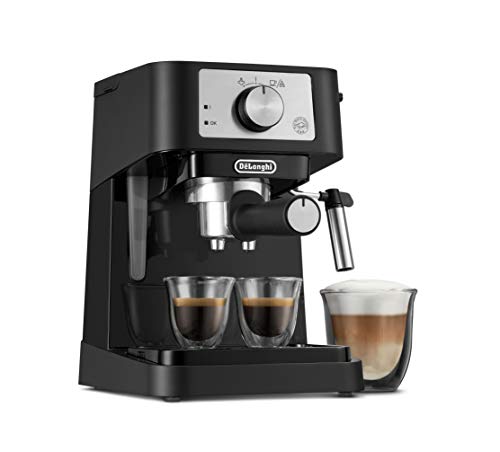
You’ll get the most out of the De’Longhi Stilosa Manual Espresso Machine 15 Bar if you’re a beginner looking for reliable, hands-on espresso control without automated shortcuts. I use its 15-bar pump to pull rich, consistent shots, and the manual steam wand gives me full control over milk texturing for lattes or cappuccinos. Its compact size fits neatly on my counter, and the 33.8 oz water tank lasts a couple of days with daily use. I appreciate the included tamper and filters, though I clean the portafilter by hand since it’s not dishwasher safe. It’s simple, durable, and ready for daily practice.
Best For: Beginners seeking a compact, durable, and hands-on manual espresso machine for learning the fundamentals of espresso and milk frothing.
Pros:
- 15-bar pump pressure ensures rich, consistent espresso extraction
- Manual steam wand provides full control over milk texturing for lattes and cappuccinos
- Compact design and 33.8 oz water tank make it ideal for small kitchens with daily use
Cons:
- Portafilter and components are not dishwasher safe, requiring hand cleaning
- No built-in grinder, requiring the use of pre-ground coffee or a separate grinder
- Limited water tank capacity may require frequent refills for heavy users
Coffee Machine with Steam Wand & Safety Lock

The XIXUBX CM510 stands out for home users who want café-style drinks with reliable steam power and built-in safety features. I use its 3.5 bar pressure and 800W heater to brew espresso in about 2 minutes, and the steam wand froths milk well for lattes or cappuccinos. The adjustable wand works, but I find it stiff-those with weak hands might struggle. A portafilter lock and safety button prevent accidents, which I appreciate. It’s compact, fits small kitchens, and runs on standard 120V. I use medium-coarse dark roast with the permanent filter. Clean it by hand-don’t put it in the dishwasher.
Best For: Home users seeking a compact, easy-to-use espresso machine with reliable steam power for making café-style drinks in small kitchens or office settings.
Pros:
- Brews espresso quickly in about 2 minutes with 3.5 bar pressure and an 800W heating system
- Compact design and lightweight construction save space and fit well in small environments
- Includes safety features like portafilter lock and BPA-free Tritan cup for secure, durable use
Cons:
- Steam wand can be stiff and difficult to operate, especially for users with limited hand strength
- Permanent filter requires hand cleaning-machine is not dishwasher safe
- Performance is optimized only for medium-coarse dark roast grounds, limiting coffee variety
Factors to Consider When Choosing an Espresso Machine Sale
When you’re hunting for a great espresso machine sale, don’t just look at the price-check the brew pressure, since most experts agree 9 bars is ideal for proper extraction. Think about how the machine’s built, whether it’s stainless steel or plastic, and if it fits your counter without crowding your morning routine. You’ll also want to test the milk steamer’s performance and make sure cleaning won’t become a daily hassle.
Brew Pressure Importance
Brew pressure makes or breaks your espresso. You need 9–10 bars of actual brewing pressure for ideal extraction-this dissolves the right solubles for a balanced, rich shot. Don’t be fooled by pumps rated at 15–20 bars; that’s maximum pressure, not brewing pressure. What matters is how well the machine regulates down to the ideal 9–10 bars during extraction. Inconsistent pressure leads to uneven flow, channeling, or bitter over-extraction. Look for models with a pressure gauge so you can monitor real-time output and catch issues fast. Pre-infusion helps too-wetting grounds at lower pressure first guarantees even saturation before full power kicks in. Machines like the Breville Bambino or Rocket Appartamento deliver stable brew pressure with useful feedback tools. You’ll get better crema and flavor control when pressure stays steady from start to finish. That’s what turns good beans into cafe-quality espresso at home.
Build Quality And Design
A well-built espresso machine stands up to daily use while fitting smoothly into your space and routine. You’ll want stainless steel construction and a non-slip base-these boost durability and stability, with most models weighing 7.5 to 9.5 pounds to stay put on your countertop. Their compact size, usually 11.5 to 12.6 inches deep and under 6 inches wide, works well in small kitchens or offices. Brushed or polished finishes give a pro look while resisting fingerprints and light scratches. Look for ergonomic touches like locking portafilters, easy-to-use buttons, and cup warmers that help heat your cups without cluttering the design. Removable water tanks (34–44.4 oz) and drip trays make cleaning simple and keep maintenance quick. These features together guarantee reliability, ease of use, and a clean, functional setup that lasts.
Milk Frothing Capability
If you’re serious about lattes or cappuccinos, you’ll want an espresso machine with a steam wand that delivers consistent, high-quality froth. Look for models with a 1350W boiler-it powers dry, focused steam perfect for microfoam and latte art. A 360° adjustable or detachable wand gives you better control and makes maintenance easier. Always start with cold whole milk; its fat and protein content heat evenly and create smooth, stable foam. Purge the steam wand before and after use to clear condensation and maintain pressure. Wipe it down with a damp cloth or brush right after frothing to prevent clogs. Regular cleaning keeps performance reliable. Machines like the Breville Bambino or De’Longhi EC6850 include these features, balancing power and convenience. Skip weak steam systems-they’ll leave you with bubbly, uneven foam. Strong, consistent steam matters most for café-quality texture at home.
Ease Of Cleaning
After steaming milk for silky microfoam, your next concern should be how simple it is to keep your machine in top shape. Choose models with detachable water tanks and drip trays-you can rinse them daily to prevent limescale and bacteria buildup. Stainless steel steam wands with heat-resistant covers let you wipe down the surface quickly after use, though you’ll still need to descale regularly to avoid clogs. Look for removable brew heads and portafilters; these parts collect oily residue that turns rancid, so hand washing them is a must. Some machines offer automatic backflush cycles or built-in cleaning programs, which cut down on manual work by flushing internal lines. Always check labels-parts marked “not dishwasher safe” need gentle hand cleaning with mild soap to protect gaskets and seals. A little routine care keeps performance consistent and extends your machine’s life.
Size And Footprint
Considering the space your espresso machine will occupy helps avoid clutter and guarantees smooth daily use. Compact models usually measure under 12 inches deep and 6 inches wide, fitting neatly on tight countertops. You’ll still need 2–3 inches of clearance around the sides for ventilation, cord access, and steam wand operation. If you’re short on space, look for units with removable water tanks and foldable drip trays-they save room when not in use. Larger machines, especially those over 13 inches wide or tall, often need a dedicated spot or under-cabinet clearance. Weight matters, too: most machines weigh between 7–10 pounds, which can affect stability on narrow or lightweight counters. Choosing the right size assures your setup stays functional and efficient without sacrificing performance.
Included Accessories
With most espresso machines, you’ll get a set of essential accessories that cover the basics of brewing and maintenance right out of the box. You’ll find a portafilter, single and double shot filters, and a tamper-often combined with a spoon-so you can start pulling shots immediately. A removable water tank, typically 34 to 44 oz, lets you refill quickly and brew several drinks before topping off. A built-in steam wand comes standard, and many models include a milk frothing pitcher or froth nozzle, making lattes and cappuccinos easy. For upkeep, expect a drip tray, cleaning brush, or needle to manage mess and performance. Instruction manuals and quick start guides give clear setup steps, safety info, and troubleshooting tips. These basics guarantee you’re ready to brew and maintain your machine without extra purchases.
Temperature Control Features
If you want balanced espresso with rich flavor and no harsh notes, temperature control matters more than you might think. Aim for machines that maintain brew temperatures between 90–96°C, the sweet spot for even extraction-too cool and your shot tastes sour, too hot and it turns bitter. Look for models with NTC sensors; they adjust heating in real time, keeping temps steady from first drop to last. Pre-infusion is a game-changer, too: it wets grounds gently before full pressure kicks in, improving flavor through gradual, temperature-controlled ramp-up. Machines with thermoblocks or thermoabsorb boilers heat up fast-sometimes in 30 seconds-and handle multiple shots without lag. A cup warmer tray might seem minor, but preheating your cup stops the espresso from cooling too quickly on contact. It’s these details that keep your coffee stable, shot after shot.
Frequently Asked Questions
How Often Should I Descale My Espresso Machine?
You should descale your espresso machine every 3 to 4 months if you use it daily. Hard water means you’ll need to do it more often-maybe every 6 to 8 weeks. Signs like slower brew times or strange noises mean it’s time now. Most brands, like Breville or Gaggia, recommend using their own descaling solution or a citric acid-based one. Skip vinegar-it can damage seals. Always follow your manual’s instructions to avoid voiding the warranty.
Can I Use Regular Ground Coffee in These Machines?
No, you can’t use regular ground coffee in most espresso machines-these need finely ground coffee made for espresso. Regular ground coffee is too coarse, which causes weak, under-extracted shots with poor crema. Use a burr grinder to get the right fineness. Machines like Breville Bambino or De’Longhi Magnifica require proper grind size for best results. If you’re using pre-ground, make sure it’s labeled for espresso. Otherwise, you’ll struggle with performance and taste every time.
Are Espresso Machine Parts Dishwasher Safe?
You can put some espresso machine parts in the dishwasher, but you shouldn’t. Portafilters, baskets, and drip trays usually survive, but repeated washing risks warping or mineral buildup. Plastic or rubber components degrade faster. Manufacturers like Breville or De’Longhi recommend hand washing with warm, soapy water to preserve seals and accuracy. Dishwasher heat and detergent wear down sensitive parts over time. For longevity and performance, hand washing takes a little effort but saves money and hassle later.
What’s the Ideal Water Temperature for Espresso?
You want the ideal water temperature for espresso to be between 195°F and 205°F. Too low, and your shots taste sour; too high, they burn and turn bitter. Most quality machines let you adjust this-La Marzocco and Breville models offer precise control. If you’re pulling shots outside this range, your flavor suffers. Always check your machine’s settings and use a thermometer to verify. Stability matters just as much as the number.
How Do I Fix Weak Espresso Shots at Home?
You fix weak espresso by adjusting your grind size, dose, and tamp pressure. Make your grind finer to slow extraction and boost strength. Use 18–20 grams of coffee and tamp evenly to seal the puck. Aim for a 25–30 second shot with 36–40 grams of output. If it’s still weak, check your machine’s pressure-most need 9 bars. Preheat everything, and clean the group head regularly to maintain consistency.