Best Non-Plastic K-Cups for a Cleaner, Greener Brew
Switch to compostable pods like San Francisco Bay or Happy Belly for a greener brew-you’ll cut plastic waste and still get solid flavor. San Francisco Bay’s BPI-certified pods work in most Keurig models and use 100% Arabica beans. Happy Belly offers value with large, Rainforest Alliance-certified packs. For long-term savings, try Noalto’s reusable stainless steel cups, though they need cleaning and proper sealing. Keep in mind: compostable pods require industrial facilities to break down.
We are supported by our audience. When you purchase through links on our site, we may earn an affiliate commission, at no extra cost for you. Learn more. Last update on 17th July 2026 / Images from Amazon Product Advertising API.
Notable Insights
- Choose BPI-certified compostable pods from brands like San Francisco Bay or Vermont Coffee to ensure commercial compostability and reduce plastic waste.
- Opt for USDA Organic and Rainforest Alliance Certified options like Organic Coffee Co. or Happy Belly for sustainable, ethically sourced coffee with verified environmental standards.
- Store compostable pods in cool, dry, opaque containers to protect oxygen- and moisture-sensitive PLA materials and preserve coffee freshness.
- Select 100% Arabica bean pods from high-altitude farms for superior flavor, density, and slower oxidation, enhancing both taste and shelf life.
- Consider reusable stainless steel K-Cups like Noalto for zero-waste brewing, but ensure compatibility with your Keurig model and commit to regular cleaning.
San Francisco Bay Compostable Coffee Pods (80 Ct)

If you’re looking for a non-plastic K-cup that’s genuinely compostable from pod to packaging, San Francisco Bay’s 80-count OneCup pods are one of the few certified to break down in commercial facilities. I use them in my Keurig 2.0, and they work smoothly-no clogging or leaking. Each pod delivers a solid cup using 100% arabica beans, with four roasts to rotate: French Roast, Fog Chaser, Organic Rainforest Blend, and Breakfast Blend. They’re specialty-grade, high-altitude beans, and you taste the care in the roast. The pods and box are plant-based and BPI-certified, so I don’t feel guilty tossing them in compost. San Francisco Bay’s family-owned, U.S.-based, and offers a satisfaction guarantee-just contact them if something’s off.
Best For: Eco-conscious coffee drinkers who use Keurig 2.0 or other K-Cup compatible machines and want a certified compostable, high-quality single-serve option.
Pros:
- Certified commercially compostable by BPI-both pods and packaging are plant-based and break down in commercial facilities
- Made with 100% specialty-grade arabica beans grown at high altitudes for rich, flavorful coffee
- Compatible with Keurig 2.0 and most K-Cup machines, delivering consistent, clog-free performance
Cons:
- Requires access to a commercial composting facility for proper disposal-may not break down in home compost
- Limited to four flavor varieties, which may not satisfy those seeking more diversity
- Slightly higher price point compared to conventional plastic K-Cups
San Francisco Bay Compostable Coffee Pods 80 Ct
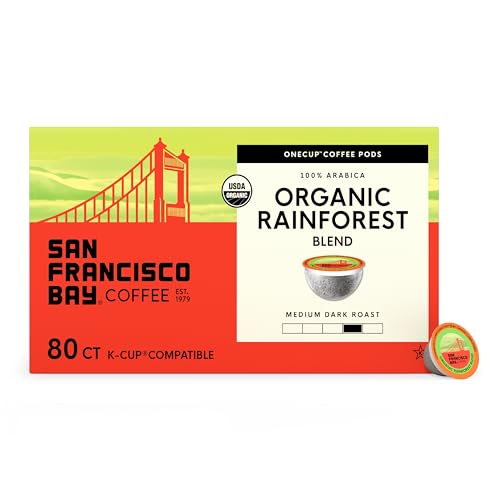
I choose San Francisco Bay Compostable Coffee Pods when I want a reliable, eco-friendly K-Cup that doesn’t sacrifice taste or quality. These 80-count pods work with most single-serve machines, including Keurig 2.0, and brew a smooth, medium-dark roast using 100% USDA Organic arabica beans from Central America. The Organic Rainforest Blend delivers balanced flavor with rich, consistent taste. Made from plant-based materials, the pods and packaging are BPI-certified compostable, reducing plastic waste. San Francisco Bay Coffee is family-owned, U.S.-made, and backs every box with a satisfaction guarantee. For dependable coffee and real sustainability, these pods are a practical daily choice.
Best For: Eco-conscious coffee drinkers who want a convenient, compostable K-Cup pod without compromising on organic quality or rich flavor.
Pros:
- Made from 100% USDA Organic arabica beans with a smooth, medium-dark roast and balanced flavor
- BPI-certified compostable pods and packaging reduce environmental impact
- Compatible with most single-serve brewers, including Keurig 2.0, and backed by a satisfaction guarantee
Cons:
- May be pricier than conventional non-compostable K-Cup brands
- Availability may be limited compared to mainstream coffee pod brands
- Composting requires access to commercial facilities, not always available at home
San Francisco Bay French Roast Coffee Pods (36 Ct)

San Francisco Bay French Roast Coffee Pods (36 Ct) stand out for anyone who wants a bold, smoky brew without the environmental guilt of plastic pods. I use these OneCup pods in my Keurig 2.0, and they work consistently across most single-serve machines. The 100% arabica beans, sourced from high-altitude farms in Central and South America, deliver a full-bodied kick with a clean, smoky finish. They’re commercially compostable (BPI-certified), so I don’t toss them in the landfill. The plant-based pod and packaging break down in industrial composting systems. They’re Kosher, American-made, and backed by a satisfaction guarantee. If you want bold flavor and real sustainability, these are a practical choice-especially if you drink dark roast regularly.
Best For: Coffee lovers who want a bold, smoky French roast with the convenience of single-serve pods and the peace of mind that comes from using environmentally responsible, compostable packaging.
Pros:
- Bold, full-bodied flavor with a clean, smoky finish from 100% specialty-grade arabica beans
- Compatible with Keurig 2.0 and most K-Cup style brewers for wide usability
- BPI-certified commercially compostable pods and plant-based packaging support sustainable disposal
Cons:
- Requires access to industrial composting facilities for proper pod disposal
- May be pricier than conventional non-compostable coffee pods
- Flavor intensity may be too bold for those who prefer milder coffee profiles
Noalto Reusable K-Cups for Keurig (2-Pack)
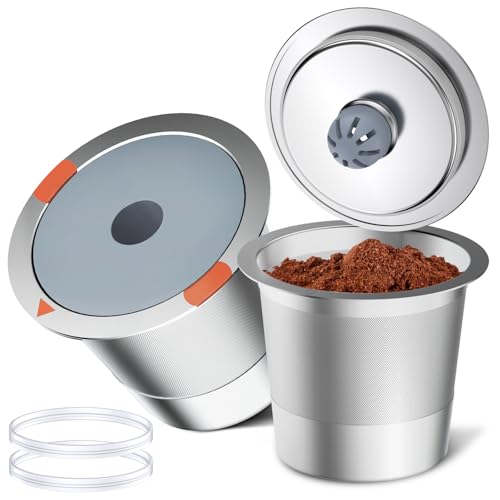
The Noalto Reusable K-Cups stand out for those who own compatible Keurig 1.0 or 2.0 brewers and want a durable, eco-friendly alternative to plastic pods. I use them with my K-Elite, and they fit perfectly-just avoid models like K-Slim or K-Duo Plus. Made from stainless steel, they’re built to last, with 360-degree holes for even brewing and no leaks. They’re dishwasher safe, BPA-free, and preserve coffee’s natural flavor. Unlike paper filters, they cut waste and help reduce deforestation and ocean pollution. Each pack includes two pods, so I always have a backup. Just clean them regularly for best results.
Best For: Coffee lovers with compatible Keurig 1.0 or 2.0 models seeking a durable, eco-friendly alternative to single-use pods.
Pros:
- Durable stainless steel construction with 360-degree perforations for optimal extraction and rich flavor
- Reusable design reduces waste, eliminating reliance on paper filters and plastic capsules
- Dishwasher safe, BPA-free, and preserves natural coffee oils for a cleaner, safer brew
Cons:
- Not compatible with several Keurig models including K-Slim, K-Duo Plus, and K-Supreme series
- Requires regular cleaning to maintain performance and prevent clogging
- One-piece design may be less convenient for deep cleaning compared to two-part reusable pods
Happy Belly Coffee Pods Variety Pack (96 Count)

If you’re looking for a budget-friendly option that doesn’t compromise on quality, the Happy Belly Coffee Pods Variety Pack (96 Count) stands out among non-plastic K-cups. I’ve found it delivers consistent flavor with 100% Arabica beans across four roasts: Breakfast, Medium, Dark, and French. Each 24-pod variety lets me switch things up without waste. They’re Rainforest Alliance Certified, which means sustainable farming practices support both the environment and communities. These pods work in Keurig 1.0 and 2.0 brewers, though I’ve seen reports of fit issues with the K Supreme (5.0). They’re also Kosher certified-simple, reliable, and practical for daily use.
Best For: Budget-conscious coffee lovers seeking a sustainable, flavorful single-serve option with variety and Kosher certification.
Pros:
- Made with 100% Arabica beans for rich, consistent flavor across four roast types
- Rainforest Alliance Certified, supporting ethical and environmentally friendly farming practices
- Compatible with most Keurig 1.0 and 2.0 brewers, offering convenience and wide accessibility
Cons:
- Potential fit and brewing issues reported with Keurig 5.0 (K Supreme) models
- Limited variety within each roast type due to fixed 24-pod allocations
- Brand ownership by Amazon may concern shoppers preferring independent coffee companies
Happy Belly Medium Roast Coffee Pods (96 Count)

You’ll want these Happy Belly Medium Roast pods if you’re looking for a budget-friendly, eco-conscious option that still delivers a reliable cup from your single-serve brewer. I use them in my Keurig 2.0 without issues, though some report inconsistent brewing in 5.0 K Supreme models. They’re made from 100% Arabica beans, Rainforest Alliance Certified, and the pods are compostable-great if you’re serious about reducing waste. The medium roast brews smooth with a clean, warming aroma, nothing fancy but consistent. They’re Kosher certified and designed specifically for K-Cup brewers. At 96 pods, it’s a solid value for daily use without guilt.
Best For: Budget-conscious, eco-aware coffee drinkers seeking a convenient, consistent medium roast compatible with most K-Cup brewers.
Pros:
- Made from 100% Arabica beans with a smooth, medium roast flavor and clean aroma
- Compostable pods and Rainforest Alliance Certified, supporting sustainable practices
- Kosher certified and compatible with most K-Cup brewers, offering reliable single-serve convenience
Cons:
- May have brew issues in Keurig 5.0 K Supreme models
- Flavor is consistent but unremarkable, not ideal for specialty coffee enthusiasts
- Limited to single-serve use, which may not suit households preferring larger batches
Happy Belly Espresso Roast K-Cup Pods (96 Count)

Happy Belly’s 96-count Espresso Roast pods suit budget-conscious coffee drinkers who want a reliable, eco-friendly option without sacrificing quality. I’ve found these dark roast pods deliver a smooth flavor and rich aroma thanks to 100% Arabica beans. They’re compostable, which means I can dispose of them more responsibly, and they’re Rainforest Alliance and Kosher certified-good markers of ethical sourcing. They work in most K-Cup brewers, though I’ve noticed they sometimes jam in 5-pod K Supreme machines. If you’re using a standard 1.0 or 2.0, you’ll likely have no issues. Overall, they’re a practical, consistent daily pick.
Best For: Budget-conscious coffee lovers seeking a sustainable, high-quality dark roast for daily use in most K-Cup brewers.
Pros:
- Made with 100% Arabica beans for a smooth flavor and rich aroma
- Compostable pods and Rainforest Alliance Certified for eco-friendly, ethical consumption
- Compatible with most K-Cup 1.0 and 2.0 brewers, offering convenience and consistency
Cons:
- May jam in 5-pod K Supreme machines, limiting compatibility with some brewers
- Dark roast may be too bold for those who prefer milder coffee
- Single-box packaging may not appeal to those who prefer resealable or segmented storage
Vermont Coffee Organic Medium Roast K-Cups

The Vermont Coffee Organic Medium Roast K-Cups are a solid choice for eco-conscious coffee drinkers who want a smooth, flavorful brew without sacrificing sustainability. I’ve found these compostable pods work well in Keurig machines, delivering rich, balanced coffee with notes of caramel and a warm cocoa aroma. Roasted slow to reduce bitterness, the 100% Arabica beans offer a clean, pleasant cup every time. Each 10-pack is BPI Certified for commercial composting, so they’re best used where proper facilities exist. While they cost more than plastic pods, their U.S.-made, organic, and community-focused approach justifies the price for those prioritizing planet-friendly brewing.
Best For: Eco-conscious coffee lovers seeking a smooth, sustainably sourced medium roast with convenient single-serve brewing.
Pros:
- Compostable, BPI-certified pods support environmentally responsible disposal
- Smooth, balanced flavor with notes of sweet caramel and warm cocoa aroma
- Made with 100% organic Arabica beans, slowly roasted for reduced bitterness
Cons:
- Requires access to commercial composting facilities for proper disposal
- Higher price point compared to conventional plastic K-Cups
- Limited pack size (10-count) may be less economical for frequent users
Organic Coffee Co. Breakfast Blend (36 Ct)

When you’re looking to skip the plastic without sacrificing convenience, Organic Coffee Co.’s compostable Breakfast Blend offers a solid option for daily brewing. I use these USDA Organic, medium-roast pods in my Keurig without issue-they’re compatible with most single-serve machines, including Cuisinart and Bunn models. The blend, made from Central and South American Arabica beans, delivers a smooth, balanced cup. I appreciate that the company practices direct trade, owns organic farms in Panama, and supports rainforest restoration. Their compostable pods break down in commercial facilities, so I dispose of them with food waste when possible. Real Simple Magazine rated this among the best organic picks, and I agree-it’s reliable, ethical, and consistently fresh.
Best For: Eco-conscious coffee drinkers who want a convenient, ethically sourced, and USDA Organic medium roast compatible with single-serve brewers.
Pros:
- Made from 100% USDA Organic, shade-grown Arabica beans sourced through direct trade
- Compostable pods support sustainability and work with Keurig, Cuisinart, Bunn, and other single-serve machines
- Supports rainforest restoration and owns biodiverse organic farms in Panama
Cons:
- Compostable pods require commercial composting facilities for proper breakdown
- Limited to one roast profile (medium) in the Breakfast Blend variety
- Slightly higher price point compared to conventional K-Cup pods
Happy Belly Breakfast Blend Coffee Pods (96 Count)
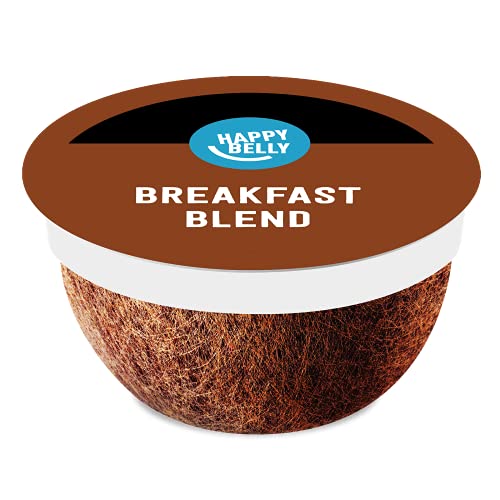
If you’re looking for a budget-friendly, eco-conscious morning brew that doesn’t skimp on quality, Happy Belly Breakfast Blend Coffee Pods fit the bill. I use these 96-count compostable pods in my K-Cup brewer and appreciate the convenience and value. Made from 100% Arabica beans with a light roast, they deliver a smooth flavor and warming aroma-nothing flashy, just reliable. The pods are Rainforest Alliance Certified and fully compostable, which matters if you’re cutting waste. They’re also Kosher certified. While not organic, they’re a practical, no-frills choice for daily use.
Best For: Budget-conscious, eco-minded coffee drinkers seeking a reliable, everyday light roast compatible with K-Cup brewers.
Pros:
- Made from 100% Arabica beans with a smooth flavor and warming aroma
- Compostable pods and Rainforest Alliance Certified for eco-friendly brewing
- Kosher certified and offers great value with a 96-count pack
Cons:
- Not certified organic
- Light roast may lack boldness for those preferring stronger flavors
- Compostable pods require proper disposal infrastructure to be effective
Factors to Consider When Choosing Non-Plastic K-Cups
You’ll want to check your brewer’s compatibility first-most non-plastic K-cups work with Keurig machines, but not all. Think about coffee quality and roast variety; brands like Purity Coffee offer organic, low-acid options, while others may limit your choices. Look for eco certifications and pod materials like compostable paper or aluminum, since they affect both taste and environmental impact.
Brew Compatibility
Though material choice matters, your non-plastic K-cup’s fit with your brewer matters just as much-using a pod that doesn’t match your machine’s design can lead to leaks, poor extraction, or even brewing failures. You need to confirm compatibility with your specific model, since some brewers restrict pod size or shape. Check if your machine’s puncturing mechanism works with compostable materials, as weak punctures can block proper water flow. Newer machines using multi-stream or pressurized brewing may struggle with softer, non-plastic pods due to lower rigidity. Reusable stainless steel filters must seal tightly in the chamber-measure against your pod holder’s specs. Also, verify function across 1.0 and 2.0 systems, since water delivery and pod detection vary. Using mismatched pods risks poor performance, so always match design to your brewer’s requirements.
Coffee Quality
Flavor starts with the bean, and top-tier non-plastic K-cups typically use 100% Arabica for a smoother, more nuanced taste compared to harsher robusta blends. You’ll often get specialty-grade beans that are hand-picked and grown at high altitudes, boosting flavor complexity and bean density. Look for organic certification-it means no synthetic pesticides were used, which helps preserve the coffee’s clean taste. Many premium pods use slow-roasting methods that bring out sweetness and lower bitterness by developing flavors gradually. These processes result in balanced profiles with notes like caramel, cocoa, and mild acidity. While not always labeled as “specialty,” these K-cups often match the quality of whole-bean options you’d brew manually. If you want better flavor without switching machines, choosing pods with verified sourcing, high-altitude growth, and careful roasting makes a clear difference.
Roast Variety
A light roast might surprise you with its bright, floral notes and crisp acidity, especially when the beans are high-quality and carefully sourced. You’ll taste more of the bean’s original character-like citrus, fruit, or floral hints-since lighter roasting preserves delicate flavors. These roasts also keep slightly more caffeine than darker ones. If you prefer balance, go for a medium roast; it gives you smooth flavor with mild sweetness or caramel without sharp acidity or heavy bitterness. It’s a solid daily pick for most drinkers. Choose a dark roast when you want bold, smoky intensity-think chocolate, spice, or charred notes-with low acidity and a fuller body. Just know the longer roasting mutes origin flavors and reduces caffeine a bit. Match the roast to your taste, and check that the non-plastic K-cup brand handles each type well.
Eco Certification
After picking a roast that suits your taste, turn your attention to the environmental impact of the K-cup itself. Look for the Biodegradable Products Institute (BPI) certification-it confirms the pod is commercially compostable under real facility conditions. Don’t assume compostable means backyard compostable; most require industrial processing. Check for USDA Organic certification too, which means the coffee was grown without synthetic pesticides, reducing farm pollution. Rainforest Alliance Certified coffee supports sustainable farming, protecting forests and worker welfare. These labels reflect real environmental benefits. Avoid being misled by non-GMO or Kosher certifications-they’re not environmental indicators. BPI, USDA Organic, and Rainforest Alliance are backed by clear standards and third-party audits. Choosing pods with these labels means you’re voting for verifiable sustainability practices, not just marketing claims. Always verify what the certifications cover-some apply only to the coffee, not the pod.
Pod Material
When it comes to non-plastic K-cups, the material makes all the difference in both environmental impact and usability. You’ll find compostable pods made from plant-based PLA, usually derived from cornstarch, which break down in commercial composting facilities-but not in home bins. Look for BPI certification to verify they’ll actually decompose. These pods often include cellulose filters and compostable packaging, cutting down on plastic waste. Keep in mind, they need high heat, moisture, and microbes to break down, so if your area lacks industrial composting, their eco-benefit drops. For a no-waste option, stainless steel reusable pods are a smart pick. They’re durable, dishwasher-safe, and let you use any coffee. Though they require cleaning after each use, they’ll last years, cutting both cost and clutter.
Flavor Freshness
Just because you’re stepping away from plastic doesn’t mean you have to sacrifice flavor. Non-plastic K-Cups keep coffee fresh using hermetically sealed, compostable lids that block oxygen and moisture. Many use high-altitude arabica beans, which oxidize slower thanks to their dense structure. Some brands flush pods with nitrogen during packaging, reducing oxidation and extending peak flavor. But compostable materials can degrade faster when exposed to air, so store your pods in a cool, dry place. Light and humidity speed up flavor loss-opaque, airtight containers help. While these pods perform well, their plant-based walls are more permeable than plastic, making proper storage critical. You’ll get the best taste within a few weeks of opening the box. Check roast dates when possible, and buy only what you’ll use soon. Smart storage and quick use mean rich, fresh coffee without the plastic waste.
Brand Ethics
How much does your coffee choice impact people and the planet? A lot, especially when you consider brand ethics. Companies that source beans ethically guarantee farmers earn fair wages and use sustainable practices. If you want transparency, choose brands that directly source their coffee-this often means better accountability. Look for third-party certifications like Rainforest Alliance, which verify social and environmental standards are met. Some brands even fund reforestation projects to offset farming impacts, adding real environmental value. Kosher certification might not be about sustainability, but it signals strict quality control, often part of a broader ethical approach. Not all non-plastic K-cup brands prioritize these factors, so check labels and brand commitments carefully. Your daily brew can support farming communities and ecosystems-if you choose wisely.
Frequently Asked Questions
Can I Recycle Non-Plastic K-Cups in My Curbside Bin?
You can’t recycle most non-plastic K-cups in your curbside bin, even if they look eco-friendly. Many are made from mixed materials like plant-based plastics or compostable pods with foil lids, which contaminate recycling streams. Only separate components accepted by your local program-like aluminum lids or paper tags-might be recyclable. For true disposal, compostable pods require industrial facilities. Check labels for certifications like BPI and call your waste provider to confirm options. Reusable stainless steel filters avoid waste entirely.
Are Compostable Pods Compatible With All Keurig Models?
No, compostable pods aren’t compatible with all Keurig models. You’ll need to check your brewer’s specifications-most K-Cup machines work with soft pods, but older models may struggle with sealing or puncturing. Newer Keurigs like the K-Classic or K-Express handle them fine. Avoid using them in Vue or Rivo machines. For best results, pick brands like Harmony or PurelyLeaf, and run occasional vinegar cleans to prevent clogs.
Do Reusable K-Cups Work With Espresso Machines?
Yes, reusable K-cups work with some espresso machines, but not all. You need a model that accepts pod-style filters, like certain Nespresso or dual-function Keurigs. Standard espresso machines with portafilters won’t fit K-cup-style inserts. Check your machine’s compatibility first. Stainless steel reusable pods are durable and let you use any ground coffee. They’re cheaper long-term than disposables, though they require cleaning after each use. Choose fine to medium grinds for best results.
How Do I Clean Reusable K-Cup Filters?
You clean reusable K-cup filters by rinsing them right after brewing to prevent coffee oils from drying. Pop out the filter, dump the grounds, and scrub gently with a soft brush or sponge. Most are dishwasher-safe-top rack recommended. For deep cleans, soak in warm water with vinegar or a mild detergent weekly. Let it air-dry fully before reuse. Stainless steel models like Capresso or Ekobrew hold up better and resist buildup. Regular cleaning keeps flavors fresh and prevents clogs.
Are Non-Plastic Pods More Expensive Than Regular Ones?
Yes, non-plastic pods are usually more expensive upfront than regular ones. You’ll pay more for compostable or reusable options like metal or plant-based pods. But over time, reusable filters cut costs since you fill them with your own coffee. Regular plastic pods add up with every purchase, while non-plastic choices often save money and reduce waste if you’re consistent.