How Cuba’s State-Run Farms Limit Specialty Coffee Development
You’re not getting Cuban specialty coffee because state farms prioritize high output, not quality. Workers harvest mixed-ripeness beans to meet quotas, and outdated machinery often damages the beans. Without incentives for quality or access to better equipment, farmers can’t improve results. Cuba’s system lacks traceability and direct trade, keeping it out of premium markets. Real change needs structural reform-something already underway could shift the landscape.
Notable Insights
- State-run farms prioritize high-volume output over bean quality, undermining specialty coffee standards.
- Farmers lack autonomy to choose harvest times, varietals, or processing methods that enhance quality.
- Workers are incentivized by quantity, not quality, resulting in mixed ripeness and defective beans.
- Aging machinery and lack of spare parts lead to poor processing and increased bean defects.
- No access to direct trade or quality-based premiums removes motivation for specialty-grade production.
State Farms Prioritize Output, Not Specialty Coffee
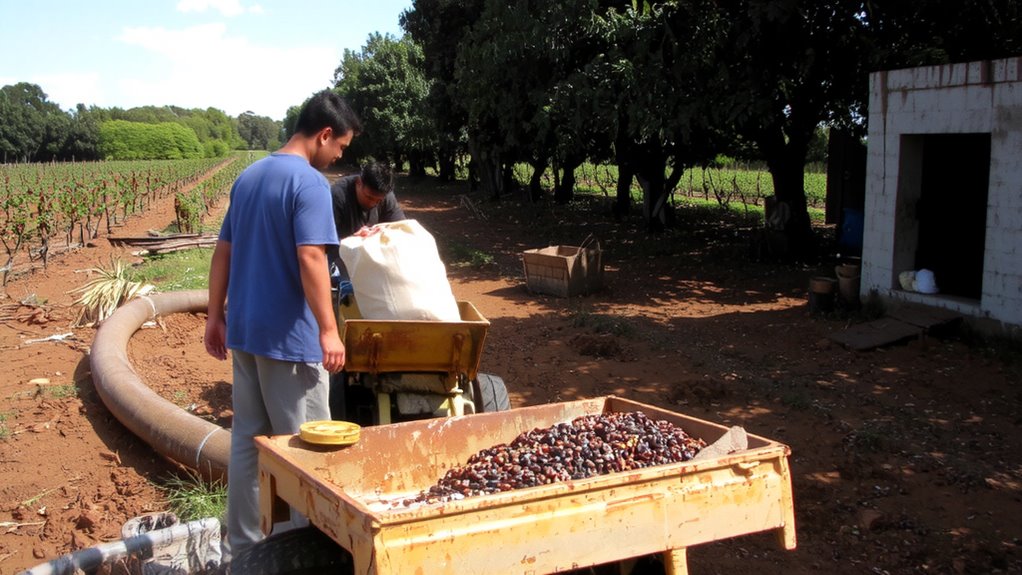
Even though specialty coffee thrives on careful growing and selective harvesting, Cuba’s state-run farms are set up to prioritize volume over quality. You’re dealing with a system designed for high crop yields, not nuanced flavor profiles. Workers are often evaluated by harvest volume, not bean quality, so the incentive leans toward speed and quantity. That means beans from varied ripeness get mixed, lowering overall grade. Unlike small farms using precise methods-like picking only red-ripe cherries-here, efficiency trumps precision. Higher output fits state quotas, but it’s a poor match for specialty standards. Washing stations and drying techniques are basic, not fine-tuned. If you’re sourcing Cuban beans, expect inconsistency. For brewing, dialing in is harder due to mixed roast levels and defects. Equipment won’t fix uneven origins. You’ll need extra sorting and careful roasting to salvage sweetness. This structural focus on quantity limits what even skilled brewers can achieve.
Why Cuban Farmers Can’t Improve Quality
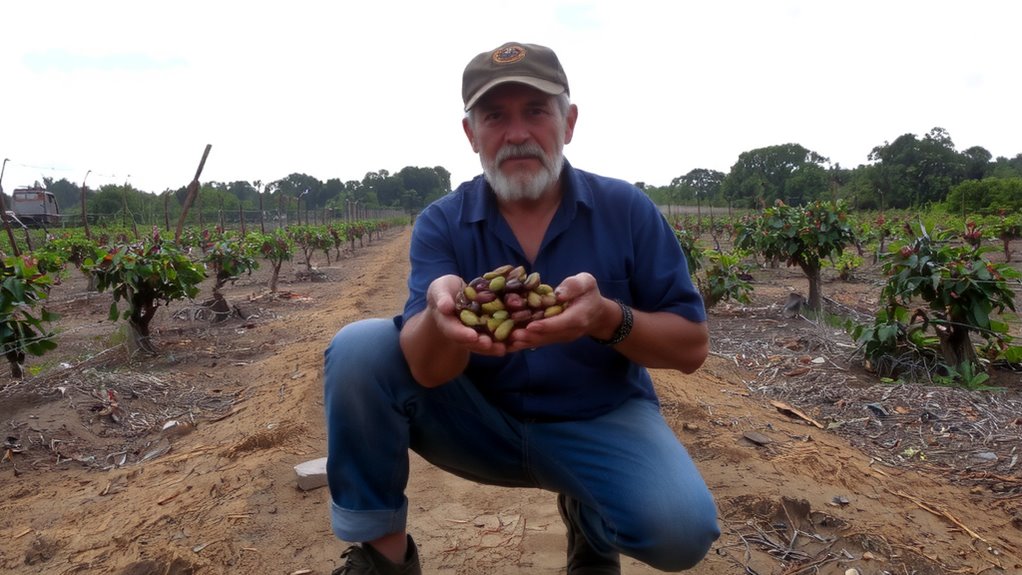
You can’t fix quality issues at the source just by tweaking your roaster or grinding finer-those problems are baked into the system long before beans leave the farm. Cuban farmers have little farmer autonomy, meaning they can’t choose processing methods, harvest times, or varietals that boost flavor. Everything’s dictated by state quotas focused on volume, not taste. Without quality incentives, there’s no reward for extra effort-sorting cherries, hand-processing, or investing time in fermentation. You’re paid the same whether the beans are clean or flawed. That kills motivation to improve. Unlike in Colombia or Ethiopia, where premiums for specialty lots drive better practices, Cuba’s structure treats coffee like any other commodity. So even if you wanted to grow specialty-grade beans, the system doesn’t let you act on that. The result? Stagnant quality, regardless of your skill level or intentions.
No Tools, No Taste: How Shortages Break the Chain
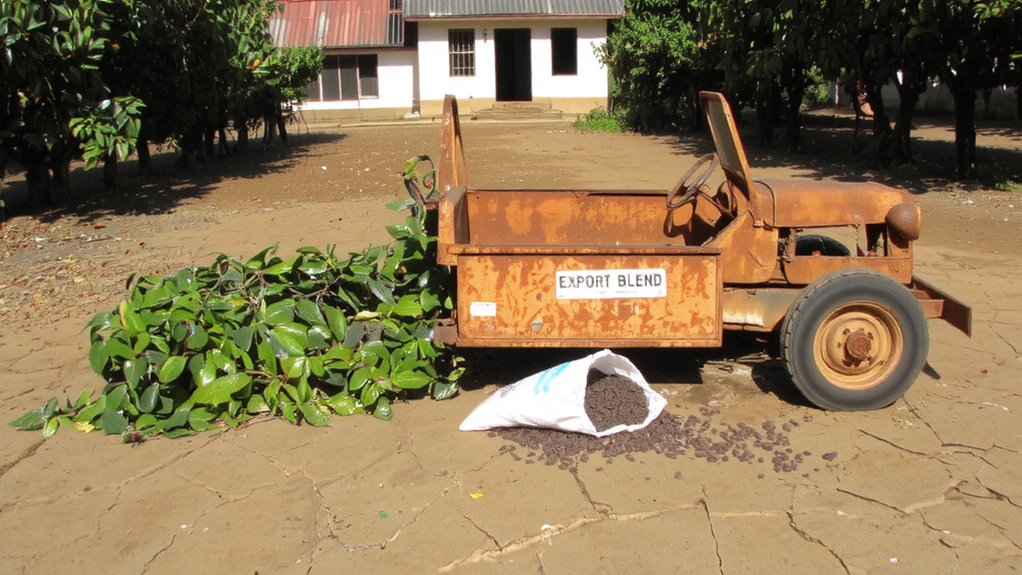
A broken mill means flawed beans, no matter how carefully they’re grown. You can’t fix quality downstream if the machinery fails at the start. In Cuba, aging grinders and hullers often sit unrepaired-spare parts stuck in supply bottlenecks or simply unavailable. Without proper tools, even premium beans turn inconsistent, full of defects that ruin roast profiles. You need precision gear to control moisture, remove pulp cleanly, and protect bean integrity. But when equipment fails and replacements don’t come, you’re left improvising with outdated methods. Soil degradation only deepens the problem-weak soil yields weaker beans, less able to survive harsh processing. This double hit-poor inputs and broken tools-breaks the chain from farm to cup. You can’t build specialty coffee without stability in both land and logistics. What’s grown with care still fails if the chain collapses at the mill.
Locked Out: Cuba’s Absence in the Specialty Market
Poor processing doesn’t just affect flavor-it locks Cuban coffee out of specialty markets entirely. Buyers seeking specialty grades require consistency, traceability, and quality control, none of which Cuba’s state-run system reliably provides. Without direct trade relationships, Cuban farmers can’t respond to consumer demand for nuanced, high-scoring beans. Here’s how Cuban coffee compares globally:
| Feature | Cuban Coffee | Specialty Market Standard |
|---|---|---|
| Processing Method | Basic wet/dry | Washed, honey, natural |
| Quality Control | Minimal | Strict lot separation |
| Access to Direct Trade | None | Common in top origins |
| Flavor Consistency | Low | High |
You’re left with beans that don’t meet scoring thresholds. Even with ideal growing conditions, without upgrades in handling and trade access, Cuban coffee remains excluded. Consumer demand pushes global standards higher-Cuba can’t keep pace.
How Reform Could Unlock Cuban Specialty Coffee
What would it take to bring Cuban coffee into the specialty arena? You’d need structural reform-starting with loosening state control over farms. Without ownership or profit stakes, farmers lack real incentives to prioritize quality, invest in processing, or experiment with varietals. Introducing farmer incentives, like bonuses tied to bean grade or yield quality, could spark change. Allowing direct trade would help even more. Right now, Cuba’s rigid export system cuts farmers off from global buyers and feedback. If producers could engage in direct trade, they’d gain access to premium markets, stable pricing, and demand-driven insights. Compare this to successful models in Colombia or Rwanda, where farmer cooperatives thrive via transparency and direct links. Reforms wouldn’t fix everything overnight-infrastructure and training gaps remain-but they’d set the foundation. For roasters and importers seeking untapped terroir, a reformed Cuban coffee sector could become a high-reward frontier. The beans are capable; the system isn’t.
On a final note
You can’t brew standout coffee without access to quality beans, and Cuba’s state farms don’t prioritize specialty crops. Limited tools, outdated equipment, and centralized control restrict farmers’ ability to experiment or improve flavor profiles. Without direct market access or incentives, Cuban coffee stays low-grade. Reforms allowing private investment, better gear, and export opportunities could change that-if they reach the people growing the beans.