Espresso Dosing Strategies: Single, Double, and Triple Shots Explained
You’re aiming for 7–9 grams with a single shot, 18–20 grams for a double, and up to 21 grams for a triple-match the dose to your basket and machine. Doubles work best on most home machines like the Breville Bambino, giving balanced flavor in 25–30 seconds. Singles need precision; triples demand power and grind consistency. Too little coffee and your shot runs fast and sour. Your setup and taste guide the right dose-there’s more to fine-tuning just ahead.
Notable Insights
- Single shots use 7–9 grams of coffee and require precise technique to avoid sour or harsh flavors.
- Double shots, the most common, use 18–20 grams for balanced extraction in 25–30 seconds.
- Triple shots use 18–21 grams to produce a larger, bolder 90ml espresso with higher caffeine content.
- Dose affects extraction: too low causes sourness, too high leads to bitterness if not adjusted.
- Match dose to basket size, grinder performance, and machine pressure for optimal shot quality.
What Is Espresso Dosing: And Why It Changes Everything
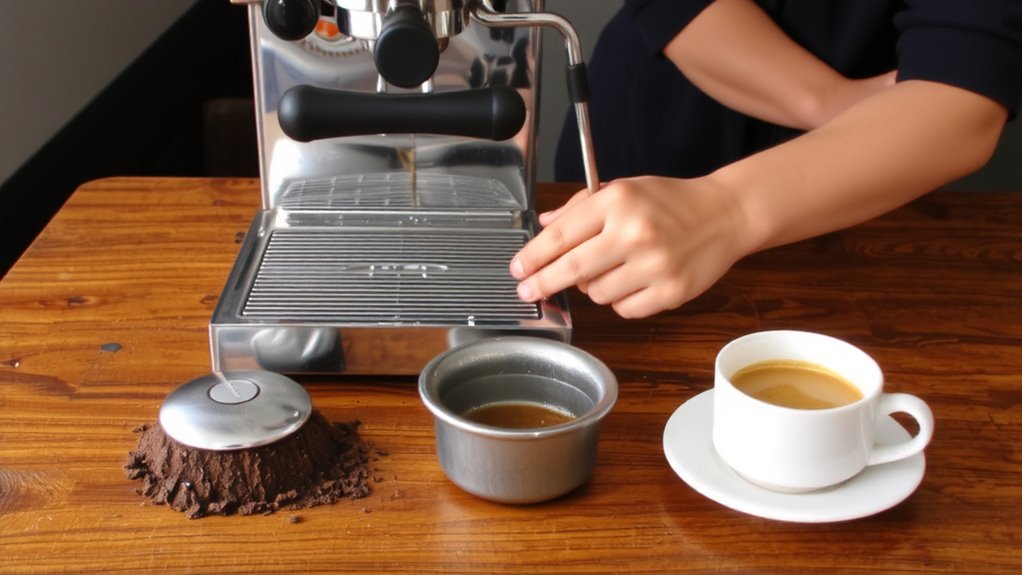
Think of espresso dosing as the foundation of your shot-get it wrong, and everything that follows falls apart. You control how much ground coffee goes into the portafilter, and that直接影响 flavor, brew time, and balance. Most double baskets take 18–20 grams, but it varies by machine and preference. Too little, and your shot pulls too fast, tasting weak. Too much, and water can’t move through, leading to over-extraction. Fresh beans from different coffee origins react uniquely-dense Ethiopian beans might need finer grinds or adjusted dosing versus softer Brazilian ones. Brew time should stay between 25–30 seconds for a balanced shot. A consistent dose guarantees repeatability, letting you tweak grind or tamp without guesswork. If you change beans or machines, recalibrate your dose. It’s not just weight-it’s control. Get this right, and every shot improves. Using a high-quality coffee tamper ensures even compression, which supports consistent extraction.
The Single Shot: Small Dose, Subtle Results
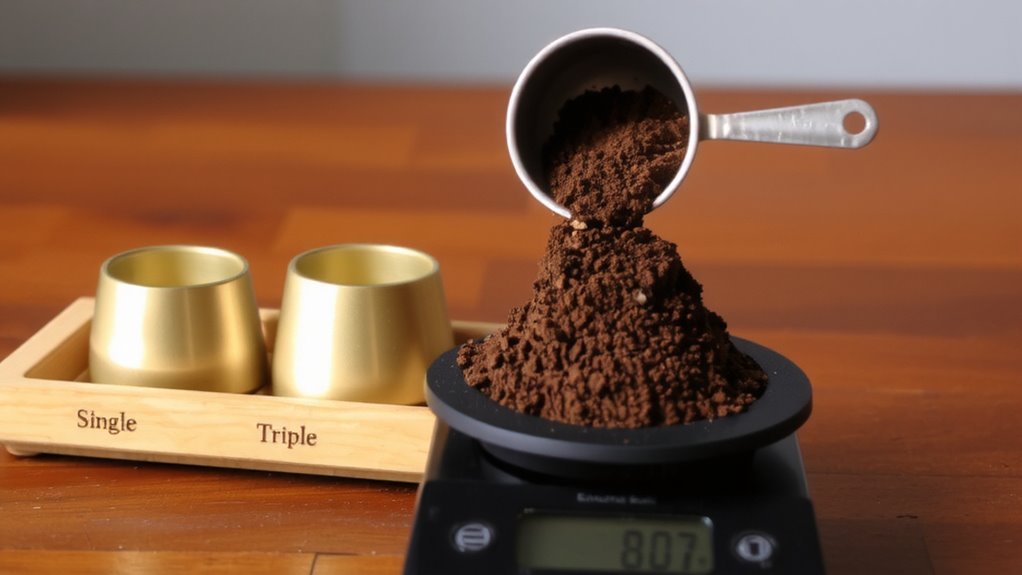
While you might assume smaller always means simpler, pulling a single shot of espresso demands just as much precision as its double counterpart. You’re working with less room for error-typical single shot espresso volume is around 25–30ml from 7–9 grams of coffee. That small window affects both flavor intensity and balance. Under-extract, and it tastes sour; over-extract, it turns harsh. Machines with single baskets, like those from Rocket or La Marzocco, help control flow and dose. But many newer dual-group machines focus on doubles, making singles trickier. If you prefer subtle, delicate notes, a well-pulled single offers refined flavor intensity without overwhelming bitterness. It’s ideal for lower caffeine needs or when sipping slowly. Just know: achieving consistency means dialing in grind size, tamping pressure, and shot time-every single time. A high-quality espresso grinder ensures uniform particle size, which is critical for even extraction in low-dose scenarios like single shots.
The Double Shot: Your Daily Espresso Sweet Spot
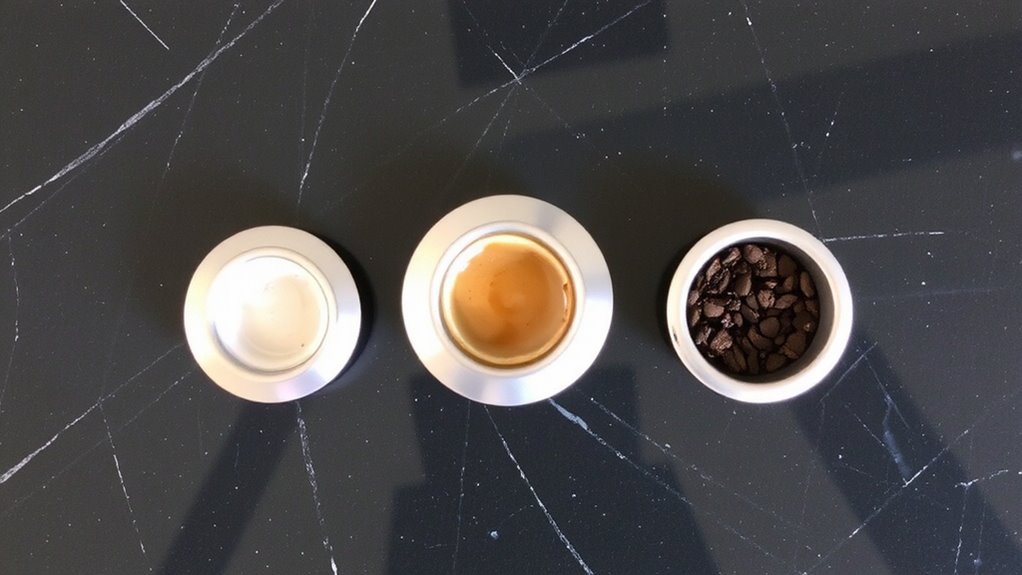
When you’re after a balanced, reliable espresso that suits most palates and fits into a daily routine, the double shot is where most baristas and enthusiasts land. It typically uses 18–20 grams of coffee to produce 36–40 grams of brew, giving you strong Espresso balance without overwhelming bitterness or acidity. This dose works well in most home and commercial machines, including popular models like the Breville Bambino or Rocket Appartamento. You’ll get better flavor consistency shot to shot, especially when tamping and dosing are controlled. It’s forgiving enough for beginners but precise enough for skilled users. Unlike single shots, it fills a standard cup properly; unlike triples, it doesn’t demand extra coffee or risk channeling. If you pull your own shots, stick to a double for daily use-it’s efficient, repeatable, and hits the sweet spot for strength and clarity.
The Triple Shot: Bigger, Bolder, and Not for Everyone
Why do some espresso lovers go beyond the double? Because you’re chasing bigger caffeine intensity and deeper flavor saturation. A triple shot uses about 18–21 grams of coffee, pulling a 3-ounce drink with more punch than a standard double. It’s not for casual sipping-this dose suits those who need a potent morning kick or want to experiment with bold taste profiles. But not every machine handles it well. Low-pressure models may under-extract, leading to sourness. Best espresso grinders ensure the precision and consistency needed for high-dose extractions like the triple shot.
| Basket Size | Grind Level | Output Volume |
|---|---|---|
| 18–21g | Medium-fine | 3 oz |
| Triple ridge | Tighter | ~25–30 sec |
| Stainless | Adjusted | Full-bodied |
| Pressurized | Coarser | Bitter if over |
Higher dose demands precision. Make sure your grinder and basket support it.
How Dose Shapes Flavor and Extraction
Every gram you add to your portafilter changes the game. A higher dose increases the coffee bed depth, slowing water flow and improving extraction efficiency. This means more compounds dissolve evenly, often leading to better flavor balance-less chance of sour under-extraction or bitter over-extraction. But it’s not just about more coffee. Too high a dose without adjusting grind or time can cause channeling, where water finds weak spots, hurting consistency. Lower doses extract faster but risk tipping flavor balance toward sharpness or hollowness, especially with light roasts. You’ll need to tweak grind size and brew time to stay in the sweet spot. Larger doses suit powerful machines with stable pressure-like Lineas or Expobar Brewtuses-while smaller doses work on modest home gear. You’re not just changing volume; you’re reshaping how flavors emerge. Dose smart, extract clean.
Match Dose to Your Palate and Equipment Limits
Though your taste preferences play a big role, you’ll need to work within what your gear can actually handle. Most home and commercial machines support double shots (14–20g), which offer the best balance of dose consistency and flavor control. If you prefer lighter, brighter shots, a lower dose around 14–16g might suit you-but make sure your portafilter basket can hold it without spilling. Larger doses, like triples (21g+), need baskets and grinders that support even distribution. Smaller doses on large equipment often lead to poor shot calibration and uneven extraction. Always match your dose to your basket size and machine’s pressure stability. Consistent grinding, dosing, and tamping help maintain dose consistency. Test shot calibration with your preferred beans and adjust in 0.5g increments. Practical limits matter: pushing beyond your equipment’s design risks wasted beans and poor results.
On a final note
You’ll get the best results by matching your dose to both your machine and your taste. Single shots (7–9g) work in older or manual machines but can under-extract. Doubles (14–18g) are standard in most cafes and home setups, offering balance and consistency. Triples (21g+) suit high-output machines but risk over-extraction if not dialed in. Always adjust grind and tamp to your dose-consistency matters more than size. Your palate and equipment should guide the choice.