Fine-Tuning Grind Size for Optimal Flavors When Using a French Press With Filter Paper
You’ll need a slightly finer grind with paper filters since they trap more fines than metal mesh. Aim for medium-coarse, like coarse sand, around settings 18–22 on a Baratza Encore. Too fine causes bitterness and clogging; too coarse yields weak coffee. Adjust in small steps for balance. Uniformity matters-use a burr grinder. This setup gives clarity and body. You can fine-tune further based on bean and filter type. There’s more to optimizing your brew just beyond this.
Notable Insights
- Use a medium-coarse grind, similar to coarse sand, for balanced extraction and smooth flow with paper filters.
- Start at setting 18–22 on a Baratza Encore and adjust slightly finer for optimal flavor clarity.
- Avoid overly fine grinds that cause over-extraction, bitterness, and slow drip-through in paper filters.
- Adjust one or two settings finer if coffee tastes weak, pale, or lacks body.
- Maintain grind consistency with a burr grinder to ensure even extraction and enhance flavor definition.
Why Filter Paper Requires a New Grind Size
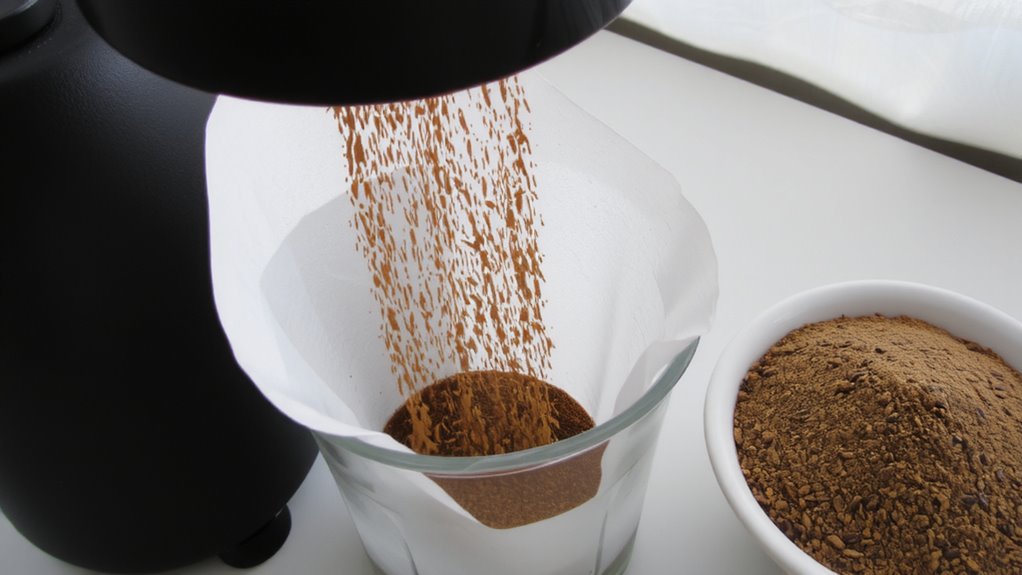
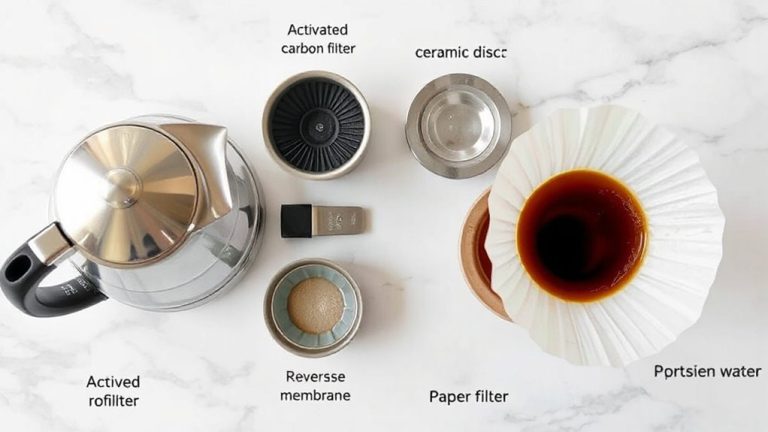
While you might be used to using a coarse grind for a standard French press, switching to filter paper changes the game entirely-because the paper traps finer particles that a metal mesh would normally let through. This means you can use a slightly finer grind without getting sludge, thanks to superior particle retention. Filter papers like Able Disk or #4 paper filters block fine sediment, delivering a cleaner cup. But don’t go too fine-overly small particles can still clog the filter or over-extract. Since grind size affects water solubility, adjusting it helps balance extraction and clarity. A medium-coarse grind often works best, letting water flow smoothly while capturing unwanted fines. Unlike metal filters, paper reduces oils and bitterness, yielding a brighter profile. This method isn’t about reinventing French press-it’s refining it. You get the body of immersion brewing with the cleanliness of paper filtration, assuming your grind matches the filter’s limits. For those exploring alternative brewing methods, a top pour-over coffee maker can offer similar clarity and control.
The Ideal Grind for Clean French Press Coffee
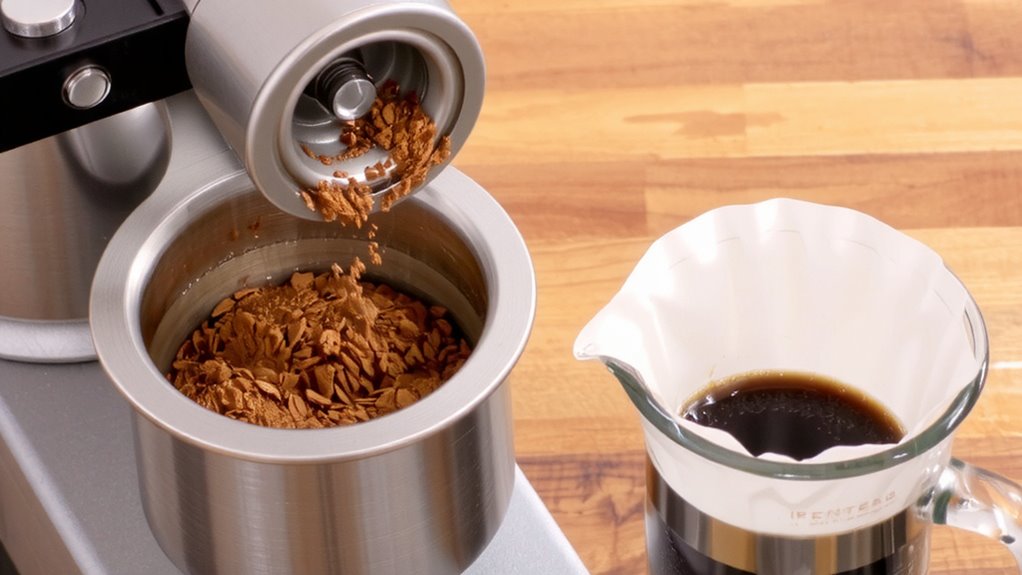
You can keep your French press routine and still get a cleaner cup-just adjust the grind. With filter paper, you can go finer than traditional French press without the silt, but not as fine as pour-over. Aim for a consistency like coarse sand-uniform and even. This improves grind consistency, ensuring each particle extracts at the same rate. That balanced contact time boosts flavor extraction, pulling out sweetness and clarity while reducing bitterness. Too coarse, and your coffee tastes weak; too fine, and even with paper, it may over-extract or clog. The paper filter already removes oils and fines, so a slightly finer, consistent grind helps exploit full body and nuanced notes without the murk. It’s a small shift that makes a big difference. You’re not changing your method-just optimizing it. The right grind reveals cleaner cups with better flavor definition, using the same familiar process. Travel-friendly brewing setups often include travel coffee makers for consistent results on the go.
How to Set Your Grinder for Paper Filters
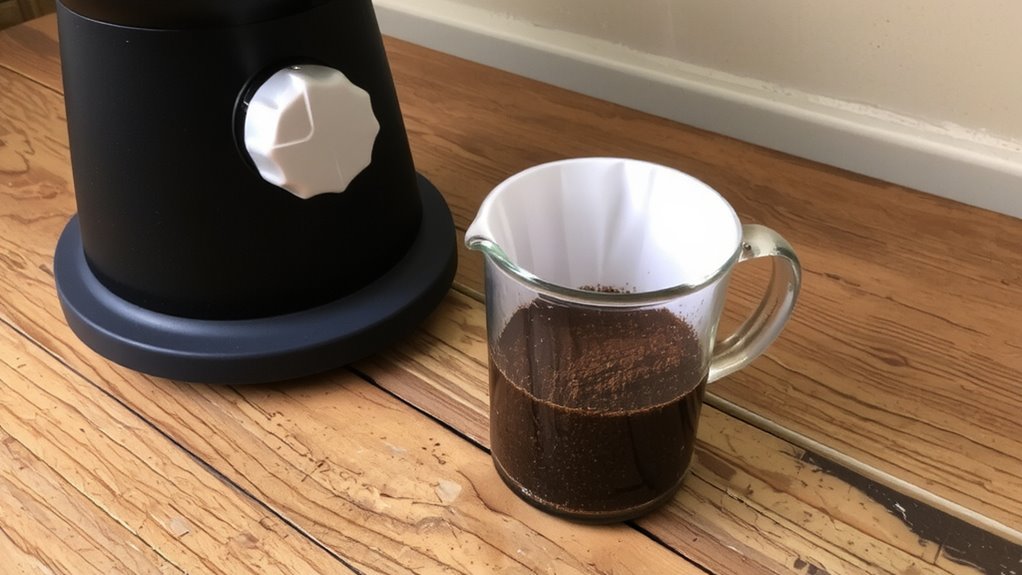
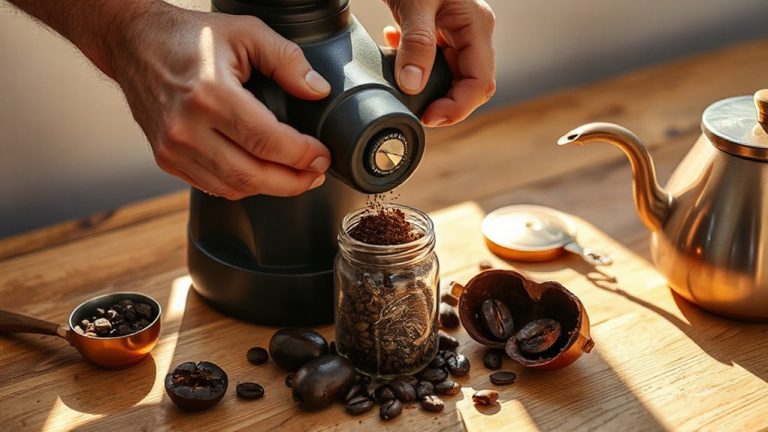
Most grinders, even entry-level ones, let you adjust the burrs enough to hit that sweet spot for French press with filter paper. Start around setting 18–22 on a Baratza Encore or a similar step setting on other burr grinders-this range typically delivers ideal grind calibration. You’re aiming for medium-coarse, like coarse sand, which allows smooth flow without clogging. Unlike metal filters, paper requires this slight adjustment to guarantee filter compatibility and prevent over-extraction. Avoid the finest settings, even if your grinder allows them, as they restrict water movement and increase brewing time unnecessarily. If you notice slow drip-through or a swollen filter, your grind is still too fine. Always adjust in small increments and take notes-consistent grind calibration makes repeatable results possible. Your ideal setting depends on both the beans and the specific paper filter brand, so test accordingly.
Fixing Bitter Coffee: When Your Grind Is Too Fine
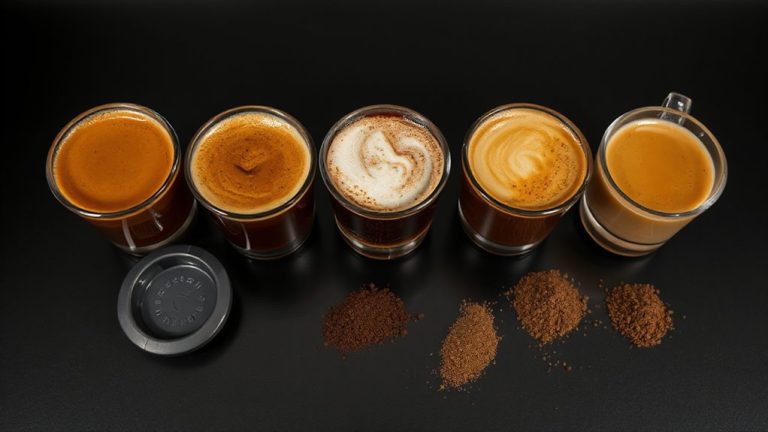
A grind that’s too fine is often the culprit behind bitter French press coffee when using filter paper, even if you followed recommended settings like the 18–22 range on a Baratza Encore. Fine particles increase surface area, raising over extraction risks-this pulls harsh compounds, creating bitterness. While filter paper improves sediment reduction, it can’t fix grind-induced flaws. You need coarser settings to balance flavor. Here’s how adjustments affect your brew:
| Grind Setting | Effect on Brew |
|---|---|
| Too fine (15–17) | High bitterness, over extraction risks |
| Slightly fine (18–19) | Mild bitterness, some over extraction |
| Ideal (20–24) | Balanced flavor, full body |
| Coarse (25–27) | Lighter body, safer extraction |
| Too coarse (28+) | Risk of weak brew (covered next) |
Dial in between 20–24 for best results.
Fixing Weak Coffee: When Your Grind Is Too Coarse
If the coffee tastes thin or lacks intensity, a grind that’s too coarse is likely to blame-especially with filter paper in the mix. A coarse grind slows water contact, leading to weak extraction and flat flavors. Since filter paper already restricts oils and fines, an overly large particle size worsens the issue by reducing surface area for extraction. You’ll notice pale color, low body, and underdeveloped sweetness. To fix it, adjust your grinder one or two steps finer-aim for consistency similar to coarse sand, not gravel. Re-brew and assess. If the cup gains richness without bitterness, you’ve improved extraction. Avoid going too fine, as that can cause clogging or over-extraction, especially with paper filters. Use a burr grinder for precision. Dialing in the right grind takes trial, but correcting coarse grind issues quickly elevates your brew from weak to well-balanced. For consistent results, choose one of the top-rated coffee grinders that ensure uniform particle size.
Best Beans for Smooth French Press With Paper Filter
Choosing the right beans can make a noticeable difference in your French press coffee, especially when using a paper filter. Since the filter removes most oils, you’ll want beans with balanced flavors that still shine through. Look for medium roast level beans-they retain acidity and complexity without excessive bitterness. Dark roasts can taste flat after filtration, while light roasts may lack body. Bean origin matters, too. Central American beans, like those from Guatemala or Costa Rica, often offer clean, bright profiles with notes of chocolate or nuts-ideal for this method. Ethiopian beans bring floral or fruity tones that can stand out. Avoid heavily processed or oily beans, as they’re better suited for metal filters. Freshness is key; use beans roasted within the past two weeks for best results.
French Press With Paper Filter: Step-By-Step Brew Guide
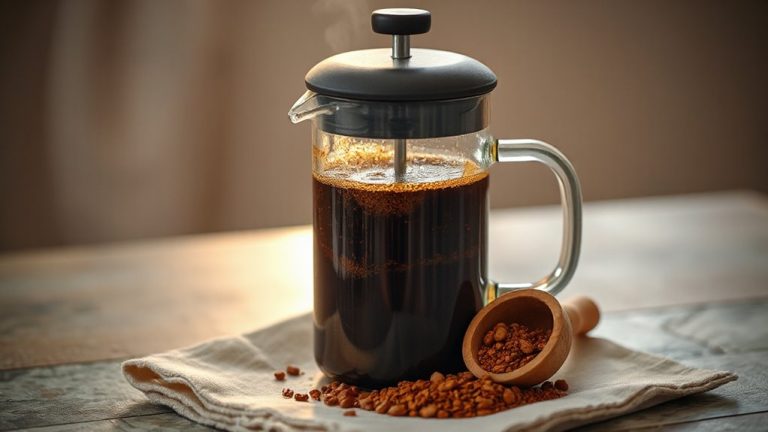
You’ve picked your beans-medium roast, fresh, with a clean profile that suits filtration-now it’s time to get them brewing the right way. Grind them medium-coarse, like sea salt, to prevent over-extraction and clogging the paper filter. Heat filtered water to 200°F; good water quality matters-avoid tap water with strong odors or minerals. Add grounds (1:15 coffee-to-water ratio) to the French press, pour half the water, stir gently, then wait 30 seconds. Fill the rest, place the lid with the stopper up, and set brew time for 4 minutes. After brewing, press slowly-paper filters need gentle pressure to avoid tearing. Serve immediately; paper removes oils, delivering a cleaner cup than metal filters. Unlike traditional brewing, this method reduces sediment and bitterness. Use bleached or oxygen-treated paper filters for fewer taste impacts. Rinse the filter if you’re sensitive to paper taste.
On a final note
You’ll get the best results with a slightly finer grind than usual-think coarse sand, not breadcrumbs. Too fine? Coffee turns bitter; too coarse? It’ll be weak and underwhelming. Adjust your grinder in small steps until flavor balances. Use medium to dark roasts for smoothness. Stick to the brew guide, and you’ll have a cleaner, grit-free cup every time. Paper filters change the game, so tweak your grind and taste as you go.